Source Children Foam Pillow Rolling Machine for Bedding
Find reliable Children Foam Pillow Rolling Machine options among 30 listings. Compare automatic polyurethane foam and pillow packing solutions from Chinese manufacturers. Evaluate models like LXPU and PA-V1 for custom cushion and quilt packaging needs; compare the available evidence and request quotations based on your requirements.
Key considerations
Products List
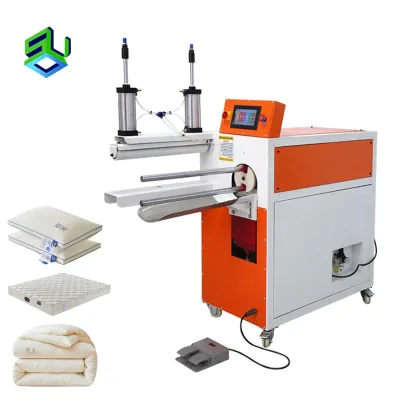
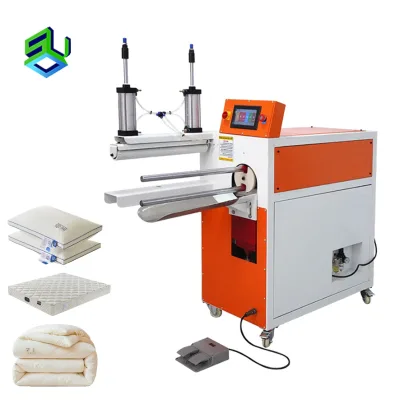


a Good Price Polyurethane PU Memory Pillow Foaming Machine /Memory Pillow Making Machine/PU Machine
$10000.00 - $12000.00
MOQ: 1 Pieces


Automatic Pillow/Cushion/Quilt/Comforter/Blanket Rolling Packing Machine with CE
$1000.00 - $10000.00
MOQ: 1 Pieces


Automatic Quilts Rolling Packing Machine Pillow Cushion Mattress Rolling Machine
$1900.00 - $2000.00
MOQ: 1 Sets


Comforter Rolling Machine Quilt Compressor Machinery Blanket Roll Packing Machine
$2100.00 - $2400.00
MOQ: 1 Sets


Comprehensive Sourcing Guide
Children Foam Pillow Rolling Machine Sourcing Guide
The market for children foam pillow rolling machines features specialized equipment designed to automate the compression and packaging of soft bedding products. Based on observed listings, these units often utilize high-speed impeller or high-pressure air principles to efficiently reduce the volume of polyurethane foam items. Buyers should note that while some models are explicitly labeled for pillow comforters and cushions, the underlying technology frequently applies to broader bedding categories like quilts and mattresses.
Procurement decisions must account for the variability in automation levels and functional outputs observed across different suppliers. While some machines offer fully automatic operation with electric driving types, others may require specific operator intervention or custom configurations. The core keyword implies a focus on child-safe dimensions and gentle handling, yet the actual product data shows a range of models from LXPU to JBJ series, each with distinct forming functions like filling and sealing that must be matched to specific production needs.
Product Scope and Observed Listing Signals
Buyers should verify that the machine's forming function aligns with the specific requirement of filling and sealing bags for pillow cushion products. The observed product data indicates that these machines are primarily designed for packing pillows, quilts, and mattresses, utilizing a principle that may involve high-speed impellers or high-pressure air systems. It is critical to distinguish between general packing machines and those specifically tuned for the delicate nature of children's foam products to ensure the final packaging is secure without damaging the material.
The physical dimensions and packing standards of the machinery vary significantly, with observed specifications ranging from 2m by 3m to larger industrial footprints like 3800 by 1900 by 2300 millimeters. When evaluating listings, purchasers must confirm whether the standard dimensions provided match their factory floor constraints. Additionally, the packaging of the machine itself, whether in a plywood case, wooden case, or MDF wooden box, is a key logistical factor that influences shipping costs and on-site assembly requirements.
Technical Specifications to Verify
Technical due diligence requires a close examination of the machine's speed and operator requirements to ensure production efficiency matches business goals. Observed data suggests speeds ranging from 3 to 10 pieces per minute, with some models requiring only a single operator. Buyers must confirm if the adjustable packing diameter and the specific dosing device, such as a rotor, are suitable for the varying sizes of children's foam pillows they intend to process.
Voltage and power supply compatibility are critical technical parameters that often differ between regions and specific machine models. The observed listings indicate a standard voltage of 380V at 50Hz with three phases, though customization is frequently available. Procurement teams must verify that the electrical infrastructure at their facility can support these requirements or if a custom voltage configuration is necessary to prevent equipment failure or safety hazards during operation.
Compliance and Safety Documentation
Safety and regulatory compliance are paramount when sourcing industrial machinery, and buyers must demand clear certification documentation before finalizing any purchase. The available product data frequently lists CE and ISO9001 certifications, which are essential for operating in international markets. However, the specific certification status, such as ISO9001:2000 or general ISO9001, must be explicitly confirmed for the exact model number to ensure the equipment meets the safety standards required by local authorities.
Beyond general certifications, the condition of the machine and its adherence to specific product standards must be rigorously checked. Most observed listings describe the equipment as "New," but buyers should verify if the "As per model" standard applies to the specific configuration they are ordering. Ensuring that the machine meets the relevant safety protocols for high-pressure air or high-speed impeller operations is vital to protect operators and maintain a compliant manufacturing environment.
Cost Drivers and Commercial Terms
The total cost of ownership is heavily influenced by the complexity of the automation and the specific customization options selected. While the observed price range spans from 100 to 50,000 USD, the final price depends on factors such as the inclusion of custom features, the specific model number like PA-R or JBJ-9, and the complexity of the packing material handling system. Buyers should understand that higher automation levels and specialized functions for children's products often command a premium over standard industrial packing units.
Commercial terms regarding delivery and guarantees are equally important for budgeting and operational planning. The observed data indicates a typical delivery time of 20 days and a standard one-year guarantee period. However, these figures are subject to the specific supplier's capacity and the customization level of the order. Procurement teams must clarify if the lead time includes installation support and whether the guarantee covers specific components like the electric driving type or the dosing device.
Supplier Qualification and Quality Control
Supplier qualification should focus on the geographic origin and the specific manufacturing capabilities of the vendor. The observed product data lists origins in Mainland China, with specific mentions of Jiangsu, Shandong, and Wuxi City. Buyers should verify the supplier's location to assess logistics feasibility and ensure that the manufacturing facility has a proven track record in producing the specific type of foam pillow rolling machine required.
Quality control processes must be validated through the supplier's adherence to international standards and their internal testing protocols. The presence of certifications like CE, SGS, and ISO9001 suggests a baseline of quality management, but buyers should request detailed quality control reports for the specific model. It is essential to confirm that the "New" condition of the machine is backed by rigorous factory testing and that the supplier provides clear documentation for all safety and performance checks.
Long-Term Procurement Checks
Long-term procurement success relies on establishing clear maintenance protocols and verifying the availability of spare parts for the specific machine model. Buyers should inquire about the lifespan of critical components such as the high-speed impeller or the rotor dosing device and ensure that the supplier offers a reliable supply chain for replacements. A robust after-sales support structure is necessary to minimize downtime and maintain consistent production output over the life of the equipment.
Finally, buyers must plan for potential upgrades or changes in production requirements that may necessitate machine modifications. Since customization is available for many models, it is advisable to discuss future scalability with the supplier at the time of purchase. Ensuring that the machine can adapt to new packaging materials or different pillow sizes will protect the initial investment and allow for flexible growth in the children's bedding product line.
FAQs
What automation features are available for foam pillow packing machines?
Automatic grade machines are available for efficient operation. These units typically require only one operator to manage the filling and sealing process. The system uses electric driven types to ensure consistent performance. Customization is available to meet specific production line needs. This setup reduces labor costs while maintaining high throughput for pillow and cushion packaging tasks.
Can the packing diameter be adjusted for different pillow sizes?
Yes, the packing diameter is adjustable to accommodate various product dimensions. This flexibility allows the machine to handle pillows, quilts, and mattresses effectively. Operators can modify settings to ensure secure wrapping for different bulk levels. The adjustable feature ensures optimal packaging density and protection during storage and shipping for diverse bedding items.
What certifications do these pillow rolling machines typically hold?
These machines commonly hold CE and ISO9001 certifications to ensure safety and quality standards. Some models may also include SGS certification for additional verification. These credentials indicate compliance with international manufacturing regulations. Buyers should verify specific certification documents for each model to ensure they meet local regulatory requirements for industrial equipment operation.
How fast can the machine pack pillows per minute?
The packing speed typically ranges from 3 to 10 pieces per minute depending on the model. Higher capacity models like the PA-R can achieve 6-10 pieces per minute. Slower models may operate at 3-6 pieces per minute. This variation allows buyers to select a machine that matches their specific production volume requirements and operational pace.
What is the standard delivery time for these machines?
The standard delivery time is approximately 20 days after order confirmation. This lead time allows for manufacturing and quality checks. Buyers should account for this duration when planning production schedules. Expedited shipping options may be available depending on the supplier's current capacity and the specific model selected for purchase.
What voltage requirements do these packing machines have?
Standard voltage requirements are 380V, 50Hz, and 3 phases. Customization is available to match local power infrastructure. This ensures compatibility with various industrial electrical systems. Buyers must verify their facility's power supply before installation. Proper voltage matching is critical for safe and efficient machine operation without electrical faults or performance issues.