Source Children Outdoor Bleach Sword Umbrella for School
Find 30 Children Outdoor Bleach Sword Umbrella options for school and outdoor use. Compare features like nylon and polyester fabrics, aluminum frames, and anti-UV protection. Source customized designs with OEM support from verified manufacturers; compare the available evidence and request quotations based on your requirements.
Key considerations
Products List




Chinese Factory Gift Logo Printing Children Cartoon Cute Animal Kids Umbrella
$1.90 - $4.00
MOQ: 100 Pieces

Factory Rain Sun Gift Logo Printing Children Cartoon Cute Animal Kids Umbrella
$1.90 - $4.00
MOQ: 100 Pieces


Quality Fiberglass Children Kid Umbrella for Boys and Girls (KID-1019ZF)
$2.45 - $2.50
MOQ: 1000 Pieces
Comprehensive Sourcing Guide
Children Outdoor Bleach Sword Umbrella Sourcing Guide
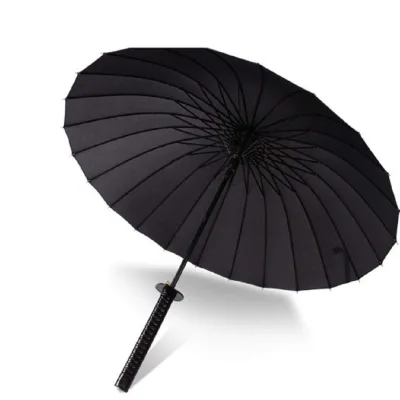
Procuring a children's outdoor bleach sword umbrella requires balancing playful aesthetics with rigorous safety standards, as these items often mimic weapons while serving as rain protection. The observed market features distinct models like the "24k sword umbrella black katana umbrella" alongside traditional lace and nylon designs, indicating a diverse range of styles available for young buyers. Buyers must carefully distinguish between novelty items and functional rainshades, ensuring the selected product meets the specific needs of the target age group without compromising on durability or safety.
The supply chain for these specialized umbrellas often originates from manufacturing hubs in Guangdong, China, where suppliers offer extensive customization options for fabric, handle design, and branding. While some listings highlight specific features like "Anti UV" protection and "Aluminum Alloy" frames, others focus on the unique "curved plastic" handles or "Pongee" materials used in sword-style designs. Sourcing teams should verify that the "Customization" capabilities align with their branding requirements, as many suppliers accept OEM requests and can package products according to specific customer needs.
Product Scope and Observed Listing Signals
The product scope for children's outdoor umbrellas spans from functional rainshades to novelty items designed for back-to-school occasions or play. Listings indicate a clear segmentation between "Children" and "Adults" age groups, with specific models like the "Nylon Children Umbrella-082L" and "Lace Children Umbrella-018C" targeting younger demographics. Buyers should note that while some products are explicitly labeled as "Rainshade," others may be marketed primarily as decorative accessories, requiring careful review of the product description to ensure the item serves its intended protective function.
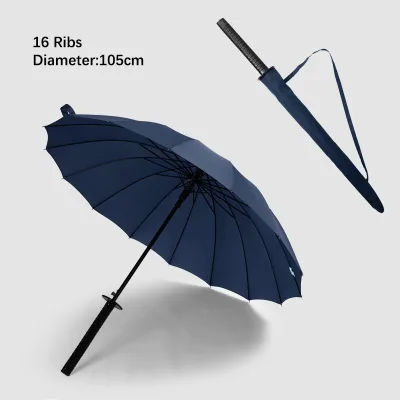
Observed listing signals reveal significant variation in material composition and structural design, ranging from "Nylon" and "Polyester" fabrics to "190t pongee" panels. The "24k sword umbrella" model stands out with its unique "24K" panel quantity and "black katana" design, contrasting with standard straight umbrellas that utilize "Aluminum Alloy" or "metal& fiberglass" frames. Procurement teams must scrutinize these signals to confirm that the "Style" and "Feature" attributes, such as "All in 1" or "strong" construction, match the operational requirements of the intended retail environment or promotional campaign.
Technical Specifications to Verify
Technical verification begins with confirming the physical dimensions and structural integrity of the umbrella, particularly for sword-style models that may have unique balance requirements. Buyers should validate the "open diameter" and "frame size," noting that some listings specify a "23inch*8K" configuration while others offer "Customized" sizes to fit specific market demands. The "Single package size" and "Single gross weight" are critical for logistics planning, as items like the "SK-329" model have defined dimensions of "90X10X7 cm" and a weight of "1.500 kg" that impact shipping costs and storage efficiency.
Material specifications are equally vital, with the "Handle Material" and "Frame Material" determining the product's longevity and safety profile. While some children's umbrellas feature "Short Umbrella Handle" designs for small hands, others may utilize "Long Umbrella Handle" configurations or "curved plastic" grips that require ergonomic assessment. The "Fabric" type, whether "Nylon," "Polyester," or "Pongee," must be verified for its "Anti UV" capabilities and water resistance, ensuring the product can withstand outdoor conditions without degrading or failing during use.
Compliance and Safety Documentation
Safety compliance is paramount when sourcing umbrellas for children, as these products must adhere to strict regulations regarding mechanical hazards and chemical content. The supplied data references standards such as "CE," "SGS," "GEM," and "RoHS," which buyers should request as proof of conformity before finalizing any order. Although "EN 71" and "REACH" are mentioned in background contexts, procurement teams must explicitly verify that the specific batch of umbrellas has been tested against these or equivalent regional safety standards to prevent potential recalls or legal liabilities.
Documentation verification should extend beyond general certifications to include specific test reports for the unique features of sword-style umbrellas, such as tip sharpness and structural stability. Buyers must ensure that the "Customization" process does not inadvertently introduce non-compliant materials or designs that violate safety norms. It is essential to confirm that the supplier provides a valid certificate of origin and that the "prod_standard" listed matches the regulatory requirements of the destination market, particularly for products intended for use by young children.
Cost Drivers and Commercial Terms
Cost drivers for children's outdoor umbrellas are heavily influenced by the complexity of the design, the quality of materials, and the level of customization required. Models featuring "24K" panels or unique "sword" shapes often command higher prices due to the specialized manufacturing processes involved, while standard "Straight Umbrella" designs may offer more competitive pricing. The "MOQ" range observed from 10 to 6000 pieces significantly impacts the unit cost, with smaller orders typically incurring higher per-unit prices compared to bulk purchases that leverage economies of scale.
Commercial terms must be clearly defined to manage expectations regarding payment, lead times, and packaging. Suppliers often offer flexible "prod_packing" options, allowing for custom branding or protective packaging that adds to the overall cost. Buyers should negotiate based on the "Selling Units" and "Design" complexity, ensuring that the final price includes all necessary certifications and testing fees. It is crucial to clarify whether the quoted price covers the "Customization" of the "brand name" and if any additional fees apply for specific "color" options like "8K Black" or "16K Navy Bule."
Supplier Qualification and Quality Control
Supplier qualification requires a thorough assessment of the manufacturer's capabilities, particularly their experience with children's products and their ability to maintain consistent quality across large orders. Buyers should verify the "place of origin" and ensure the supplier has a proven track record of meeting "CE" and "SGS" standards, as these certifications indicate a commitment to safety and quality. The presence of "OEM" capabilities suggests the supplier can adapt to specific design requests, but this must be balanced with a robust quality control process to prevent defects in the final product.
Quality control measures should focus on the integrity of the "Frame Material" and the durability of the "Fabric" under repeated use. Inspections must confirm that the "Handle Material" is secure and that the "control" mechanism, whether manual or automatic, functions smoothly without pinching hazards. For sword-style umbrellas, special attention should be paid to the structural stability of the "curved plastic" handle and the "Aluminum Alloy" ribs to ensure they can withstand the rigors of outdoor play. Regular third-party inspections are recommended to validate that the "prod_model" matches the agreed-upon specifications before shipment.
Long-Term Procurement Checks
Long-term procurement success depends on establishing a reliable supply chain that can consistently deliver high-quality products while adapting to changing market trends. Buyers should maintain open communication with suppliers to monitor updates in safety regulations and material availability, ensuring that future orders remain compliant with evolving standards. The ability to customize designs and packaging allows for continuous product improvement, but this requires a supplier who is responsive to feedback and capable of scaling production without compromising quality.
Regular performance reviews of the supplier are essential to identify any potential issues with lead times, defect rates, or communication delays. Procurement teams should track the "Single gross weight" and "Single package size" over time to ensure logistics efficiency remains optimal as order volumes fluctuate. By maintaining a strategic partnership with a qualified supplier, buyers can secure a steady supply of safe, durable, and appealing children's umbrellas that meet the demands of the competitive outdoor market.
FAQs
What materials are used for children's umbrella frames?
The frames are constructed from aluminum alloy or a combination of metal and fiberglass. These materials provide a lightweight yet durable structure suitable for young users. The design ensures the umbrella is easy for children to handle while maintaining structural integrity during typical outdoor use.
Can buyers customize the design of these umbrellas?
Yes, customization is available for both design and packaging. Buyers can request specific packaging according to their requirements. The OEM service allows for tailored designs, ensuring the final product aligns with brand identity or specific market preferences for children's accessories.
What is the minimum order quantity for these products?
The minimum order quantity varies by product type. Some items require a minimum of 500 pieces, while others accept orders as low as 10 pieces. This flexibility allows buyers to test market demand with smaller initial orders or scale up for larger distribution needs.
Which certifications do these umbrellas meet?
The products meet CE, SGS, GEM, and RoHS standards. These certifications ensure compliance with safety and environmental regulations. Buyers can rely on these documented standards for quality assurance when sourcing children's outdoor accessories for international markets requiring strict regulatory adherence.
What fabric options are available for these umbrellas?
Available fabrics include nylon and polyester, with some models using 190t pongee. These materials offer durability and weather resistance. The choice of fabric impacts the umbrella's weight and packability, allowing buyers to select options that best suit their target audience's preferences.
Where are these umbrellas manufactured?
These umbrellas are manufactured in China, specifically in Guangdong. This location is a major hub for umbrella production, offering efficient supply chains and manufacturing capabilities. Buyers can leverage this origin for competitive pricing and reliable production capacity for bulk orders.