Source China Brooch for Decoration, Gifts, and Collection
Explore 30 China Brooch options to compare alloy and crystal materials, plating styles, and custom packaging. This sourcing guide helps buyers evaluate specifications and pricing for fashion accessories used in decoration and gifting; compare the available evidence and request quotations based on your requirements.
Key considerations
Products List

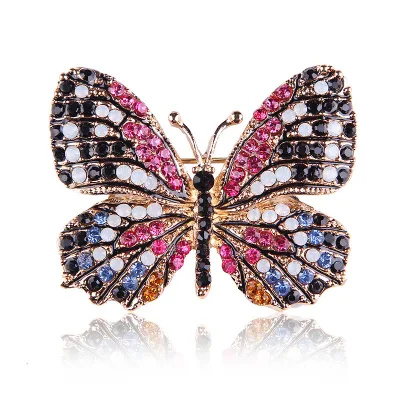


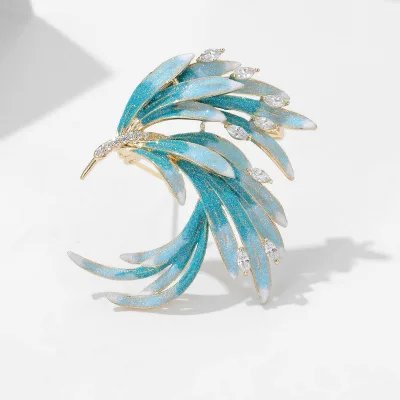
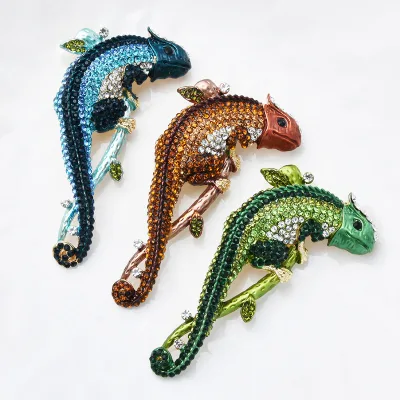
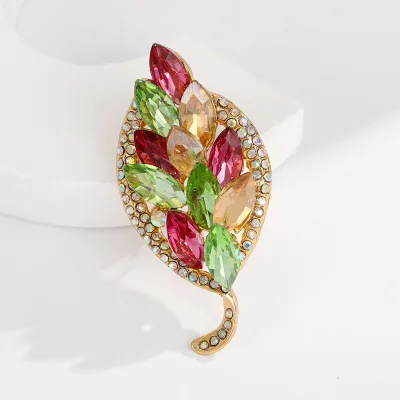
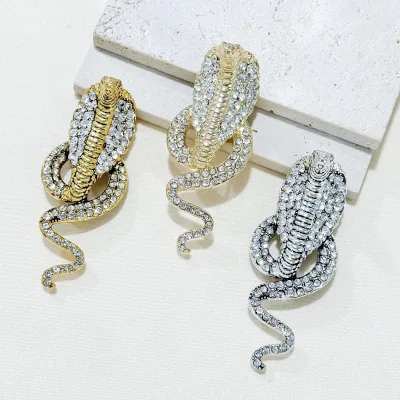
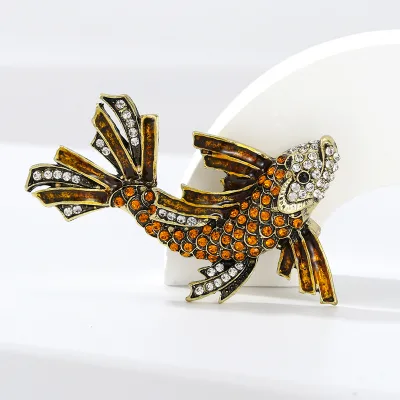
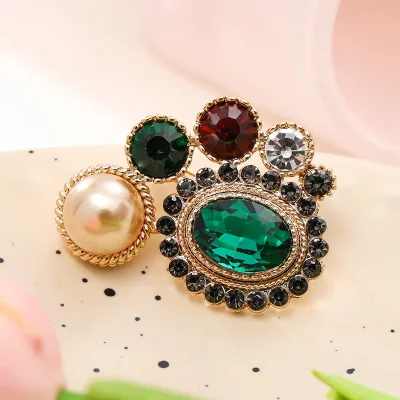


Comprehensive Sourcing Guide
China Brooch Sourcing Guide
Sourcing brooches from China requires a disciplined approach to verifying product attributes against actual manufacturing capabilities. Buyers must distinguish between generic alloy items and specialized crystal or plated designs, as the material composition significantly impacts both cost and durability. The observed market data indicates a wide range of styles, from casual and trendy designs to elegant and retro pieces, often featuring heart, flag, or flower shapes. Understanding these variations is critical for aligning supplier output with your brand’s aesthetic identity.
Procurement teams should prioritize suppliers who can demonstrate consistent quality across different plating types, such as silver, gold, or antique copper. The presence of customization options, including logo application and specific model numbers like VI24201 or Brooch-036L, suggests a flexible manufacturing environment. However, flexibility must be balanced with standardization to ensure that custom requests do not compromise structural integrity. Buyers need to confirm that the supplier’s production lines can handle the specific design complexity required for their target market without introducing variability in finish or shape.
Product Scope and Observed Listing Signals
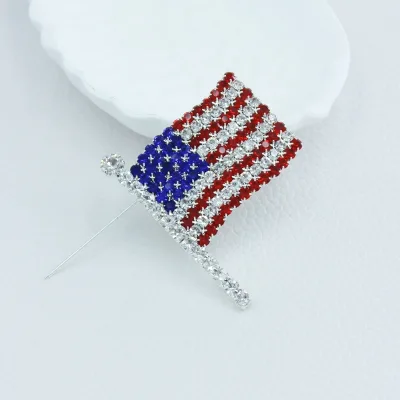
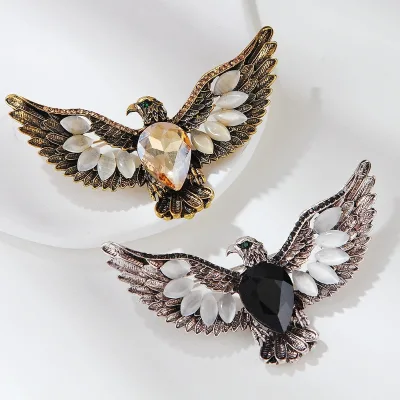
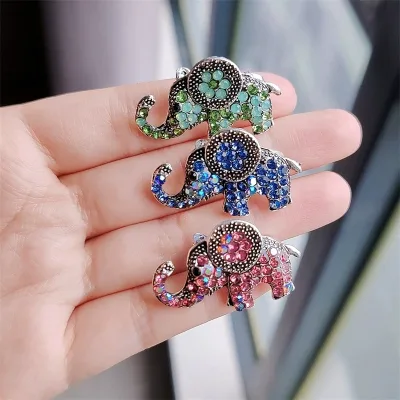
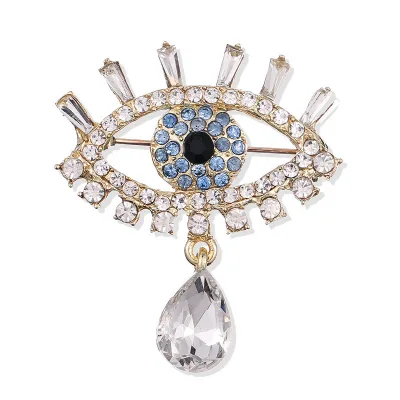
The product scope for Chinese brooches encompasses a diverse array of materials and designs, primarily centered around alloy bases with various plating finishes. Observed listings frequently feature colors such as red, blue, silver, gold, and multicolour options, often combined in specific patterns like gold plus blue or silver plus blue. Design elements include heart, flag, and flower shapes, catering to different demographic segments, including female and youth audiences. This variety allows buyers to select items that align with specific seasonal trends or permanent collection lines.
Listing signals also reveal distinct usage categories, primarily decoration, collection, and gifts, which influence packaging and presentation requirements. Many products are noted as having "Best" quality attributes and are available for OEM customization, indicating a market geared toward private label operations. The observed MOQ range spans from 6 to 50,000 pieces, with specific listings citing 500 or 1,000 pieces as minimums. Buyers must interpret these signals carefully, as low MOQs may indicate sample production or small-batch capabilities, while higher MOQs suggest mass production efficiency.
Technical Specifications to Verify
Buyers must rigorously verify technical specifications to ensure the final product matches the intended design and functional requirements. Key attributes include the specific alloy type, plating thickness, and the presence of any crystal components. For instance, listings specify materials like alloy and crystal, with plating options ranging from no plating to 14K gold plated or antique copper. Verifying the exact plating process is essential, as it affects the product’s resistance to tarnishing and its overall aesthetic appeal in the end-user’s hands.
Size and shape specifications are often listed as "Customized" or "as Photo," which necessitates detailed communication with the supplier. Standard packing dimensions, such as 38282 for single-piece packing, provide a baseline for logistics planning, but custom sizes may alter these metrics. Buyers should request physical samples to verify that the dimensions, weight, and structural stability meet their standards. Additionally, confirming the exact color codes and pattern details, such as "with Pattern" or specific multicolour combinations, prevents discrepancies between the digital design and the physical product.
Compliance and Safety Documentation
Compliance documentation is a critical aspect of sourcing brooches, particularly for markets with strict safety regulations. While specific certification statuses are not always explicitly listed in product data, buyers must request relevant safety documentation from suppliers. This includes material safety data sheets (MSDS) for the alloy and plating materials, ensuring that no harmful substances are present. The mention of REACH in low-confidence background data suggests that buyers should verify compliance with European chemical regulations if exporting to that region.
Safety standards for jewelry, especially items intended for youth or general wear, require attention to lead and nickel content. Buyers should insist on third-party testing reports that confirm the product meets applicable safety standards for heavy metals and skin contact. Documentation should also cover the durability of the plating, ensuring that it does not flake off and pose a choking hazard or skin irritation risk. Establishing a clear protocol for receiving and reviewing these documents before placing bulk orders is essential for mitigating legal and reputational risks.
Cost Drivers and Commercial Terms
Cost drivers for Chinese brooches are primarily influenced by material quality, plating complexity, and customization levels. The observed price range of $0.06 to $14 per unit reflects the significant variation in product sophistication. Basic alloy brooches with simple designs and no plating will be at the lower end, while items with 14K gold plating, crystal inlays, or intricate custom logos will command higher prices. Buyers must understand that the unit price is not the only cost factor; shipping, duties, and potential quality control costs also impact the total landed cost.
Commercial terms, including MOQ and payment structures, vary significantly across suppliers. Observed MOQs range from 6 to 50,000 pieces, with specific listings indicating 500 or 1,000 pieces. Negotiating these terms requires a clear understanding of the supplier’s production capacity and inventory levels. Buyers should also clarify the payment terms, such as whether deposits are required and when the balance is due. Transparent communication about these commercial aspects helps in building a sustainable partnership and avoiding unexpected financial burdens.
Supplier Qualification and Quality Control
Qualifying suppliers involves assessing their manufacturing capabilities, quality control processes, and responsiveness to buyer needs. Buyers should request detailed information about the supplier’s production lines, including the types of equipment used for plating and assembly. Verifying the supplier’s experience with similar products, such as crystal brooches or specific alloy types, ensures that they have the technical expertise to meet your requirements. Additionally, evaluating the supplier’s ability to handle custom designs, including logo application and specific shape modifications, is crucial for private label operations.
Quality control protocols should be established before production begins, including pre-production sample approval and in-line inspection. Buyers should define clear acceptance criteria for defects, such as plating imperfections, shape inconsistencies, or color mismatches. Implementing a third-party inspection service can provide an additional layer of assurance, especially for large orders. Regular communication with the supplier during the production process helps in identifying and addressing potential issues early, ensuring that the final product meets the agreed-upon standards.
Long-Term Procurement Checks
Long-term procurement success depends on maintaining consistent quality and reliable supply chains. Buyers should establish regular performance reviews with suppliers, tracking metrics such as on-time delivery, defect rates, and responsiveness to issues. Building a relationship based on mutual trust and transparency helps in navigating challenges and adapting to market changes. Additionally, diversifying the supplier base can mitigate risks associated with single-source dependencies, ensuring that production continuity is maintained even if one supplier faces disruptions.
Continuous improvement initiatives should be part of the long-term strategy, involving periodic updates to product specifications and quality standards. Buyers should stay informed about industry trends and regulatory changes that may impact product requirements. Engaging in collaborative development with suppliers can lead to innovative product designs and cost efficiencies. By focusing on these long-term checks, buyers can secure a stable and high-quality supply of brooches that meet their market demands and brand standards.
FAQs
What materials are commonly used for China Brooch products?
China Brooch products are frequently crafted from alloy or crystal materials. These base materials support various plating options, including silver, gold, and antique copper finishes. Buyers should verify the specific material composition for each item to ensure it meets their quality and durability requirements for their intended use.
Can buyers request custom designs and logos for China Brooch orders?
Yes, customization is available for China Brooch products. Suppliers can accommodate custom logos and specific design requests, often based on provided photos or detailed specifications. This flexibility allows buyers to create unique items for branding or special collections, though minimum order quantities may apply to custom production runs.
What is the typical minimum order quantity for China Brooch?
Minimum order quantities for China Brooch vary by supplier and product type. Observed MOQs range from 6 to 50,000 pieces, with specific items listing requirements of 500 or 1,000 pieces. Buyers should confirm the exact MOQ for their desired style and customization level before placing an order to ensure feasibility.
Which plating options are available for China Brooch items?
Available plating options for China Brooch include silver, gold, 14K gold, and antique copper. Some products may also be offered with no plating. The choice of plating affects the aesthetic and durability of the brooch, so buyers should select a finish that aligns with their product positioning and customer preferences.
How is China Brooch typically packaged for shipping?
China Brooch items are often packaged in individual bags, with larger quantities packed in cartons. A common standard is one piece per bag and 500 pieces per carton. Specific packing dimensions may vary, such as 38*28*2 cm for single-piece packing. Buyers should verify packaging details to ensure safe transit and efficient storage.
What styles and designs are available for China Brooch?
China Brooch designs include heart, flag, and flower shapes, with styles ranging from casual and trendy to retro and elegant. Colors vary widely, including red, blue, gold, silver, and multicolour options. This diversity allows buyers to select items that match specific fashion trends or thematic requirements for their target audience.
Where are China Brooch products typically manufactured?
China Brooch products are primarily manufactured in China, with specific origins noted in Ningbo. This location is a known hub for accessory production. Buyers can expect a range of manufacturing capabilities and quality control standards from suppliers in this region, supporting both standard and customized production needs.