Source China Leather Hand Bag for Fashion, Daily Use, and Mini Bags
Source China Leather Hand Bag options from verified manufacturers. Compare 30 listings featuring PU, canvas, and mixed materials. Evaluate models like PB003 and B999000337 for custom OEM needs, varying sizes, and specific origin locations in China; compare the available evidence and request quotations based on your requirements.
Updated
Key considerations
Products List


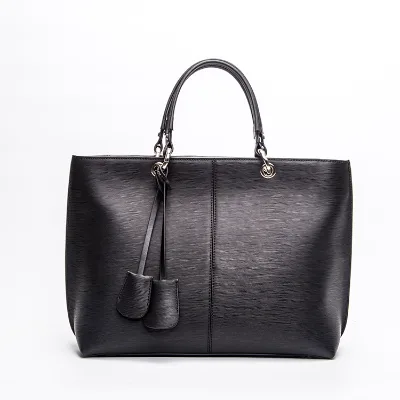

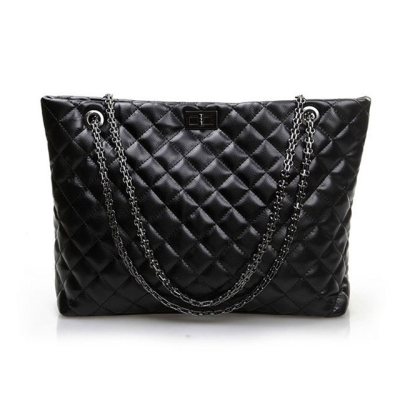






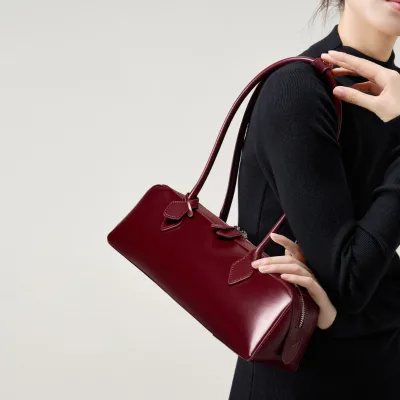
Comprehensive Sourcing Guide
China Leather Hand Bag Sourcing Guide
Buyers evaluating the China Leather Hand Bag market must first distinguish between genuine leather and synthetic alternatives like PU or canvas, as product listings often vary significantly in material composition. The observed data indicates a mix of PU and canvas materials, with some items featuring nylon or polyester linings, suggesting that "leather" in listings may refer to texture rather than composition. Procurement teams should verify the specific material claims against physical samples to ensure the product matches the intended brand positioning and durability requirements.
Commercial listings frequently highlight customization options, including color variations such as black, brown, beige, and custom shades, alongside style preferences like European or fashion-forward designs. However, the presence of specific model numbers and varying origin locations, from Guangzhou to Hebei, implies a fragmented supply chain where consistency can be challenging. Buyers must establish clear communication channels to confirm that the specific model selected aligns with the desired aesthetic and functional attributes before committing to large orders.
Product Scope and Observed Listing Signals
The product scope for these handbags encompasses a wide range of styles, from square mini bags to larger daily-use models, with sizes varying from XS to L dimensions. Listings show diverse closure types, often open designs, and specific features like handheld lifting types or shoulder straps made from cortex or PU materials. This variety allows buyers to source products for different market segments, but it requires careful filtering to identify items that meet specific size and structural requirements for their target demographic.
Observed listing signals reveal that packaging standards are not uniform, ranging from single poly bags to customized carton solutions, which impacts logistics planning. While some products list a standard of one piece per unit, others indicate customized packing standards, necessitating a review of the supplier's packaging capabilities to prevent damage during transit. Buyers should also note that color options often include specific shades like camel or dark brown, but custom color requests are frequently available, requiring early coordination with the manufacturer.
Technical Specifications to Verify
Technical verification must begin with the internal construction, as observed data lists inside materials ranging from nylon to polyester and polyester-cotton blends. These lining materials directly influence the bag's durability, weight, and resistance to wear, making them critical factors for quality assessment. Procurement teams should request detailed material specifications for the lining to ensure it meets the functional needs of the end-user, particularly regarding comfort and longevity in daily use scenarios.
Dimensional accuracy and structural integrity are equally vital, with observed sizes including specific measurements like 1429.5cm and general size categories like L or XS. Buyers must verify that the listed dimensions match the physical product, as discrepancies can lead to customer dissatisfaction and returns. Additionally, the hardness rating, noted as medium soft in some listings, should be confirmed to ensure the bag maintains its shape while offering the desired flexibility for the intended fashion style.
Compliance and Safety Documentation
While specific certification data is limited in the provided context, buyers should proactively request documentation regarding chemical safety and material compliance, especially for products intended for export to regulated markets. The mention of OEKO-TEX in background notes suggests that some suppliers may adhere to standards for harmful substance reduction, but this cannot be assumed without explicit verification. Procurement teams must ask for test reports confirming that the PU, canvas, and lining materials are free from prohibited substances to mitigate regulatory risks.
Safety documentation should also cover the structural integrity of the bag, ensuring that straps and closures can withstand the intended load without failure. Although specific test results are not provided in the current data, buyers should require evidence that the shoulder strap materials and hardware meet safety thresholds for daily use. Establishing a clear requirement for safety compliance in the initial inquiry helps filter out suppliers who cannot provide necessary documentation, protecting the brand from potential liability issues.
Cost Drivers and Commercial Terms
Cost drivers in this sector are heavily influenced by material selection, with PU and canvas generally offering different price points compared to genuine leather alternatives. The observed price range of 0.41 to 50 USD reflects this variability, but buyers must understand that lower prices often correlate with simpler construction or lower-grade materials. It is essential to analyze the cost breakdown to ensure that the quoted price includes all necessary components, such as custom hardware or specialized linings, without hidden fees.
Commercial terms regarding Minimum Order Quantity (MOQ) and lead times are critical for supply chain planning, with observed MOQs ranging from 2 to 1000 pieces and production times averaging around 35 days. Sample times are typically estimated at 7 to 15 days, which can impact the overall timeline for product launch. Buyers should negotiate these terms based on their volume requirements, ensuring that the supplier can meet the production schedule without compromising quality or incurring rush charges.
Supplier Qualification and Quality Control
Supplier qualification requires a thorough assessment of their manufacturing capabilities, particularly their ability to handle customization requests for colors, sizes, and packaging. The data indicates that many suppliers offer OEM services and custom packing solutions, but the origin locations vary from Guangzhou to Hebei, suggesting differences in logistical efficiency and quality control standards. Buyers should verify the supplier's track record in handling similar customization projects to ensure they can deliver consistent results across large batches.
Quality control protocols must be established early, focusing on the consistency of materials like PU and canvas, as well as the precision of stitching and assembly. Given the observed variation in product models and specifications, a robust inspection plan is necessary to catch defects before shipment. Buyers should consider implementing third-party inspections during production and pre-shipment to verify that the final products match the approved samples and meet the agreed-upon technical specifications.
Long-Term Procurement Checks
Long-term procurement success depends on maintaining a stable relationship with suppliers who can consistently deliver high-quality products over time. Buyers should regularly review supplier performance metrics, including adherence to lead times, quality consistency, and responsiveness to customization requests. Establishing a clear feedback loop allows for continuous improvement and helps identify any potential issues before they escalate into significant supply chain disruptions.
It is also crucial to monitor market trends and material availability to ensure that the sourcing strategy remains competitive and adaptable. As the fashion industry evolves, buyers must stay informed about changes in material preferences and design trends to keep their product offerings relevant. Regular audits and strategic reviews of the supplier base will help maintain a resilient supply chain capable of meeting future demands and adapting to market shifts effectively.
FAQs
What materials are used for china leather hand bags?
The bags are primarily constructed from PU and Canvas materials. The interior lining utilizes Nylon or Polyester, with some variants featuring a Polyester-Cotton blend. These material choices provide durability and a soft texture suitable for daily fashion use, ensuring the product meets standard quality expectations for consumer goods.
Can I customize the color and design of these bags?
Yes, customization is available for both color and design. Buyers can select from standard options like Black, Brown, White, or Camel, or request custom colors. The design supports European style and horizontal square shapes, allowing for tailored aesthetics that align with specific brand identities or target market preferences effectively.
What is the typical production time for these orders?
The standard production time is approximately 35 days. Sample preparation takes about 7 to 15 days. These timelines apply to bulk orders and allow for quality checks. Buyers should plan their inventory accordingly to ensure timely delivery, considering the manufacturing schedule and potential logistical transit times from the origin.
What is the minimum order quantity for these products?
The minimum order quantity is typically 100 pieces. However, observed listings show a range from 2 to 1000 units depending on the specific supplier and product model. Buyers should verify the exact MOQ with their chosen vendor, as some may offer lower quantities for samples or specific promotional items.
Where are these handbags manufactured and shipped from?
These products originate from China, with specific manufacturing locations including Guangzhou and Hebei. The goods are packed in poly bags or PP bags within cartons. Buyers can expect shipping from these Chinese hubs, which are known for their robust manufacturing infrastructure and efficient export logistics for fashion accessories.
Are these bags waterproof or suitable for outdoor use?
No, these bags are classified as non-waterproof. They are designed for daily fashion use rather than harsh weather conditions. The PU and Canvas materials provide style and durability but do not offer water resistance. Buyers should avoid exposing them to heavy rain to maintain the product's appearance and structural integrity.