Source China Mainland Ferrosilicon for Steelmaking and Metallurgy
Find 30 listings for China Mainland Ferrosilicon from Henan, China. Compare FeSi70, FeSi72, and FeSi75 grades in lump form, available in 10-100mm sizes with ton bag packaging for steelmaking and metallurgy applications; compare the available evidence and request quotations based on your requirements.
Updated
Key considerations
Products List
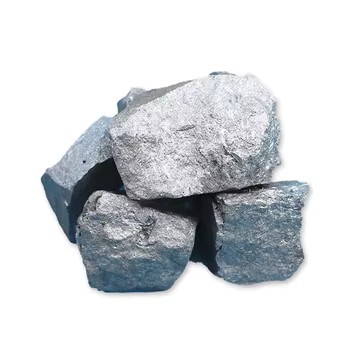
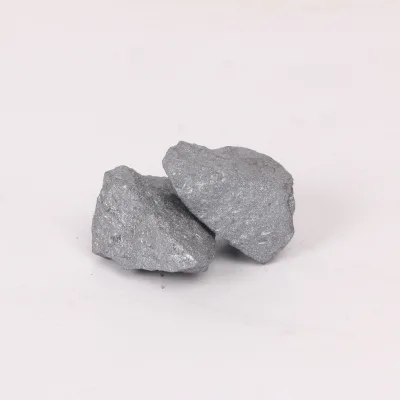
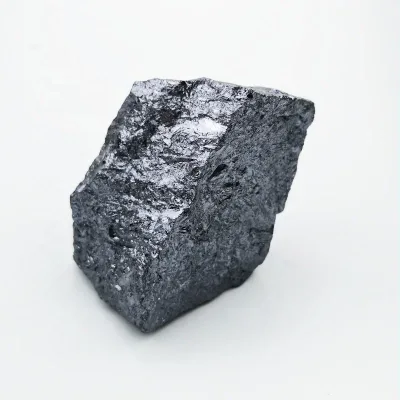
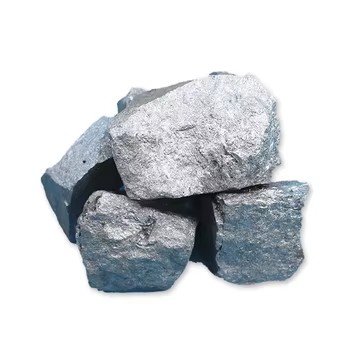
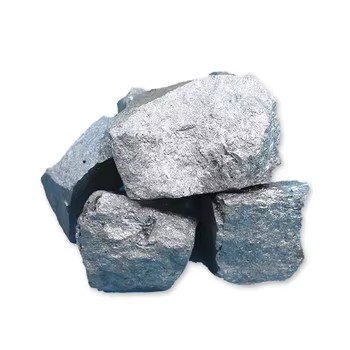


China Factory Direct Sale Ferro Silicon 70%-75% for Iron Casting Ferrosilicon
$1180.00 - $1200.00
MOQ: 27 Tons


Ferrosilicon 72 From Inner Mongolia Hot Selling Ferro Alloy Ferro Silicon
$1050.00 - $1150.00
MOQ: 25 Tons


Hot Sell Ferrosilicon72 / Ferro Silicon 65 / Ferrosilicon in Inner Mongolia
$1200.00 - $1500.00
MOQ: 25 Tons
Comprehensive Sourcing Guide
China Mainland Ferrosilicon Sourcing Guide
Sourcing ferrosilicon from China Mainland requires a disciplined approach to verifying supplier capabilities and product consistency. The observed market data indicates a high-confidence origin in Henan, China, with major brands such as Rongheng actively participating in the global supply chain. Buyers must navigate a wide range of model numbers, including FeSi70, FeSi72, FeSi75, and lower grades like FeSi45 and FeSi65, to match specific metallurgical needs. The product is primarily available in lump form with particle sizes ranging from 10-100mm, though customization is often available upon client request. Understanding these variations is critical for ensuring the material meets the precise chemical and physical requirements of your steelmaking or casting operations.
Commercial terms and minimum order quantities (MOQs) vary significantly across listings, reflecting the fragmented nature of the supplier base. Observed MOQs range from as low as 1 ton to as high as 27 tons, with some suppliers specifying 25 tons as a standard threshold. Pricing in the observed data spans from $730 to $1500 USD, suggesting that factors such as silicon content, purity, and packaging type heavily influence the final cost. Payment terms typically include T/T and L/C at sight, providing flexibility for international transactions. Buyers should carefully evaluate these commercial signals to align their procurement volume with supplier capacity and financial terms, ensuring a smooth transaction process from inquiry to delivery.
Product Scope and Observed Listing Signals
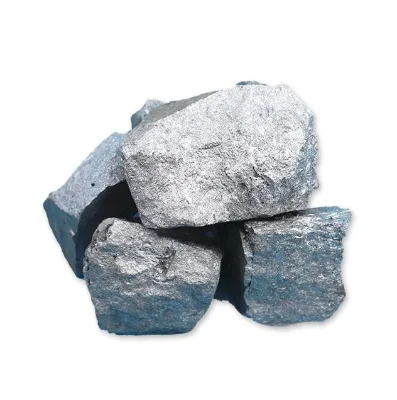
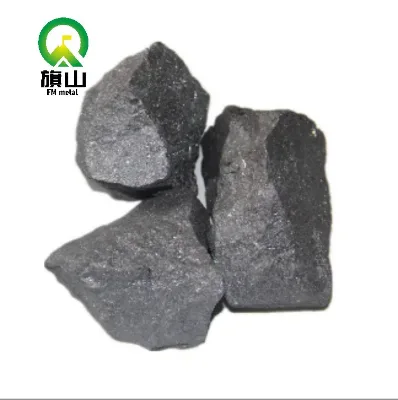
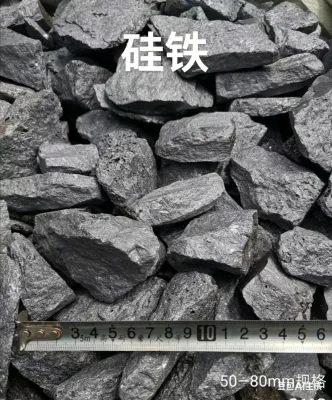
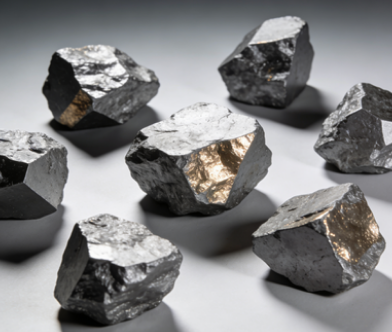
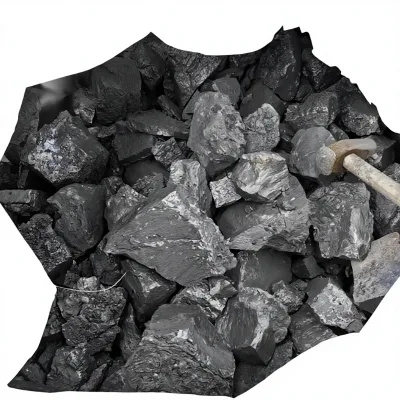
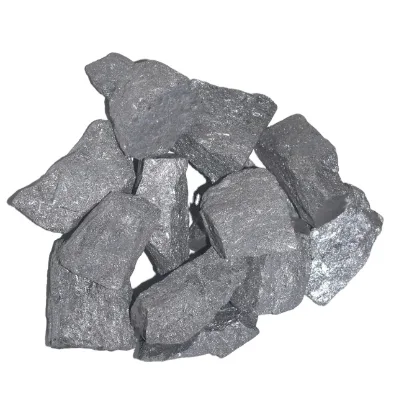
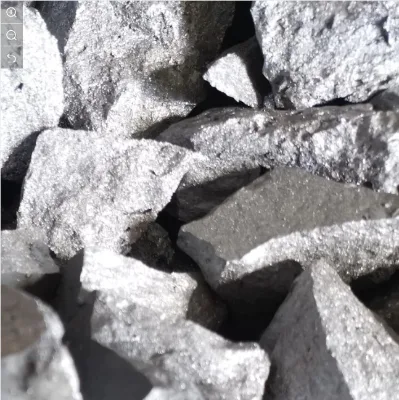
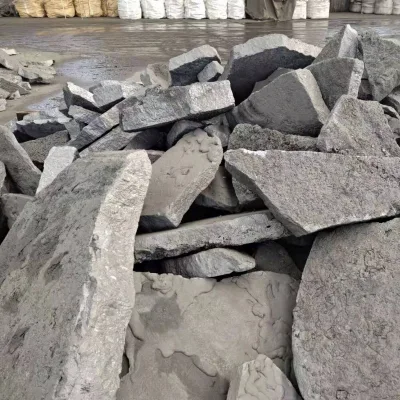
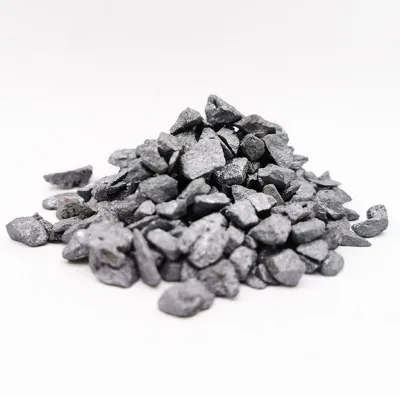
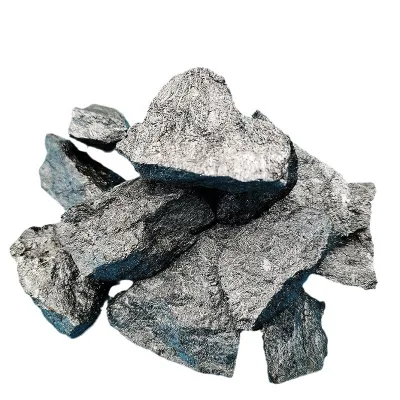
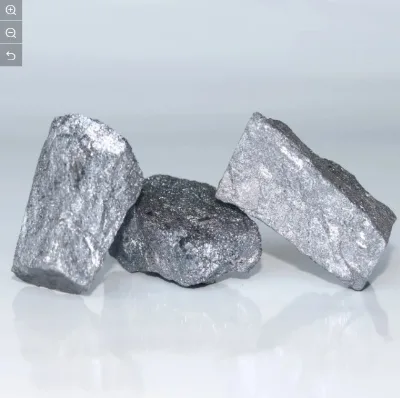
The product scope for China Mainland Ferrosilicon is defined by its role as a casting deoxidizer and alloying agent in steelmaking and metallurgy. Listings consistently highlight the material’s gray or silver-gray color and its composition of iron and silicon, with additional elements like carbon, sulfur, and phosphorus being key quality indicators. The primary application is in steelmaking, where it serves to deoxidize molten steel and improve mechanical properties. Some listings also mention its use in metallurgy more broadly, indicating its versatility in various industrial processes. The product is sold as a single item, often packaged in durable ton bags or jumbo bags, which are standard for bulk industrial materials.
Observed listing signals reveal a diverse range of specifications, with model numbers such as 72/75, 72, and 75/72/65 appearing frequently. This variety suggests that suppliers offer multiple grades to cater to different customer requirements, from high-silicon content for specialized alloys to lower grades for general deoxidation. The chemical composition is often listed as Si/Al/C/S/P, indicating the presence of trace elements that can affect the final product quality. Buyers should pay close attention to these details, as they directly impact the performance of the ferrosilicon in their specific application. The availability of free samples and customization options further supports the need for thorough evaluation before committing to large orders.
Technical Specifications to Verify
Verifying technical specifications is paramount when sourcing ferrosilicon, as the silicon content directly influences its effectiveness as a deoxidizer. Buyers should confirm the exact grade, such as FeSi70, FeSi72, or FeSi75, and ensure that the silicon percentage aligns with their process requirements. The particle size, typically ranging from 10-100mm, should be verified to ensure it is suitable for your charging practices. Additionally, the carbon content, often described as low carbon in some listings, is a critical factor for certain steel grades. Suppliers may offer customization, but buyers must clearly specify their requirements to avoid receiving material that does not meet their technical standards.
Chemical composition analysis is another vital verification step. The presence of elements like aluminum, carbon, sulfur, and phosphorus can affect the quality of the final steel product. Buyers should request detailed chemical analysis reports to ensure that impurity levels are within acceptable limits. The material’s shape, described as lump, should also be confirmed, as this affects handling and melting efficiency. Furthermore, the alloy specification as a casting deoxidizer should be validated to ensure it meets industry standards for its intended use. By meticulously verifying these technical specifications, buyers can mitigate the risk of receiving substandard material that could compromise their production processes.
Compliance and Safety Documentation
Compliance and safety documentation are essential for ensuring that the sourced ferrosilicon meets international standards and regulatory requirements. Buyers should request certificates of analysis (COA) that detail the chemical composition and physical properties of the material. These documents provide evidence that the product meets the specified grade and purity levels. Additionally, safety data sheets (SDS) should be obtained to understand the handling, storage, and disposal requirements for the material. Ferrosilicon can be reactive, so proper safety measures are crucial to prevent accidents during transportation and use.
Quality standards, such as those indicated by prod_standard values like 75% or Fesi 45%, should be clearly documented and verified. Buyers should ensure that the supplier adheres to recognized industry standards for ferrosilicon production and testing. This includes verifying that the material has undergone appropriate quality control checks before shipment. Documentation should also include information on the packaging, such as the use of durable ton bags or jumbo bags, to ensure the material remains protected during transit. By maintaining a comprehensive set of compliance and safety documents, buyers can ensure that their procurement process is transparent, reliable, and aligned with best practices.
Cost Drivers and Commercial Terms
Cost drivers for China Mainland Ferrosilicon include the silicon content, purity, and packaging type, all of which influence the final price. Higher silicon grades, such as FeSi75, typically command a premium compared to lower grades like FeSi45. The observed price range of $730 to $1500 USD reflects these variations, with additional costs potentially arising from customization or specific packaging requirements. Buyers should consider the total cost of ownership, including transportation and handling, when evaluating supplier quotes. The MOQ, which can range from 1 ton to 27 tons, also plays a significant role in determining the unit price, with larger orders often benefiting from economies of scale.
Commercial terms, including payment methods and lead times, are critical components of the procurement process. T/T and L/C at sight are common payment options, offering flexibility and security for both buyers and suppliers. Buyers should negotiate clear terms regarding delivery schedules and incoterms to avoid unexpected costs or delays. The availability of free samples allows buyers to test the material before committing to a large order, reducing the risk of receiving substandard product. By carefully evaluating these cost drivers and commercial terms, buyers can optimize their procurement strategy and achieve better value for their investment.
Supplier Qualification and Quality Control
Supplier qualification is a critical step in ensuring the reliability and consistency of the ferrosilicon supply. Buyers should verify the supplier’s production capabilities, including their facility location in Henan, China, and their ability to meet specific grade requirements. Brand names such as Rongheng indicate established players in the market, but buyers should still conduct due diligence to assess their reputation and track record. Quality control processes, including chemical analysis and physical testing, should be clearly defined and documented. Buyers should request evidence of these processes, such as test reports or certification records, to ensure that the supplier maintains high standards.
Ongoing quality control is essential for maintaining consistent product quality over time. Buyers should establish clear communication channels with their suppliers to address any issues that may arise during production or delivery. Regular audits or inspections of the supplier’s facilities can provide additional assurance of their quality management systems. The use of durable packaging, such as ton bags or jumbo bags, should be verified to ensure that the material remains protected during transit. By prioritizing supplier qualification and quality control, buyers can build a reliable supply chain that supports their production needs and minimizes the risk of disruptions.
Long-Term Procurement Checks
Long-term procurement checks involve continuous monitoring of supplier performance and market conditions to ensure sustained value and reliability. Buyers should regularly review supplier performance metrics, such as on-time delivery rates, product quality consistency, and responsiveness to issues. This ongoing evaluation helps identify potential problems early and allows for proactive management of the supply chain. Market monitoring is also crucial, as fluctuations in raw material costs and demand can impact pricing and availability. By staying informed about market trends, buyers can make informed decisions about when to purchase and how to negotiate favorable terms.
Building strong relationships with suppliers is key to long-term success. Buyers should engage in regular communication with their suppliers to discuss future needs, potential improvements, and any changes in requirements. This collaborative approach can lead to better pricing, improved service, and greater flexibility in meeting changing market demands. Additionally, buyers should periodically reassess their supplier base to ensure they are not overly reliant on a single source. Diversifying suppliers can mitigate risk and provide greater resilience in the face of supply chain disruptions. By implementing these long-term procurement checks, buyers can secure a stable and cost-effective supply of ferrosilicon for their operations.
FAQs
What are the available chemical compositions for Rongheng ferrosilicon?
The available chemical compositions include silicon, aluminum, carbon, sulfur, and phosphorus, as well as iron and silicon. These elements define the alloy's purity and performance characteristics for steelmaking applications. The product is available in FeSi70, FeSi72, and FeSi75 grades, ensuring suitability for various metallurgical processes and casting deoxidizer requirements.
What is the minimum order quantity for this ferrosilicon product?
The minimum order quantity varies between one ton and twenty-five tons depending on the specific supplier listing. Buyers can find options starting from a single ton for smaller requirements or bulk orders of twenty-five tons for larger industrial needs. This flexibility allows purchasers to align their procurement strategy with their immediate production volume and storage capacity.
How is the ferrosilicon packaged for safe transportation?
The ferrosilicon is packaged in durable ton bags, jumbo bags, or polypropylene bags with a capacity of one metric ton. This packaging ensures the material remains protected during transit and storage. The lump shape and size range of ten to one hundred millimeters are maintained within these sturdy containers to prevent damage and facilitate easy handling at the destination.
Where is this ferrosilicon manufactured and shipped from?
This ferrosilicon is manufactured and shipped from Henan, China. The product originates from this specific region, ensuring traceability and consistent quality standards associated with Chinese metallurgical production. Buyers sourcing from this location benefit from established supply chains and logistical routes that support efficient delivery to international destinations for steelmaking and metallurgical applications.
What payment terms are accepted for purchasing this alloy?
Accepted payment terms include Telegraphic Transfer and Letter of Credit at Sight. These standard financial instruments provide security for both buyers and sellers during the transaction process. The flexibility of these payment methods accommodates various international trade practices, ensuring smooth financial settlement for orders ranging from small samples to large bulk shipments of ferrosilicon.
What is the physical appearance and size of the ferrosilicon?
The ferrosilicon appears in gray or silver gray colors and is available in a lump shape. The standard particle size ranges from ten to one hundred millimeters, though custom sizes upon client request are also available. This physical form is ideal for use as a casting deoxidizer in steelmaking, allowing for efficient integration into metallurgical processes.