Anti Corrosion Magnesium Calcium Alloy Suppliers and Manufacturers
Find 14 verified suppliers offering Anti Corrosion Magnesium Calcium Alloy with varying lead times, response speeds, and certifications. Compare locations in Jiangxi, Shanxi, and Henan alongside product specifications and pricing before requesting quotes; review the available evidence before requesting comparable quotations from suitable candidates.
Suppliers List
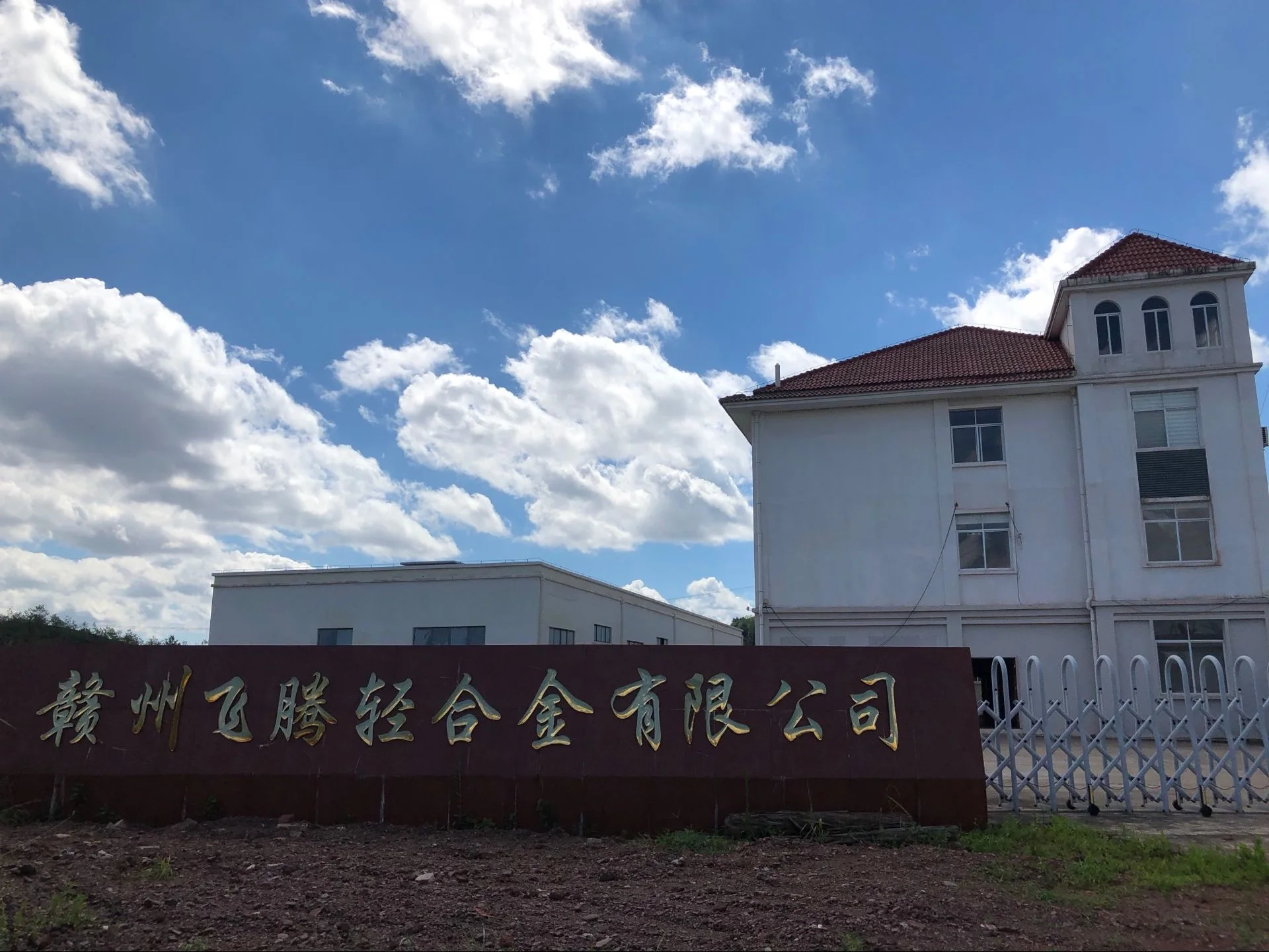
Ganzhou Feiteng Light Alloy Co., Ltd.
- Manufacturer, Trading Company
- Jiangxi, China
- Lead time20 days
- Avg. response≤ 4h
Main productsYttrium Metal,Gadolinium Metal,Erbium Metal,Rear Earth Magnesium Master Alloy,Yttrium Aluminum Alloy
Main marketsEastern Europe(30.0%), Northern Europe(20.0%), Eastern Asia(20.0%), North America(20.0%), Western Europe(10.0%)

Shanxi Jinshengyuan New Material Co., Ltd.
- Verified by SGS
- Combined
- China Shanxi
- Lead time15 days
- Avg. response≤ 25h
Main productsMagnesium Ingot, Silicon Metal, Refining Flux, Metallic Addition, Refining Flux for Aluminium Alloy, Refining Flux for Magnesium Alloy, Ash Burning Flux, Mg Remover
Main marketsSoutheast Asia/ Mideast


High Purity Magnesium Ingot for Manufacturing Magnesium Alloy and Magnesium Aluminum Alloy
$2250.00 - $2300.00
Moq: 5


- Verified by BV
- Trading Company,Manufacturer/Factory
- China Henan
- Lead time38 days
- Avg. response≤ 6h
Main productsMagnesium Forged Wheel, Magnesium Heatsink, Magnesium Welding Wire, Cathodic Protection, Magnesium Die Casting, Magnesium Anode Rod for Water Heater, Magnesium Plate
Main marketsSouth America,Eastern Europe,North America,Southeast Asia,Western Europe

Anyang Yitong Metallurgy Refractory Co., Ltd.
- Combined
- China Henan
- Lead time23 days
- Avg. response≤ 2h
Main productsSilicon Metal, Silicon Metal Powder, Silicon Metal Slag, Silicon Briquette, Silicon Carbon Alloy, Magnesium Ingots, Al-Sr, Al-Ti-B
Main marketsAfrica,Southeast Asia/ Mideast,East Asia(Japan/ South Korea),Domestic,Europe,Australia,North America

Wrought Magnesium Alloy 999 Magnesium Ingot for Manufacturing Magnesium Aluminum Alloy
$300.00 - $1000.00
Moq: 5

Magnesium Alloy 999 Ingot Magnesium Metal Extrusion Ingot 99.99% for Aluminum Alloy
$300.00 - $1000.00
Moq: 5


Sell High Purity Magnesium Ingot at a Low Price for Manufacturing Magnesium Alloy
$300.00 - $1000.00
Moq: 5

Industrial Grade 99.99% 99.95% 99.9% Magnesium Alloy Metal Ingot for Magnesium Aluminum Alloy
$300.00 - $1000.00
Moq: 5


HENAN CHALCO ALUMINUM INDUSTRIAL CO.,LTD
- Verified by BV
- Trading Company,Manufacturer/Factory
- China Henan
- Lead time23 days
- Avg. response≤ 12h
Main productsAluminum Forgings, Industrial Aluminum Profile, Precision Aluminum Plate/Sheet, Aluminum Coil/Strip, Aluminum Flat Bar/Busbar, Aluminum Foil, Aluminum Wire, Aluminum Sublimation Sheet, Cladding/Brazing Aluminium Sheet Coil/Strip, Color Coated Aluminium Sheet/Strip/Coil
Main marketsSouth America,Eastern Europe,Mid East,North America,Southeast Asia,Eastern Asia,Oceania,Western Europe,Africa
Xi'an Howah Industry Technology Co., Ltd.
- Trading Company
- Shaanxi, China
- Lead time5 days
- Avg. response≤ 5h
Main productsMagnesium Anode,Aluminum Anode,Zinc Anode,MMO impressed Current Anode,High Silicon Cast Iron Anode
Main marketsMid East(51.0%), Southeast Asia(9.0%), Central America(8.5%), Southern Europe(6.0%), South Asia(5.6%), Western Europe(5.0%), Northern Europe(4.4%), Africa(4.0%), South America(2.5%), Eastern Europe(2.0%), North America(2.0%)

Tianjin Yitejia Steel Sales Co., Ltd.
- Verified by SGS
- Trading Company
- China Tianjin
- Lead time15 days
- Avg. response≤ 9h
Main productsStainless Steel Plate, Steel Plate, Alloy Steel, Aluminum Alloy, Copper Alloy, Galvanized Steel Plate, Inconel Material, Copper Tube, Stainless Steel Bar, Stainless Steel Pipe
Main marketsSouth America,Africa,Southeast Asia/ Mideast,Europe,North America

Zhangjiagang Shenggang Enviroment Fire-Proof Construction Material Co., Ltd.
- Verified by SGS
- Combined
- China Jiangsu
- Lead time15 days
- Avg. response≤ 25h
Main productsFireproof Board, MGO Board, Magnesuim Board, Ceiling, Partition Board, Glass Magnesia Board, Wall Panel
Main marketsSouth America,Africa,Southeast Asia/ Mideast,East Asia(Japan/ South Korea),Domestic,Europe,North America


Contact supplier

- Trading Company,Manufacturer/Factory,Other
- China Jiangsu
- Lead time23 days
- Avg. response≤ 5h
Main productsMineral Insulated Cable, Thermocouple Wire, Extension Wire, Ceramic Tube, Thermocouple Head, Thermocouple Cable, Thermocouple, Thermocouple Connector, Bare Wire, Pure Nickel
Main marketsSouth America,Eastern Europe,Mid East,North America,Southeast Asia,Western Europe
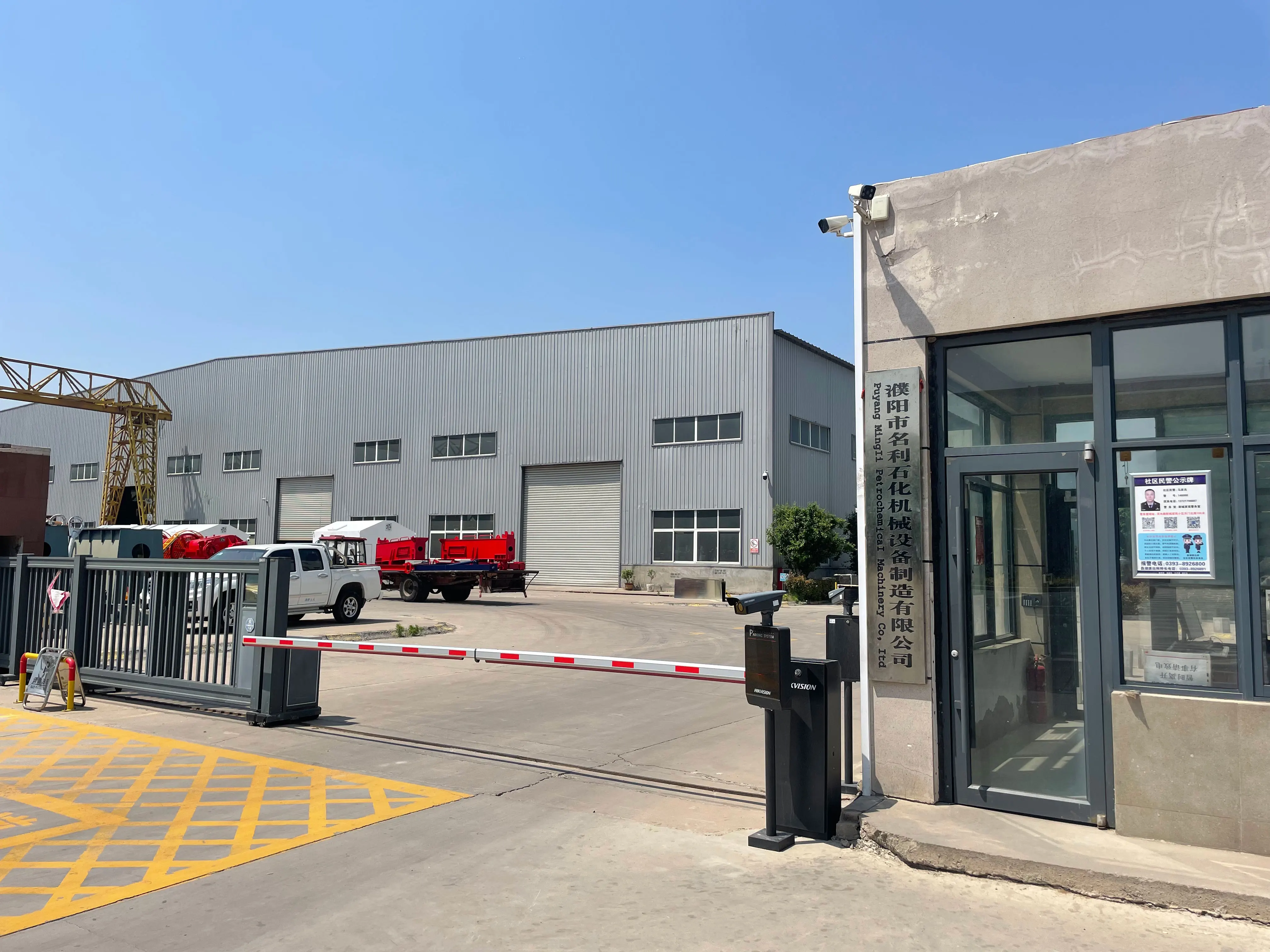
Puyang Mingli Petrochemical Machinery Manufacturing Co., Ltd.
- Manufacturer, Trading Company
- Henan, China
- Lead time30 days
- Avg. response≤ 13h
Main productsMagnesium Ingot Chip Cutter,Metal Calcium Chip Cutter,Magnesium Alloy Chip Cutter,Aluminium inot chip cutter,Magnalium alloy powder machine
Main marketsNorth America(18.5%), South Asia(16.8%), Southeast Asia(16.6%), Eastern Europe(16.5%), South America(16.2%), Mid East(15.4%)

Inner Mongolia Pusheng Iron &Steel Co., Ltd.
- Verified by SGS
- Trading Company,Manufacturer/Factory
- China InnerMongolia
- Lead time15 days
- Avg. response≤ 8h
Main productsFerromanganese, Ferrochrome, Ferrosilicon, Manganese Lump, Silicon Metal, Ferromolybdenum, Ferrotitanium, Ferrotungsten
Main marketsSouth America,Eastern Europe,Mid East,North America,Southeast Asia,Eastern Asia,Oceania,Western Europe,Africa

Calcium Silicon Alloy Ca30si60 Silicon Calcium Magnesium Potassium Wholesale Price
$1180.00 - $1680.00
Moq: 25


Hubei Sansheng Knife Saw Co., Ltd.
- Manufacturer
- China Hubei
- Lead time23 days
- Avg. response≤ 4h
Main productsBand Saw Blade, Timber Log Wood Cutting Woodwork Band Saw Blade, Marble Graphite Cutting Diamond Band Saw Blade, Tungsten Carbide Tips Band Saw Blade, Leather EVA Sheet Sponge Cut Band Knife Blade, Paper Foam Fabric Cut Band Knife Blade, Butcher Splitting Meat Bone Cut Band Saw Blade, Coil Steel Strip Strip Steel, Hardened and Tempered Steel Strip Strip Steel, All Kinds of Band Saw Blades for Band Saw
Main marketsSoutheast Asia/ Mideast,Domestic,Europe


Corrosion Resistant: Alloy Composition Protects Against Rust and Surface Damage.
$5.99 - $7.99
Moq: 10

Gansu Mingruige Trading Co., Ltd.
- Trading Company,Manufacturer/Factory
- China Gansu
- Lead time23 days
- Avg. response≤ 19h
Main productsFerro Silicon, Rare Ferro Silicon Magnesium, Semi Coke, Metallurgical Coke/Foundry Coke, Natural Graphite, Carburizer, Silicon Slag, Silicon Metal, Microsilica/Silica Fume, Silicon Carbide
Main marketsSouth America,Mid East,North America,Southeast Asia,Eastern Asia,Western Europe,Africa

Dalian LS International Trading Company Limited
- Trading Company,Manufacturer/Factory
- China Liaoning
- Lead time0 days
- Avg. response≤ 25h
Main productsSilicon Carbide, High Purity Iron, Fused Alumina, Graphite Electrode, Boron Carbide
Main marketsSouth America,Eastern Europe,North America,Southeast Asia,Eastern Asia,Oceania,Western Europe






Comprehensive Sourcing Guide
Anti Corrosion Magnesium Calcium Alloy Supplier Concentration and Factory Types
The current search results indicate a concentration of manufacturers and trading companies operating within Jiangxi, China, specifically offering Yttrium, Gadolinium, and Erbium metals alongside Magnesium Calcium alloys. These entities often list their company type as a Manufacturer or Trading Company, suggesting a mix of direct production capabilities and supply chain intermediation. Some suppliers in this cluster provide specific product lines such as the FT-MgCa model, which features a solid appearance and customized shapes for anti-corrosion applications. The presence of these specific product attributes in the data suggests that Jiangxi serves as a notable hub for this specialized metallurgical output, where suppliers may leverage local resources for rare earth and magnesium processing.
Beyond the Jiangxi cluster, other regions like Shanxi and Henan also appear in the supplier landscape, though their primary focus may vary between pure magnesium ingots and specialized alloys. Suppliers in Shanxi are noted for combined company types and offer high-purity magnesium products with specific certifications like ISO9001:2015 and ISO14001:2015. Meanwhile, Henan-based entities often emphasize trading company roles alongside manufacturing, providing products like magnesium anodes and forged wheels. Buyers should verify if a supplier's main product list explicitly includes Magnesium Calcium alloys rather than assuming all magnesium suppliers in these regions offer the specific anti-corrosion composition required. The diversity in company types means that a single search result may represent a factory, a trader, or a hybrid entity, requiring careful distinction during the initial screening phase.
How to Verify Anti Corrosion Magnesium Calcium Alloy Suppliers
Verification of suppliers begins with examining their system certifications and third-party verification status, as these provide concrete evidence of operational standards. Some suppliers in the current results display ISO9001 and ISO14001 certifications, while others hold specific verification badges from agencies like SGS or BV. These credentials are critical for confirming that the supplier adheres to recognized quality management and environmental standards, which is particularly important for metallurgical products where chemical composition consistency is vital. Buyers must cross-reference these displayed certifications with the specific product attributes listed, ensuring that the certification covers the manufacturing of Magnesium Calcium alloys and not just general metal products.
In addition to certifications, buyers should scrutinize the response time and lead time data provided in the supplier profiles to gauge operational reliability. The observed response times vary significantly, with some suppliers indicating a response time of 4 hours while others show 25 hours or more. A faster response time often correlates with better communication channels and more active sales teams, which can be crucial when discussing custom specifications for alloy compositions. Furthermore, checking the "is_verified" status alongside the company type helps distinguish between established manufacturers and potential intermediaries. Buyers should prioritize suppliers who provide clear evidence of their verification status and demonstrate a commitment to maintaining these standards through their product descriptions and attribute listings.
What to Compare Across Anti Corrosion Magnesium Calcium Alloy Suppliers
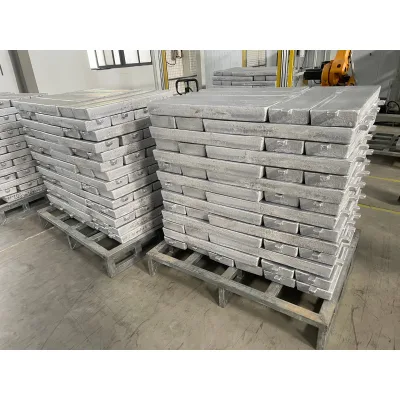
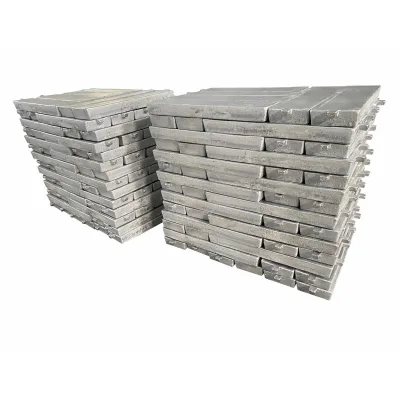
When comparing suppliers, the primary focus should be on the specific product attributes that define the anti-corrosion performance of the Magnesium Calcium alloy. Key differentiators include the chemical composition, such as the Mg-Ca30 or Mg-Ca20 ratios, and the physical shape, which can be customized or standard. Some suppliers offer products with a main content of Mg-Ca30, while others may focus on different formulations. Buyers must carefully review the "Main content" and "Chemical Composition" fields to ensure the alloy matches their specific corrosion resistance requirements. Additionally, the "Appearance" and "Shape" attributes, such as solid ingots or customized blocks, should be evaluated against the intended application, whether it is for metallurgy, alloying, or cathodic protection.
Beyond product specifications, logistical and commercial terms like lead time, MOQ, and pricing are essential comparison points. The data shows lead times ranging from 15 days to 38 days, with some suppliers offering delivery times as short as 10 days for specific orders. Minimum Order Quantities (MOQ) also vary, with some suppliers requiring as little as 10 units while others mandate 5 metric tons. Pricing data indicates a wide range, with some products listed between $15 and $41 per unit, while others are priced significantly higher based on purity and volume. Buyers should create a comparison matrix that includes these variables to identify the most cost-effective and logistically feasible option for their specific project scale and timeline requirements.
Common Anti Corrosion Magnesium Calcium Alloy Sourcing Risks
One significant risk in sourcing this alloy is the potential mismatch between the advertised chemical composition and the actual product delivered. While suppliers list specific formulas like Mg-Ca, the actual purity and content can vary if the supplier lacks rigorous quality control or if the product is not strictly verified. Some listings mention "Wildly used" applications without providing detailed test results or batch-specific chemical analysis reports. Buyers must be cautious of suppliers who do not explicitly state their testing protocols or who fail to provide clear evidence of the "Main content" percentage in their product attributes. This discrepancy can lead to performance failures in anti-corrosion applications where precise alloy ratios are critical for effectiveness.
Another risk involves the reliability of delivery timelines and the consistency of supply chain operations. The observed lead times vary widely, from 10 days to 38 days, and some suppliers indicate that delivery times depend on specific conditions. If a supplier claims a short lead time but has a history of delays or lacks the capacity to meet high-volume orders, the buyer may face production stoppages. Additionally, the "Sample" attribute in some listings is marked as "No," which prevents buyers from testing the product before committing to a large order. This lack of sampling capability increases the risk of receiving substandard materials. Buyers should mitigate this by requesting samples or detailed quality reports before finalizing any purchase agreement.
Anti Corrosion Magnesium Calcium Alloy Regional Sourcing and Logistics
Regional sourcing strategies should prioritize suppliers located in established industrial hubs like Jiangxi, Shanxi, and Henan, where the concentration of magnesium and rare earth processing is evident. Jiangxi suppliers, for instance, are noted for their specific product lines including Yttrium and Gadolinium metals, which often accompany Magnesium Calcium alloys in their manufacturing portfolios. These regions benefit from established supply chains for raw materials, potentially reducing logistics costs and lead times. However, buyers must verify that the specific supplier in these regions has the capacity to produce the exact alloy composition required, as regional specialization may vary between pure magnesium and complex alloys.
Logistics planning must account for the varying delivery times and packaging standards observed across different regions. Some suppliers offer packaging in 50KG drums or customized options, which can impact shipping costs and handling requirements. The "Delivery time" attribute often includes conditions such as "15 Days or depends," indicating that actual transit times may fluctuate based on order volume and destination. Buyers should factor in these variables when planning their inventory and production schedules. Additionally, the "Place of Origin" listed in product attributes, such as Jiangxi or Shanxi, should be confirmed to ensure that the logistics route aligns with the buyer's expectations for transit time and cost efficiency.
Anti Corrosion Magnesium Calcium Alloy Commercial Terms and Order Planning
Commercial terms for Magnesium Calcium alloys often include specific pricing structures based on volume and purity levels. The observed price ranges vary significantly, with some products listed between $15 and $41 per unit, while others are priced much higher depending on the alloy composition and customization requirements. Buyers should carefully review the "price_min" and "price_max" fields to understand the cost implications of different order sizes. Additionally, the "Selling Units" attribute, which may be listed as "Single item" or in bulk, affects how the total cost is calculated. Understanding these pricing dynamics is essential for accurate budgeting and cost control in the procurement process.
Order planning must also consider the Minimum Order Quantity (MOQ) and the availability of customization options. Some suppliers require a minimum of 10 units, while others mandate 5 metric tons, which can significantly impact the feasibility of small-scale projects. The "Customization" attribute, often listed as "Available," allows buyers to request specific shapes, sizes, or chemical compositions, but this may extend the lead time or increase the cost. Buyers should align their order quantities with their production needs and ensure that the supplier can meet the required specifications within the agreed timeline. Clear communication regarding these terms is crucial to avoid misunderstandings and ensure a smooth transaction process.
FAQs
What is the price range for magnesium calcium alloy ingots?
The price range for magnesium calcium alloy ingots typically falls between $15.48 and $41.27 per unit. This pricing structure applies to standard magnesium calcium alloy products available from manufacturers in Jiangxi, China. Buyers should verify specific costs based on order volume and customization requirements before finalizing procurement decisions.
What is the minimum order quantity for these alloys?
The minimum order quantity for magnesium calcium alloy ingots is generally set at 10 units. This threshold ensures efficient production and shipping logistics for suppliers located in Jiangxi, China. Buyers seeking larger volumes may negotiate custom packaging options, such as 50KG drums, to optimize storage and handling efficiency.
How long does delivery take for magnesium calcium alloys?
Delivery times for magnesium calcium alloys vary, with some suppliers offering a lead time of 15 days or 20 days depending on production schedules. Specific product listings indicate delivery times of 15 days or as agreed. Buyers should confirm exact timelines with suppliers to align with their project deadlines and supply chain requirements.
Where are magnesium calcium alloy manufacturers located?
Manufacturers of magnesium calcium alloy ingots are primarily located in Jiangxi, China. These suppliers specialize in rare earth metals and magnesium alloys, providing solid appearance products with customizable shapes. The regional concentration facilitates efficient logistics and consistent quality control for international buyers sourcing these specialized metallurgical materials.
What certifications do magnesium alloy suppliers hold?
Suppliers of magnesium alloys often hold ISO9001 certification, ensuring quality management standards are met. Some manufacturers also possess ISO14001 and ISO9001:2015 certificates, reflecting environmental and quality compliance. Buyers should verify specific certifications with individual suppliers to ensure alignment with their regulatory and quality assurance requirements for industrial applications.
What is the purity level of pure magnesium ingots?
Pure magnesium ingots typically offer a purity level greater than 99.5%. These high-purity materials are suitable for applications in chemical, industrial, electronics, and aviation sectors. Suppliers in Shanxi, China, provide these ingots with JIS standards compliance, ensuring consistent quality for specialized metallurgical and energy material applications.