Source Christmas Red Ceramic Dessert Plate for Holiday Dining, Buffet Serving, and Gift Sets
Explore 30 listings for the Christmas Red Ceramic Dessert Plate, comparing options from wooden and ceramic materials with various certifications like FDA and CE. Buyers can evaluate customization, eco-friendly features, and export standards to find the right supplier for holiday events.
Key considerations
Products List


Christmas Round Ceramic Salad Pasta Plates for Kitchen Porcelain Dishes
$0.85 - $1.55
MOQ: 1000 Pieces

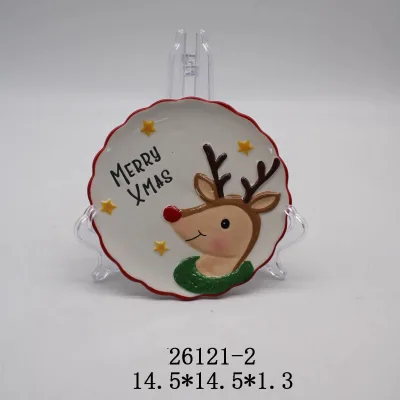
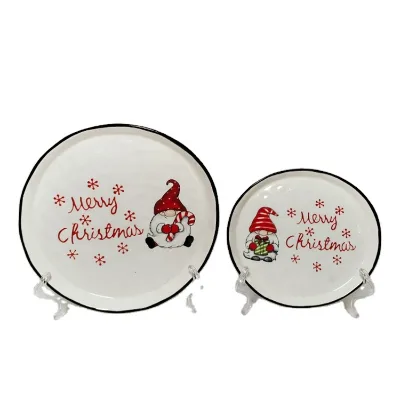
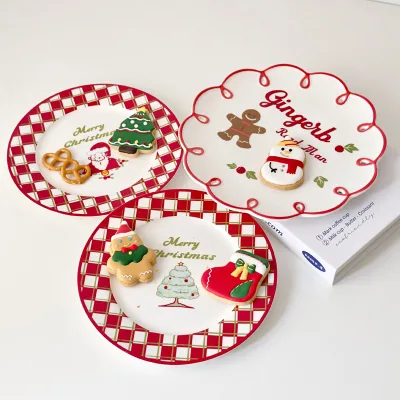
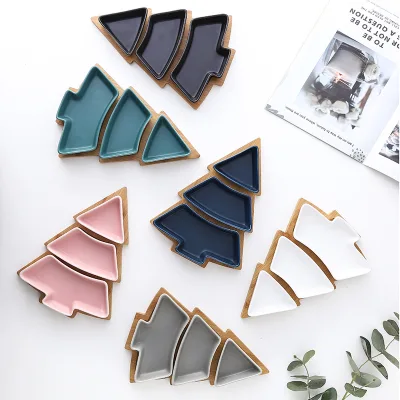
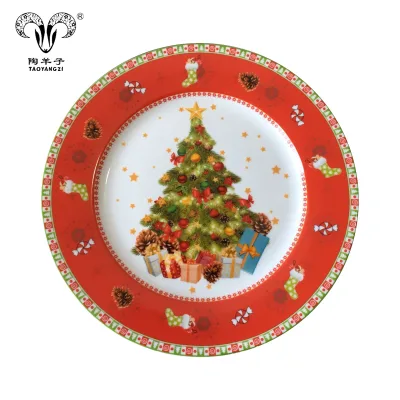
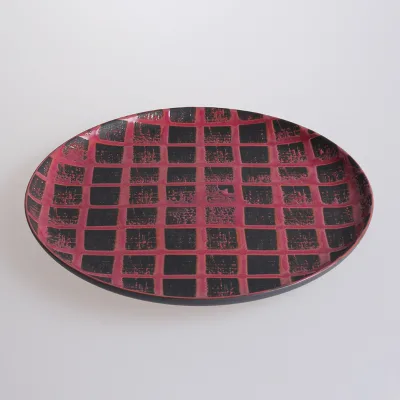

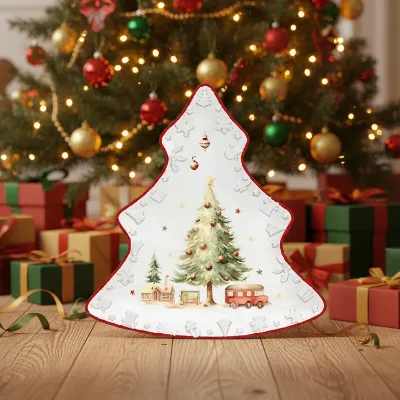


Ins Style Dessert Plate Round Ceramic Salad Plate 7.5inch Kitchen Ceramic Plate
$0.50 - $1.50
MOQ: 5000 Pieces


Promotion Simple Restaurant Small Round Plate Custom Ceramic Dessert Plate
$0.80 - $3.00
MOQ: 5000 Pieces

Eco-Friendly Healthy Dessert Plate Round White Custom Printing Ceramic Cake Plate
$0.90 - $2.00
MOQ: 5000 Pieces


Comprehensive Sourcing Guide
Strategic Sourcing Guide for Christmas Red Ceramic Dessert Plates
The procurement of specialized tableware, specifically Christmas red ceramic dessert plates, requires a nuanced understanding of material science, regulatory compliance, and supply chain logistics. Buyers entering this market must navigate a landscape where aesthetic demands for holiday themes intersect with rigorous safety standards for food contact. This guide synthesizes available product attributes and industry best practices to provide a disciplined framework for sourcing these items. The focus remains on evidence-based decision-making, ensuring that procurement strategies are grounded in verifiable facts rather than speculative marketing claims.
Technical Specifications and Material Composition
When evaluating Christmas red ceramic dessert plates, the primary technical differentiator lies in the material composition and physical dimensions. The supplied data indicates a clear distinction between products made from ceramic, stoneware, and porcelain. These materials are selected for their durability, thermal shock resistance, and ability to hold vibrant glazes required for the "Christmas red" aesthetic. The presence of "Ceramic & Porcelain" and "Ceramic, Stoneware, Porcelain" in the product attributes suggests that buyers should expect variations in density and weight depending on the specific formulation used by the manufacturer.
Physical specifications are critical for inventory planning and logistics. Observed product standards include specific dimensional data such as "Dia. 29.528H24cm," which likely refers to a larger serving platter or a specialized set component rather than a standard individual dessert plate, though the keyword implies a focus on dessert-sized items. Buyers must verify the exact diameter and height of the target SKU, as the "Standard" field in supplier data often lists custom or variable dimensions. The "Size: Customized" attribute confirms that many suppliers offer flexibility in dimensions, which is essential for matching specific table settings or promotional requirements.
The "Color: Pure" and "Color: Bicolor" attributes highlight the finishing options available. For a Christmas red plate, the glazing process must be consistent to ensure the red hue is uniform and does not fade or chip during use. The "Style: Christmas" and "Style: Simple" attributes indicate that the design language can range from ornate holiday motifs to minimalist redware. Buyers should request physical samples to verify that the "Christmas" style aligns with their brand identity, as the term can encompass everything from traditional Santa motifs to modern abstract red patterns.
Compliance and Certification Verification
Food safety is the non-negotiable pillar of sourcing ceramic tableware. The provided facts explicitly list several certifications, including "FDA," "CE/EU," "CIQ," "SGS," "PROP65," and "LFGB." These are not merely marketing buzzwords but critical compliance markers that must be verified for every batch of goods. The FDA certification ensures compliance with United States food contact regulations, while CE and LFGB are essential for European markets. The mention of "PROP65" indicates adherence to California's strict chemical safety laws regarding lead and cadmium leaching, which is particularly relevant for colored ceramics where red glazes may contain heavy metals.
The "Standard: SGS, CE, 100% export Standard" and "Standard: SGS, FDA, PROP65, LFGB. etc" entries suggest that reputable suppliers in the region (specifically Fujian, China) are accustomed to international export requirements. However, buyers must treat these as baseline expectations rather than guarantees. The "Products Quanlity: 100% Exporter Standred" attribute implies a commitment to quality, but it does not replace the need for third-party testing. Buyers should request current test reports from accredited laboratories to confirm that the specific "Christmas red" glaze does not exceed permissible limits for lead and cadmium migration.
Furthermore, the "Certification: CE/EU,FDA,CIQ" list highlights the multi-regional nature of the supply chain. CIQ (China Inspection and Quarantine) is a domestic Chinese export requirement, while FDA and CE are destination-specific. A supplier claiming all three must demonstrate the ability to maintain separate production lines or rigorous quality control protocols to prevent cross-contamination of standards. The "Eco Product: Yes" and "Feature: Eco-Friendly" attributes add another layer of compliance, suggesting that the manufacturing process may adhere to environmental standards, though buyers should verify what specific eco-claims are substantiated by the supplier.
Cost Drivers and Pricing Dynamics
The pricing structure for ceramic dessert plates is influenced by a complex interplay of material costs, customization levels, and order volume. The observed price range of 0.5 to 19.85 USD represents a significant spread, indicating that the market includes both mass-produced, simple items and high-end, custom-designed pieces. The lower end of this range likely corresponds to basic "Simple" style plates with standard packaging, while the higher end reflects complex "Christmas" designs, custom logos, or specialized packaging like "Foam Packaging" or "Carton or Box" with custom inserts.
Minimum Order Quantity (MOQ) is a primary cost driver. The data shows an MOQ range from 1 to 5000 units, with a specific instance of "1,000 PCS" noted for a ceramic candy dish. This variability allows buyers to scale their orders based on demand. However, the "Customization: Available" and "Logo Type: Silkscreen" attributes suggest that any deviation from standard stock items will incur additional setup costs. The "OEM: Welcome" and "Design: OEM & ODM" flags confirm that suppliers are willing to produce private-label goods, but this service often comes with a higher unit price and a longer lead time.
Lead time is another critical factor in the total cost of ownership. The "Delivery Detail: 15~35days After Your Order Confirmed" and "Production Time: 30 Days, Negotiable" indicate that production is not instantaneous. Buyers must factor in the time required for mold creation, glazing, firing, and quality inspection. The "Sample Time: 15 Days" is a crucial metric for prototyping; if a buyer requires a custom design, the initial sample phase will take nearly half the time of a standard production run. Delays in sample approval can cascade into significant delays in the final shipment, impacting inventory planning and holiday sales timelines.
Typical Applications and Market Positioning
The versatility of ceramic dessert plates makes them suitable for a wide array of applications, from commercial hospitality to residential use. The "Usage: Food" and "Usage: Candy Dish" attributes confirm their primary function as food service ware. However, the "Item Name: New Product Christmas Decoration Ceramic Candy Dis" and "Function: Home and garden decoration" suggest that these items often serve a dual purpose. They are not just functional plates but also decorative centerpieces that enhance the festive atmosphere of a holiday gathering.
The "Suitable for: Universal" attribute implies that these plates are designed to be compatible with various table settings and dining styles. This universality is a key selling point for retailers targeting a broad consumer base. The "Style: Christmas" and "Style: Classic" options allow buyers to cater to different aesthetic preferences, from traditional holiday decor to modern, minimalist designs. The "Feature: Eco-Friendly" aspect appeals to the growing segment of environmentally conscious consumers who prefer durable, reusable ceramics over disposable alternatives, as noted by the "Disposable: Non-Disposable" attribute.
In the B2B context, these plates are frequently used in hotels, restaurants, and event planning services. The "Brand Name: DSX" and "Brand Name: DSX Ceramic" entries indicate that some suppliers operate as established brands, which can be advantageous for buyers seeking consistent quality and reliable supply chains. For private label buyers, the "Logo: Can Be Printed" and "Logo Type: Silkscreen" options allow for branding that aligns with corporate identity or specific holiday campaigns.
Supplier Evaluation and Quality Control
Selecting the right supplier requires a rigorous evaluation process that goes beyond price comparisons. The "Location: China" and "Location: Fujian, China" details highlight the geographic concentration of ceramic manufacturing in this region. Fujian is a known hub for porcelain and stoneware production, offering access to skilled labor and established supply chains for raw materials. However, buyers must verify the specific factory capabilities to ensure they can meet the required standards.
Quality control is paramount, especially for colored ceramics where glaze consistency is critical. The "Standard: 100% export Standard" and "Products Quanlity: 100% Exporter Standred" claims should be backed by a documented quality assurance protocol. Buyers should inquire about the supplier's in-house testing procedures for color fastness, chip resistance, and thermal shock. The "Process Type: Blister" mentioned in the data likely refers to the packaging method rather than the manufacturing process, but it underscores the importance of protective packaging to prevent breakage during transit.
The "Packing: Normal Safe Packing/Customized" and "Packing: Foam Packaging" options indicate that suppliers offer various levels of protection. For high-value or fragile items, foam packaging is essential to minimize breakage rates. Buyers should negotiate packaging standards in the contract to ensure that the "Carton or Box" packaging meets specific drop-test requirements. Additionally, the "Customized: Customized" attribute suggests that packaging can be tailored to the buyer's branding needs, which is a valuable service for retailers looking to create a cohesive unboxing experience.
Long-Term Procurement Considerations
Sourcing Christmas red ceramic dessert plates is not a one-time transaction but part of a long-term supply chain strategy. The "Delivery Detail: 15~35days" lead time requires careful inventory management to avoid stockouts during the peak holiday season. Buyers should establish a relationship with the supplier that allows for flexible production scheduling and potential rush orders. The "Production Time: 30 Days, Negotiable" flag suggests that lead times can be adjusted, but this flexibility often comes at a premium cost.
Sustainability is an increasingly important consideration in long-term procurement. The "Eco Product: Yes" and "Feature: Eco-Friendly" attributes align with global trends toward sustainable sourcing. Buyers should verify the supplier's commitment to environmental practices, such as the use of lead-free glazes and energy-efficient kilns. The "Material: Wooden/ Bamboo" attribute in the data, while seemingly contradictory to ceramic, may refer to packaging materials or complementary products, highlighting the need for a holistic view of the supplier's eco-friendly offerings.
Finally, the "OEM: Welcome" and "Design: OEM & ODM" capabilities ensure that buyers can adapt their product lines to changing market trends. As consumer preferences shift, the ability to customize designs, colors, and packaging will be crucial for maintaining competitiveness. Buyers should view their suppliers as partners in innovation, capable of co-developing new products that meet evolving demands for quality, safety, and aesthetics. By maintaining a disciplined approach to verification and quality control, buyers can secure a reliable supply of Christmas red ceramic dessert plates that meet both functional and regulatory requirements.
FAQs
What certifications do these ceramic plates hold for food safety?
These plates hold FDA, CE, EU, CIQ, SGS, PROP65, and LFGB certifications. Buyers must verify current test reports for each batch to ensure lead and cadmium levels in the red glaze meet specific destination regulations before finalizing orders.
Can I customize the logo and dimensions of these dessert plates?
Yes, customization is available for logos via silkscreen printing and dimensions can be tailored to specific needs. However, custom orders typically require a minimum quantity of 1,000 pieces and may extend the production time to 30 days or more.
How long does it take to receive a sample of the Christmas design?
It takes approximately 15 days to produce a sample of the Christmas design. This timeline is separate from the standard production lead time of 15 to 35 days after order confirmation, so buyers should plan their prototyping phase accordingly.
What materials are used to make these Christmas red dessert plates?
The plates are primarily made from ceramic, stoneware, and porcelain materials. These materials are selected for their durability and ability to hold vibrant glazes, though some listings also mention wooden or bamboo components for packaging or complementary items.
Where are these ceramic dessert plates manufactured and shipped from?
These plates are manufactured in Fujian, China, which is a known hub for porcelain production. The origin location is consistent across listings, ensuring access to skilled labor and established supply chains for raw materials and glazing processes.
What packaging options are available to prevent breakage during shipping?
Standard packaging includes cartons or boxes, while specialized foam packaging is available for fragile items. Buyers should negotiate specific packing standards to ensure the carton meets drop-test requirements and minimizes breakage rates during transit.
What is the minimum order quantity for custom ceramic dessert plates?
The minimum order quantity varies from 1 to 5,000 units depending on the supplier and product model. A specific ceramic candy dish listing requires a minimum of 1,000 pieces, while basic stock items may allow for smaller initial orders.
Are these dessert plates suitable for universal table settings?
Yes, the plates are designed to be suitable for universal table settings and various dining styles. They feature a classic or Christmas style that complements both traditional holiday decor and modern minimalist designs for diverse consumer preferences.