Source Christmas Red Wine Glass for Parties, Gifts, and Events
Compare 30 listings for Christmas Red Wine Glass from verified suppliers in China. Buyers can review specifications, pricing, and customization options for holiday decorations and promotional gifts.
Key considerations
Products List
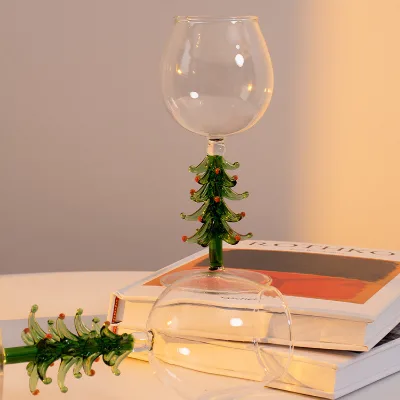
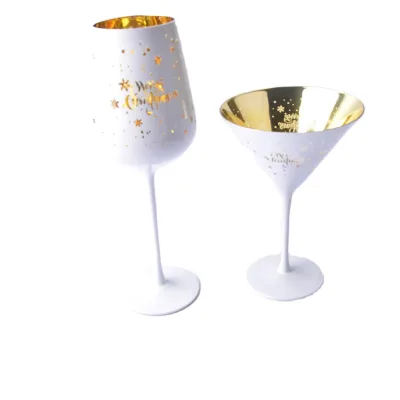
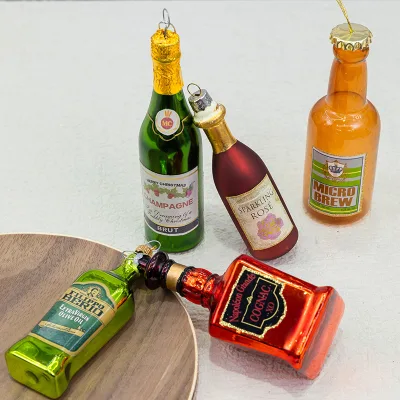

Festival Red Wine Glass Halloween Skeleton Hand Wine Glass Red Wine Glasses
$4.29 - $4.99
MOQ: 100 Pieces






Comprehensive Sourcing Guide
Christmas Red Wine Glass Sourcing Guide
Sourcing festive tableware requires balancing aesthetic appeal with functional durability, particularly when selecting items for holiday events or seasonal retail inventory. The intersection of traditional wine glass utility and Christmas-themed aesthetics creates a niche market where buyers must navigate specific material and design constraints. This guide provides evidence-based procurement strategies for sourcing red wine glasses with Christmas themes, focusing on verified product attributes, compliance requirements, and commercial terms observed in current market listings. Buyers should approach this category with an understanding that "Christmas Red Wine Glass" often encompasses a range of products, from standard glassware with festive red accents to specialized decorative pieces that may serve dual purposes as ornaments or promotional gifts.
The procurement process for these items involves distinguishing between functional drinkware and decorative novelties, as the supply chain and quality expectations differ significantly. While some products are designed primarily for consumption, others may prioritize visual impact over structural integrity for repeated use. This guide draws on observed listing signals and technical specifications to help buyers make informed decisions. By focusing on verified attributes such as material composition, capacity, and certification status, purchasers can mitigate risks associated with low-quality imports. The following sections detail the critical factors that influence sourcing decisions, ensuring that the final selection aligns with both brand standards and end-user expectations.
Product Scope and Observed Listing Signals
The current market landscape for Christmas-themed wine glasses reveals a diverse range of product types, including functional drinking glasses, luxury ornaments, and promotional items. Observed listings indicate a price range of $0.58 to $5.50 USD, suggesting significant variation in quality, branding, and packaging. Minimum Order Quantities (MOQs) typically range from 48 to 1,008 pieces, with some suppliers requiring orders of 1,000 pieces or more. This variability allows buyers to scale their orders based on demand forecasts, but it also necessitates careful evaluation of unit costs versus logistical expenses. Buyers should note that lower-priced items may lack the robust packaging or certification required for certain markets, while higher-priced options often include custom branding or premium materials.
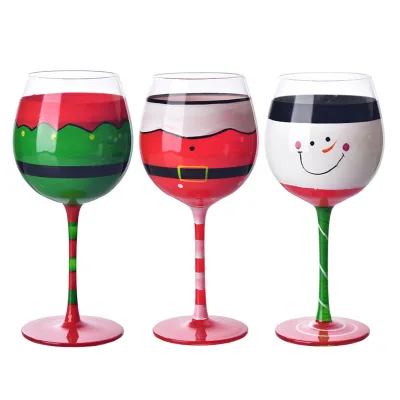
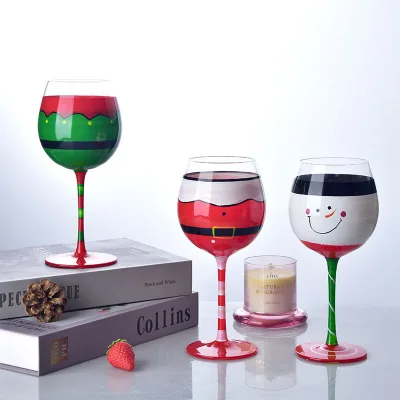
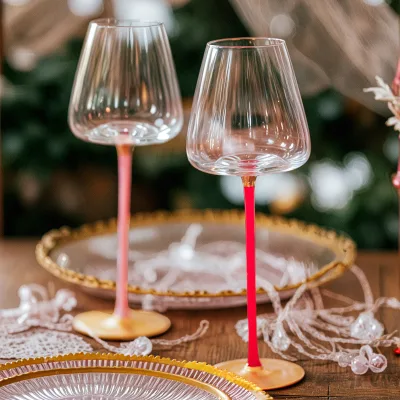
Product attributes observed in listings include a variety of colors, with beige, white, and red being prominent choices. Some products are explicitly labeled as "Luxury Christmas Ornaments" with LED capabilities, offering warm white, red, yellow, blue, green, and pink lighting options. These items may serve as dual-purpose decorations, blending the functionality of a wine glass with holiday lighting effects. Other listings focus on traditional glassware with modern or classic design styles, emphasizing strict inspection processes and customized logo acceptance. The presence of OEM/ODM services indicates that many suppliers are equipped to handle custom designs, allowing buyers to create unique branded products for corporate gifting or retail exclusivity.
Technical Specifications to Verify
When evaluating technical specifications, buyers must prioritize material integrity and dimensional accuracy to ensure product safety and usability. The primary material observed is glass, with some listings specifying handmade or mouth-blown techniques, which can enhance aesthetic value but may introduce variability in thickness and weight. Standard capacities observed include 300ml and 10 oz, which are appropriate for red wine service. Buyers should verify the single gross weight, which ranges from 1.500 kg to 2.500 kg per package, to calculate accurate shipping costs. Additionally, package dimensions such as 35x35x20 cm and 50x40x50 cm are common, influencing palletization and storage efficiency.
Design and customization options are critical for differentiating products in a competitive market. Listings indicate that sizes can be customized, with standard dimensions ranging from 8-12 cm for certain components. Packaging details often include 6 pieces per inner box and 24 pieces per carton, though custom carton designs are available. Buyers should confirm whether the glass type is specifically optimized for wine, as this affects the bowl shape and stem stability. Furthermore, techniques such as electroplating may be used for decorative elements, requiring verification of adhesion quality and durability. Customized logos are widely accepted, but buyers must provide high-resolution artwork and confirm printing methods to ensure brand consistency.
Compliance and Safety Documentation
Compliance with international safety standards is non-negotiable for food-contact products, especially those intended for holiday use where children may be present. Buyers must verify that suppliers hold relevant certifications, such as ISO9001 for quality management, CE for European conformity, and LFGB for German food safety standards. Additional certifications like REACH and BSCI indicate adherence to environmental and social responsibility criteria, which are increasingly important for retail buyers in Western markets. The presence of M1 and B1 certifications may also be relevant for specific regional requirements, though buyers should confirm the exact scope of these certifications with the supplier.
Documentation should include test reports for lead content and heavy metal migration, ensuring that the glass and any decorative elements are safe for repeated use. Buyers should request certificates of analysis (CoA) for raw materials, particularly if the glass contains recycled content or if electroplating is used for decorative finishes. For products with LED components, electrical safety certifications are essential to prevent overheating or electrical hazards. Suppliers should provide clear labeling instructions to ensure that end-users are aware of care and usage guidelines, reducing the risk of breakage or injury. Verifying these documents before placing large orders is crucial to avoid customs delays or product recalls.
Cost Drivers and Commercial Terms
Several factors influence the total cost of ownership for Christmas red wine glasses, including material costs, labor, and logistics. The observed price range of $0.58 to $5.50 USD reflects variations in glass quality, design complexity, and customization levels. Handmade or mouth-blown items typically command higher prices due to labor intensity, while mass-produced items with electroplated finishes may be more cost-effective. Buyers should consider the impact of MOQs on unit pricing, as larger orders often result in lower per-unit costs. However, high MOQs may increase inventory holding costs and risk if demand is uncertain.
Commercial terms such as sample times, payment terms, and lead times are critical for supply chain planning. Sample times of 5-7 days are common, allowing buyers to evaluate product quality before committing to bulk orders. Buyers should negotiate clear payment terms, such as a deposit followed by balance upon shipment, to mitigate financial risk. Lead times can vary based on production volume and customization requirements, so buyers should confirm estimated delivery dates in writing. Additionally, packaging costs should be included in the total cost analysis, as custom cartons and protective packaging can significantly impact the final price.
Supplier Qualification and Quality Control
Supplier qualification is a key step in ensuring consistent product quality and reliable delivery. Buyers should verify the supplier's place of origin, with Shanxi and Guangdong being common manufacturing hubs in China. These regions have established glass manufacturing industries, but buyers should assess the specific factory's capabilities and reputation. Quality control processes, such as strict inspection protocols, should be documented and verified through third-party audits if possible. Buyers should request samples to evaluate physical attributes, including clarity, weight, and finish quality, before approving mass production.
Communication and responsiveness are also important indicators of supplier reliability. Buyers should assess the supplier's ability to handle custom requests, such as logo printing and packaging design, and their willingness to provide detailed product information. Suppliers that offer OEM/ODM services demonstrate flexibility and expertise in meeting diverse buyer needs. Buyers should establish clear communication channels and regular update schedules to monitor production progress. Additionally, suppliers should provide a clear warranty or return policy for defective items, ensuring that buyers are protected against quality issues.
Long-Term Procurement Checks
Long-term procurement success depends on continuous monitoring of supplier performance and market trends. Buyers should track key performance indicators (KPIs) such as on-time delivery rates, defect rates, and responsiveness to issues. Regular audits and quality checks should be conducted to ensure that suppliers maintain consistent standards over time. Buyers should also stay informed about changes in regulations and consumer preferences, adapting their sourcing strategies accordingly. For example, increasing demand for sustainable packaging may require suppliers to adopt eco-friendly materials and processes.
Building strong relationships with suppliers can lead to better pricing, priority production, and collaborative innovation. Buyers should engage in regular business reviews to discuss performance, challenges, and opportunities for improvement. Sharing market insights and forecasts with suppliers can help them plan production more effectively, reducing lead times and costs. Additionally, buyers should diversify their supplier base to mitigate risks associated with single-source dependencies. By maintaining a proactive approach to supplier management, buyers can ensure a stable and efficient supply chain for Christmas red wine glasses and other festive products.
FAQs
What is the capacity of the red wine glass?
The glass has a capacity of 300ML or 10 oz depending on the specific model. This volume is suitable for standard wine servings and fits the modern style design intended for parties and drinking occasions.
Can I customize the logo on the wine glass?
Yes, customized logos are acceptable for this product. Buyers can request specific branding on the glass, which supports its use as promotion gifts or for commercial buyers like restaurants and food stores.
What is the minimum order quantity for these glasses?
The minimum order quantity is 1000 pieces for the standard listing. Some variations may show different ranges, but the primary requirement for this specific model is to order at least 1000 units.
How are the wine glasses packaged for shipping?
The packaging details specify 6 pieces per inner box and 24 pieces per carton. This standard packing ensures safety during transit, though design cartons are also available for customization requests.
Which certifications do the glass products hold?
The products hold certifications including ISO9001, CE, LFGB, and REACH. These standards ensure the glass meets safety requirements for food contact and international trade, supporting use in restaurants and export markets.
Where are the wine glasses manufactured?
The place of origin is listed as Shanxi, China for the glass model and Guangdong, China for related items. This indicates the manufacturing location for the specific red wine glass product being sourced.
What material is used to make the wine glass?
The material is glass, specifically described as handmade and mouth-blown. This technique ensures quality and durability, making the product suitable for modern and classic design styles in various occasions.