Source Chunky Eco-Friendly Cake Yarn for Knitting, Sewing, and Weaving
Compare 30 listings for Chunky Eco-Friendly Cake Yarn suitable for knitting, sewing, and weaving applications. Options include 100% acrylic and polyester blends with features like anti-pilling and high strength. Find ring-spun and fancy yarns in various colors and pack sizes to meet your production needs.
Key considerations
Products List


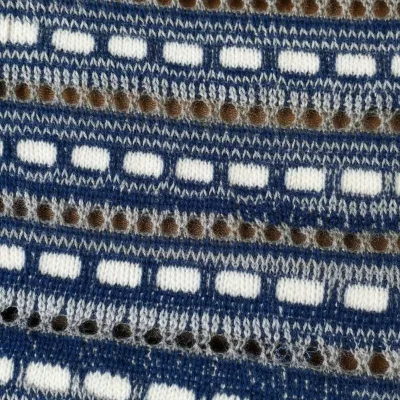
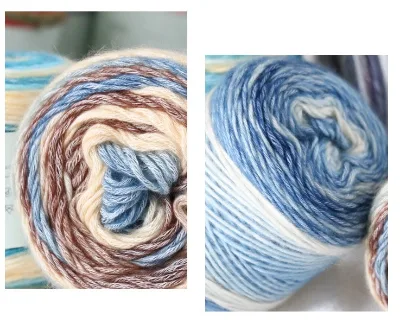
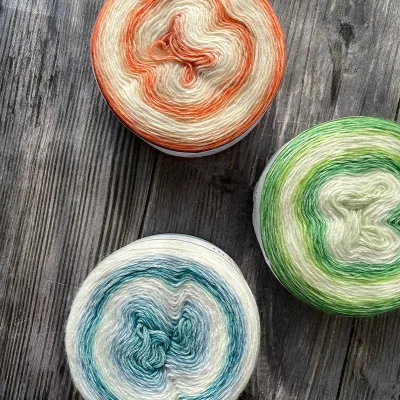
150g Cake Yarn Soft air Yarn Fancy Cotton Yarn for Crochet Scarf Free Sample
$4.70 - $5.25
MOQ: 100 pieces
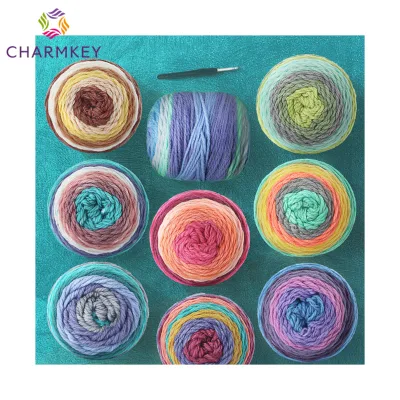
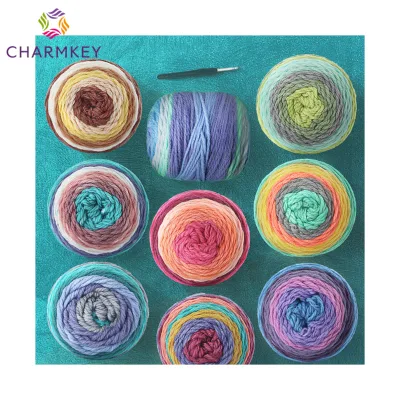
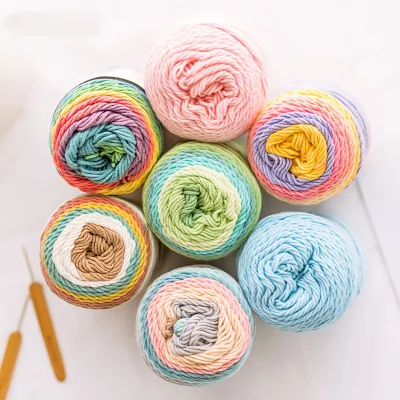


Yarn Crochet Knitting Textile Cotton acrylic Super Chunky Merino Wool Yarn
$6.00 - $10.00
MOQ: 80 kilos

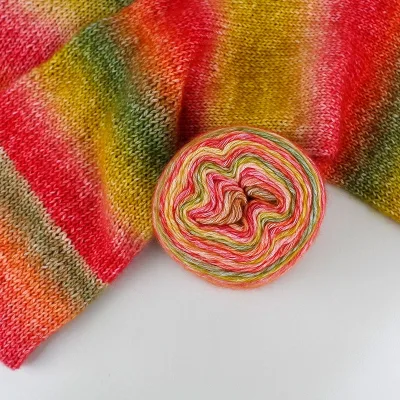
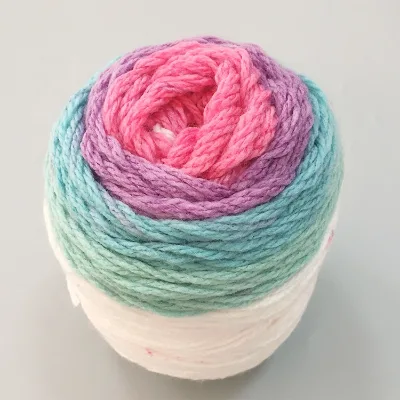


Soft Hand Acrylic Knitting Yarn Chunky Acrylic Yarn Wool Yarn for Knitting and Crochet
$0.15 - $0.50
MOQ: 5000 Pieces


Comprehensive Sourcing Guide
Chunky Eco-Friendly Cake Yarn Sourcing Guide
Procuring chunky eco-friendly cake yarn requires distinguishing between genuine sustainable materials and marketing terminology. The available market data indicates a diverse range of fiber compositions, including 100% acrylic, 100% polyester, and blended options like 34% polyester with 66% nylon. Buyers must verify that the "eco-friendly" claim aligns with specific product attributes such as anti-pilling, high strength, or moisture absorbency rather than relying solely on general descriptors.
The physical form of the yarn is critical for knitting efficiency, with listings showing variations from standard yarn balls to specific cake formats weighing 100 or 200 grams. While some products are described as staple fiber yarns, others are continuous filament or a combination of short fibers and filaments. Sourcing teams should prioritize suppliers who clearly define the fiber length and ply structure to ensure the final knitted products meet the intended texture and durability requirements.
Product Scope and Observed Listing Signals
The observed product listings reveal a wide spectrum of customization options, with many suppliers offering multi-color variations and specific model numbers like CK898 or CK1208. These signals suggest that buyers can source yarns tailored for specific applications such as hand knitting, weaving, or the production of socks, scarves, and blankets. However, the presence of diverse technical attributes like high elasticity or anti-UV properties means that not every listed product will suit every project, necessitating careful filtering based on end-use needs.
Commercial signals also vary significantly, with minimum order quantities ranging from single items to 20,000 units and prices spanning from $0.15 to $11.50 per unit. This disparity highlights the importance of defining volume requirements early in the sourcing process to avoid mismatched expectations. Buyers should note that while sample acceptance is common, the specific packing standards, such as 100 grams per ball versus 200 grams per ball, directly impact shipping costs and inventory management strategies.
Technical Specifications to Verify
Technical verification must begin with the yarn count and fiber composition, as listings show counts like Nm1/0.95 or 2S alongside materials ranging from pure acrylic to complex blends. The distinction between staple fiber yarns and continuous filament yarns is particularly vital, as it dictates the hand feel and performance characteristics of the final textile. Buyers should explicitly request test data or detailed specifications to confirm whether the yarn is suitable for high-temperature resistance or abrasion resistance, as these are claimed features in some listings but not guaranteed across the board.
Further verification is required for physical dimensions and packaging consistency, given the observed variations in single package sizes and gross weights. Specifications such as 10x10x10 cm single package sizes and weights of 0.1 kg per unit must be cross-referenced with the actual product to ensure logistical compatibility. Additionally, the coarseness of the yarn, described as medium in some instances, should be validated against the desired gauge for knitting projects to prevent issues with fabric density or stitch definition.
Compliance and Safety Documentation
While the provided data mentions potential certifications like GOTS and Oeko-Tex, these are listed as low-confidence background information and cannot be assumed as standard for all listed products. Buyers must explicitly request current compliance certificates from suppliers to verify that the "eco-friendly" claims regarding anti-bacterial or moisture-absorbent properties are backed by recognized testing standards. Relying on unverified marketing terms can lead to procurement of materials that do not meet safety regulations for consumer-facing textile goods.
Safety documentation should also address the specific chemical treatments used to achieve features like anti-pilling or high strength. Since the fiber compositions vary from 100% acrylic to nylon blends, the safety profile of the dyeing process and any chemical finishes must be scrutinized. Procurement teams should ensure that suppliers provide material safety data sheets (MSDS) and confirm that the production origin, such as Jiangsu, China, adheres to the environmental and safety standards required by the target export market.
Cost Drivers and Commercial Terms
Cost structures are heavily influenced by the complexity of the fiber blend and the specific customization level required, with MOQs ranging from 25 kg to 300 kg depending on the supplier. The observed price range of $0.15 to $11.50 suggests that factors like yarn count, fiber length, and specialized features like high elasticity significantly impact the final unit cost. Buyers should analyze the total landed cost, including shipping via air or sea, rather than focusing solely on the per-unit price to avoid unexpected budget overruns.
Commercial terms also vary regarding shipment ports and payment structures, with some suppliers offering flexible port options while others have specific shipping constraints. The minimum order quantities, such as 300 kg for certain blended yarns, can create cash flow challenges for smaller buyers, making it essential to negotiate flexible terms or consolidate orders. Understanding the relationship between the product standard, such as 200 grams per ball, and the bulk pricing tiers is crucial for optimizing procurement budgets.
Supplier Qualification and Quality Control
Supplier qualification should focus on their ability to maintain consistent quality across different production runs, as evidenced by attributes like regular evenness and high-quality yarn claims. Buyers must assess the supplier's track record for delivering on specific model numbers like CK953 or CK1141, ensuring that the physical characteristics remain stable over time. The presence of customization options indicates a flexible manufacturing process, but this flexibility must be balanced with rigorous quality control measures to prevent defects in the final yarn product.
Quality control protocols should include random sampling and testing for key performance indicators such as tensile strength and color fastness. Given the diverse applications ranging from knitting to weaving, the yarn must withstand the mechanical stresses of the intended production process. Buyers should establish clear acceptance criteria for features like anti-pilling and abrasion resistance, requiring suppliers to provide evidence of these properties through third-party testing or internal quality assurance reports before finalizing any large-scale orders.
Long-Term Procurement Checks
Long-term procurement success depends on establishing a reliable supply chain that can adapt to changing market demands and material availability. Buyers should monitor the consistency of fiber lengths and ply structures, as variations in staple fiber versus continuous filament can alter the performance of the final textile products. Regular audits of supplier capabilities and quality outputs will help maintain the integrity of the "chunky eco-friendly" brand promise and ensure that the yarn meets evolving consumer expectations for sustainability and durability.
Continuous evaluation of supplier performance regarding lead times and shipping reliability is essential for maintaining inventory stability. The observed range of lead times and shipping methods, from air to sea, requires a dynamic logistics strategy to mitigate potential delays. By maintaining open communication channels and setting clear expectations for product standards and delivery schedules, buyers can build a resilient supply chain that supports consistent production of high-quality knitted and woven goods.
FAQs
What materials are used for Chunky Eco-Friendly Cake Yarn?
The yarn is available in 100% acrylic, 100% polyester, and a blend of 34% polyester with 66% nylon. These materials ensure high strength and eco-friendly properties suitable for various knitting applications.
How is the yarn packed for shipment?
The product comes in yarn balls weighing either 100 grams or 200 grams per ball. Shipping options include air or sea freight, with single package sizes measuring 10 by 10 by 10 centimeters.
Can I customize the yarn specifications?
Yes, customization is available for this fancy yarn product. Buyers can request specific features like anti-pilling, high elasticity, or moisture absorbency depending on the required application for socks, scarves, or blankets.
What is the minimum order quantity for this yarn?
The minimum order quantity ranges from 25 kilograms to 500 kilograms depending on the specific supplier and product model. Some listings indicate a minimum of 300 kilograms for blended yarn varieties.
Which features make this yarn suitable for hand knitting?
This yarn offers anti-pilling, high strength, and breathability, making it ideal for hand knitting projects. It is also available in multi-colors and various fiber lengths to suit different crafting needs.
Where is this chunky yarn manufactured?
The yarn originates from China, specifically from the Jiangsu region. This location supports the production of high-quality yarns used for knitting, weaving, and sewing applications across various industries.
What yarn counts are available for purchase?
Available yarn counts include Nm1/0.95 and 2S specifications. These counts correspond to different coarseness levels, ranging from medium yarn to staple fiber yarns suitable for diverse textile manufacturing processes.