Source Circular DSP Microphone Board for Meeting, Recording, Amplification
Explore 30 options for the Circular DSP Microphone Board designed for meeting rooms, music recording, and voice amplification. Compare specifications like SNR, pickup distance, and array configurations to find the right solution for your audio project.
Key considerations
Products List
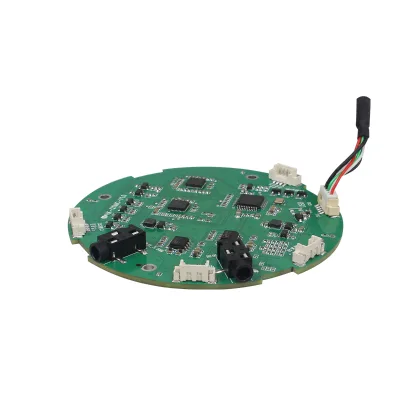


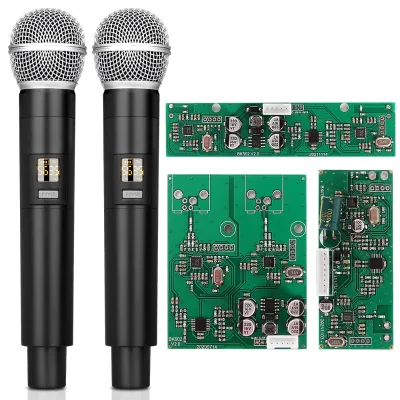


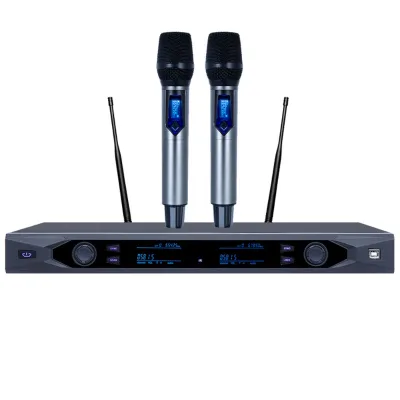
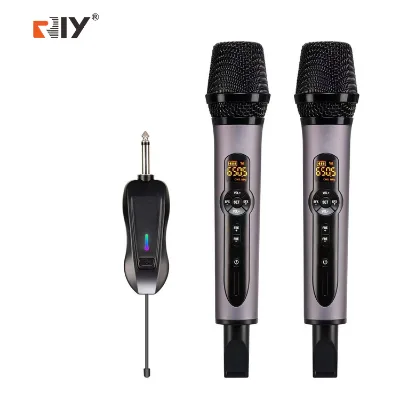


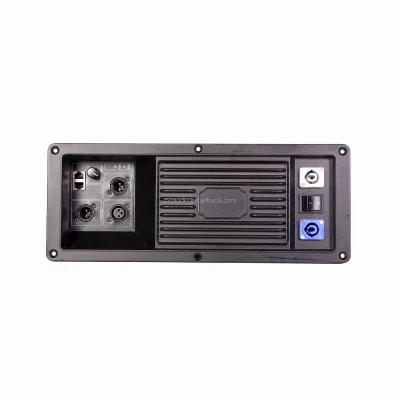
Professional Conference Used Full Digital DSP Array Microphone Conference System Controller
$100.00 - $2999.00
MOQ: 1 Pieces



Comprehensive Sourcing Guide
Strategic Sourcing Guide for Circular DSP Microphone Boards
Understanding the Core Technology and Form Factor
The Circular DSP Microphone Board represents a specialized category of audio acquisition hardware designed for omnidirectional or wide-angle sound capture. In the context of B2B procurement, these boards are distinct from linear arrays or single-element microphones due to their geometric arrangement and integrated digital signal processing capabilities. The circular form factor, often defined by specific diameter specifications such as 77mm, allows for a 360-degree pickup pattern, making it ideal for environments where sound sources are distributed around the device rather than in a single direction.
The integration of Digital Signal Processing (DSP) is a critical differentiator. Unlike analog boards that require external processing units, these boards often embed DSP algorithms directly onto the Printed Circuit Board (PCB). This architecture enables real-time noise reduction, echo cancellation, and beamforming capabilities. Buyers should note that the "circular" designation often correlates with specific microphone array configurations, such as 5-microphone or 4-microphone arrays, which are essential for spatial audio processing. The physical structure is typically built on FR-4 material, a standard for rigid PCBs, ensuring durability and thermal stability during operation. The board thickness is a crucial mechanical specification, with common values observed around 1.00mm, which influences the overall profile of the final product and its compatibility with housing designs.
Technical Specifications and Performance Metrics
When evaluating circular DSP microphone boards, procurement specialists must scrutinize a dense set of technical parameters that define performance. The acoustic performance is often quantified by the Signal-to-Noise Ratio (SNR). In high-quality units, SNR values can reach 65 dB (A) or 64 dB (A), indicating a strong ability to distinguish the target voice from background noise. This is complemented by sensitivity ratings, which typically fall within the range of -26 ± 1 dB or -30 dBFS. These figures determine how effectively the microphone converts sound pressure into an electrical signal.
The frequency response and audio capture rate are equally vital. Modern boards support high-fidelity recording at rates such as 48 kHz @ 16-bit, which is the standard for professional audio, though some configurations may operate at 16 kHz @ 16-bit for specific voice-optimized applications. The pickup distance is another key metric; while some units are optimized for close-range interaction with a "best" distance of 2 meters, others are engineered for extended reach, capable of clear capture up to 5 meters or even 6-10 meters depending on the array configuration and DSP tuning.
The directivity pattern is a defining characteristic. While the circular form suggests omnidirectional capture, specific models may offer hybrid patterns, such as a forwarder 180-degree directivity or a full 360-degree omnidirectional response. The Acoustic Overpressure (AOP) rating indicates the maximum sound pressure level the device can handle without distortion, with robust units capable of withstanding external human voice pressures of 120 dB SPL. Furthermore, the noise reduction capability, often cited as ≥20dB, is a direct result of the DSP algorithms working in tandem with the microphone array.
| Parameter | Typical Observed Value | Significance for Procurement |
|---|---|---|
| Board Thickness | 1.00 mm | Determines fitment in slim enclosures. |
| Copper Thickness | 1.0 mm | Affects current carrying capacity and signal integrity. |
| SNR | 64-65 dB (A) | Higher values indicate better noise rejection. |
| Audio Capture Rate | 16kHz or 48kHz @ 16bit | Defines audio fidelity and bandwidth. |
| Pickup Distance | 2m to 10m | Dictates the effective range for voice capture. |
| Directivity | Omni-directional / 180° | Determines the spatial coverage of the microphone. |
| AOP | ≥120 dB SPL | Ensures performance in loud environments. |
Compliance, Certification, and Safety Standards
In the global B2B market, compliance is not merely a formality but a prerequisite for market access. Buyers must verify that the circular DSP microphone boards adhere to relevant international safety and electromagnetic compatibility standards. While specific certification labels vary by manufacturer, the underlying hardware must meet requirements for electrical safety, particularly regarding the output impedance, which typically ranges between 1000-20000Ω. This impedance range must be compatible with the downstream audio interfaces, such as USB Class 1.0, to ensure stable signal transmission without requiring complex impedance matching circuits.
Environmental and material compliance is also a significant consideration. The use of FR-4 material is standard, but buyers should confirm that the manufacturing process adheres to RoHS (Restriction of Hazardous Substances) directives, ensuring the absence of lead and other restricted materials. The surface finishing process, which may be specified as a 1.0mm coating in some contexts, must provide adequate corrosion resistance and solderability. Additionally, the product origin, often cited as Guangdong, China, requires verification of the factory's ability to maintain consistent quality control across different production batches.
For wireless-enabled variants, the wireless technology and signal transmission protocols must comply with regional radio frequency regulations. If the board utilizes DSP for wireless transmission, it must not interfere with other devices operating in the same frequency bands. Buyers should request documentation confirming that the hardware characteristics, such as USB audio class 1.0 support, align with the operating systems of the intended deployment environment, whether it be Windows, Linux, or embedded systems.
Cost Drivers and Pricing Dynamics
The pricing of circular DSP microphone boards is influenced by a complex interplay of factors, including the complexity of the PCB design, the number of microphones in the array, and the sophistication of the embedded DSP. The observed price range in the market is vast, spanning from 0.1 USD to 9999 USD, reflecting the diversity from basic prototype boards to high-end, fully integrated commercial solutions. This wide variance underscores the importance of defining precise requirements before engaging with suppliers.
Key cost drivers include the number of digital microphones used in the array. Models featuring a 5-microphone array may command a higher price than those with 4 microphones due to the increased component count and more complex signal processing requirements. The board size, such as the 77mm diameter or 38x38mm standard, also impacts material costs. Larger boards require more FR-4 substrate and copper, directly affecting the unit price.
Minimum Order Quantity (MOQ) is another critical factor in cost management. The observed MOQ range of 1 to 5000 units allows for flexibility, but buyers should be aware that higher volumes typically unlock significant price reductions. Customization options, such as specific branding, altered board sizes, or tailored DSP algorithms, will invariably increase the unit cost and may require a higher MOQ to justify the engineering and setup expenses. Buyers should also consider the packaging costs; units shipped in carton boxes with specific single package dimensions (e.g., 20x10x10 cm) and gross weights (0.500 kg) will have different logistics costs compared to bulk-shipped bare boards.
Typical Applications and Use Cases
Circular DSP microphone boards are versatile components designed for a wide array of applications where high-quality audio capture is paramount. The primary application areas include meeting rooms, where the 360-degree pickup pattern ensures that all participants are heard clearly regardless of their position. In these settings, the board's ability to enhance the sound of human voice and reduce background noise is essential for effective communication.
Beyond corporate meetings, these boards are increasingly utilized in amplification systems, voice measurement tools, and professional recording equipment. The high AOP rating and low noise floor make them suitable for environments with high ambient noise levels, such as industrial settings or outdoor public address systems. The stereo sound channel capability further expands their utility in music recording and high-fidelity audio applications.
The "Headset Microphone" style and "Line Array Microphone" configurations suggest specific use cases in wearable technology and large-scale audio capture systems. For instance, the board can be integrated into conference phones, smart speakers, or voice-controlled IoT devices. The "Sound Field Force" and "Line Column Type" attributes indicate that these boards are also suitable for creating immersive audio experiences in virtual reality or augmented reality applications. The versatility of the board, combined with its customizable nature, allows manufacturers to tailor the solution to specific industry needs, from healthcare monitoring to educational tools.
Supplier Evaluation and Quality Control
Selecting the right supplier for circular DSP microphone boards requires a rigorous evaluation process that goes beyond price comparisons. Buyers should prioritize suppliers who demonstrate a deep understanding of the technical specifications, particularly the nuances of DSP integration and microphone array calibration. The "Brand Name" and "Model Number" (e.g., HSTD-1, m40) serve as identifiers, but the true value lies in the supplier's ability to maintain consistency in production.
Quality control is paramount. Buyers must verify the supplier's testing protocols for critical parameters such as sensitivity, SNR, and directivity. The ability to produce boards with a consistent Min. Line Spacing of 1.0mm is a strong indicator of manufacturing precision. Suppliers should provide detailed test reports that validate the performance claims, such as the 65 dB SNR or the 120 dB SPL AOP rating. It is also essential to assess the supplier's capacity for customization, as many buyers require specific modifications to the board size, connector types, or DSP algorithms.
The supply chain stability is another critical factor. With a place of origin in Guangdong, China, buyers should ensure that the supplier has robust logistics capabilities to handle lead times and shipping. The single gross weight of 0.500 kg and specific packaging requirements must be factored into the logistics plan. Suppliers who offer flexible MOQs, ranging from single items to 5000 units, demonstrate a commitment to serving both prototyping and mass-production needs.
Long-Term Procurement Considerations
Sourcing circular DSP microphone boards is not a one-time transaction but a long-term partnership that requires strategic planning. Buyers should consider the lifecycle of the product, including the availability of spare parts and the potential for future upgrades. The "Customization: Available" attribute suggests that suppliers can adapt to changing market needs, but this requires clear communication and documentation of the initial design specifications.
Scalability is a key consideration. As demand grows, the supplier must be able to ramp up production without compromising quality. The observed MOQ range of 1 to 5000 units indicates that many suppliers are capable of scaling, but buyers should verify the lead times associated with larger orders. The single package size and weight data provided are useful for calculating shipping costs and storage requirements as the order volume increases.
Finally, buyers should establish a clear framework for ongoing quality assurance. Regular audits, performance testing of incoming batches, and feedback loops with the supplier are essential to maintain product integrity. The integration of the board into larger systems requires a deep understanding of the interface specifications, such as the USB connector and the output impedance range. By focusing on these long-term factors, buyers can ensure a stable supply of high-quality circular DSP microphone boards that meet their evolving business needs.
FAQs
What is the board thickness for this Circular DSP Microphone Board?
The board thickness is 1.00 mm, which allows for slim enclosure integration. This dimension ensures compatibility with standard housing designs while maintaining structural integrity for the FR-4 material used in construction.
How many microphones are included in the digital array configuration?
The array typically includes five digital microphones, though some models feature four microphones. This configuration supports omnidirectional 360-degree pickup patterns for effective sound field capture in various environments.
Can the product handle high sound pressure levels without distortion?
Yes, the device supports an Acoustic Overpressure of at least 120 dB SPL. This high tolerance ensures reliable performance even in loud environments where external human voice pressure is significant.
What is the maximum pickup distance for clear voice capture?
The optimal pickup distance is 2 meters, with acceptable performance up to 5 meters. Some advanced configurations may extend this range to 6-10 meters depending on the specific DSP tuning and array setup.
Which audio capture rate does the board support for high fidelity?
The board supports an audio capture rate of 48 kHz at 16-bit resolution. This standard ensures professional-grade audio quality suitable for recording, music, and precise voice measurement applications.
How does the noise reduction capability affect audio clarity?
The system provides noise reduction of at least 20 dB to enhance voice clarity. This feature works alongside a Signal-to-Noise Ratio of 65 dB to filter out background interference effectively.
Is customization available for board size and connector types?
Customization is available for specific requirements like board dimensions and connector types. Buyers can request tailored solutions, though this may influence the minimum order quantity and unit pricing significantly.