Source Class D Mono Car Amplifier for Audio Systems
Find and compare 30 Class D Mono Car Amplifier options tailored for professional and hi-fi applications. Evaluate specifications such as frequency range, channel configuration, and material quality to select the right unit for your vehicle audio upgrade needs.
Key considerations
Products List


12V Car Amplifier 2 Channel Sound Digital Car Amplifier Car Audio Amplifier
$22.00 - $25.00
MOQ: 50 Pieces


Car Amplifier 12V Car Amplifier 4 Channel Amplifier Car Audio Transmitter
$40.00 - $42.00
MOQ: 500 Pieces


$35.00 - $52.00
MOQ: 300 Pieces




Comprehensive Sourcing Guide
Class D Mono Car Amplifier Sourcing Guide
Sourcing Class D mono car amplifiers requires a disciplined approach to balancing high-efficiency power delivery with the rigorous demands of automotive environments. These amplifiers are designed to drive single-channel loads, typically subwoofers, with a focus on maximizing output while minimizing heat generation and power consumption. The Class D topology operates by switching output transistors rapidly, which allows for significantly higher efficiency compared to traditional Class AB designs. This efficiency is critical in vehicle applications where electrical system stability and thermal management are paramount. Buyers must understand that while the core technology is standardized, the implementation varies widely based on the intended use case, whether for professional audio installations, high-end home theater systems, or standard automotive upgrades.
The procurement landscape for these devices is characterized by a wide variance in specifications, materials, and target fitments. Market listings indicate a broad range of product attributes, from transistor-based units to those explicitly labeled as tube amplifiers, though the latter are less common in modern automotive contexts. Buyers should be aware that observed product names and models often vary significantly between suppliers, with identifiers such as "YH-8000.1D" or "d26" appearing in commercial listings. This variability necessitates a verification process that focuses on technical performance metrics rather than marketing titles. The goal is to identify suppliers who provide transparent, measurable data regarding power output, signal-to-noise ratios, and physical dimensions, ensuring that the selected amplifier integrates seamlessly into the existing audio infrastructure.
Product Scope and Observed Listing Signals
The current market for mono amplifiers encompasses a diverse array of products tailored for different audio applications, ranging from professional stage equipment to specific car fitments. Observed listings reveal products designated for use in professional settings, as well as units specifically engineered for car loudspeaker systems. There is a notable presence of amplifiers marketed for specific vehicle brands, including Hafei, Saab, E-One, and Backroad Choppers, indicating that some suppliers offer customized or model-specific solutions. However, buyers must exercise caution when interpreting these fitment claims, as they may refer to physical mounting dimensions or electrical compatibility rather than official OEM endorsement. The scope extends to both mono and multi-channel configurations, with some listings describing "4CH" units that may be marketed under mono amplifier categories due to their primary subwoofer output capabilities.
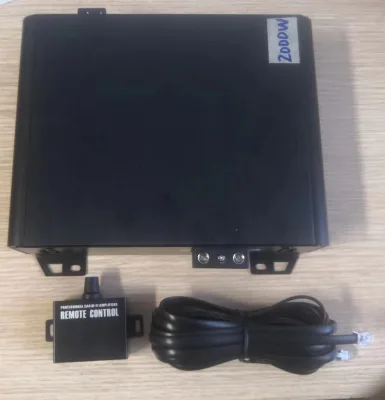
Material composition and physical construction are key differentiators in this product category. Aluminum casted housings are frequently observed, providing necessary heat dissipation and structural durability for high-power applications. The color palette is predominantly black, aligning with standard automotive aesthetic preferences, but customization options are available for bulk orders. Packaging varies from individual units to bulk cartons containing five pieces, which impacts logistics and storage requirements for procurement teams. Furthermore, the observed product range includes items with varying frequency responses, from low-frequency subwoofer ranges of 10-200 Hz to higher frequency bands up to 8000 Hz. This disparity suggests that buyers must carefully match the amplifier’s frequency range to the specific drivers they intend to power, as a mismatch can lead to poor audio performance or potential damage to the speakers.
Technical Specifications to Verify
When evaluating Class D mono amplifiers, the signal-to-noise ratio (SNR) is a critical metric for ensuring audio clarity. Observed data points to SNR values ranging between 91 and 100 dB, which is a desirable range for high-fidelity applications. Buyers should verify that the specific unit under consideration meets or exceeds this threshold to minimize background hiss and ensure clean signal reproduction. Additionally, the conductive mode, often listed as Class D, dictates the efficiency and thermal profile of the amplifier. It is essential to confirm that the amplifier’s class matches the intended application, as Class D units are generally preferred for their ability to deliver high power with minimal heat output. The element number, often described as "Monoamplifier," confirms the single-channel nature of the device, which is crucial for systems requiring dedicated subwoofer amplification.
Power output and channel configuration are equally important technical parameters that require rigorous verification. While the core keyword specifies a mono amplifier, some listings describe units with "4CH" outputs or "RMS Power: 60W*4CH," which may indicate bridgeable configurations or multi-channel units marketed for mono subwoofer use. Buyers must clarify whether the amplifier is a true single-channel device or a multi-channel unit capable of bridging to mono. Maximum power ratings, such as 85W, and RMS power figures provide insight into the amplifier’s capability, but these numbers must be interpreted in the context of the load impedance (typically 4 ohms or 2 ohms in automotive applications). Frequency range specifications, such as 10-200 Hz for subwoofers or 1000-8000 Hz for mid-range drivers, must align with the target speaker’s operational bandwidth to ensure optimal performance.
Compliance and Safety Documentation
Safety and regulatory compliance are non-negotiable aspects of sourcing automotive electronics. Buyers must ensure that all amplifiers meet the electrical safety standards of the destination market, particularly regarding voltage regulation and short-circuit protection. Automotive environments present unique challenges, including voltage spikes and fluctuating power supplies, so amplifiers must be equipped with robust protection circuits. Documentation should include evidence of compliance with relevant electromagnetic compatibility (EMC) standards to prevent interference with other vehicle systems, such as navigation or communication devices. While specific certification marks were not explicitly detailed in the observed listings, buyers should request test reports or certificates of conformity from suppliers to verify that the products adhere to international safety norms.
Thermal management and material safety are also critical compliance considerations. The use of aluminum casted housings is beneficial for heat dissipation, but buyers should verify that the materials used are free from hazardous substances and meet environmental regulations such as RoHS. The operating temperature range of the amplifier should be clearly defined to ensure it can withstand the heat generated within a vehicle’s cabin or trunk. Additionally, the warranty terms, often listed as one year for observed products, provide a baseline for supplier confidence in product durability. Buyers should assess whether the warranty covers both manufacturing defects and performance degradation, and whether the supplier offers local support or replacement parts to minimize downtime in case of failure.
Cost Drivers and Commercial Terms
The cost of Class D mono car amplifiers is influenced by several factors, including power output, build quality, and customization requirements. Observed price ranges vary significantly, reflecting differences in component quality and brand positioning. Buyers should consider the total cost of ownership, which includes not only the unit price but also shipping, tariffs, and potential costs associated with returns or warranty claims. Minimum order quantities (MOQs) observed in the market range from 1 to 1000 units, with some suppliers offering lower MOQs for sample orders. Understanding these thresholds is crucial for budgeting and inventory planning, especially for small businesses or custom installers who may not require large volumes.
Customization options can impact both cost and lead times. Suppliers offering customization services may charge additional fees for branding, packaging, or specific technical modifications. The observed product packing options, such as 5PCS/CTN, suggest that bulk orders may benefit from optimized packaging to reduce shipping costs. Buyers should negotiate clear terms regarding payment methods, delivery schedules, and liability for damaged goods. It is also important to clarify whether the quoted prices include taxes and duties, as these can significantly affect the final landed cost. Establishing a transparent commercial agreement helps prevent unexpected expenses and ensures a smooth procurement process.
Supplier Qualification and Quality Control
Selecting a reliable supplier is paramount to ensuring the quality and consistency of Class D mono car amplifiers. Buyers should prioritize suppliers with a proven track record in manufacturing automotive audio components. Verification of the supplier’s production capabilities, including their quality control processes and testing facilities, is essential. Suppliers located in regions known for electronics manufacturing, such as Guangdong, China, may offer competitive pricing and advanced technical expertise, but buyers must conduct thorough due diligence to assess their reliability. Requesting samples before placing bulk orders allows buyers to evaluate the product’s performance, build quality, and adherence to specifications.
Quality control measures should include rigorous testing of each unit for electrical performance, thermal stability, and durability. Buyers should inquire about the supplier’s defect rate and their procedures for handling non-conforming products. Establishing a clear communication channel with the supplier ensures that any issues can be addressed promptly. Additionally, buyers should verify the supplier’s ability to provide consistent product quality across multiple batches, as variations in components or manufacturing processes can lead to performance inconsistencies. Building a long-term relationship with a qualified supplier can lead to better pricing, priority support, and access to new product innovations.
Long-Term Procurement Checks
Sourcing Class D mono car amplifiers is not a one-time transaction but an ongoing process that requires continuous monitoring and evaluation. Buyers should regularly review supplier performance metrics, including on-time delivery rates, product quality, and responsiveness to issues. Keeping abreast of technological advancements in amplifier design, such as improvements in Class D efficiency or new protection features, can help buyers stay competitive and offer better products to their customers. Regular audits of the supply chain can identify potential risks, such as component shortages or changes in manufacturing practices, allowing for proactive mitigation strategies.
Feedback from end-users and field performance data are valuable indicators of product reliability. Buyers should collect and analyze this information to identify common failure modes or areas for improvement. Engaging with suppliers to discuss these findings can lead to product enhancements and stronger partnerships. Additionally, buyers should stay informed about changes in regulatory requirements and market trends that may impact the demand for specific amplifier features. By maintaining a strategic approach to procurement, buyers can ensure a steady supply of high-quality Class D mono car amplifiers that meet the evolving needs of their customers.
FAQs
What is the warranty period for this amplifier?
The warranty period is 1 year for this product. This coverage applies to the professional-grade unit designed for car audio systems, ensuring reliability during the specified timeframe.
Can I customize the amplifier for specific needs?
Yes, customization is available for this amplifier. Buyers can request specific modifications to meet unique requirements while maintaining the core professional and Hi-Fi functionality of the device.
Which car models fit this amplifier?
This amplifier fits Hafei, Saab, E-One, and Backroad Choppers vehicles. The design accommodates various car fitments, making it versatile for different automotive audio installation scenarios.
How many channels does the amplifier support?
The amplifier supports 4 channels for audio output. This configuration allows for a robust sound system setup, delivering clear audio across multiple speakers in a vehicle environment.
What is the frequency range of the unit?
The frequency range spans from 10 Hz to 8000 Hz depending on the specific model configuration. This broad range ensures deep bass and clear highs for high-fidelity audio reproduction.
What material is the amplifier constructed from?
The amplifier is constructed from aluminum casted material. This durable construction provides excellent heat dissipation and structural integrity for professional and Hi-Fi audio applications.