Source Classic Pink Plastic Napkin Ring for Weddings, Parties, and Dining
Find 30 options for the Classic Pink Plastic Napkin Ring to compare designs, materials, and suppliers. Evaluate zinc alloy and metal alternatives alongside plastic versions for restaurant table decoration and wedding celebration needs.
Key considerations
Products List
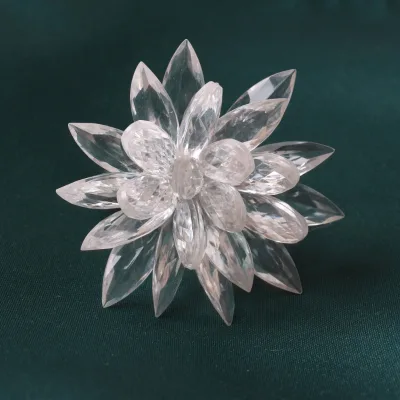
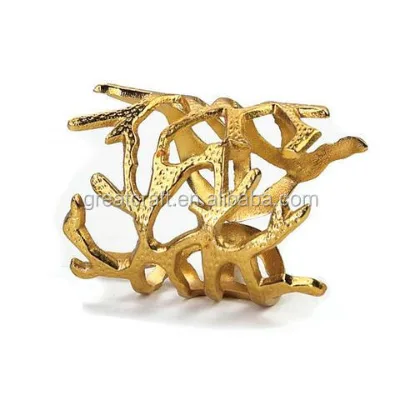
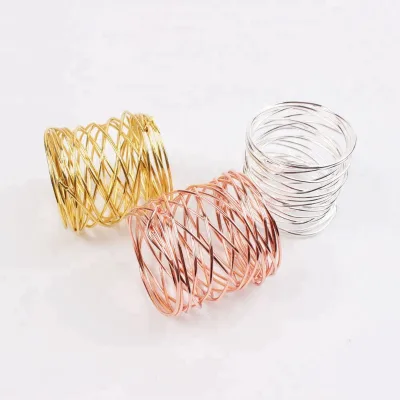
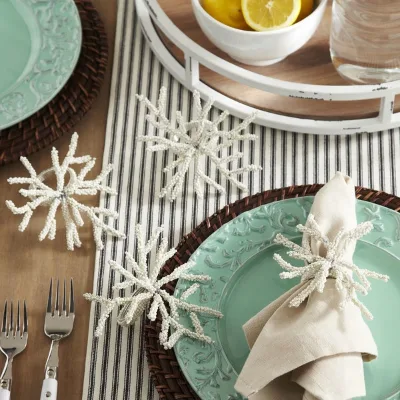

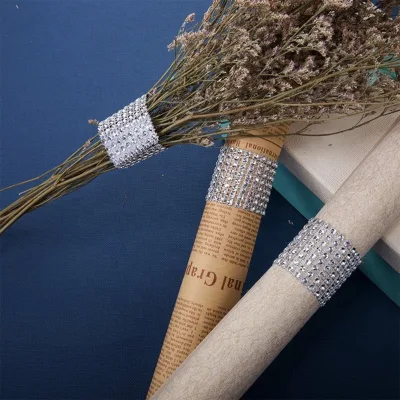
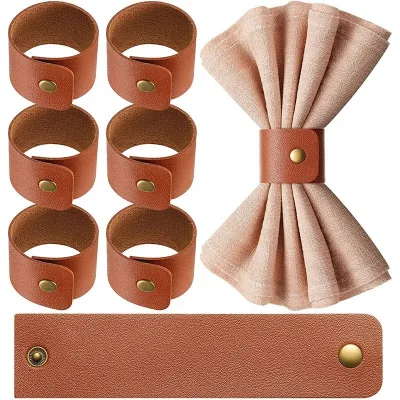
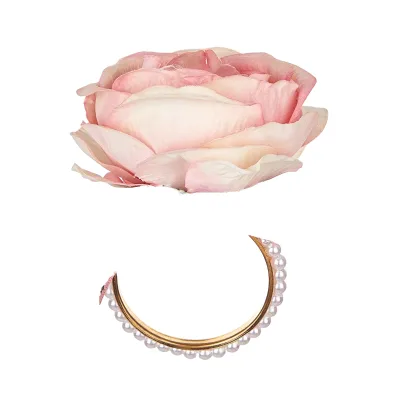
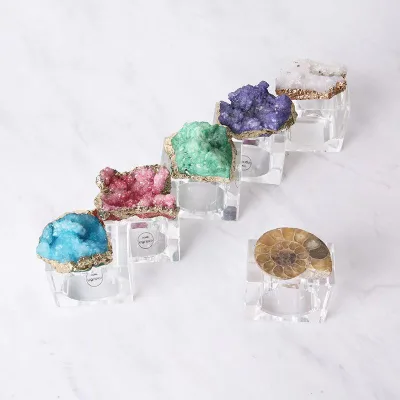


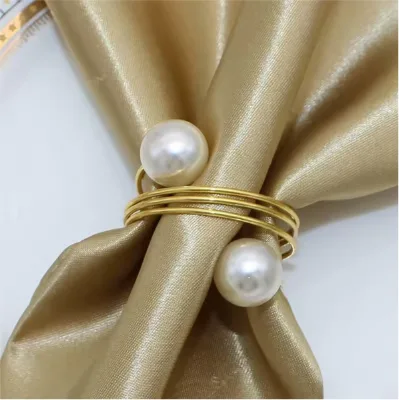
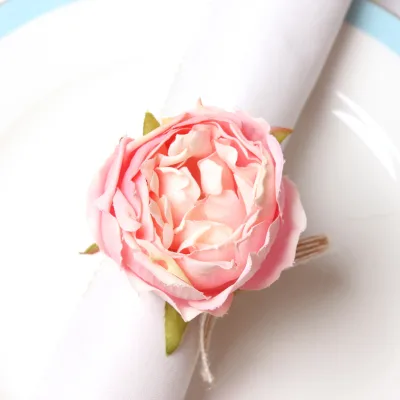
Flower Napkin Ring Eco-Friendly Metal Gold Dinner Napkin Rings for Wedding
$1.00 - $1.25
MOQ: 200 pieces


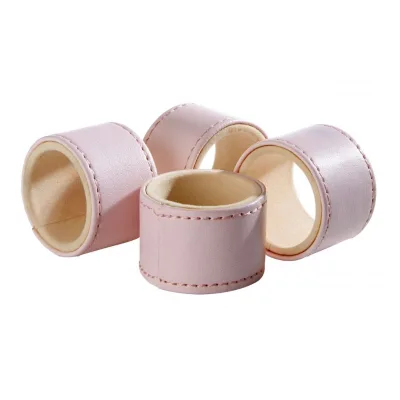


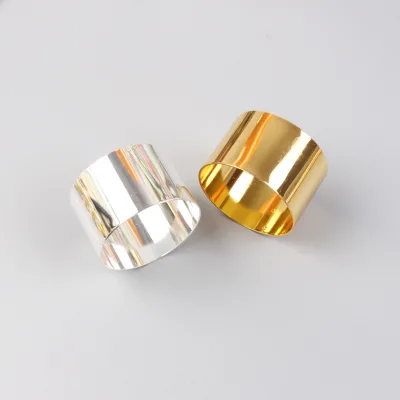
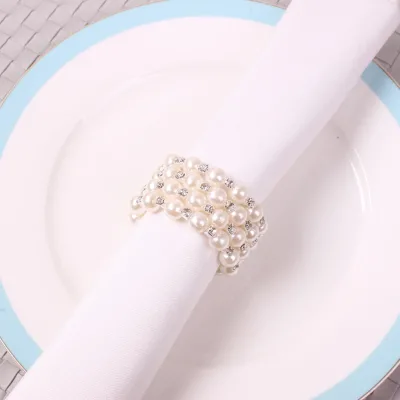




Comprehensive Sourcing Guide
Classic Pink Plastic Napkin Ring Sourcing Guide
Sourcing classic pink plastic napkin rings requires a nuanced understanding of the intersection between aesthetic trends and functional durability. While the provided product data highlights a diverse range of materials including metal, zinc alloy, and various plastics, the specific request for a "classic pink plastic" variant necessitates careful filtering of supplier listings. The observed market signals indicate a strong presence of minimalist and bohemian styles, with plating colors ranging from white and blue to gold and rose gold. However, buyers seeking a distinct pink hue in plastic must verify if this color is a standard stock item or a custom request, as the supplied facts primarily list white, gold, silver, and rose gold options. The term "classic" often implies a timeless, simple design rather than ornate or heavily textured forms, which aligns with the observed "Minimalist" and "Plain" style attributes in the current inventory.
Procurement teams must also navigate the variability in product naming and categorization. The supplied data shows inconsistencies in product names, such as "Napking Ring," "Nakpin Ring," and "Hotel Table Decoration Crown Sliver Napkin Ring," which can complicate search results. Furthermore, the observed price range of $0.03 to $15.32 USD suggests a wide disparity in quality, packaging, and minimum order quantities (MOQ). A Classic Pink Plastic Napkin Ring is likely positioned in the lower to mid-range of this spectrum, but buyers should be cautious of listings that may be mislabeled or represent premium metal alternatives. Understanding these listing signals is crucial for accurately identifying suppliers who specialize in the specific material and color combination required for your brand’s table setting aesthetic.
Product Scope and Observed Listing Signals
The current market landscape for napkin rings is characterized by a mix of functional utility and decorative appeal. The supplied facts indicate that these products are primarily used for restaurant table decoration, hotel settings, and special occasions such as weddings, festivals, and back-to-school events. For a Classic Pink Plastic Napkin Ring, the scope likely extends beyond formal dining to include casual dining, cafes, and themed events where a soft, feminine, or retro aesthetic is desired. The observed "Bohemian" and "Minimalist" styles suggest that buyers can find options that range from simple, smooth bands to more textured or patterned designs, even within the plastic category. It is essential to distinguish between products marketed as "fashionable" or "designs" and those that are strictly utilitarian, as this distinction often correlates with price and perceived value.
Material composition is a critical differentiator in the observed listings. While the data explicitly mentions "Value Plastic Reflectors" and general "Plastic" materials, it also heavily features metal options like zinc alloy with plating. Buyers must ensure that the supplier is not substituting a metal product with a pink plating for a plastic one, or vice versa. The observed single gross weights vary significantly, from 0.040 kg to 0.500 kg, which can serve as a proxy for material density and perceived quality. A lightweight plastic ring will likely fall on the lower end of this weight spectrum, whereas a heavier, more substantial piece might indicate a thicker plastic or a composite material. Verifying the exact material type is vital to avoid receiving products that do not meet the expected tactile and visual standards of a "classic" design.
Technical Specifications to Verify
When evaluating technical specifications for a Classic Pink Plastic Napkin Ring, the internal diameter and flexibility are paramount. The supplied data notes a size range of 4.5cm to 5.5cm for some metal variants, which provides a benchmark for standard napkin ring dimensions. Buyers should verify that the plastic rings have sufficient elasticity to accommodate various napkin thicknesses without cracking or deforming permanently. The observed "Customized Size" attribute suggests that suppliers may offer tailored dimensions, which is beneficial for brands with specific napkin requirements. However, for a standard classic design, buyers should confirm that the ring maintains its shape under repeated use and does not become loose over time, which is a common failure point for lower-quality plastic products.
Surface finish and color consistency are other key technical aspects to verify. The supplied facts mention plating colors like white, blue, gold, and rose gold, but for a plastic product, the focus shifts to the uniformity of the pink dye and the smoothness of the surface. Buyers should request samples to check for color variations between batches, as plastic dyes can be sensitive to manufacturing conditions. Additionally, the observed "Nickel-Free" plating feature for metal products highlights the importance of material safety; while plastic does not contain nickel, buyers should ensure that the plastic is free from harmful additives like BPA or phthalates, especially if the rings will come into contact with food or be used in high-end dining settings. The "Opp Bag" and "Carton" packing methods observed suggest that protection during shipping is a consideration, so buyers should also assess the durability of the packaging to prevent damage to the rings.
Compliance and Safety Documentation
Compliance with food contact regulations is a critical requirement for napkin rings, even if they are not directly used as eating utensils. Buyers must verify that the plastic material used for the classic pink napkin rings complies with relevant food safety standards, such as FDA regulations in the United States or EU Framework Regulation (EC) No 1935/2004 in Europe. The supplied data does not explicitly mention food-grade certification for the plastic items, so procurement teams should actively request documentation confirming that the material is safe for incidental food contact. This is particularly important for products used in restaurants and hotels, where health authorities may inspect tableware accessories for compliance.
Environmental and chemical safety standards are also relevant, especially given the growing emphasis on sustainable sourcing. While the supplied facts mention "Eco-Friendly" attributes for some products, buyers should clarify what this entails for the plastic napkin rings. Does it refer to recyclable materials, biodegradable components, or simply the absence of certain hazardous chemicals? Buyers should request Material Safety Data Sheets (MSDS) and test reports from accredited laboratories to verify the absence of heavy metals, lead, and other toxic substances. Additionally, if the product is marketed as "Nickel-Free" or similar, buyers should ensure that this claim is supported by third-party testing, even if the primary material is plastic, to maintain brand integrity and consumer trust.
Cost Drivers and Commercial Terms
The cost of classic pink plastic napkin rings is influenced by several factors, including material quality, color complexity, and order volume. The observed price range of $0.03 to $15.32 USD indicates that basic plastic rings are likely at the lower end, while more complex designs or premium materials command higher prices. The MOQ range of 1 to 5000 pieces suggests that suppliers are flexible, but buyers should be aware that lower MOQs may come with higher unit costs. For a specific color like pink, buyers may need to meet a higher MOQ to justify the custom dyeing process, or they may need to pay a premium for a small batch of a non-standard color.
Commercial terms such as payment methods, shipping costs, and lead times also impact the total cost of ownership. The supplied data mentions "Customized Logo" and "Customized Size," which may incur additional setup fees or mold charges. Buyers should clarify whether these costs are one-time or recurring and how they affect the unit price. Additionally, the observed packing methods, such as "4 Pcs / Set" or "Carton," can influence shipping efficiency and costs. Buyers should optimize their order quantity to maximize container space and minimize per-unit shipping costs, while also considering the storage requirements at their destination. Clear communication regarding these terms is essential to avoid unexpected expenses and ensure a smooth procurement process.
Supplier Qualification and Quality Control
Selecting the right supplier for classic pink plastic napkin rings requires a thorough evaluation of their manufacturing capabilities and quality control processes. Buyers should verify the supplier’s experience in producing plastic tableware accessories and their ability to maintain consistent color and quality across batches. The observed "Customized Logo" and "Customized Size" attributes suggest that the supplier has the flexibility to meet specific brand requirements, but buyers should assess their track record in handling such customizations. Requesting references or case studies from previous clients can provide insights into the supplier’s reliability and professionalism.
Quality control measures should be clearly defined and agreed upon before placing an order. Buyers should establish clear acceptance criteria for color accuracy, dimensional tolerance, and surface finish. The observed "Single gross weight" variations suggest that weight can be a useful metric for quality control, so buyers should specify acceptable weight ranges for the products. Additionally, buyers should consider implementing pre-shipment inspections to verify that the products meet the agreed-upon standards. This can help identify and rectify any issues before the goods are shipped, reducing the risk of receiving defective or non-conforming products. Clear communication of quality expectations and regular monitoring of the supplier’s performance are key to maintaining a high standard of product quality.
Long-Term Procurement Checks
Long-term procurement success depends on building a sustainable and resilient supply chain for classic pink plastic napkin rings. Buyers should regularly review supplier performance metrics, including on-time delivery rates, product quality consistency, and responsiveness to issues. Establishing a long-term partnership with a reliable supplier can lead to better pricing, priority production, and improved service levels. Buyers should also stay informed about industry trends and regulatory changes that may impact the procurement of plastic tableware accessories, such as new environmental regulations or shifts in consumer preferences.
Continuous improvement and innovation are essential for maintaining a competitive edge. Buyers should encourage suppliers to explore new materials, designs, and manufacturing techniques that can enhance the product’s value and appeal. For example, the development of more eco-friendly plastic options or innovative designs that combine functionality with aesthetics can differentiate the product in the market. Buyers should also consider diversifying their supplier base to mitigate risks associated with supply chain disruptions. By maintaining a proactive approach to supplier management and product development, buyers can ensure a steady supply of high-quality classic pink plastic napkin rings that meet their evolving business needs.
FAQs
What materials are used for classic pink plastic napkin rings?
Classic pink plastic napkin rings are primarily made from value plastic reflectors or standard plastic materials. Some listings also feature metal options like zinc alloy, but the core plastic variants rely on durable plastic compositions for table decoration use.
Can I find customized sizes for these napkin rings?
Yes, customized sizes are available for napkin rings to meet specific table decoration needs. The product specifications indicate that size can be tailored, allowing buyers to request dimensions that fit their particular event or restaurant requirements effectively.
Which occasions are suitable for using these napkin rings?
These napkin rings are suitable for various occasions including weddings, festivals, parties, and back-to-school events. They serve as versatile table decoration accessories designed to enhance the aesthetic appeal of dining tables during different celebrations and gatherings.
How are these napkin rings typically packaged for shipment?
Packaging options vary, with some items shipped in individual OPP bags while others come in sets of four pieces per set. Bulk orders may utilize carton packing, ensuring the products remain protected during transit from the manufacturing location in China.
What is the minimum order quantity for these products?
The minimum order quantity can range from 1 piece up to 5000 pieces depending on the specific supplier and product model. Some listings specify a standard MOQ of 50 pieces, while others offer flexible ordering options for smaller or larger bulk purchases.
Are there eco-friendly options available for napkin rings?
Yes, eco-friendly options are available among the listed napkin ring products. Buyers can select items specifically marked as eco-friendly, ensuring that the table decoration accessories align with sustainable sourcing practices and environmental standards for their events.
Can I request a customized logo on these napkin rings?
Customized logos are available for napkin rings to support branding efforts for hotels or events. This customization allows businesses to add their specific designs or names to the product, making it a unique promotional item for their table decoration needs.