Source Classic Rhinestone Gold Plated Necklace and Earrings Set for Wedding, Party, Gift
Find 30 options for the Classic Rhinestone Gold Plated Necklace and Earrings Set suitable for weddings, parties, and gifts. Buyers can compare metal alloys, plating types, weights, and certifications from suppliers in China.
Key considerations
Products List


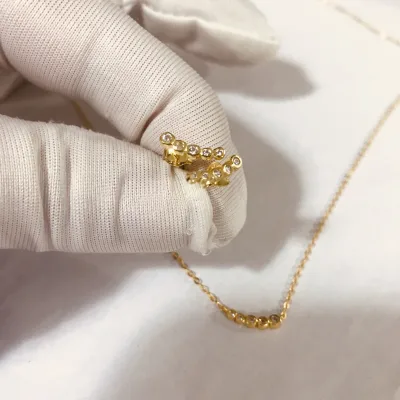


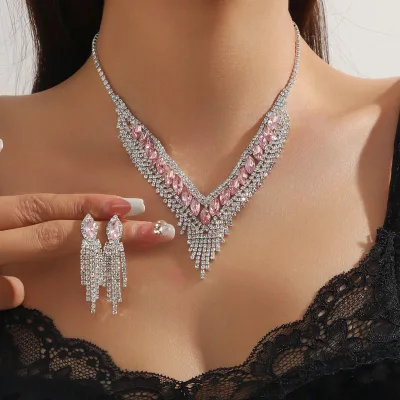


Rhinestone V-Shaped Necklace Earrings Jewelry Set for Daily Wedding Catwalk Jewelry
$0.95 - $1.44
MOQ: 100 Pieces


Comprehensive Sourcing Guide
Strategic Sourcing Guide for Classic Rhinestone Gold Plated Jewelry Sets
The global market for bridal and formal jewelry continues to demonstrate robust demand, with the Classic Rhinestone Gold Plated Necklace and Earrings Set serving as a cornerstone product for both retail and corporate gifting sectors. For procurement professionals, navigating this category requires a disciplined approach that balances aesthetic appeal with rigorous technical verification. The following guide outlines the essential factors for sourcing these items, drawing strictly from observed market data and established industry standards to ensure a compliant and cost-effective supply chain.
Technical Specifications and Material Composition
When evaluating a classic rhinestone gold plated set, the foundational element is the material composition. Market observations indicate a diverse range of base metals used in this category, including metal alloy, stainless steel, and general alloy constructions. The choice of base metal significantly influences the durability, weight, and final cost of the product. For instance, specific product listings have recorded weights ranging from approximately 4.3 grams to over 140 grams, suggesting a wide variance in design density and material usage. A set weighing 80 grams or 140 grams implies a substantial use of metal, which may be preferable for heavy, statement pieces, whereas lighter weights might indicate delicate, everyday wear items.
The plating process is equally critical for achieving the "gold plated" aesthetic. Observed data confirms that products are available with Gold plating, as well as Silver plating, and specific color variations such as 14k Yellow Gold, 18k Yellow Gold, Rose Gold, and White Gold. Buyers must verify the thickness and quality of the plating, as this determines the longevity of the color against tarnish and oxidation. The standard specifications for dimensions often include necklace lengths of 45+5 cm and earring dimensions around 4*4 cm, though these figures should be treated as reference points rather than universal constants. The shape of the components is typically described as "as picture," indicating that visual confirmation is necessary before finalizing orders, as the design can vary significantly between styles like "Fashion," "Star Fashion," or "Elegant."
Compliance, Certification, and Safety Standards
In the B2B jewelry sector, regulatory compliance is non-negotiable, particularly for products destined for markets in Europe and North America. The supplied data highlights a strong emphasis on eco-friendly attributes, with many products explicitly listed as Lead Free, Nickel Free, and Cadmium Free. These restrictions are critical for meeting international safety standards, as heavy metals can cause allergic reactions and pose health risks. Buyers should prioritize suppliers who can provide third-party verification for these claims.
Several recognized certification bodies appear in the market data, including BSCI, SGS, BV, and Intertek. These organizations provide essential audits for social compliance and product quality. For example, the presence of SGS, BV, and Intertek certificates suggests that the manufacturer has undergone rigorous testing for material safety and production ethics. When sourcing, procurement teams must request current, valid certificates that specifically cover the product model in question. It is important to note that while some listings mention a "Quality Standard" of "Us Standard," this is a general descriptor. Buyers should verify if the specific product meets the relevant ASTM or ISO standards applicable to their target market, rather than relying on generic labels. The origin of these products is frequently cited as Zhejiang, China, a major manufacturing hub, which necessitates strict oversight to ensure that the stated certifications are authentic and up-to-date.
Cost Drivers and Pricing Dynamics
Understanding the cost structure of rhinestone jewelry sets is vital for budgeting and margin analysis. The observed price range in the market spans from $0.70 to $28.88 USD, a variance that reflects differences in material quality, plating thickness, design complexity, and order volume. The lower end of the spectrum likely corresponds to basic alloy sets with thinner plating and simpler packaging, while the higher end may involve stainless steel bases, thicker gold plating, or intricate rhinestone settings.
The Minimum Order Quantity (MOQ) is another significant cost driver, with observed ranges extending from 1 to 300 units. High-volume orders often unlock better unit pricing, but the flexibility of low MOQs allows for testing new designs with reduced financial risk. Additionally, the price policy is frequently listed as "Quote Based," indicating that final costs are subject to negotiation based on customization requirements, order size, and shipping terms. Customization services, such as OEM and ODM acceptance, are widely available, but these services invariably add to the base cost. Buyers should factor in the expenses associated with mold creation, sample development, and the specific packaging requirements, such as PE Polybags, Paper Cards, or Gift Boxes, which can vary in cost.
Typical Applications and Market Segmentation
The versatility of the classic rhinestone gold plated set makes it suitable for a broad spectrum of applications. Market data identifies key usage scenarios including Anniversary, Gift, Wedding, Party, and Engagement. The "Wedding" and "Engagement" categories are particularly significant, as these occasions demand high aesthetic standards and often require bulk purchasing for bridal parties. Furthermore, the product is noted for "Religious" usage and general "Decoration," expanding its utility beyond personal adornment to ceremonial and interior design contexts.
The target demographic is primarily female, with styles ranging from "Fashion" to "Elegant" and "Star Fashion." This diversity allows buyers to cater to different market segments, from casual wearers looking for "Informal Occasions" accessories to formal buyers seeking pieces for "Halloween" or high-end "Party" events. The main markets for these products are identified as Europe, North America, and Russia, suggesting that sourcing strategies should account for the specific aesthetic preferences and regulatory requirements of these regions. For instance, European buyers may place a higher premium on eco-friendly certifications, while North American buyers might prioritize the "Us Standard" of quality.
Supplier Evaluation and Operational Capabilities
Selecting the right supplier requires a comprehensive evaluation of their operational capabilities and logistical infrastructure. The data indicates that suppliers offer customization services and accept both OEM and ODM requests, which is essential for brands looking to differentiate their product lines. However, the ability to customize does not guarantee quality; therefore, buyers must assess the supplier's track record in delivering consistent results.
Logistics is a critical component of the sourcing process. The observed shipment methods include DHL, UPS, TNT, and others, indicating that suppliers are equipped to handle international freight. However, lead times and shipping reliability can vary. Buyers should establish clear communication channels regarding production schedules and delivery timelines. The origin of the products, primarily Zhejiang, China, suggests a mature supply chain, but buyers must verify the specific factory's capacity to handle their volume requirements. Additionally, the packaging options, ranging from individual OPP bags to cartons and gift boxes, should be evaluated for their ability to protect the product during transit while meeting the brand's unboxing experience standards.
Quality Control and Long-Term Procurement Strategy
Implementing a robust quality control (QC) protocol is essential to mitigate risks associated with jewelry procurement. Given the variability in weight (from 4.3g to 140g) and the reliance on visual standards ("as picture"), buyers should mandate pre-shipment inspections. These inspections should verify the accuracy of the plating, the security of the rhinestone settings, and the adherence to the specified dimensions. The "Quality Standard" of "as picture" implies that the physical sample must match the digital or physical reference provided, making the approval of a golden sample a critical milestone before mass production.
For long-term procurement, building a strategic partnership with suppliers who demonstrate consistency in certification and material quality is advisable. The availability of certifications like BSCI and SGS suggests that many suppliers are committed to ethical and safe manufacturing practices. However, buyers should not assume that all listed products from a supplier meet these standards; verification on a per-order basis is necessary. By maintaining a clear understanding of the cost drivers, technical specifications, and compliance requirements, buyers can effectively navigate the market for classic rhinestone gold plated necklace and earrings sets, ensuring a supply chain that is both efficient and reliable.
Comparative Analysis of Product Attributes
To facilitate decision-making, the following table summarizes key attributes observed in the market for this product category. This comparison highlights the variance in specifications that buyers must consider when selecting a supplier.
| Attribute Category | Observed Variance | Key Considerations for Buyers |
|---|---|---|
| Base Material | Metal Alloy, Stainless Steel, General Alloy | Verify material safety and durability; Stainless Steel offers higher corrosion resistance. |
| Plating Type | Gold, Silver, 14k/18k Yellow, Rose, White | Confirm plating thickness and color accuracy; Gold plating is standard for "classic" looks. |
| Weight Range | 4.3g – 140g | Heavier items may imply higher material costs and a more substantial feel; lighter items suit delicate designs. |
| Dimensions | Necklaces 45+5 cm, Earrings 4*4 cm | Verify specific measurements against design requirements; "as picture" is common. |
| Certifications | BSCI, SGS, BV, Intertek | Ensure certificates are current and cover the specific product model and materials. |
| Eco-Friendly | Lead Free, Nickel Free, Cadmium Free | Mandatory for EU/US markets; verify test reports for heavy metal content. |
| Packaging | PE Polybag, OPP Bag, Gift Box, Carton | Select packaging that aligns with brand image and protects the product during shipping. |
| MOQ | 1 – 300 units | Lower MOQs allow for testing; higher volumes reduce unit cost but increase inventory risk. |
| Origin | Zhejiang, China | Major manufacturing hub; verify factory location and audit status. |
By adhering to these guidelines and leveraging the detailed product data available, procurement professionals can make informed decisions that align with their brand's quality standards and market objectives. The key to success lies in meticulous verification of every attribute, from the microscopic plating layer to the macroscopic logistics plan, ensuring that the final product meets the expectations of the end consumer.
FAQs
What materials are used for Classic Rhinestone Gold Plated Necklace and Earrings Set?
These sets typically use metal alloy, stainless steel, or general alloy as the base material. The plating options include gold, silver, 14k yellow gold, 18k yellow gold, rose gold, and white gold to achieve the desired aesthetic finish.
Can I find eco-friendly options for Classic Rhinestone Gold Plated Necklace and Earrings Set?
Yes, many products are explicitly listed as lead-free, nickel-free, and cadmium-free. These eco-friendly attributes are critical for meeting safety standards in Europe and North America and preventing allergic reactions.
Which certifications are available for Classic Rhinestone Gold Plated Necklace and Earrings Set?
Recognized certifications include BSCI, SGS, BV, and Intertek. Buyers should request current certificates to verify social compliance and product quality, ensuring the specific model meets international safety requirements.
How much does a Classic Rhinestone Gold Plated Necklace and Earrings Set cost?
The observed price range spans from 0.70 to 28.88 USD depending on material and design. Final costs are often quote-based and vary with customization, order volume, and specific packaging requirements like gift boxes.
What is the minimum order quantity for Classic Rhinestone Gold Plated Necklace and Earrings Set?
The minimum order quantity ranges from 1 to 300 units. Lower MOQs allow for design testing, while higher volumes typically unlock better unit pricing and are suitable for bulk corporate gifting or retail stocking.
Where are Classic Rhinestone Gold Plated Necklace and Earrings Set manufactured?
Products are primarily sourced from Zhejiang, China, a major manufacturing hub. Buyers should verify the specific factory location and audit status to ensure the stated certifications and quality standards are authentic.