Source Classic Rainbow Nose Studs for Parties, Weddings, and Daily Wear
Explore 30 listings of Classic Rainbow Nose Studs from verified suppliers in China. Buyers can compare materials like stainless steel and zinc alloy, styles ranging from geometric to trendy, and pricing details to find the right fit for parties, weddings, or daily decoration.
Key considerations
Products List
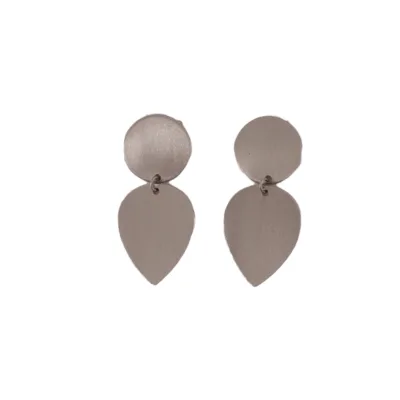
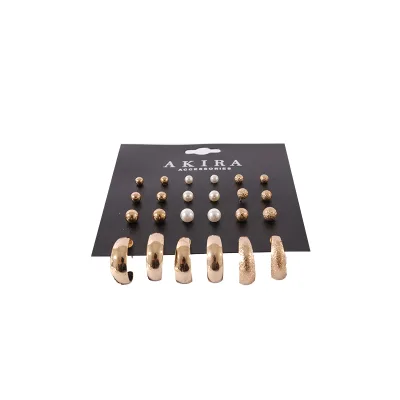
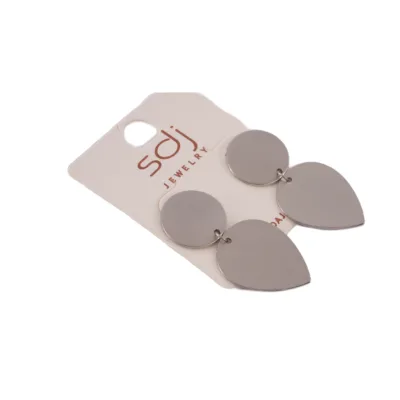
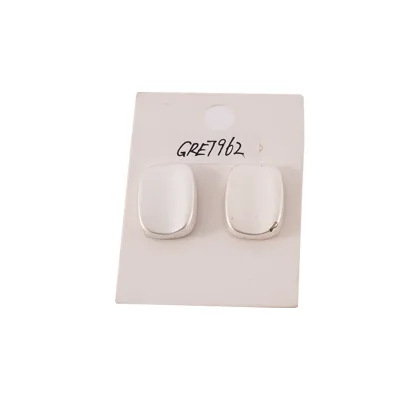
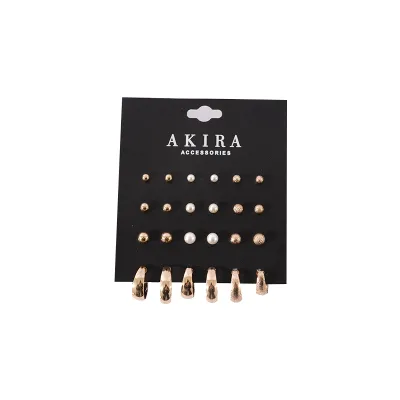
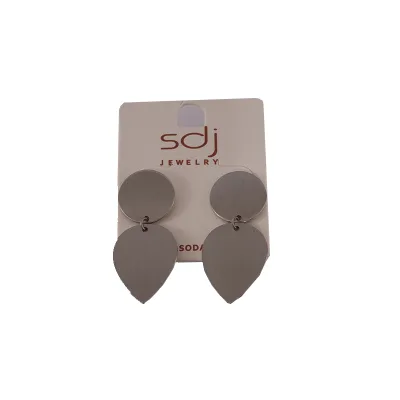


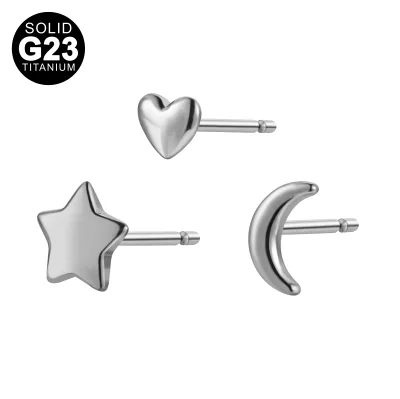


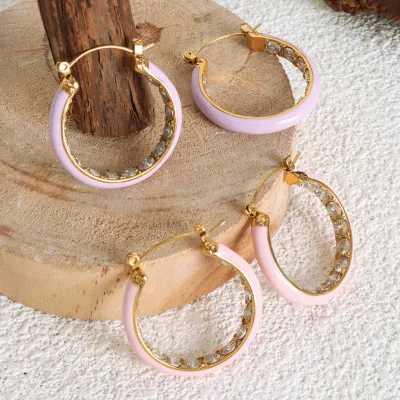

Comprehensive Sourcing Guide
Strategic Sourcing Guide for Classic Rainbow Nose Studs
Navigating the global market for Classic Rainbow Nose Studs requires a precise understanding of material science, regulatory compliance, and supply chain logistics. While the visual appeal of a "classic rainbow" finish often suggests a specific aesthetic of multi-colored plating, the underlying procurement strategy must focus on the structural integrity, hypoallergenic properties, and manufacturing consistency of the product. Buyers must distinguish between the decorative surface treatment and the core material, as the longevity of the rainbow effect depends entirely on the plating technology and the substrate used. This guide outlines the critical factors for sourcing these items effectively, ensuring that the final product meets both aesthetic expectations and safety standards for end-users.
Material Composition and Plating Technology
The foundation of any high-quality nose stud lies in its base material and the method used to achieve the rainbow finish. In the current market, the most common base materials include stainless steel, zinc alloy, and plastic, each offering distinct advantages regarding durability and cost. Stainless steel is frequently preferred for its corrosion resistance and hypoallergenic nature, making it suitable for sensitive skin and long-term wear. Zinc alloy provides a robust structure that allows for intricate designs but requires high-quality plating to prevent tarnishing. Plastic components are often used in the decorative elements or as the base for imitation pearl accents, though they are less common for the primary stud post itself.
The "rainbow" appearance is typically achieved through physical vapor deposition (PVD) or electroplating processes. However, specific sourcing data indicates that "Other" plating types are frequently observed in this category, suggesting a variety of proprietary or non-standard coating methods. Buyers must verify the specific inlay technology used, such as nail insertion, which secures decorative elements like imitation pearls or geometric shapes to the main body. The durability of the rainbow color is directly linked to the thickness of the plating and the adhesion technology employed. Without a robust plating layer, the multi-color effect may fade quickly, leading to customer dissatisfaction and potential returns. Therefore, the material specification must explicitly state the alloy type and the plating process to ensure the product maintains its vibrant appearance over time.
Design Specifications and Aesthetic Variations
The design of Classic Rainbow Nose Studs varies significantly based on the intended market segment and fashion trends. Common geometric patterns, such as round, star, or feather shapes, are prevalent in the current inventory. The "classic" designation often implies a timeless silhouette, such as a simple round stud or a geometric configuration, which allows the rainbow plating to be the focal point. Color options range from white and gold to silver, with the rainbow finish adding a spectrum of hues to these base tones.
Customization is a key feature in this sector, allowing buyers to tailor the shape, size, and design to specific brand identities. The model numbers associated with these products, such as 001, O22822, or 2323, indicate a wide variety of SKUs available from manufacturers. Buyers should note that while some designs are standardized, others offer customized shapes to meet unique design briefs. The gender classification often spans unisex, female, and youth categories, reflecting the versatility of the product. Additionally, the usage extends beyond mere decoration to include gifting and commemorative occasions such as anniversaries, engagements, and weddings. Understanding these design nuances is essential for selecting the right product mix that aligns with the target demographic's preferences.
Compliance, Certification, and Safety Standards
Ensuring that nose studs comply with international safety standards is paramount, especially for products intended for body piercing. The skin on the nose is sensitive, and the materials used must not cause allergic reactions or irritation. Buyers should verify that suppliers adhere to recognized standards such as SGS and CE, which indicate that the product has undergone specific testing for safety and quality. These certifications are critical for entering regulated markets in Europe and North America.
The warranty period is another indicator of supplier confidence in their product quality. Some listings offer a 12-month fade-proof warranty, suggesting a commitment to the durability of the plating. However, buyers must treat such claims as observations rather than guaranteed terms for every listed product. It is the responsibility of the procurement team to request specific test reports regarding nickel content, lead levels, and heavy metal concentrations. The absence of these certifications or test data should be a red flag, regardless of the product's aesthetic appeal. Compliance is not merely a regulatory hurdle but a fundamental aspect of brand reputation and consumer trust.
Cost Drivers and Pricing Dynamics
The pricing of Classic Rainbow Nose Studs is influenced by several factors, including material costs, plating complexity, and order volume. The observed price range in the market spans from $0.23 to $4.64 per unit, reflecting the diversity in quality and design. Lower-priced items often utilize zinc alloy or plastic with standard plating, while higher-priced options may feature stainless steel with advanced PVD coatings and intricate geometric designs.
Minimum Order Quantity (MOQ) is a significant cost driver, with ranges typically spanning from 2 to 500 units. Suppliers often offer tiered pricing structures where the unit cost decreases as the order volume increases. For instance, an MOQ of 100 pieces or 100 pairs is common for specific models, while some suppliers may require higher volumes for custom designs. Buyers must balance the initial investment against the potential for higher margins. Additionally, the selling unit format, whether single items or packaged sets, impacts the final cost structure. Understanding these dynamics allows buyers to negotiate effectively and optimize their inventory investment.
Supplier Evaluation and Production Capabilities
Selecting the right supplier requires a thorough evaluation of their production capabilities and logistical reliability. Key indicators of a reliable supplier include their place of origin, which is often listed as Shandong or Shen Zhen in China, regions known for their jewelry manufacturing expertise. The production lead time is another critical factor, with typical delivery times ranging from 7 to 15 days for standard orders and 7 to 10 days for samples.
Buyers should assess the supplier's ability to handle customization requests and their flexibility in meeting varying MOQ requirements. The availability of independent packaging or carton packaging options can also influence the supplier's suitability for different distribution channels. Furthermore, the supplier's track record in meeting delivery deadlines and maintaining consistent quality across batches is essential. A supplier that offers a wide range of model numbers and design options demonstrates a robust production capacity and the ability to adapt to changing market trends.
Quality Control and Long-Term Procurement Strategy
Implementing a rigorous quality control (QC) process is essential to maintain product standards and minimize returns. Buyers should establish clear acceptance criteria for color consistency, plating adhesion, and structural integrity. Regular inspections during the production phase and pre-shipment checks can help identify and rectify defects before the goods leave the factory. The use of standardized packaging, such as cartons or independent packaging, ensures that the products arrive in pristine condition.
For long-term procurement, building a strategic partnership with suppliers who can scale production and maintain quality consistency is vital. This involves regular communication, joint product development, and a shared commitment to compliance and safety. Buyers should also consider the environmental impact of their sourcing decisions, looking for suppliers who adopt sustainable practices in their manufacturing processes. By focusing on these long-term considerations, buyers can secure a reliable supply chain that supports their brand's growth and reputation in the competitive jewelry market.
Typical Applications and Market Positioning
Classic Rainbow Nose Studs serve a diverse range of applications, from everyday wear to special occasions. Their versatility makes them suitable for parties, weddings, and gift-giving events. The "Star Fashion" and "Simple" styles cater to different consumer preferences, allowing brands to target specific market segments. The product's usage as a decoration and gift highlights its appeal as a versatile accessory that can enhance personal style or serve as a thoughtful present.
The market positioning of these studs often emphasizes their trendy and fashionable nature, appealing to youth and fashion-conscious consumers. The combination of geometric designs, imitation pearls, and rainbow plating creates a unique aesthetic that stands out in a crowded market. By understanding these applications, buyers can tailor their marketing strategies to highlight the product's strengths and appeal to the right audience. Whether for personal use or commercial resale, the classic rainbow nose stud remains a popular choice due to its adaptability and visual impact.
FAQs
What materials are used for Classic Rainbow Nose Studs?
These studs are commonly made from stainless steel, zinc alloy, or plastic. The choice depends on durability needs and budget, with stainless steel offering corrosion resistance and zinc alloy allowing intricate geometric designs.
Can I customize the shape and size of these studs?
Yes, customization is available for shape, size, and design to meet specific brand identities. Buyers can request unique geometric patterns or round shapes, though minimum order quantities may apply for custom runs.
Which certifications ensure safety for nose piercing studs?
Look for products with SGS and CE certifications to ensure safety for sensitive skin. These standards verify that the materials meet international requirements for heavy metals and hypoallergenic properties before entering regulated markets.
How long does it take to receive sample orders?
Sample lead times typically range from 7 to 10 days for standard requests. Production lead times for bulk orders usually fall between 7 and 15 days depending on the specific model and supplier capacity.
What is the typical price range for these nose studs?
The observed price range spans from 0.23 to 4.64 USD per unit. Costs vary based on material quality, plating complexity, and order volume, with lower prices often corresponding to zinc alloy or plastic components.
Which minimum order quantities are common for these items?
Minimum order quantities typically range from 2 to 500 units depending on the supplier. Specific models often require 100 pieces or 100 pairs, while custom designs may have higher volume requirements to be cost-effective.
Can these studs be used for wedding or party occasions?
Yes, they are suitable for parties, weddings, anniversaries, and gift-giving events. The trendy and geometric designs make them versatile accessories for various occasions, often marketed as decoration or commemorative gifts.