Source Classic Wedding Envelope for Greeting, Invitation, and Gift
Find 30 suppliers offering Classic Wedding Envelope options with custom sizes and printing. Compare specifications for offset paper, lamination, and logo customization to match your stationery needs.
Key considerations
Products List
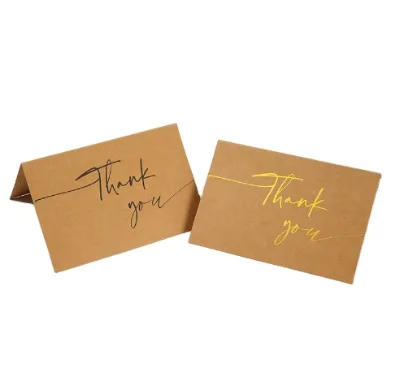
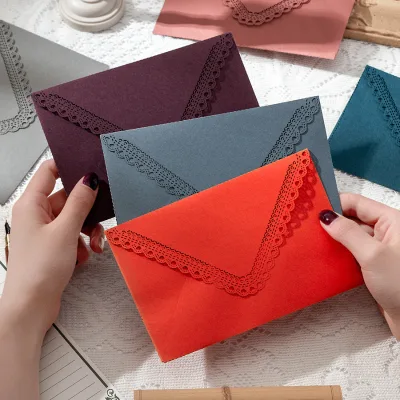
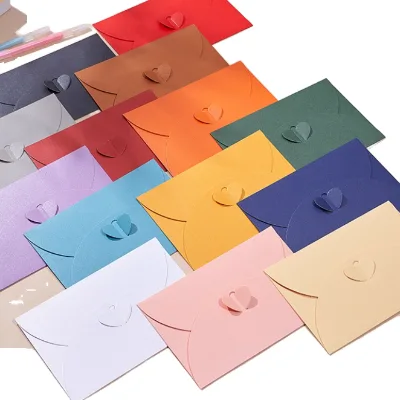


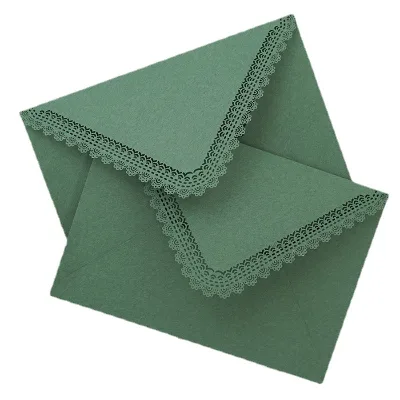


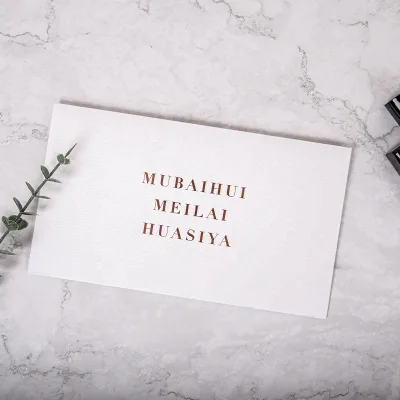
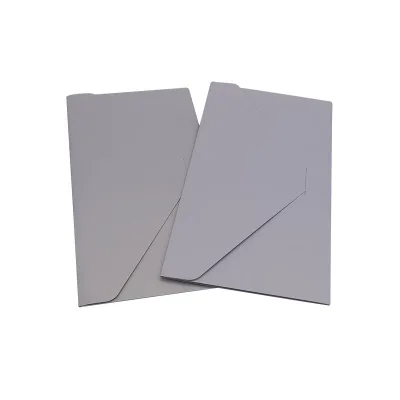
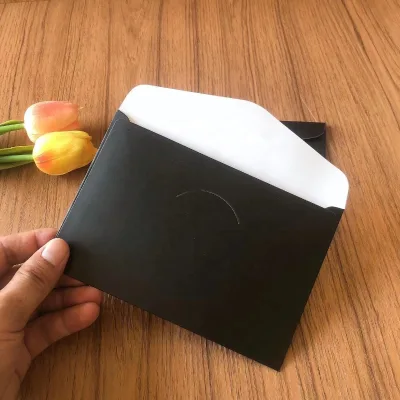
Custom Printed Luxury Colored Envelope with Liner for Wedding Invitations
$0.55 - $2.00
MOQ: 1000 Pieces

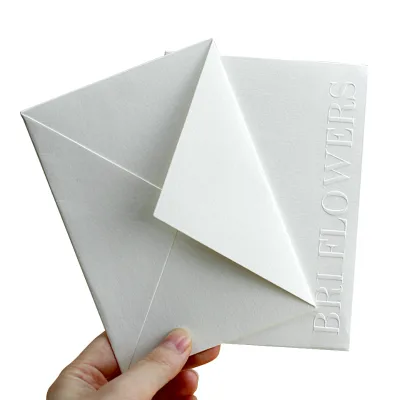

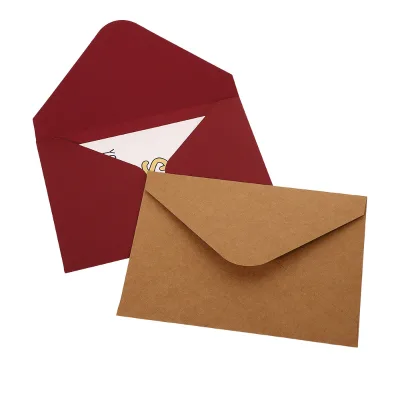
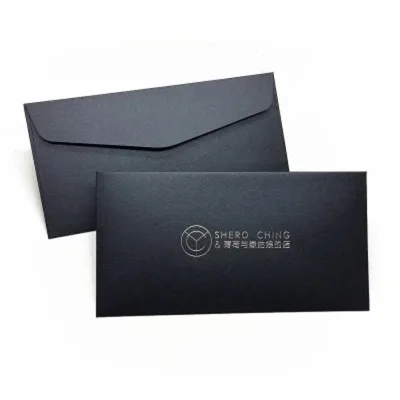
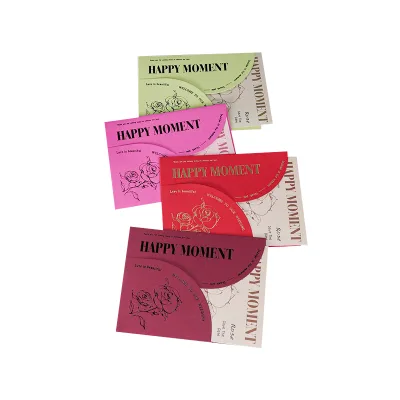
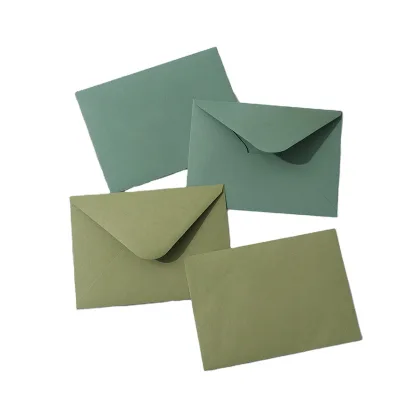
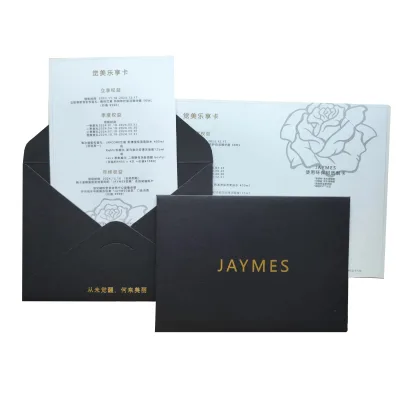
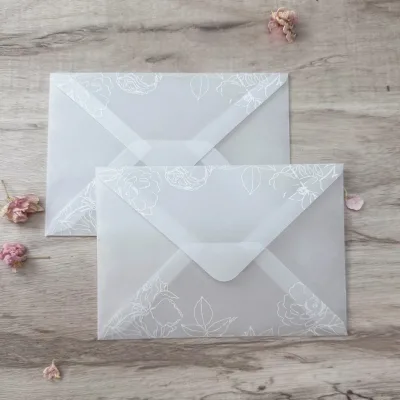
Comprehensive Sourcing Guide
Classic Wedding Envelope Sourcing Guide
Sourcing high-quality classic wedding envelopes requires a strategic approach that balances aesthetic precision with logistical reliability. These items serve as the first tactile impression of a wedding invitation suite, making their material integrity, finish, and dimensional accuracy critical to the overall guest experience. Buyers must navigate a market where "classic" can refer to various styles, from vintage cream tones to modern minimalist white, each demanding specific verification steps to ensure the final product aligns with the event's theme. The following guide outlines the essential considerations for procurement, focusing on technical specifications, compliance, cost structures, and supplier evaluation to mitigate risk and ensure a successful order.
Product Scope and Observed Listing Signals
The observed market signals indicate a diverse range of envelope types, including gift envelopes, letter envelopes, and greeting card envelopes, all categorized under stationery and promotional usage. Listings frequently highlight customization options, such as accepting customer-provided artwork, custom sizes, and various logo printing techniques like offset, UV, and silk screen printing. This suggests that buyers are not limited to off-the-shelf products but can tailor dimensions and finishes to match specific invitation designs. The presence of attributes like "Western" style and "Vintage" aesthetics further confirms that the supply chain supports traditional wedding themes, allowing for a wide array of visual interpretations.
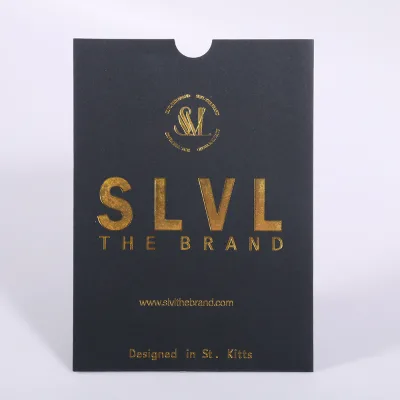
Material composition is a key differentiator in this category, with suppliers offering options ranging from art paper and coated paper to duplex board and fancy paper. Surface finishes such as film lamination, gloss lamination, matt lamination, and hot stamping are commonly available, enabling buyers to achieve premium looks like embossing or debossing. These features are crucial for creating a luxurious feel that complements high-end wedding invitations. Buyers should note that while many listings claim eco-friendly features, the specific environmental certifications or material sources should be verified directly with the supplier to ensure alignment with sustainability goals.
Technical Specifications to Verify
Dimensional accuracy is paramount for wedding envelopes, as even minor deviations can cause fitting issues with thick invitation cards or seals. Buyers must verify the exact internal dimensions against the thickness of their chosen paper stock, ensuring a snug but not tight fit. Specifications such as 16cm x 11.3cm are observed in listings, but custom sizes are widely available. It is essential to request physical samples to test the fit with actual invitation components, including wax seals or ribbon ties, before committing to a large production run. The model numbers and standard carton quantities provided by suppliers can also help in planning storage and distribution logistics.
The choice of paper weight and type significantly impacts the envelope's durability and appearance. Listings mention 80 gsm woodfree paper as a standard, but heavier stocks may be required for a more substantial feel. Buyers should confirm the GSM (grams per square meter) and the specific paper type, such as offset paper or duplex board, to ensure it meets the desired stiffness and opacity. Additionally, the printing process, whether offset, UV, or silk screen, affects the vibrancy and durability of any custom logos or text. Understanding these technical details helps in selecting a product that not only looks good but also withstands handling and mailing without damage.
Compliance and Safety Documentation
While wedding envelopes are primarily aesthetic items, compliance with safety and environmental standards is increasingly important for modern buyers. Suppliers should provide documentation regarding the materials used, particularly if the paper is claimed to be eco-friendly or recycled. Buyers should verify if the inks and adhesives used in the printing and assembly processes are non-toxic and safe for handling, especially if the envelopes will be used in events with children or sensitive individuals. Although specific certification statuses are not detailed in the observed listings, requesting proof of compliance with relevant international standards is a prudent step.
Packaging standards also play a role in compliance, as improper packaging can lead to product damage and waste. Listings indicate various packaging methods, including paper tubes, cartons, and custom requests, with standard carton quantities like 2000 pieces per carton. Buyers should ensure that the packaging protects the envelopes from moisture, crushing, and other environmental factors during transit. Clear labeling and adherence to shipping regulations are essential to avoid delays or additional costs. Verifying these aspects ensures that the product arrives in pristine condition and meets any regulatory requirements for imported goods.
Cost Drivers and Commercial Terms
The cost of classic wedding envelopes is influenced by several factors, including material quality, customization complexity, and order volume. Custom sizes, special finishes like hot stamping, and intricate logo designs typically increase the unit price. Buyers should be aware that while some listings offer free samples, the cost of bulk production can vary significantly based on the chosen specifications. Understanding the minimum order quantity (MOQ) is crucial, as it affects the total investment and inventory management. Listings show MOQs ranging from 500 to 200,000 pieces, providing flexibility for different budget scales.
Commercial terms such as payment methods, lead times, and shipping arrangements also impact the overall cost. Buyers should negotiate clear terms regarding sample approval, production timelines, and quality acceptance criteria. The observed price range of 0-2 USD suggests a competitive market, but buyers should look beyond the unit price to consider total landed costs, including shipping and duties. Transparent communication with suppliers about these terms helps in avoiding hidden fees and ensures a smooth transaction process. Planning for these variables allows for more accurate budgeting and financial forecasting.
Supplier Qualification and Quality Control
Evaluating supplier qualifications is essential to ensure consistent quality and reliable delivery. Buyers should assess the supplier's experience in producing wedding stationery and their ability to handle custom orders. Checking for past client testimonials or case studies can provide insights into their reliability and customer service. The observed listings indicate that suppliers are located in China, with specific mentions of Anhui as a production origin. Verifying the supplier's manufacturing capabilities and quality control processes is crucial to ensure that the final product meets the specified standards.
Quality control measures should include pre-production samples, in-process inspections, and final random inspections. Buyers should establish clear acceptance criteria for color accuracy, print quality, and dimensional tolerance. The ability of the supplier to provide customized packaging and branding options is also a valuable indicator of their flexibility and attention to detail. Engaging with suppliers who demonstrate a commitment to quality and customer satisfaction helps in building a long-term partnership. Regular communication and feedback loops during the production process can help identify and resolve issues early.
Long-Term Procurement Checks
Establishing long-term procurement strategies involves regular performance reviews and continuous improvement initiatives. Buyers should track key performance indicators such as on-time delivery, defect rates, and customer satisfaction to evaluate supplier performance over time. Building a relationship with a reliable supplier can lead to better pricing, priority production, and improved service levels. The observed customization options and flexible packaging solutions suggest that suppliers are capable of adapting to changing market demands and buyer preferences.
Sustainability and innovation are also important considerations for long-term success. Buyers should explore opportunities to incorporate more eco-friendly materials and processes into their envelope sourcing. This not only aligns with global trends but also enhances the brand image of the wedding invitation suite. Staying informed about new technologies and materials in the stationery industry can provide competitive advantages. By maintaining a proactive approach to supplier management and product development, buyers can ensure a consistent supply of high-quality classic wedding envelopes for future events.
FAQs
What materials are used for classic wedding envelopes?
These envelopes are made from paper and paperboard, including art paper, coated paper, duplex board, and fancy paper. The specific material selection allows for customization to meet different aesthetic and durability requirements for wedding invitations.
Can I get a customized logo on these envelopes?
Yes, you can accept a customized logo with options for embossing, debossing, and hot stamping. The supplier accepts customer-provided artwork to ensure the branding matches your specific wedding theme or business identity perfectly.
What is the minimum order quantity for these envelopes?
The minimum order quantity is 500 pieces, though observed ranges can extend up to 200,000 units depending on the supplier. This flexibility allows buyers to order small batches for testing or large volumes for major events.
How are these envelopes packaged for shipping?
Packaging is available in paper tubes, cartons, or as requested by the buyer. Standard packing often involves 2000 pieces per carton with dimensions around 36 by 25 by 30 centimeters to ensure safe transport.
What printing methods are available for these envelopes?
Available printing methods include offset printing, UV printing, and silk screen printing. These techniques support various surface finishes like gloss lamination, matt lamination, and hot stamping to achieve high-end results.
Are samples available for classic wedding envelopes?
Free samples are available for potential buyers to evaluate quality before placing a large order. This allows clients to verify the paper type, printing quality, and overall finish without immediate financial commitment.
Where are these envelopes manufactured?
These envelopes are manufactured in China, specifically originating from Anhui province. This location supports the production of various paper products with competitive pricing and established logistics for international shipping.