Source classic three-dimensional jade jadeite pendant for gifts, parties, and anniversaries
Explore 30 listings for the classic three-dimensional jade jadeite pendant featuring oval, heart, and custom shapes. Buyers can compare 925 sterling silver and jade crystal options with customizable logos and OEM services for jewelry decoration.
Key considerations
Products List


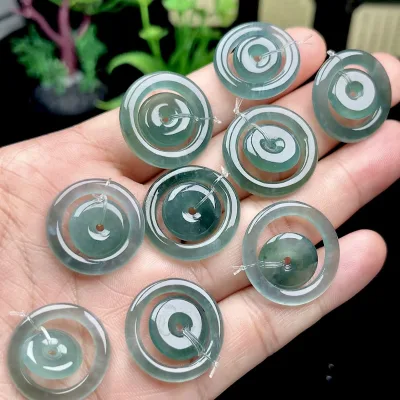


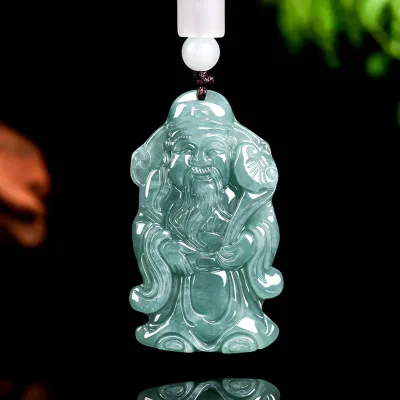
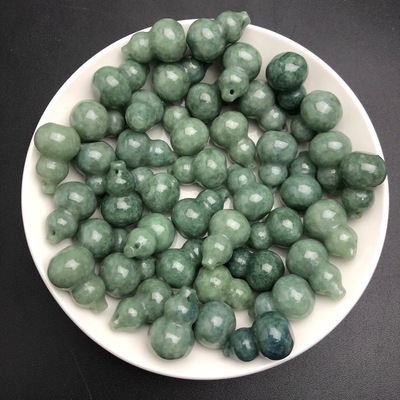

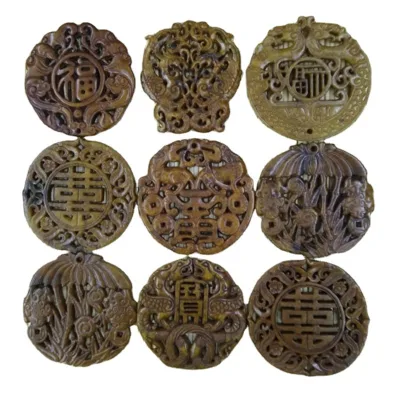

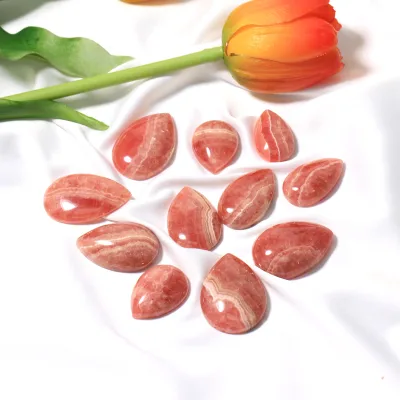


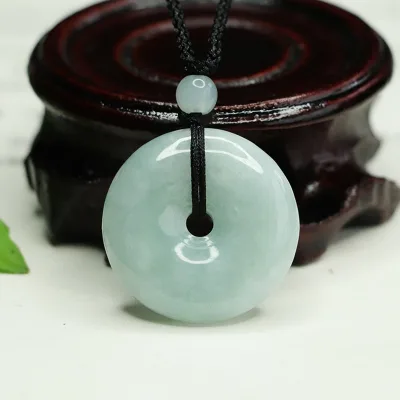

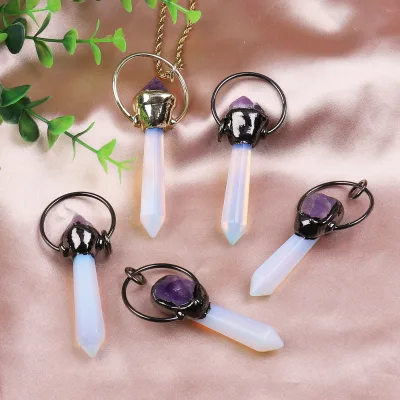
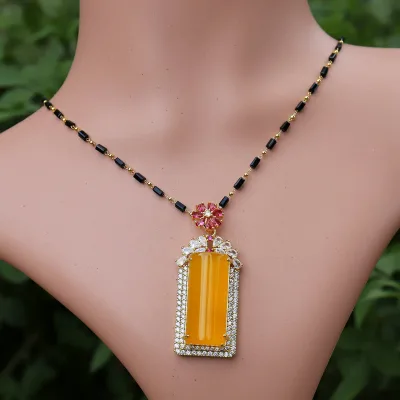


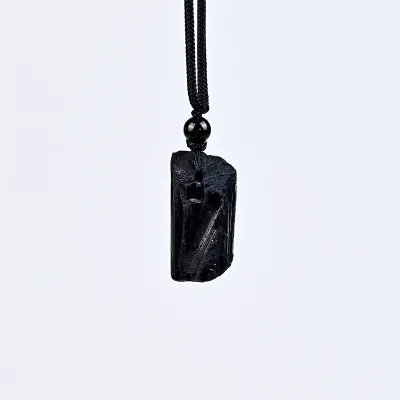
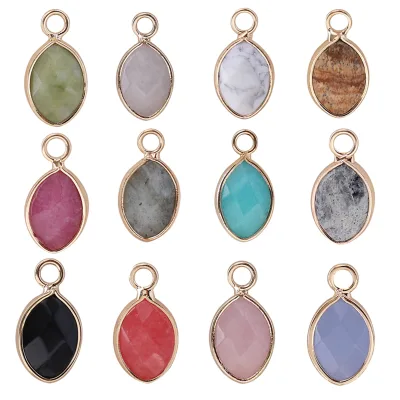
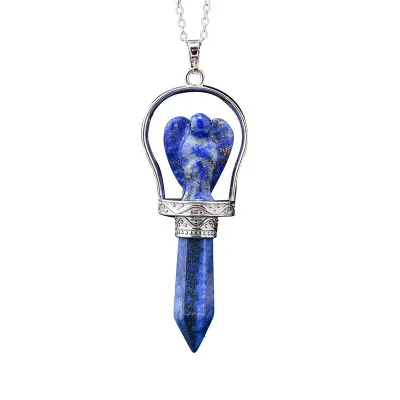
Comprehensive Sourcing Guide
Strategic Sourcing Guide for Classic Three-Dimensional Jade and Jadeite Pendants
Understanding Product Definitions and Material Variations
In the global B2B jewelry market, the term "classic three-dimensional jade jadeite pendant" encompasses a diverse range of items where visual depth and material authenticity are paramount. Buyers must first distinguish between the specific material attributes observed in the current supply landscape. The supplied product data indicates a clear divergence in material composition, with listings explicitly identifying "925 Sterling Silver" as a primary structural component alongside "Jade crystal" and general "Jade" classifications. This distinction is critical because "Jade" in trade contexts often refers to nephrite, while "Jadeite" implies a different mineralogical composition with distinct market valuations.
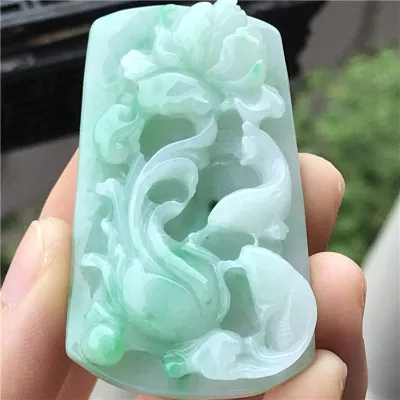
When sourcing, the observation that "Jewelry Main Material" is listed as "Jade" alongside "Material Type: Other" suggests that suppliers may use varying definitions for their inventory. A classic three-dimensional pendant typically requires a carving process that creates depth, distinguishing it from flat, two-dimensional designs. The product specifications note that shapes can be "Oval," "Heart," or "same as picture," indicating that the three-dimensional aspect is often achieved through the carving technique rather than a fixed geometric shape. Buyers should verify that the "Jade" or "Jadeite" mentioned in the product title corresponds to the actual stone material and not merely a color description or a synthetic alternative. The presence of "925 Sterling Silver" in some listings suggests a hybrid construction where the stone is set in silver, while other entries imply the pendant might be the stone itself or carved from a composite material.
Technical Specifications and Dimensional Standards
Technical due diligence is essential when evaluating three-dimensional pendants, as the physical dimensions directly impact the perceived value and wearability of the item. The provided data reveals significant variability in size specifications. One entry lists a specific dimension of "47.52612mm," which provides a concrete reference for a substantial pendant. However, other listings describe the size as "Customized" or "Same as picture," which introduces ambiguity. For a classic three-dimensional design, the depth (the third dimension) is a crucial metric; a pendant described as 12mm deep offers a different visual profile than one that is 5mm deep.
The single package size data, ranging from "10X5X5 cm" to "10X5X10 cm," offers insight into the bulk and potential fragility of the items. A package size of 10x5x10 cm suggests a taller or more irregularly shaped item compared to the 10x5x5 cm configuration. Buyers must ensure that the "Model Number" (such as XCDZ-050, XCDZ-023, or XCJP487) corresponds to the specific dimensional requirements of their target market. The "Single gross weight" of 0.100 kg (100 grams) is a notable data point for heavier, substantial pendants, but this may not apply to all listings, as the "Selling Units" are often "Single item" with varying weights.
Furthermore, the "Inlay technology" varies, with some products utilizing "Channel setting" while others are categorized as "other." For a three-dimensional pendant, the setting method determines how the stone is secured. A channel setting is typically used for stones with straight edges, whereas a three-dimensional carved stone often requires a bezel or prong setting to accommodate its irregular contours. The "Plating" attribute of "Silver" in some listings indicates that the metal components may be plated, which is a factor in long-term durability and maintenance.
Compliance, Certification, and Origin Verification
Origin and compliance are central to the procurement of jade and jadeite products. The supplied facts consistently identify the "Place of Origin" as "Tianjin, China" or generally "China." While Tianjin is a known manufacturing hub, buyers must verify if the jade material itself originates from regions known for high-quality nephrite or jadeite, such as Myanmar or specific regions in China, as the origin of the raw material significantly affects authenticity and value. The "Standard" for these products is listed as "customized," which implies that there may not be a universal, pre-existing certification standard applied to every unit.
Buyers should not assume that a product listing automatically meets international safety or quality standards. The "Standard" field being "customized" suggests that compliance is negotiated per order or per design. In the absence of specific certification data in the source text, procurement teams must request independent laboratory reports for jadeite and jade to verify natural origin and the absence of chemical treatments. The "Brand Name" varies between "XC," "XIANGCHUANG," and generic listings, indicating that branding does not guarantee a specific level of certification.
Additionally, the "OEM" and "ODM" attributes are marked as "Yes" and "Acepptable" (Acceptable), respectively. This confirms that suppliers are capable of custom manufacturing, but it also places the burden of quality assurance on the buyer. When OEM services are involved, the supplier creates the product based on the buyer's specifications, which means the "prod_standard" of "customized" becomes the buyer's responsibility to define. Buyers should establish clear acceptance criteria for material authenticity, such as requiring a certificate from a recognized gemological laboratory, before finalizing any order, especially given the high value and susceptibility to fraud in the jade market.
Cost Drivers and Pricing Structures
The pricing landscape for three-dimensional jade pendants is influenced by material composition, customization levels, and order volume. The observed price range in the market data spans from $0.58 to $284.28 USD. This wide disparity is likely driven by the difference between items described as "Jade crystal" or "Jade" in a generic sense versus those made with high-grade "Jadeite" or set in "925 Sterling Silver." The lower end of the range likely corresponds to smaller, less complex, or synthetic-adjacent materials, while the upper end reflects premium stones, intricate three-dimensional carving, and precious metal settings.
The "MOQ" (Minimum Order Quantity) is another significant cost driver, with observed ranges from 1 to 1000 units. Some listings specify an "MOQ" of "2pcs," which is highly favorable for small businesses or prototyping, while others may require bulk orders of 1000 units to achieve lower unit costs. The "Customization" attribute being "Available" and the "Logo" being "Customized" suggests that personalized designs will incur additional costs. Buyers must factor in the cost of "mould making" and "sample making" services, which are explicitly mentioned as available. These setup costs can be substantial for complex three-dimensional carvings and should be amortized over the total order quantity.
The "Selling Units" being "Single item" indicates that pricing is often calculated per piece, but the "Single gross weight" of 0.100 kg suggests that shipping costs will be a variable factor. Heavier pendants with "925 Sterling Silver" content will incur higher freight charges compared to lighter jade-only items. Buyers should analyze the total landed cost, including the base price, customization fees, sample costs, and shipping, rather than focusing solely on the unit price.
Supplier Evaluation and Operational Capabilities
Evaluating suppliers for jade and jadeite pendants requires a focus on their technical capabilities and flexibility. The data indicates that suppliers offer "OEM" and "ODM" services, with "provide mould making and sample making service" explicitly listed. This capability is crucial for buyers seeking a "classic three-dimensional" design that differs from standard catalog items. The ability to create custom molds allows for the precise replication of complex carvings, which is essential for maintaining the integrity of the three-dimensional form.
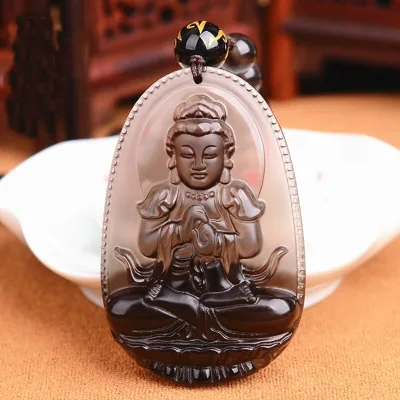
The "Style" is described as "Fashion" or "Other," and the "Design" includes options like "Buddha," "Natural," and "Heart." This variety suggests that suppliers have a broad portfolio but may lack specialization in a specific niche. Buyers should verify if the supplier has a dedicated team for jade carving, as the skill level required for three-dimensional work is significantly higher than for simple stone setting. The "Process" attribute of "Inlay technology: Channel setting" in some listings and "other" in others indicates that not all suppliers possess the same technical proficiency. A supplier capable of channel setting may not be the best choice for a free-standing, three-dimensional carved pendant.
Furthermore, the "Brand Name" variations (XC, XIANGCHUANG) suggest that many suppliers operate under multiple brand identities or white-label arrangements. Buyers should conduct due diligence to ensure that the entity they are contracting with is the actual manufacturer and not a trading company. The "Place of Origin" being Tianjin is a positive indicator of a manufacturing cluster, but buyers should request factory audits or video tours to confirm the presence of skilled artisans and appropriate machinery for jade processing.
Quality Control and Long-Term Procurement Strategy
Quality control for jade and jadeite pendants must address both the material integrity and the craftsmanship of the carving. Given that the "Standard" is "customized," buyers should implement a rigorous inspection protocol. This includes verifying the "Main Stone" is indeed natural jade or jadeite and checking for cracks, inclusions, or treatments that are not disclosed. The "Color" attributes, such as "Jadeite Pendant" or "Jade Necklace," should be matched against physical samples to ensure color consistency, as natural stones can vary significantly in hue.
For long-term procurement, the "Customization" and "OEM" capabilities offer a strategic advantage. Buyers can develop exclusive designs that differentiate their brand in the market. However, the "Lead time" and "MOQ" flexibility must be managed carefully. While some suppliers offer an MOQ of 2pcs, this may not be sustainable for large-scale production runs. Buyers should negotiate tiered pricing structures that reward larger volumes while maintaining the flexibility to adjust designs based on market feedback.
The "Usage" of "Jewelry Decoration" and "Occasion" of "Anniversary, Gift, Party" indicates that these products are often purchased for specific events. This seasonal demand pattern requires suppliers to have robust inventory management and production scheduling capabilities. Buyers should also consider the "Gender" attribute of "Unisex," which expands the potential market but requires neutral design aesthetics. Finally, the "Plating" of "Silver" requires quality checks to ensure the plating thickness meets durability standards, preventing tarnishing or peeling over time. By focusing on these technical and operational factors, buyers can build a resilient supply chain for high-quality three-dimensional jade pendants.
FAQs
Can I customize the shape and logo for these pendants?
Yes, customization is available for shapes like oval or heart and for logos. Suppliers offer OEM services to produce pendants with specific designs, allowing buyers to request unique dimensions or branding on the jade or silver components.
What materials are used for the classic three-dimensional pendants?
Materials include 925 Sterling Silver, Jade crystal, and general Jade. Some listings specify Jadeite, while others list the material type as other, so buyers must verify the specific stone composition and metal content for each product model.
What is the minimum order quantity for these pendants?
The minimum order quantity ranges from 2 pieces to 1000 units depending on the supplier. Some vendors accept small orders of just two pieces, while others require bulk purchases to achieve lower unit costs or to cover mold making fees.
Where are these jade pendants manufactured and shipped from?
Products originate from China, with specific manufacturing hubs identified in Tianjin. Buyers should verify the place of origin for raw materials, as the manufacturing location does not always guarantee the source of the jade or jadeite stone itself.
How are the pendants packaged and what are their dimensions?
Single package sizes vary from 10x5x5 cm to 10x5x10 cm, and specific dimensions like 47.5x26x12mm are available. Customized sizes are also offered, so the physical profile depends on the specific model number and carving depth requested by the buyer.
Do suppliers provide sample making and mold services?
Yes, suppliers provide sample making and mold making services for custom designs. This capability supports the creation of complex three-dimensional carvings, though buyers should expect additional costs for these setup services before mass production begins.