Source Classical Guitar Hard Case for Musicians, Schools, and Travelers
Find 30 options for a Classical Guitar Hard Case featuring materials like leather, ABS, and fiberglass. Compare models such as PH-C10 and CFG15B with varying sizes, customization, and lead times to suit your needs.
Key considerations
Products List


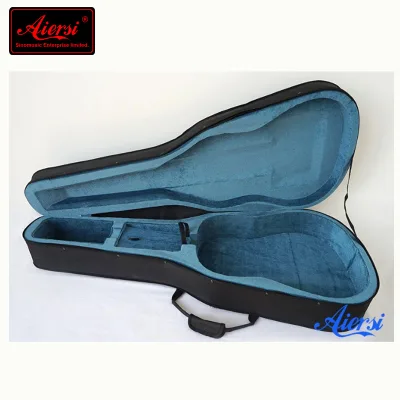
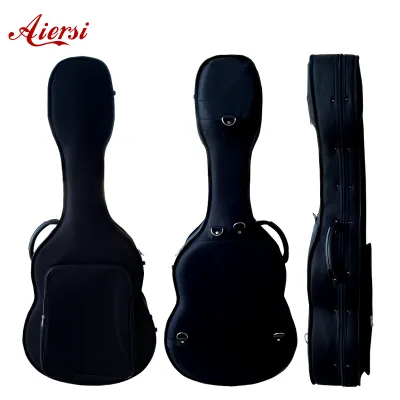
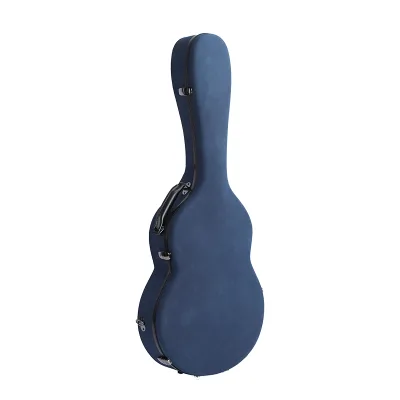
Aiersi Brand High Quality Colour Fiberglass Classical Guitar Hard Case
$120.00 - $125.00
MOQ: 1 Pieces


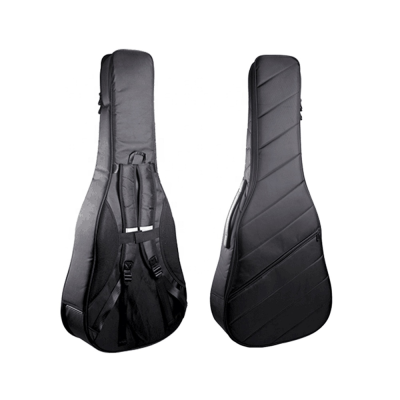
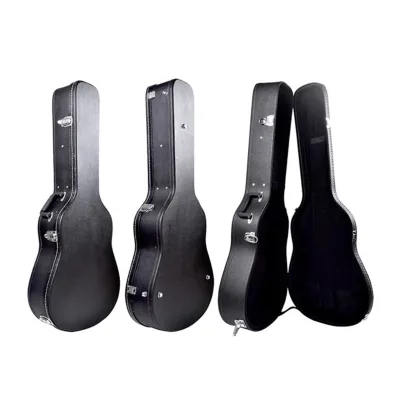
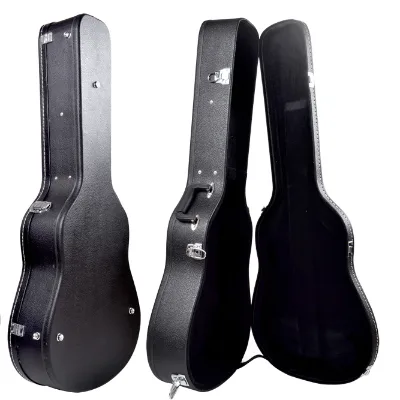
Waterproof Shockproof Plastic Protective Case for Musical Instrument Guitar Hard Case
$230.00 - $350.00
MOQ: 100 Pieces





Comprehensive Sourcing Guide
Classical Guitar Hard Case Sourcing Guide
Sourcing a Classical Guitar Hard Case requires a nuanced understanding of the balance between protective rigidity and acoustic instrument sensitivity. Unlike standard acoustic or electric guitar cases, classical guitars feature wider necks and nylon strings that exert different tension profiles on the body, necessitating specific internal geometries. Buyers must prioritize cases that offer precise internal contours to prevent movement during transit while ensuring that the exterior shell provides sufficient impact resistance. The market offers a variety of materials, from high-density ABS plastics to fiberglass and hybrid constructions, each presenting distinct advantages in terms of weight, durability, and cost. Understanding these material differences is the first step in defining a procurement specification that aligns with your brand’s quality standards and logistical requirements.
The procurement landscape for these cases is characterized by significant customization potential and a wide range of price points. Suppliers often welcome OEM and ODM requests, allowing buyers to tailor exterior aesthetics, interior linings, and hardware configurations to match their brand identity. However, this flexibility introduces complexity in quality control, as variations in molding processes or material sourcing can lead to inconsistencies in fit and finish. Buyers should approach sourcing with a clear definition of their non-negotiable attributes, such as waterproofing capabilities, lock mechanisms, and interior padding density. By establishing these parameters early, you can filter suppliers more effectively and ensure that the final product meets the rigorous demands of professional musicians and retail consumers alike.
Product Scope and Observed Listing Signals
The current market listings indicate a diverse product range with observed prices spanning from $2.64 to $350 USD, reflecting the vast difference between basic soft-shell hybrids and premium hard-shell constructions. Minimum Order Quantities (MOQs) vary significantly, ranging from 1 to 500 units, which suggests that suppliers cater to both small boutique brands and large-scale distributors. This wide variance in commercial terms implies that buyers should not assume uniform pricing structures across all suppliers. Instead, they must evaluate the value proposition of each tier, considering that lower-priced items may lack critical protective features or use inferior materials, while higher-priced options often include enhanced durability, better hardware, and more robust customization options.
Observed product attributes reveal a strong emphasis on customization and specific design features. Many listings highlight "Double Open" or "Single Open" configurations, which refer to the accessibility of the instrument during storage or quick access scenarios. Additionally, waterproofing is a frequently cited feature, indicating that many modern hard cases are designed to withstand environmental exposure, a critical factor for musicians traveling in varied climates. The presence of OEM and ODM acceptance suggests that suppliers are equipped to handle branded orders, including logo printing and custom color schemes. Buyers should verify these claims through sample requests, as marketing language may not always reflect the actual performance of the product under stress or environmental testing.
Technical Specifications to Verify
Internal dimensions and fit are the most critical technical specifications for a Classical Guitar Hard Case. The case must accommodate the wider neck and body shape of a classical guitar without leaving excessive empty space that could allow the instrument to shift during transit. Buyers should verify that the internal padding, often made from cotton, nylon, or plush materials, is securely attached and provides adequate cushioning. The hardness of the shell is another key factor; while some cases offer partial hardness for a balance of weight and protection, others provide full rigidity for maximum safety. It is essential to confirm that the internal contours match the specific model of the classical guitar being protected, as generic shapes may not provide optimal support for the delicate headstock and body curves.
Exterior materials and structural integrity also require careful verification. Common materials include ABS plastic, which offers a good balance of durability and weight, and fiberglass, which provides superior impact resistance but may be heavier. Buyers should inspect the quality of the hinges, latches, and handles, as these components are prone to failure if not constructed from high-grade metals or reinforced plastics. The presence of features such as waterproof seals, pressure equalization valves, and reinforced corners should be confirmed through physical inspection or detailed product specifications. Additionally, the weight of the case, which can range from lightweight designs to heavier, more robust constructions, should be considered in relation to the intended use, whether for frequent travel or stationary storage.
Compliance and Safety Documentation
While specific certification requirements may vary by destination market, buyers should ensure that their suppliers can provide relevant safety and quality documentation. This may include material safety data sheets (MSDS) for the plastics or fabrics used, particularly if the case is intended for markets with strict chemical regulations. Buyers should also verify that the case meets any local standards for impact resistance and durability, although these standards are often industry-specific rather than legally mandated. It is crucial to request test reports or quality assurance certificates from suppliers to confirm that the products have undergone rigorous testing for structural integrity and material safety.
Documentation should also cover the manufacturing processes and quality control measures implemented by the supplier. Buyers should inquire about the supplier’s internal quality management systems and whether they conduct regular inspections during production. This information can provide insight into the consistency of the product quality and the supplier’s commitment to maintaining high standards. Additionally, buyers should ensure that the supplier provides clear labeling and packaging instructions, which are essential for compliance with international shipping regulations and for ensuring that the product arrives at the destination in optimal condition.
Cost Drivers and Commercial Terms
Several factors influence the final cost of a Classical Guitar Hard Case, including the choice of materials, the complexity of the design, and the level of customization required. High-quality ABS or fiberglass shells, along with premium interior linings and hardware, will naturally command higher prices. Customization options such as logo printing, custom colors, and unique interior configurations can also add to the cost, as they require additional setup and production time. Buyers should request detailed quotations that break down these costs to understand the value proposition of each option and to identify potential areas for cost optimization without compromising quality.
Commercial terms, including lead times and payment conditions, are also significant cost drivers. Lead times can vary from immediate stock availability to several weeks for customized orders, with some suppliers indicating lead times of 20 to 25 days. Buyers should factor these lead times into their inventory planning to avoid stockouts or delays in fulfilling customer orders. Payment terms, such as deposits or letters of credit, should be negotiated to align with the supplier’s requirements and the buyer’s cash flow needs. It is also important to consider shipping costs and import duties, which can significantly impact the total landed cost of the product.
Supplier Qualification and Quality Control
Selecting the right supplier is critical to ensuring the quality and reliability of the classical guitar hard cases. Buyers should conduct thorough due diligence on potential suppliers, including verifying their business licenses, production capabilities, and past performance. Site visits or third-party audits can provide valuable insights into the supplier’s manufacturing processes, quality control measures, and overall operational efficiency. Buyers should also request references from existing clients to gauge the supplier’s reliability and customer service quality. This due diligence helps to mitigate the risk of partnering with suppliers who may not meet the required standards or who may have inconsistent production capabilities.
Quality control measures should be established early in the procurement process to ensure that the products meet the specified requirements. Buyers should define clear quality standards and inspection criteria, including checks for material quality, dimensional accuracy, and functional performance. Regular inspections during production and before shipment can help to identify and address any issues early, reducing the risk of receiving defective products. Buyers should also establish a clear communication channel with the supplier to address any concerns or discrepancies promptly. Implementing a robust quality control system helps to ensure that the final products meet the high standards expected by professional musicians and retail consumers.
Long-Term Procurement Checks
Building a long-term relationship with a reliable supplier requires ongoing monitoring and evaluation of performance. Buyers should regularly review key performance indicators such as on-time delivery rates, product quality consistency, and responsiveness to issues. This continuous evaluation helps to identify any trends or potential problems early, allowing for proactive measures to be taken. Buyers should also maintain open communication with the supplier to discuss any changes in requirements or market conditions that may impact the procurement process. This collaborative approach helps to ensure that the partnership remains productive and mutually beneficial over time.
As market trends and customer preferences evolve, buyers should remain flexible and open to adjusting their procurement strategies. This may involve exploring new suppliers, negotiating better terms, or introducing new product features to meet changing demands. Buyers should also stay informed about industry developments and technological advancements that may impact the production or performance of classical guitar hard cases. By staying agile and responsive, buyers can maintain a competitive edge and ensure that their product offerings continue to meet the needs of their customers. Long-term success in this market depends on the ability to adapt to changes while maintaining high standards of quality and service.
FAQs
What customization options are available for guitar cases?
OEM and ODM customization are welcome for these guitar cases. Buyers can request specific branding or design changes, and the supplier offers logo printing services upon request. This allows for tailored solutions to meet unique brand requirements.
Which materials are used for the guitar case construction?
The cases are constructed using durable materials such as leather, ABS, and fiberglass. The interior features soft lining made from cotton, nylon, or nice velour plush to protect the instrument. These materials ensure high quality and long-lasting protection.
Can I find guitar cases with waterproof features?
Yes, waterproof options are available for the guitar cases listed. These cases are designed to protect instruments from moisture and environmental elements. Buyers seeking weather-resistant protection can select from the available waterproof models in the catalog.
What is the lead time for ordering these cases?
The standard lead time is approximately 20 days, though some items may be in stock or require 25 days. This timeline applies to custom orders and standard production runs. Buyers should confirm specific delivery schedules based on their order volume.
Which sizes are available for acoustic guitar cases?
Available sizes include 39-inch and 41-inch models to fit various acoustic guitars. Specific product standards correspond to these dimensions, ensuring a proper fit for different instrument types. Buyers can choose between single or double open styles depending on their needs.
How much does a guitar case weigh?
One observed model weighs 2.3 kilograms, providing a balance between protection and portability. Weight may vary slightly depending on the specific material and size selected. Buyers should check individual product specifications for precise weight details before ordering.
What packaging is used for shipping the cases?
The cases are packed in cartons or carton boxes for safe transport. This packaging ensures the products remain undamaged during shipping and handling. The standard packing method is designed to protect the case and its contents effectively.