Source Clear Acrylic Fruit Salad Dish for Hotels, Restaurants, and Homes
Compare 30 listings for the Clear Acrylic Fruit Salad Dish to find options with FDA and CE certifications. Buyers can evaluate custom sizes, eco-friendly features, and lead times ranging from 15 to 30 days for various applications.
Key considerations
Products List


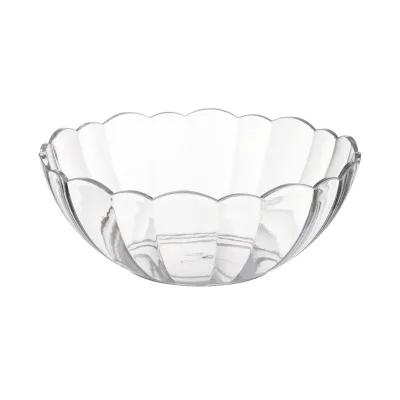


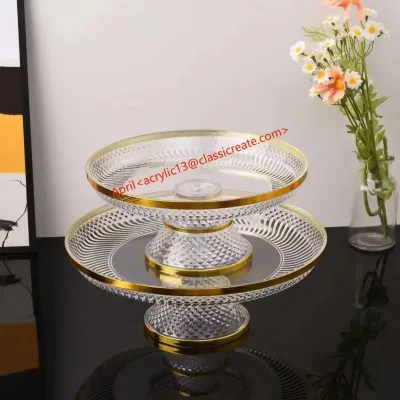
Eco-Friendly Plastic Food Dishes Special Gold Acrylic Fruit Candy Plates
$2.12 - $3.51
MOQ: 100 Pieces

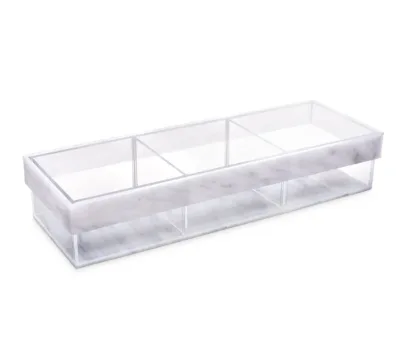
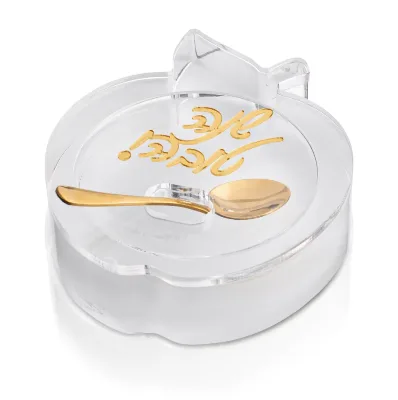


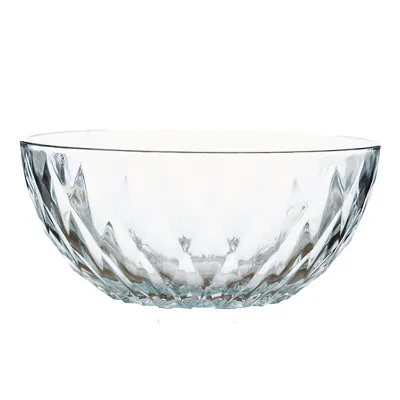
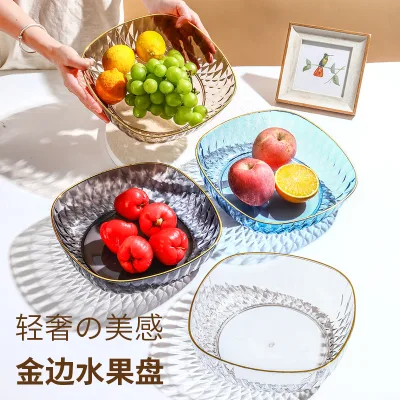

Comprehensive Sourcing Guide
Strategic Sourcing Guide for Clear Acrylic Fruit Salad Dishes
Understanding Material Properties and Technical Specifications
When sourcing clear acrylic fruit salad dishes, the primary focus must be on the material composition and its inherent physical properties. The supplied product data confirms that acrylic is a distinct material category available in this sector, separate from plastic or other polymers. Acrylic, often referred to as polymethyl methacrylate (PMMA), offers a high degree of optical clarity that mimics glass while providing superior impact resistance. For buyers evaluating clear acrylic fruit salad dishes, the observation of "Clear" as a specific color attribute is critical. This transparency allows the vibrant colors of fresh fruit to be fully visible, enhancing the aesthetic appeal of the presentation.
The technical specifications provided in the market data indicate a variety of form factors. While some listings reference a "Unique-2411" or "Q181" model number, others simply denote the model as "other" or "CF01," suggesting a highly fragmented market with numerous custom configurations. A key specification observed is the "Hot Bend" process type. This manufacturing technique is essential for creating seamless, curved edges on acrylic dishes, which improves both the tactile feel and the structural integrity of the product compared to simple cutting and gluing. The standard dimensions observed in the data include specific packing standards like "20205.5cm" and "455050cm," though these likely refer to carton dimensions rather than the dish itself. Buyers must verify the actual product dimensions, as the data also notes "Custom Size" and "Customized Shape" as available options. The "Rectangle" shape is explicitly mentioned alongside "Customized Shape," indicating that while standard geometric forms exist, the market is heavily geared toward bespoke requirements.
Furthermore, the data highlights a "Non-Disposable" attribute for certain items, which is a crucial distinction for commercial buyers. Unlike single-use plastic alternatives, these acrylic dishes are designed for repeated use in hotel, restaurant, and home settings. This durability is a direct result of the material's resilience. However, the "Antitheft" attribute is listed as "Not Antitheft," meaning these dishes do not possess built-in security features and should be treated as standard inventory items requiring standard loss prevention protocols.
Compliance, Certification, and Regulatory Standards
For B2B procurement, particularly in the food service industry, verifying compliance is non-negotiable. The supplied facts list several certifications that are relevant to this product category, including "FDA," "CE/EU," "SGS," and "EEC." The presence of FDA certification is particularly significant for fruit salad dishes, as it indicates the material is deemed safe for direct food contact in the United States market. Similarly, CE/EU and EEC certifications suggest compliance with European safety and environmental standards, which is vital for suppliers exporting to the European Union.
The data also references "SGS" certification, a globally recognized inspection, verification, testing, and certification company. The presence of SGS implies that the manufacturer has undergone third-party verification of their product quality and safety standards. Buyers should note that while these certifications are listed as "High-confidence facts" in the context of the product pool, they are not universal to every single SKU. For instance, one listing shows "FDA, SGS," while another shows "FDA, CE/EU, SGS." This variation necessitates that buyers request specific certification documentation for the exact model number they intend to purchase, rather than assuming all listed products carry every certification mentioned in the general category overview.
In addition to food safety, the "Eco-Friendly" feature appears multiple times in the attribute list. While this is a marketing claim, in the context of B2B sourcing, it often correlates with the material's recyclability or the manufacturer's sustainability practices. However, without specific data on the recycling rate or the specific eco-standards met (such as specific biodegradability tests), buyers should treat this as an observation of the product's intended positioning rather than a guaranteed technical performance metric. The "Non-Disposable" nature of the product aligns with eco-friendly goals by reducing waste, but the actual environmental impact depends on the product's lifespan and end-of-life disposal methods, which are not detailed in the provided facts.
Cost Drivers and Pricing Dynamics
The pricing landscape for clear acrylic fruit salad dishes is characterized by a wide range, with observed listed prices in the USD market spanning from $0.05 to $26.00. This broad spectrum indicates that the final cost is heavily influenced by factors beyond the base material. The lower end of the price range likely corresponds to simple, standard-sized, mass-produced items with minimal customization. Conversely, the upper end of the range suggests products with complex designs, custom branding, specialized packaging, or smaller production runs that drive up unit costs.
A significant cost driver identified in the data is the "Customization" capability. The product pool explicitly states that "Customization: Available" and "Custom Logo" is an option. Customizing the shape, size, or adding a specific logo requires additional tooling, setup time, and quality control measures, all of which increase the per-unit cost. The "MOQ" (Minimum Order Quantity) also plays a pivotal role in pricing. The observed MOQ range is extensive, from 16 units to 100,000 units. A buyer ordering 100 units will face a significantly higher per-unit price compared to a buyer ordering 100,000 units, as the fixed costs of production and logistics are amortized over a larger volume.
The "Leadtime" of 15-30 days is another factor that can influence the total cost of ownership. While not a direct price per unit, longer lead times may require buyers to hold higher inventory levels to mitigate stock-out risks, thereby increasing working capital costs. Additionally, the "prod_packing" specification of "50PCS/Carton" or "Carton" affects shipping efficiency. Optimizing the number of units per carton is essential for minimizing freight costs, which can be a substantial portion of the total landed cost for heavy or bulky items. Buyers must balance the desire for customization and low MOQs against the potential for higher unit prices and logistical inefficiencies.
Typical Applications and Usage Scenarios
The versatility of clear acrylic fruit salad dishes makes them suitable for a diverse array of applications. The supplied data explicitly lists usage scenarios including "Food, Fruit," "Hotel Restaurant Home," "Exhibition Show," "Speciality Stores," "Supermarkets and Stores," and "Indoor" display areas. This wide range of usage underscores the product's adaptability to both commercial and residential environments.
In the hospitality sector, specifically hotels and restaurants, the "Non-Disposable" attribute is a major asset. These dishes can withstand repeated washing cycles and frequent handling, making them a cost-effective alternative to disposable plastic or glass alternatives that are prone to breakage. The "Eco-Friendly" and "Durable" features further support their adoption in establishments aiming to reduce waste and improve their sustainability profile. The "Flash Gold" color option mentioned in the data suggests that these dishes can also serve a decorative function, adding a touch of elegance to high-end dining presentations.
For retail and exhibition contexts, the "Display Place: Indoor" and "Display Products: Jewelry, Tools, Food and So on" attributes indicate that these dishes are not limited to food service. They can be repurposed as display stands for small retail items, effectively serving a dual function. The "Modern" style and "Rectangle" or "Customized Shape" options allow them to blend seamlessly into contemporary retail environments or trade show booths. The "Selling Units: Single item" attribute suggests that these products are often sold individually or in small sets, making them accessible for small business owners or event planners who do not require bulk inventory.
Supplier Evaluation and OEM/ODM Capabilities
When selecting a supplier for clear acrylic fruit salad dishes, the "ODM/OEM: Acceptable" status is a critical indicator of the supplier's flexibility. This designation means that suppliers are willing to produce goods under the buyer's brand name (OEM) or design and manufacture products based on the buyer's specifications (ODM). The data confirms that "Brand name: HM" exists, but also notes "OEM/ODM" as a brand attribute, implying that many suppliers operate as white-label manufacturers.
Buyers should prioritize suppliers who demonstrate a clear understanding of the "Customized" and "Custom Logo" requirements. The ability to produce "Custom Size" and "Customized Shape" is a strong differentiator. However, the presence of "Non-Customized" options in the data suggests that some suppliers may offer a hybrid model, providing both standard and custom products. Buyers must clarify which model they are engaging with to ensure the supplier has the necessary tooling and expertise for their specific needs.
The "Place of Origin: Guangdong, China" and "Prod Origin: China" provide geographical context. Guangdong is a major manufacturing hub for plastics and acrylics, offering a robust supply chain and competitive labor costs. However, buyers should verify the specific factory location, as "Guangzhou" is also mentioned, indicating multiple manufacturing centers within the region. The "Leadtime: 15-30days" is a standard expectation for this region, but buyers should confirm if this lead time includes the time for mold creation for custom orders, as this can significantly extend the timeline.
Quality Control and Long-Term Procurement Considerations
Ensuring consistent quality is paramount when sourcing acrylic products. The "Hot Bend" process type mentioned in the data suggests a specific manufacturing method that requires skilled labor to execute correctly. Poorly executed hot bending can result in visible seams, uneven curves, or structural weaknesses. Buyers should request samples to verify the quality of the bends and the clarity of the acrylic, ensuring there are no bubbles, scratches, or discoloration.
The "Durable" attribute is a key performance indicator, but it must be validated through real-world testing. Since the product is "Non-Disposable," it must withstand the rigors of commercial dishwashing and frequent handling. Buyers should inquire about the specific durability tests conducted by the manufacturer, particularly regarding resistance to cracking, scratching, and chemical degradation from cleaning agents. The "Eco-Friendly" claim should also be scrutinized; buyers should ask for evidence of the material's recyclability or the manufacturer's sustainability initiatives to ensure the claim aligns with their corporate social responsibility goals.
Long-term procurement considerations involve building a sustainable supply chain. The "MOQ: 100" and "MOQ: 200pcs" variations highlight the importance of negotiating order quantities that balance cost efficiency with inventory management. For buyers with fluctuating demand, a supplier with a lower MOQ might be preferable, even if the unit cost is slightly higher. Conversely, for stable, high-volume demand, negotiating a lower unit price with a higher MOQ is advisable.
The "Standard: 455050cm" and "Standard: 20205.5cm" likely refer to packaging dimensions. Buyers should consider the storage and shipping efficiency of these packages. Optimizing the carton size can reduce shipping costs and maximize warehouse space. Additionally, the "prod_packing: 50PCS/Carton" specification is useful for inventory planning, allowing buyers to calculate the number of cartons required for a specific order volume.
Final Procurement Strategy and Verification Checklist
To conclude the sourcing process for clear acrylic fruit salad dishes, buyers should adopt a systematic verification approach. The first step is to confirm the exact model number and specifications, as the market data shows a proliferation of model numbers like "Unique-2411," "Q181," and "CF01." Buyers must ensure that the product they receive matches the ordered specifications regarding shape, size, and color.
Secondly, buyers must verify the certifications. While "FDA," "CE/EU," and "SGS" are listed as available, they are not guaranteed for every item. Requesting current, valid certificates for the specific batch is essential for compliance. Thirdly, buyers should evaluate the customization capabilities. If a custom logo or shape is required, the supplier must demonstrate the ability to execute these changes within the stated lead time of 15-30 days.
Finally, buyers should assess the supplier's capacity for long-term partnership. The "ODM/OEM: Acceptable" status is a positive sign, but the supplier's responsiveness, quality control processes, and ability to scale production are equally important. By focusing on these key areas—material properties, compliance, cost drivers, applications, supplier capabilities, and quality control—buyers can make informed decisions that align with their business objectives and ensure the successful procurement of high-quality clear acrylic fruit salad dishes.
FAQs
What certifications are available for clear acrylic fruit salad dishes?
Many products carry FDA, CE/EU, and SGS certifications to ensure food safety and regulatory compliance. Buyers must verify specific certification documents for each model number, as not every listing includes all three standards. This verification is essential for meeting international import requirements.
Can I order custom sizes and shapes for these dishes?
Yes, customization is available for both size and shape to meet specific design needs. Suppliers offer custom logo options and can produce unique dimensions, though this often requires a higher minimum order quantity. Buyers should confirm lead times as custom orders typically take 15 to 30 days.
What is the typical minimum order quantity for these products?
The minimum order quantity ranges from 16 units up to 100,000 units depending on the supplier and customization level. Standard orders often start at 100 or 200 pieces, while bulk purchases can reach much higher volumes. Lower MOQs usually result in higher per-unit costs compared to large volume orders.
How long does it take to receive an order of these dishes?
The standard lead time for production and delivery is between 15 and 30 days from order confirmation. This timeframe may vary if custom molds or specific branding is required. Buyers should account for this duration when planning inventory replenishment to avoid stockouts.
Are these dishes suitable for repeated use in hotels and restaurants?
Yes, these acrylic dishes are designed as non-disposable items suitable for commercial and home use. Their durable construction allows for repeated washing and handling in hotel and restaurant settings. This makes them a cost-effective alternative to single-use plastic or breakable glass options.
Which manufacturing process is used to create the curved edges?
The Hot Bend process is used to create seamless, curved edges on the acrylic dishes. This technique improves structural integrity and tactile feel compared to simple cutting and gluing methods. It ensures a smooth finish that is essential for high-quality food presentation.
What is the typical price range for clear acrylic fruit salad dishes?
Listed prices in the market range from 0.05 to 26 USD per unit based on specifications and volume. Lower prices generally apply to standard, mass-produced items, while higher prices reflect custom designs or smaller order quantities. Final costs also depend on packaging efficiency and shipping logistics.