Source CNC Stamping Industrial Enclosure for Machinery, Automation, and Control
Find 30 verified options for CNC Stamping Industrial Enclosure solutions tailored for metal processing, automation, and control systems. Compare specifications including IP ratings, materials like stainless steel and aluminum, and surface treatments such as powder coating to identify the right fit for your project.
Key considerations
Products List


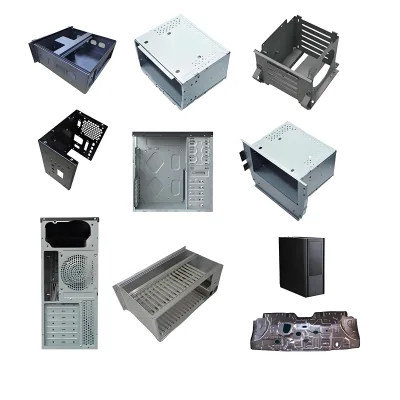

Precision Stamped and Welded Steel Enclosure for Industrial Control Panel
$2.00 - $20.00
MOQ: 100 Pieces


Tailored-Made Industrial Stainless Steel Control Enclosures for Production Equipment
$2129.00 - $2250.00
MOQ: 50 Sets


Comprehensive Sourcing Guide
Strategic Sourcing Guide for CNC Stamping Industrial Enclosures
The procurement of CNC stamping industrial enclosures represents a critical intersection of precision engineering, material science, and operational reliability. For buyers in the industrial sector, these metal enclosures serve as the primary protective housing for sensitive electrical components, control systems, and machinery. The core keyword "CNC Stamping Industrial Enclosure" points to a manufacturing process that combines high-volume efficiency with the ability to produce complex geometries. This guide provides a disciplined framework for evaluating suppliers, understanding technical specifications, and managing the procurement lifecycle without relying on unverified claims or speculative market data.
Understanding CNC Stamping and Enclosure Architecture
The foundation of a reliable industrial enclosure lies in its manufacturing method. CNC stamping, distinct from general sheet metal fabrication, utilizes computer-controlled presses to cut, bend, and form metal with extreme precision. This process is particularly suited for industrial applications where dimensional consistency is paramount. The supplied product data indicates that the machining method for these units often includes CNC Stamping, alongside CNC Laser Cutting and CNC Bending. This combination allows for the creation of enclosures that are not only structurally sound but also feature complex internal mounting points and external interfaces.
The form factor of these enclosures varies based on the specific application requirements. Buyers should expect to encounter two primary structural configurations: the "Partly-welded type" and the "All-packaged type." The partly-welded type typically involves a frame structure where panels are welded to a chassis, offering robustness for heavy-duty environments. Conversely, the all-packaged type suggests a fully assembled unit, often designed for easier installation and rapid deployment. The structure itself is categorized as either a "Fixed board" or a "Protection" unit, dictating how the enclosure integrates with the surrounding machinery or electrical system.
Material selection is the next critical determinant of performance. The observed product attributes highlight a diverse range of materials, including Stainless Steel, Aluminum Plate, and SPCC (Cold Rolled Steel). Stainless Steel is frequently cited for its corrosion resistance and suitability for harsh industrial environments, while Aluminum Plate offers a lighter alternative with good thermal conductivity. SPCC is often used for general-purpose applications where weight and cost are primary concerns. The choice of material directly influences the surface treatment options available, such as Electroplating, Powder Coating, Polishing, or Spray Paint. These finishes are not merely aesthetic; they provide essential protection against environmental factors like moisture, dust, and chemical exposure.
Technical Specifications and Performance Standards
When evaluating a CNC stamped enclosure, buyers must scrutinize the technical specifications to ensure compatibility with their operational environment. One of the most vital attributes is the Protection Level, commonly expressed as an IP (Ingress Protection) rating. The data confirms that enclosures in this category can achieve ratings such as IP54, IP55, IP65, IP66, and IP67. These ratings indicate the degree of protection against solid objects and liquids. For instance, an IP65 rating ensures protection against low-pressure water jets, while IP67 offers protection against temporary immersion. Buyers must verify the specific IP rating required for their application, as this is not a universal attribute for every listed product.
Electrical safety and compatibility are governed by the Operation Voltage. Enclosures are designed for either Low voltage or High voltage applications. This distinction is crucial for compliance with electrical codes and for ensuring the safety of the personnel operating the machinery. The energy source for the internal components is typically Electric Arc, which necessitates enclosures with adequate thermal management and fire resistance.
Dimensional accuracy is another key specification. The tolerance for these stamped parts is observed to be +/-0.10mm. This level of precision is essential for ensuring that doors, panels, and internal mounting brackets fit correctly without requiring excessive force or modification. The craftsmanship involves advanced techniques such as CNC Laser Cutting, CNC Bending, and CNC Punching, which collectively enable the production of intricate designs with tight tolerances. Buyers should request detailed engineering drawings that explicitly state these tolerances to avoid assembly issues during installation.
Compliance, Certification, and Regulatory Frameworks
Navigating the regulatory landscape is a non-negotiable aspect of sourcing industrial enclosures. The supplied facts list several standards that may apply, including EN, GB, ASME, TEMA, JIS Code, APIEN, and CE. It is important to note that while these standards are mentioned in the product context, they are not automatically applicable to every unit. Buyers must verify that the specific enclosure they are purchasing complies with the standards relevant to their region and industry.
For example, the GB (China GB Code) and EN (European Norm) standards are frequently cited. If the equipment is intended for the European market, compliance with EN standards and the CE mark is likely mandatory. Similarly, for applications in the United States or those involving pressure vessels, ASME and TEMA standards may be required. The data also references ISO conditions, specifically noting "ISOCondition:New," which suggests adherence to ISO quality management principles, though specific ISO 9001:2015 certification should be verified directly with the supplier rather than assumed.
Certification status is a critical factor in supplier evaluation. While the text mentions ISO and CE, these should be treated as observations of potential compliance rather than guaranteed attributes. Buyers should request valid, up-to-date certification documents from the supplier to confirm that the specific batch of enclosures meets the required regulatory thresholds. Relying on general claims without documentary proof can lead to significant compliance risks and potential liability issues.
Cost Drivers and Procurement Economics
The cost of CNC stamped industrial enclosures is influenced by a complex interplay of factors, including material type, surface treatment, and order volume. The observed price range in the market spans from $0.03 to $2250 USD, reflecting the vast difference between small components and large, fully assembled units. This wide range underscores the importance of defining clear specifications before soliciting quotes. A simple stamped panel will cost significantly less than a fully welded, powder-coated enclosure with complex internal wiring assemblies.
Material costs are a primary driver. Stainless Steel is generally more expensive than SPCC or Aluminum Plate due to its superior corrosion resistance and durability. Surface treatments also add to the cost; Powder Coating and Electroplating provide enhanced protection but require additional processing steps compared to bare metal. The complexity of the CNC programming and the number of bending operations required will further impact the unit price.
Order volume plays a decisive role in pricing and Minimum Order Quantity (MOQ). The observed MOQ range is between 1 and 1000 units. Some suppliers accept small orders, which is beneficial for prototyping or low-volume production runs. However, for large-scale deployments, buyers may need to meet higher MOQs to secure competitive pricing. The data indicates that some suppliers have an MOQ of 1000pcs, while others offer flexible terms for customized orders. Buyers should negotiate based on their projected volume, keeping in mind that customization often incurs a premium and may require a higher MOQ to justify the setup costs.
Supplier Evaluation and Quality Assurance
Selecting the right supplier requires a rigorous evaluation process that goes beyond price comparisons. The origin of the products is predominantly China, with specific mentions of Guangdong as a manufacturing hub. While this location offers access to a robust supply chain, buyers must assess the supplier's capacity for quality control. The "Craft" section highlights advanced capabilities like CNC Laser Cutting and CNC Bending, but the actual execution of these processes must be verified.
Quality assurance should focus on the consistency of the manufacturing process. Buyers should inquire about the supplier's inspection protocols for dimensional accuracy, specifically verifying the +/-0.10mm tolerance claim. Visual inspections for surface finish quality, such as the uniformity of powder coating or the smoothness of stainless steel brushing, are also essential. The "Assembly Service" attribute, which includes wiring assembly and electrical product assembly, suggests that some suppliers offer turnkey solutions. However, buyers must ensure that these assembly services are performed by certified technicians to maintain the integrity of the enclosure.
Packaging is another critical aspect of supplier evaluation. The data mentions various packaging methods, including "1PC Stainless Steel Metal Enclosure Per Carton Box," "Individual Packaging," and "Pallet" shipping. Proper packaging is vital to prevent damage during transit, especially for delicate stamped parts. Buyers should confirm that the packaging strategy aligns with their logistics requirements and that the supplier uses materials that protect the enclosure from moisture and impact.
Application Scenarios and Long-Term Procurement Strategy
CNC stamped industrial enclosures are versatile and find applications across a wide spectrum of industries. The observed application areas include Metal Casting Machinery, Metal Coating Machinery, Metal Drawing Machinery, and Metal Processing Machinery Parts. These enclosures are also suitable for Metal Engraving, Forging, Spinning, and Straightening Machinery. The versatility of the product is further highlighted by its use in Commercial and Industry settings.
For long-term procurement, buyers should consider the lifecycle of the enclosure. Stainless Steel and Aluminum Plate offer different longevity profiles depending on the operating environment. In corrosive environments, such as those involving chemical processing or outdoor exposure, Stainless Steel is often the preferred choice despite the higher initial cost. In contrast, SPCC may be sufficient for dry, indoor environments where cost is a primary constraint.
Customization is a key feature of the market, with many suppliers offering "Customized" models and designs. This flexibility allows buyers to tailor enclosures to specific machinery requirements, ensuring optimal fit and function. However, customization can introduce variability in lead times and costs. Buyers should establish clear communication channels with suppliers to manage expectations regarding lead times and production schedules. The "Small Orders: Accepted" attribute suggests that suppliers are increasingly flexible, but buyers should confirm this flexibility for their specific volume needs.
Summary of Key Procurement Considerations
To summarize, sourcing CNC stamped industrial enclosures requires a balanced approach that prioritizes technical specifications, regulatory compliance, and supplier reliability. The following table outlines the key attributes buyers should verify during the procurement process:
| Attribute Category | Key Considerations | Verification Requirement |
|---|---|---|
| Material | Stainless Steel, Aluminum Plate, SPCC | Confirm material grade and thickness via Mill Certificates. |
| Protection Level | IP54, IP55, IP65, IP66, IP67 | Request specific IP rating test reports for the model. |
| Surface Treatment | Powder Coated, Electroplating, Polishing | Inspect samples for finish uniformity and adhesion. |
| Standards | EN, GB, ASME, TEMA, CE | Verify current certification documents for the specific batch. |
| Tolerance | +/-0.10mm | Review dimensional inspection reports for critical features. |
| MOQ & Pricing | 1-1000 units, $0.03-$2250 range | Negotiate based on volume and customization needs. |
| Origin | China (Guangdong) | Assess supplier's logistics and export capabilities. |
By adhering to these guidelines and focusing on evidence-based verification, buyers can secure high-quality CNC stamped industrial enclosures that meet their operational needs while mitigating procurement risks. The market offers a wide array of options, but success lies in the meticulous evaluation of each component against the specific requirements of the intended application.
FAQs
What materials are used for CNC stamped industrial enclosures?
These enclosures are commonly made from Stainless Steel, Aluminum Plate, or SPCC metal. Material selection depends on the specific application, with stainless steel offering superior corrosion resistance for harsh environments while aluminum provides a lighter alternative.
Which protection levels are available for these metal enclosures?
Available protection levels include IP54, IP55, IP65, IP66, and IP67 ratings. These ratings indicate the degree of protection against solid objects and liquids, allowing buyers to select units suitable for specific environmental conditions ranging from dust resistance to temporary immersion.
Can suppliers provide customized CNC stamped enclosures with specific tolerances?
Yes, customization is available with a typical dimensional tolerance of +/-0.10mm. Buyers can request specific dimensions and features, though custom orders may require a higher minimum order quantity to justify the setup costs for unique manufacturing runs.
What surface treatments are applied to these metal enclosures?
Common surface treatments include Electroplating, Powder Coating, Polishing, Spray Paint, and Brushed finishes. These processes enhance durability and aesthetic appeal while providing essential protection against environmental factors like moisture, dust, and chemical exposure in industrial settings.
Which standards do these industrial enclosures typically comply with?
Enclosures may comply with standards such as EN, GB, ASME, TEMA, JIS Code, APIEN, and CE. Buyers must verify that the specific unit meets the regulatory requirements relevant to their region and industry, as compliance is not universal across all listed products.
What is the minimum order quantity for CNC stamped enclosures?
The minimum order quantity ranges from 1 to 1000 units depending on the supplier. Some vendors accept small orders for prototyping, while others require a minimum of 1000 pieces for large-scale production runs or specific customized configurations.
How are these enclosures packaged for shipping?
Packaging options include individual cartons, pallets, or custom designs like Dongji Design. Each unit is typically packed securely, such as one stainless steel enclosure per carton box, to prevent damage during transit and ensure safe delivery to the buyer.