Source CNC Wood Floor Sanding Machine for Furniture, Doors, Cabinets
Source 30 CNC wood floor sanding machines from verified Chinese suppliers. Compare specifications like working width, motor power, and variable speed options for furniture, doors, and cabinet production needs.
Key considerations
Products List
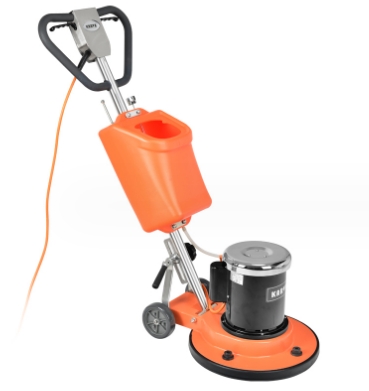


Woodworking Automatic Brush Sanding Machine Brush Sander for Wood Door Floor
$10000.00 - $20000.00
MOQ: 1 set

Three Spindle Brushing Sanding Machine Wood Floor Polishing Sanding Machine
$9000.00 - $18000.00
MOQ: 1 Pieces


High Quality Automatic Woodworking Sanding Floor Machine Wood Polishing Machine
$10500.00 - $10700.00
MOQ: 1 Pieces

Wood Sanding Machine for Board Surface Woodworking Machinery for Furniture
$9300.00 - $9430.00
MOQ: 1 Pieces

Professional Wood Sanding Machine with CE Certification and Support
$10400.00 - $11000.00
MOQ: 1 Pieces


Grinder Polishing Sander Grinding Concrete Smooth Sanding Machine for Wood Floor
$1250.00 - $1800.00
MOQ: 1 Pieces
Comprehensive Sourcing Guide
Strategic Sourcing Guide for CNC Wood Floor Sanding Machinery
Understanding the Technical Landscape of Wood Sanding Equipment
When sourcing machinery for wood floor sanding and surface preparation, buyers must navigate a complex array of technical specifications that define machine capability and output quality. The core keyword "CNC Wood Floor Sanding Machine" often encompasses a broader category of industrial sanding and polishing equipment designed for furniture, cabinetry, and flooring applications. In the current market, these machines are frequently categorized by their specific function, such as wood wire brush sanding, disc sanding, or heavy-duty brush sanding. A critical observation in the available product data is the variation in working widths, which directly impacts the scale of production a facility can support. Specifications indicate working widths ranging from 400mm to 1300mm, with specific models supporting a maximum working width of 1000mm or a maximum processing width of 630mm. Buyers must align these dimensions with their raw material inventory, particularly the plate production length, which is observed to be 500mm or greater, and in some contexts, a minimum processing length of 200mm.
The mechanical configuration of these units is equally vital. The product attributes reveal a diversity in motor power and control systems. Some units operate with a disc motor power of 1.5kw, while others, designed for heavy-duty applications, feature a total power consumption of 13.87kw. The feeding mechanism is driven by motors ranging from 2.2 Kw to 0.55kw for table lifting, indicating significant variance in automation levels. A key differentiator is the speed control mechanism; while some machines are described as "Without Variable Speed," others explicitly offer "Variable Speed" capabilities with frequency control for polishing roller speeds. This distinction is crucial for buyers targeting different wood densities or finish requirements. Furthermore, the brush material is a primary determinant of the surface texture, with steel and nylon combinations being standard. The working air pressure requirement, noted as greater than 0.55MPa, and the dust collection average wind speed of at least 25m/S, are essential parameters for ensuring the machine operates within a safe and efficient pneumatic environment.
Compliance, Certification, and Safety Standards
In the global procurement of industrial machinery, compliance with international standards is not merely a formality but a prerequisite for market access and operational safety. The observed product data highlights specific certifications such as CE and ISO, which are standard indicators of conformity with European safety and quality directives. However, buyers must exercise caution and verify that these certifications are current and applicable to the specific model being purchased. The presence of a CE mark suggests adherence to essential health and safety requirements, while ISO certification implies a commitment to quality management systems. It is important to note that while these certifications are listed as high-confidence facts for certain products, they should not be assumed to apply universally to every listing found under the core keyword without direct verification from the supplier.
Beyond the physical certifications, the operational standards of the machine must be scrutinized. The product data references specific standards related to the machine type, such as "wood wire brush sanding machine" standards, and dimensional standards like 365018502100 mm for certain heavy-duty units. These dimensions likely represent the footprint or the maximum envelope of the machinery, which is critical for factory floor planning. Buyers should also investigate the "Automatic Grade" of the machine. The data indicates an "Automatic" grade, suggesting a high level of mechanization, but the distinction between fully automated CNC systems and semi-automatic brush sanders must be clarified. Safety features, such as dust collection systems meeting the 25m/S wind speed requirement, are integral to maintaining a compliant workplace environment, particularly regarding air quality and fire safety regulations.
Cost Drivers and Pricing Structures
The pricing landscape for wood sanding machinery is characterized by a wide variance, reflecting differences in automation, power, and customization capabilities. The observed listed price range spans from 1 USD to 65,000 USD, a disparity that underscores the difference between small-scale, manual, or entry-level units and large, fully automated industrial systems. A price of 1 USD is likely indicative of a single component, a promotional listing, or a placeholder, whereas the upper end of the range represents a complete, heavy-duty production line. Buyers should not interpret the lower end of this range as the cost for a fully functional CNC Wood Floor Sanding Machine but rather as a signal of the broad spectrum of available equipment.
Several factors drive the cost of these machines. First, the total power consumption is a significant cost driver; a machine with 13.87kw total power will inherently cost more than a unit with 1.5kw motors due to the cost of components, energy efficiency, and structural reinforcement. Second, the level of customization available, including OEM, ODM, and OBM support, adds to the price. Machines that can be tailored to specific working widths (400mm, 600mm, 1000mm, 1300mm) or specific brush configurations (steel and nylon) often command a premium. Third, the packaging and shipping logistics play a role; while some units are packed in wooden packages, others use PE packages or stretch film, affecting the overall landed cost. The Minimum Order Quantity (MOQ) observed is consistently 1, which suggests that buyers can procure single units without volume commitments, though this does not necessarily correlate with the unit price.
Typical Applications and Production Versatility
The versatility of wood sanding machines is evident in their application across various woodworking sectors. The product attributes explicitly list applications for doors, cabinets, photo frames, and drawer frames, indicating that these machines are not limited to flooring but are essential for general furniture manufacturing. The "Function" is described as "Sanding&Drawing for Furniture," highlighting a dual capability to prepare surfaces and create decorative textures. The "Brush Machine" attribute mentions "Embossed" capabilities, which are particularly relevant for creating specific grain patterns on wood surfaces, a common requirement in high-end furniture and flooring production.
The working thickness range of 2-150 mm further expands the applicability of these machines, allowing them to process everything from thin veneers to thick structural timber. This range ensures that the machinery can handle a diverse product mix within a single facility. The "Heavy Duty Brush Sanding Machine" designation suggests that certain models are built for continuous, high-volume production, suitable for industrial environments where durability and uptime are paramount. Conversely, machines with "Variable Speed" and "Frequency Control" are better suited for applications requiring precise surface finishing, such as polishing or delicate sanding tasks where the wood grain must be preserved without damage. Buyers should match the machine's processing width and thickness capabilities with their specific product portfolio to ensure optimal efficiency.
Supplier Evaluation and Origin Verification
When evaluating potential suppliers for wood sanding machinery, the place of origin is a critical factor. The data consistently identifies "Anhui, China" and "China" as the places of origin. While this region is a major hub for woodworking machinery manufacturing, buyers must conduct due diligence to ensure the specific supplier has a proven track record. The "Condition" of the products is listed as "New," which is standard for direct procurement, but buyers should verify the manufacturing date and the condition of any refurbished components if applicable. The "Selling Units" are listed as "Single item," which simplifies the procurement process but requires careful vetting of the individual supplier's reputation.
Suppliers offering "Customized" support with OEM, ODM, and OBM options provide a higher level of service, allowing buyers to tailor the machine to their specific production needs. However, the availability of customization should be confirmed with the specific supplier, as not all listed products may offer the same level of flexibility. The "prod_packing" details, ranging from wooden packages to PE packages and stretch film, should be reviewed to ensure the machine will arrive without damage. Buyers should also verify the "prod_standard" and "prod_model" numbers (such as LSL1000, LSJ1000, SK1000-P6, LZLS600) to ensure they are requesting the exact configuration required. The presence of specific motor power ratings and working dimensions in the product data serves as a verification tool; if a supplier's quote does not match these technical parameters, it may indicate a discrepancy in the product being offered.
Quality Control and Long-Term Procurement Considerations
Ensuring the long-term reliability of wood sanding machinery requires a robust quality control strategy. The "Warranty" period of 1 year is a standard baseline observed in the product data, but buyers should negotiate for extended coverage, particularly for critical components like motors and brushes. The "Working Air Pressure" and "Dust Collection" specifications are not just performance metrics but also indicators of the machine's build quality. A machine that cannot maintain the required 0.55MPa air pressure or 25m/S wind speed will suffer from reduced efficiency and increased wear. Buyers should request test results or performance data to verify these claims before finalizing a purchase.
Long-term procurement considerations also include the availability of spare parts and maintenance support. The "Brush Material" (Steel and Nylon) will require periodic replacement, and the "Feeding Motor Power" and "Swing Motor Power" ratings suggest that these are high-wear areas. Buyers should ensure that the supplier provides a clear supply chain for replacement parts and that the machine design allows for easy maintenance. The "Automatic Grade" of the machine implies a need for skilled operators and potentially more complex maintenance schedules. Finally, the "Condition" of the machine upon arrival should be verified against the "New" status claimed, and the "prod_packing" should be inspected to ensure the machine has not been compromised during transit. By focusing on these technical and operational details, buyers can mitigate risks and ensure a successful integration of CNC wood floor sanding machinery into their production lines.
Comparative Analysis of Machine Specifications
To facilitate a clearer understanding of the differences between available models, the following table summarizes key technical specifications observed in the product data. This comparison highlights the variance in working widths, power requirements, and specific features that buyers should consider when selecting a machine.
| Feature | Model A (LSL1000) | Model B (LSJ1000) | Model C (SK1000-P6) | Model D (LZLS600) |
|---|---|---|---|---|
| Working Width | 400/600/1000/1300mm | 1000 mm | 1000 mm | 630mm |
| Min. Working Length | >=500mm | 500 mm | 500 mm | 200mm |
| Working Thickness | 2-150 mm | 2-150 mm | 2-150 mm | N/A |
| Total Power | N/A | N/A | 13.87kw | N/A |
| Variable Speed | Without | Variable | N/A | N/A |
| Brush Material | Steel and Nylon | Steel and Nylon | N/A | N/A |
| Dust Collection Speed | >=25m/S | >=25m/S | N/A | N/A |
| Air Pressure | >0.55MPa | >0.55MPa | N/A | N/A |
| Packaging | Wooden Package | PE Package | Stretch Film | N/A |
| Application | Furniture | Furniture | Door, Cabinet | General Sander |
This table illustrates that while some models share common features like working thickness and dust collection speeds, others differ significantly in power and speed control. Buyers must carefully match these specifications to their production needs, ensuring that the selected machine can handle the specific dimensions and material types of their wood products. The variation in packaging and power ratings further emphasizes the need for a detailed review of the product data before making a procurement decision.
FAQs
What certifications do these machines have?
The machines hold CE and ISO certifications. These standards indicate compliance with European safety directives and quality management systems, though buyers should verify specific model applicability before purchase.
Where are these sanding machines manufactured?
These units originate from Anhui, China. The consistent place of origin suggests a regional manufacturing hub, but buyers must verify the specific supplier location for accurate logistics planning.
What is the working width range for these machines?
Working widths vary from 400mm to 1300mm depending on the model. Specific models support maximum widths of 1000mm or 630mm, so buyers must match dimensions to their raw material inventory.
Can these machines be customized for specific needs?
Yes, customization is available with OEM, ODM, and OBM support. Buyers can request tailored working widths or brush configurations, but flexibility depends on the specific supplier offering.
What is the warranty period for this equipment?
The standard warranty period is one year. Buyers should negotiate extended coverage for critical components like motors and brushes to ensure long-term operational reliability.
What motor power levels are available?
Motor power ranges from 1.5kw for disc motors up to 13.87kw total power for heavy-duty units. Higher power models support continuous industrial production but incur greater energy costs.
How does variable speed control work on these units?
Some models feature variable speed with frequency control for polishing rollers. Others operate without variable speed, so buyers must select based on the required wood density and finish precision.
What materials are used for the sanding brushes?
Brushes are typically made from a combination of steel and nylon. This material mix determines the surface texture, suitable for both sanding and drawing decorative patterns on furniture.