Source CNG Mini Passenger Van for Urban Transit, Logistics, and Tours
Source the CNG Mini Passenger Van for diverse commercial needs. Compare 30 models featuring RWD and FWD options, automatic and manual transmissions, and varying engine displacements from 1000-1600CC. Evaluate specifications like GVW, curb weight, and body styles including open and closed configurations to find the ideal vehicle for your fleet.
Key considerations
Products List


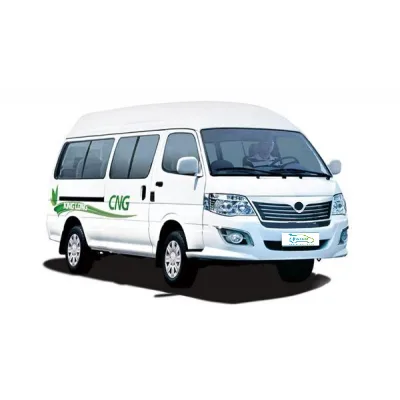
China Hot Selling Products High Speed Mini Passenger Natural Gas CNG Van
$21265.00 - $25560.00
MOQ: 1 sets


China Factory Changan V7 CNG Passenger/Cargo Mini Van Gasoline Minibus
$9000.00 - $10000.00
MOQ: 2 Pieces


China Top Brand Passenger Vehicle 7~10-Seat Mini Van for City Delivery
$4000.00 - $6000.00
MOQ: 1 Pieces


View C2 12 Seats Passenger Van Gasoline 5mt Mini Van Left Hand Drive Mini Bus Van
$13000.00 - $16000.00
MOQ: 1 Pieces

View C2 Mini Van 3 Seats Diesel 5mt Left Hand Drive Mini Cargo Van
$13000.00 - $16000.00
MOQ: 1 Pieces

Foton View CS2 Gasoline Minibus 16 Seats 5-Speed Rhd Passenger Van
$14000.00 - $17000.00
MOQ: 1 Pieces

View CS2 Passenger Mini Van 19 Seats Diesel Mini Van 5mt Manual Passenger Minibus
$17000.00 - $20000.00
MOQ: 1 Pieces

View CS2 Passenger Van 13 Seats Diesel 5mt Left Hand Drive Passenger Van
$15000.00 - $20000.00
MOQ: 1 Pieces


Cargo Truck Electric Van Mini Car New Energy Vehicles New Energy Electric Van
$5982.00 - $6892.00
MOQ: 1 unit


Comprehensive Sourcing Guide
CNG Mini Passenger Van Sourcing Guide
The global market for compact commercial vehicles has seen a distinct shift toward alternative fuel solutions, with CNG mini passenger vans emerging as a strategic asset for urban logistics and fleet operations. These vehicles are engineered to balance high passenger capacity with operational efficiency, offering a lower cost-per-mile alternative to traditional gasoline or diesel counterparts. Buyers in this sector must navigate a landscape defined by specific regulatory environments and fuel infrastructure availability, as the viability of these vans often hinges on local CNG station density and government incentives for low-emission transport.
Procurement strategies for this vehicle class require a granular understanding of the supply chain, particularly given the concentration of manufacturing in specific regions like China. The observed market data indicates a diverse range of configurations, from open-body utility variants to closed passenger versions, each serving distinct operational needs. Sourcing decisions must therefore be grounded in a clear definition of the intended use case, whether it involves high-density urban transit, last-mile delivery, or specialized logistics, as the technical requirements for each application vary significantly in terms of payload, seating, and body durability.
Product Scope and Observed Listing Signals
The current market inventory for mini passenger vans reveals a wide spectrum of product attributes, including variations in exterior color, body style, and drive configuration. Listings frequently feature white or silver finishes with a mix of RWD and FWD layouts, catering to different traction requirements based on regional road conditions. The body styles observed range from open configurations, which are ideal for cargo-heavy logistics, to closed designs that provide necessary weather protection for passenger transport. Buyers must carefully cross-reference these visual and structural signals with their specific operational mandates to ensure the selected unit aligns with the intended service environment.
A critical signal in product listings is the distinction between passenger and logistics versions, which dictates the internal layout and seating capacity. The data shows models available with seating configurations ranging from two seats to eleven, alongside specific vehicle models like the Sc6480pq6b1 and Sc6420wq6b2. These variations often correlate with the vehicle's primary function, where passenger versions prioritize comfort and safety features, while logistics versions focus on cargo volume and durability. Procurement teams should verify the exact vehicle version against their fleet requirements, as the difference between a passenger and logistics variant can fundamentally alter the vehicle's utility and regulatory classification.
Technical Specifications to Verify
Engine performance and displacement are primary technical parameters that define the operational capability of a CNG Mini Passenger Van. The observed market data highlights engine models such as the Dam16kr and Jl473qh, with power outputs ranging from 78.5 kW to 90 kW and displacements typically falling between 1000cc and 1600cc. Buyers must verify that the engine's torque and power curves match the expected load conditions, particularly for vehicles operating in hilly terrain or with high passenger counts. The presence of specific power ratings, such as 110 HP at a specific RPM, serves as a benchmark for evaluating acceleration and hill-climbing ability, which are critical for maintaining schedule adherence in urban environments.
Dimensional constraints and weight metrics are equally vital for ensuring the vehicle fits within regulatory limits and operational infrastructure. The observed vehicle sizes vary significantly, with overall dimensions ranging from approximately 4200mm to 4800mm in length, and wheelbases extending from 2700mm to 3135mm. The Gross Vehicle Weight (GVW) and curb weight figures, such as a GVW of 2495 kg or a curb weight of 1460 kg, directly impact payload capacity and fuel efficiency. Procurement specialists must calculate the net payload by subtracting the curb weight from the GVW to ensure the vehicle can legally and safely carry the intended number of passengers or cargo without exceeding axle load limits.
Compliance and Safety Documentation
Regulatory compliance is a non-negotiable aspect of sourcing CNG mini passenger vans, particularly regarding emissions and safety standards. The market data indicates the presence of EEC certification and ISO management certifications, which are essential for vehicles intended for export or operation in regions with strict environmental regulations. Buyers must request and validate these certification documents to ensure the vehicle meets the specific legal requirements of the destination market, as non-compliant units may face import restrictions or operational bans. The verification of these standards should be a prerequisite before finalizing any purchase agreement to mitigate the risk of regulatory penalties.
Safety documentation extends beyond general certifications to include specific details on braking systems and structural integrity. The observed braking systems in these vehicles are often electromagnetic, a feature that requires specific maintenance protocols and safety checks. Additionally, the steering configuration, typically left-hand drive, must align with the traffic laws of the operating region. Buyers should ensure that the vehicle's safety features, including seatbelt configurations and structural reinforcement, are documented and compliant with local safety standards. This due diligence is crucial for protecting the fleet operator from liability and ensuring the safety of passengers and drivers.
Cost Drivers and Commercial Terms
The pricing structure for CNG mini passenger vans is influenced by a complex interplay of factors, including vehicle specifications, production volume, and packaging requirements. The observed price range in the market spans from 4,000 to 25,560 USD, reflecting the diversity in models, from basic utility versions to more feature-rich passenger variants. Buyers must analyze the cost drivers behind these price points, such as the inclusion of advanced engine technologies, specific body styles, or higher power outputs, to determine the true value proposition of each listing. Understanding these cost components allows for more accurate budgeting and negotiation strategies.
Commercial terms, including Minimum Order Quantity (MOQ) and packing methods, play a significant role in the total cost of ownership and logistics planning. The observed MOQ ranges from 1 to 4 units, offering flexibility for smaller fleet operators while potentially offering volume discounts for larger orders. The packing methods, ranging from CBU (Complete Built Unit) to "Packing in Nude," impact shipping costs and the condition of the vehicle upon arrival. Buyers should carefully evaluate the trade-offs between different packing options and MOQ requirements to optimize their procurement strategy, ensuring that the total landed cost aligns with their financial constraints and operational timelines.
Supplier Qualification and Quality Control
Supplier qualification is a critical step in the sourcing process, requiring a thorough assessment of the manufacturer's capabilities and track record. The data indicates that the primary origin for these vehicles is China, a region known for its robust automotive manufacturing base. Buyers should verify the supplier's production capacity, quality control processes, and history of delivering vehicles that meet international standards. This includes checking for consistent adherence to specifications, such as the observed engine models and dimensional tolerances, to ensure that the delivered units match the ordered requirements.
Quality control measures must be integrated into the procurement workflow to mitigate the risk of receiving substandard vehicles. Buyers should implement a rigorous inspection protocol that covers both pre-shipment and post-delivery checks, focusing on critical components like the engine, braking system, and body structure. The verification of specific attributes, such as the condition of the vehicle (new) and the accuracy of the listed specifications, is essential. Establishing a clear quality assurance framework with the supplier, including defined acceptance criteria and remediation processes, ensures that the fleet remains reliable and safe throughout its operational life.
Long-Term Procurement Checks
Sourcing CNG mini passenger vans is not a one-time transaction but a long-term commitment that requires ongoing monitoring and evaluation. Buyers must establish a system for tracking vehicle performance, maintenance costs, and fuel efficiency over time to ensure the fleet continues to meet operational goals. This involves regular reviews of the vehicle's condition, adherence to maintenance schedules, and the availability of spare parts. By maintaining a proactive approach to fleet management, organizations can extend the lifespan of their vehicles and maximize their return on investment.
Future-proofing the procurement strategy involves staying informed about evolving regulations and technological advancements in the CNG vehicle sector. As environmental standards tighten and fuel infrastructure expands, the requirements for these vehicles may change, necessitating adjustments to the fleet composition. Buyers should maintain a flexible procurement strategy that allows for the integration of new technologies and compliance with updated standards. This adaptability ensures that the fleet remains competitive and compliant in a rapidly changing market, securing the long-term viability of the transportation operation.
FAQs
What are the available body styles for cng mini passenger vans?
CNG mini passenger vans are available in both open and closed body styles to suit different operational needs. The open configuration is suitable for light logistics or specialized transport, while the closed version provides secure cargo or passenger protection. Buyers can choose between these variants based on their specific utility requirements and environmental conditions.
Which engine models power these mini passenger vans?
These vehicles are powered by efficient engine models such as the Dam16kr, Jl473qh, and Dam15dr. The Dam16kr delivers 90 kW of power, while the Jl473qh offers 78.5 kW. The Dam15dr provides 110 HP with 138 N.M of torque. These engines ensure reliable performance for urban and regional transport tasks.
Can buyers find cng mini passenger vans with ISO certification?
Yes, certain models come with ISO management certification, ensuring quality control standards are met. This certification indicates that the manufacturing process adheres to international management system requirements. Buyers seeking verified production standards should look for listings that explicitly mention ISO certification to ensure reliability and consistency in vehicle quality.
What is the typical curb weight range for these vans?
The curb weight ranges from approximately 1165 kg to 1460 kg depending on the specific model and configuration. Lighter versions like the KYC V3 weigh around 1165-1235 kg, while the KYC V7 weighs 1460 kg. This weight range supports efficient fuel consumption and maneuverability in urban environments.
How is the vehicle size defined for these mini vans?
Vehicle sizes vary by model, with dimensions typically around 4200-4800 mm in length. For instance, the KYC V7 measures 4800*1680*1990 mm, while the KYC V3 is 4200*1680*1965 mm. These compact dimensions make them ideal for navigating narrow streets while providing adequate interior space for passengers or cargo.
What drive configurations are available for these passenger vans?
Both rear-wheel drive (RWD) and front-wheel drive (FWD) configurations are available. The RWD models, such as the KYC V7, offer robust traction, while FWD models like the KYC V3 provide better stability and fuel efficiency. Buyers can select the drive type based on their terrain and performance preferences.