Source CNH Backhoe Loader Radiator for Construction, Farming, and Excavation
Explore 30 verified listings for the CNH Backhoe Loader Radiator suitable for construction machinery, agricultural processing, and excavation tasks. Buyers can compare models, certifications, and customization options to find the right fit for their equipment needs.
Key considerations
Products List


Custom Size 912-4tnv94 Loader Copper Radiator for Construction Machinery
$58.00 - $899.00
MOQ: 1 Pieces

Customized J-C-B 333/D3648 Loader Forklift Radiator for Agricultural Machinery
$98.00 - $899.00
MOQ: 1 Pieces

912-4tnv94 Loader Copper Radiator for Automotive Repair Machinery Parts
$58.00 - $899.00
MOQ: 1 Pieces

Liugong 855n Loader Special Water Radiator Oil Radiator for Construction Machinery
$58.00 - $899.00
MOQ: 1 Pieces

Linking 853 Heat Exchanger Loader Oil Cooler Radiator for Construction Machinery
$58.00 - $899.00
MOQ: 1 Pieces
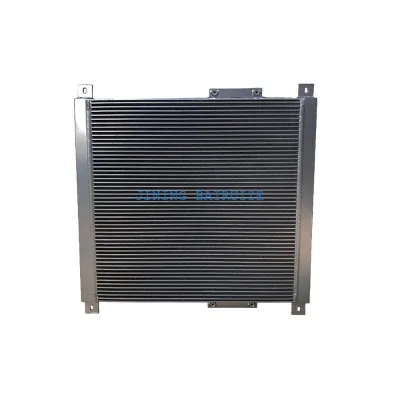


Jooohn Deerrre Radiator Construction Machinery Parts Machinery Engine Parts
$180.00 - $210.00
MOQ: 1 Pieces

Radiator At156560 At167021 At129142 for John Deeree Backhoe 300d 310c 310d
$298.00 - $339.00
MOQ: 1 Pieces
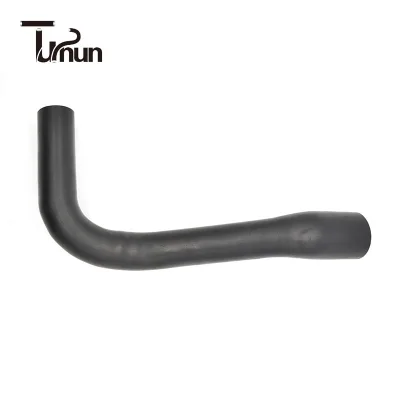


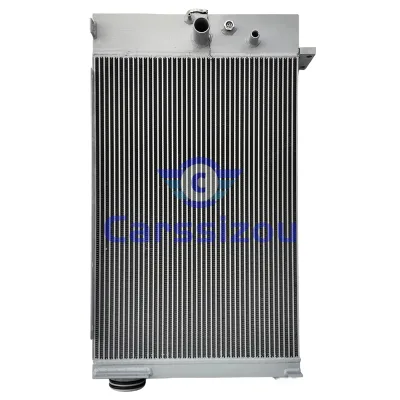
Hot sale bulldozer excavator construction machinery radiator for shantui 160
$480.00 - $500.00
MOQ: 1 pieces
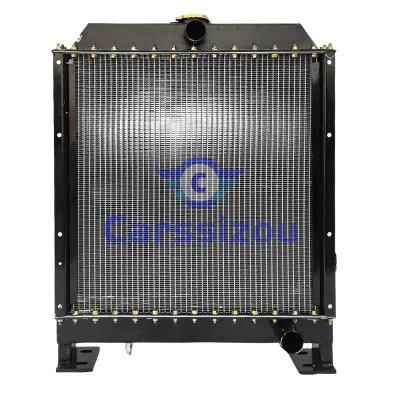
JIAHE 90 Excavator Engine Cooling Water Cooling Radiator Assembly parts
$129.00 - $149.00
MOQ: 1 pieces
Comprehensive Sourcing Guide
Strategic Sourcing Guide for CNH Backhoe Loader Radiators
Understanding Technical Specifications and Component Compatibility
When sourcing replacement radiators for CNH backhoe loaders, the primary objective is to ensure exact mechanical and thermal compatibility with the specific machine model. The market for these components is characterized by a high degree of variation in model numbers and adaptation requirements. Buyers must recognize that "CNH backhoe loader" represents a broad category encompassing various generations and configurations, each requiring distinct radiator specifications.
The technical foundation of a suitable radiator lies in its core construction and connection methods. Based on observed industry data, high-performance units for this application frequently utilize copper or aluminum as the primary material. This choice dictates the thermal conductivity and corrosion resistance of the unit. The core component is typically a finned tube assembly, which is critical for dissipating heat generated by the diesel engine during operation. The fins themselves may come in various profiles, including wavy-fin (Bw), serrated-fin (Jc), or perforated-fin (Dk) designs, each offering different airflow dynamics and cleaning characteristics.
Connection interfaces are another critical technical parameter. Radiators must match the existing plumbing of the backhoe loader, which typically involves either flange or thread connections. The specific type of connection required depends on the model year and the original equipment manufacturer (OEM) design. For instance, specific models may require a unique flange pattern that differs from standard thread configurations. Buyers should verify the exact connection type against the machine's service manual before placing an order.
Furthermore, the physical dimensions and mounting points are non-negotiable. The product model numbers observed in the supply chain, such as 912-4TNV94, 333/D3648, 855N, 853, ZX120-3 4464275, and WZ30-25, indicate that a single part number cannot be universally applied to all CNH backhoe loaders. The "Adaptable Brand" field often lists specific manufacturers like LiuGong or Lonking, suggesting that while the part may fit multiple brands, the specific model number is the definitive identifier. The "Brand Name" for these components is often listed as "all brands of excavator suitable," which implies a high degree of cross-compatibility, but this does not eliminate the need for precise model verification.
Compliance, Certification, and Quality Assurance Protocols
In the global B2B market for heavy machinery parts, compliance with international standards is a prerequisite for reliable operation and legal importation. The presence of specific certifications serves as a primary indicator of a supplier's adherence to quality management systems and product safety. For CNH backhoe loader radiators, the most frequently observed certifications include CE and ISO9001.
The CE marking indicates that the product meets EU safety, health, and environmental protection requirements. This is particularly relevant for buyers operating in or exporting to European markets. The ISO9001 certification signifies that the manufacturing facility operates under a certified quality management system, ensuring consistent production processes and traceability. Buyers should treat these certifications as evidence of a baseline level of quality control rather than a guarantee of performance in every single instance.
Beyond certifications, the condition of the product is a critical factor. The supply data consistently indicates that these radiators are sold as "New" items. This distinguishes them from refurbished or used parts, which may have hidden fatigue or corrosion issues. The "Quality" attribute often cited as "100% Tested" suggests that each unit undergoes a functional check before dispatch. However, buyers must verify the scope of this testing. Does it include pressure testing, leak detection, or thermal efficiency validation? The provided data mentions a "Mechanical Test Report" is available, which is a vital document for verifying the integrity of the unit.
The "After-Sales Service Provided" attribute is another compliance-related consideration. A supplier offering "Online support" or general after-sales service indicates a commitment to resolving issues post-delivery. This is essential for heavy machinery parts where installation errors or unexpected failures can lead to significant downtime. The warranty period, often observed as "1 Year," provides a contractual safety net. Buyers should scrutinize the terms of this warranty, specifically what constitutes a valid claim and the process for replacement or repair.
Cost Drivers and Pricing Structure Analysis
The pricing for CNH backhoe loader radiators exhibits a wide range, observed between $4 and $900 USD. This significant variance is not arbitrary but is driven by several tangible factors related to the product's complexity, material composition, and supply chain logistics. Understanding these drivers is essential for budgeting and avoiding low-quality traps.
The primary cost driver is the material composition. Radiators constructed with high-purity copper generally command a higher price than those made primarily of aluminum or mixed materials. Copper offers superior thermal conductivity and durability but comes at a higher raw material cost. The "Process" attribute notes options for powder coating in black, silver, or customized colors. While cosmetic, the quality of the coating affects corrosion resistance and longevity, influencing the final price.
Secondly, the complexity of the model dictates the cost. Standard models like the 853 or 855N may be produced in higher volumes, leading to economies of scale and lower unit prices. Conversely, specialized models or those with unique connection requirements, such as the ZX120-3 4464275, may involve lower production runs and higher tooling costs, resulting in a price closer to the upper end of the observed range. The "Customization" attribute being "Available" also suggests that bespoke orders will incur additional costs for design, tooling, and setup.
The "Supply Ability" of the manufacturer, noted as 500 pieces per month in some listings, indicates the scale of production. Suppliers with higher capacity may offer more competitive pricing due to efficiency, but they may also have higher Minimum Order Quantities (MOQ). The observed MOQ range of 1 to 30 units allows for flexibility. Buyers purchasing a single unit for a specific repair will pay a premium per unit compared to those ordering a batch of 30. The "Selling Units" being listed as "Single item" confirms that small orders are feasible, though the unit price will reflect this.
Logistics and packaging also contribute to the final cost. The "Product Packing" is described as "Export Standard Solid Wood Packing" or "Standard export packing." This robust packaging is necessary to prevent damage during long-distance shipping, particularly from the "Place of Origin" in Shandong, China, to global destinations. The "Port of dispatch" options, including Shenzhen, Shanghai, Qingdao, and Tianjin, indicate that buyers must factor in freight costs, which vary based on the chosen port and the destination.
Typical Applications and Operational Scenarios
CNH backhoe loader radiators are designed to operate in demanding environments where thermal management is critical for engine longevity. The "Applicable Scenarios" for these components extend beyond simple road construction to a wide array of heavy-duty activities. The "Usage" data highlights applications such as tillage, planting and fertilization, harvesting, agricultural products processing, farmland infrastructure, grain threshing, cleaning, and drying.
This broad applicability underscores the versatility of the backhoe loader in the agricultural and construction sectors. In these scenarios, the engine is often subjected to continuous high-load operation, generating significant heat. The radiator's role is to maintain optimal operating temperatures, preventing overheating that could lead to engine failure. The "Core Selling Point" of "Long Service Life" is particularly relevant here, as downtime in agricultural or construction projects can be extremely costly.
The "Application" field explicitly lists "Excavator" and "Excavator oil cooler," indicating that these radiators are often part of a broader cooling system that includes hydraulic oil coolers. The "Excavator parts" and "hydraulic oil cooler" attributes suggest that the cooling system is integrated, managing heat for both the engine and the hydraulic system. This integration requires precise engineering to ensure that the radiator can handle the thermal load of multiple systems simultaneously.
The "Compatible Brand" list, including Hitachi and other manufacturers, further illustrates the cross-industry utility of these components. While the core keyword is CNH backhoe loader, the underlying technology is often shared across different brands of heavy machinery. This cross-compatibility allows for a robust aftermarket supply, but it also requires buyers to be meticulous about matching the specific model requirements of their CNH machine to the generic "all brands" listings.
Supplier Evaluation and Verification Criteria
Selecting a reliable supplier for CNH backhoe loader radiators requires a rigorous evaluation process that goes beyond simple price comparison. Buyers must assess the supplier's ability to deliver consistent quality, adhere to timelines, and provide necessary documentation.
One of the first steps in supplier evaluation is verifying the "Place of Origin." The data indicates that many of these products originate from Shandong, China, a major hub for heavy machinery manufacturing. While this region has a strong industrial base, buyers should verify the specific factory's reputation and capacity. The "Video Factory Inspection" being "Provided" is a valuable tool for remote verification. Buyers should request and review these videos to assess the cleanliness of the facility, the sophistication of the machinery, and the rigor of the quality control processes.
The "Mechanical Test Report" is another critical document for supplier evaluation. This report should detail the results of pressure tests, flow rate measurements, and thermal efficiency checks. A supplier that readily provides this documentation demonstrates transparency and confidence in their product. Buyers should also check the "Quality" attribute, specifically the claim of "100% Tested," and ask for samples of the test reports to ensure they are comprehensive and recent.
The "After-Sales Service" capability is equally important. A supplier offering "Online support" or a dedicated warranty team is better positioned to handle any issues that arise after the product is installed. The "Warranty" period of "1 Year" is a standard benchmark, but buyers should clarify the terms of coverage. Does it cover manufacturing defects only, or does it include shipping damage? The "After-Sales Service Provided" attribute being "Yes" is a positive sign, but the depth of this service should be confirmed.
Finally, the "Customization" capability of the supplier should be evaluated. If the buyer requires a non-standard radiator or a specific adaptation for a unique CNH model, the supplier must demonstrate the ability to handle custom orders. The "Adaptable Brand" field listing specific brands like LiuGong and Lonking suggests that the supplier has experience with cross-brand compatibility, which is a valuable asset for buyers with mixed fleets.
Quality Control and Long-Term Procurement Considerations
Ensuring the long-term reliability of CNH backhoe loader radiators requires a proactive approach to quality control and procurement strategy. The "Core Components" of the radiator, specifically the finned tube, are the heart of the unit. Any defect in the welding or alignment of these tubes can lead to leaks or reduced cooling efficiency. Buyers should insist on a "Video Output-Inspection" to visually verify the assembly quality before shipment.
The "Condition" of the product being "New" is a fundamental requirement. However, "New" can sometimes be ambiguous in the aftermarket. Buyers should ensure that the product is not a refurbished unit disguised as new. The "100% Tested" claim should be backed by specific test data, such as pressure test results, to confirm that the unit is free from leaks and meets thermal specifications.
Long-term procurement considerations also involve the "Supply Ability" of the supplier. A supplier with a capacity of 500 pieces per month may be sufficient for sporadic repairs, but buyers with large fleets or frequent maintenance needs should look for suppliers with higher capacity to ensure consistent availability. The "MOQ" range of 1 to 30 units offers flexibility, but buyers should consider the total cost of ownership, including the cost of potential downtime, when deciding on order quantities.
The "Product Packing" is another aspect of long-term procurement. "Export Standard Solid Wood Packing" is essential for protecting the radiator during international shipping. Buyers should verify that the packaging is robust enough to withstand rough handling and that the "Port of dispatch" is convenient for their logistics chain. The "Standard" being "Customized" suggests that packaging can be tailored to specific needs, which can be beneficial for specialized shipments.
Finally, buyers should consider the "Core Selling Point" of "Long Service Life" in the context of their operational schedule. A radiator that lasts longer reduces the frequency of replacements and the associated labor costs. This is particularly important in applications like "Tillage, Planting and Fertilization," where the machine is used intensively during specific seasons. Investing in a high-quality radiator with a proven track record of longevity can yield significant savings over the life of the machine.
Comparative Analysis of Radiator Attributes
To facilitate a clearer understanding of the variations in the market, the following table summarizes key attributes observed in the supply data for CNH backhoe loader radiators. This comparison highlights the diversity in specifications, certifications, and service offerings available to buyers.
| Attribute Category | Observed Values | Implications for Buyers |
|---|---|---|
| Material | Copper / Aluminum | Copper offers better conductivity; Aluminum is lighter. Verify based on thermal needs. |
| Connection Type | Flange or Thread | Must match existing machine plumbing. Verify exact fitment before purchase. |
| Certification | CE, ISO9001 | Indicates compliance with safety and quality management standards. |
| Condition | New | Ensures no prior wear or fatigue. Verify against refurbished claims. |
| Warranty | 1 Year | Standard protection period. Check specific terms for coverage scope. |
| Testing | 100% Tested, Mechanical Test Report | Essential for verifying integrity. Request reports for validation. |
| Packaging | Export Standard Solid Wood | Protects against shipping damage. Verify robustness for long transit. |
| Origin | Shandong, China | Major manufacturing hub. Verify specific factory capabilities. |
| Customization | Available | Allows for model-specific adaptations. May increase cost and lead time. |
| Supply Ability | 500 pieces/month | Indicates scale. Ensure capacity meets demand for large fleets. |
This table serves as a reference for buyers to compare different offerings and identify the attributes that are most critical for their specific procurement needs. By focusing on these key parameters, buyers can make informed decisions that balance cost, quality, and reliability.
FAQs
What certifications do these radiators typically hold?
These radiators typically hold CE and ISO9001 certifications. This indicates compliance with EU safety standards and adherence to quality management systems. Buyers should verify these documents to ensure the manufacturing facility maintains consistent production processes.
Which materials are used for the radiator core construction?
The core construction primarily uses copper or aluminum materials. Copper offers superior thermal conductivity while aluminum provides a lighter alternative. The choice of material dictates the unit's corrosion resistance and overall thermal performance in heavy machinery applications.
How is the product condition described in the listings?
The product condition is consistently described as new. This distinguishes the items from refurbished or used parts that may have hidden fatigue. Each unit is also noted as being 100% tested before dispatch to ensure functional integrity.
Can buyers request customization for specific models?
Yes, customization is available for specific model requirements. Buyers can request tailored specifications for brands like LiuGong or Lonking. This service allows for adaptation to unique connection types or dimensions required by different backhoe loader generations.
What warranty period is provided for these parts?
A standard one-year warranty is provided for these parts. This warranty covers potential defects or failures under normal operating conditions. Buyers should review the specific terms to understand what constitutes a valid claim for replacement or repair.
Which connection types are supported for installation?
The radiators support flange or thread connection types. The specific type depends on the original equipment manufacturer design and model year. Buyers must verify the exact connection interface against their machine's service manual before placing an order.
Where are these radiators primarily manufactured and shipped from?
These radiators are primarily manufactured in Shandong, China. They are shipped from major ports including Shenzhen, Shanghai, Qingdao, and Tianjin. The origin location is a key factor in determining logistics costs and lead times for international buyers.