Source CO2 Fractional Laser Machine for Acne, Scars, and Skin
Compare 30 co2 fractional laser machines from verified Chinese suppliers. These units feature adjustable power, multiple pulse modes, and CE certification for salon and home applications in acne removal, skin resurfacing, and scar treatment.
Key considerations
Products List


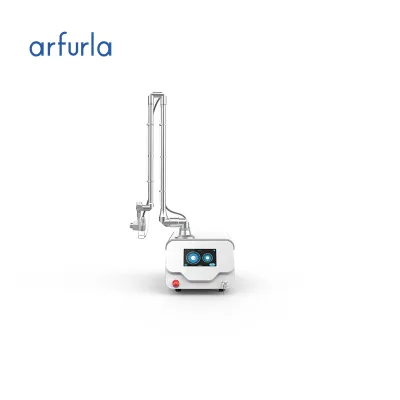
Laser CO2 Fractional Skin Resurfacing Machine with High Quality and Ce
$2300.00 - $3400.00
MOQ: 1 unit




Comprehensive Sourcing Guide
Strategic Sourcing Guide for CO2 Fractional Laser Machines
Understanding Technical Specifications and Operational Parameters
When sourcing a CO2 Fractional Laser Machine, buyers must first establish a clear understanding of the core technical specifications that define performance and clinical utility. The fundamental operating principle for these devices is the CO2 laser theory, which utilizes a wavelength typically in the far-infrared spectrum, specifically observed at 10.6µm or 10600nm. This wavelength is critical for its ability to interact with water in the skin, enabling precise ablation and resurfacing. Buyers should verify that the supplier provides detailed data on the specific wavelength output, as deviations can significantly alter treatment efficacy.
The spot size is another critical parameter that dictates the precision of the treatment. In the current market, specifications vary, with observed spot sizes ranging from 0.01mm to 0.05mm in diameter. A smaller spot size, such as 0.01mm, allows for higher density treatments and finer detail work, while 0.05mm may be preferred for broader surface area coverage. The pulse energy is equally vital, with options typically ranging from 10mJ to 130mJ per dot, allowing practitioners to customize the depth of penetration based on the patient's skin type and the specific condition being treated.
Operational flexibility is often determined by the working mode and duration capabilities. Advanced units support multiple working modes, including continuous pulse, single pulse, and interval pulse. The duration of these pulses is adjustable, generally spanning from 0.1ms to 10ms. Furthermore, the interval between pulses can be set from 0 to 6 seconds, and the repeat frequency can be configured between 1ms and 5000ms, depending on the specific model requirements. The average power output is a key indicator of the machine's capability, with observed configurations offering choices of 30W, 40W, 50W, or even up to 60W. This power variability allows clinics to select equipment that matches their volume of patients and the intensity of treatments required.
The cooling system is a non-negotiable aspect of safety and machine longevity. High-performance CO2 fractional lasers typically employ a hybrid cooling approach, combining air and water cooling mechanisms. This dual-system design ensures that the laser emitter and the handpiece remain within safe temperature limits during prolonged use, preventing thermal damage to the device and ensuring patient comfort. Additionally, the display interface is a significant usability factor; modern units are equipped with large color touch screens, with observed sizes ranging from 10.4 inches to 12.1 inches, facilitating intuitive operation and real-time monitoring of treatment parameters.
Compliance, Certification, and Regulatory Standards
Navigating the regulatory landscape is essential for any procurement of medical aesthetic equipment. Buyers must prioritize suppliers who can provide verifiable documentation of compliance with international and regional standards. The most common certification observed in the market is the CE mark, which indicates conformity with health, safety, and environmental protection standards for products sold within the European Economic Area. However, for medical devices, specific medical CE certification is required, distinguishing it from general product compliance.
Beyond CE, the ISO 13485 standard is a critical benchmark for quality management systems specific to medical devices. This certification ensures that the manufacturer maintains a robust quality control framework throughout the product lifecycle. In the Chinese market, additional certifications such as the TUV mark and the Sfda (State Food and Drug Administration) approval are often present, indicating compliance with local regulatory requirements. For importers, the Prc Import & Export License is a necessary document to verify the legitimacy of the supplier's ability to trade internationally.
It is important for buyers to distinguish between general product standards and specific medical device certifications. While some listings may mention ISO 9001, which pertains to general quality management, the ISO 13485 is the specific standard for medical device manufacturing. Buyers should request copies of these certificates directly from the supplier and verify their validity with the issuing bodies. The presence of a Medical CE certificate and ISO 13485 certification significantly reduces the risk of acquiring non-compliant equipment that could face regulatory hurdles in the buyer's home market.
Furthermore, the origin of the laser emitter is a factor that can influence both performance and regulatory acceptance. Some high-end models utilize emitters sourced from reputable manufacturers, such as those from the USA, which may be a selling point for clinics seeking proven reliability. Buyers should verify the origin of critical components, as the quality of the laser tube or emitter directly impacts the consistency of the output and the safety profile of the device.
Cost Drivers and Pricing Structures
The pricing of CO2 fractional laser machines is influenced by a complex interplay of technical specifications, component quality, and regulatory compliance. The observed price range in the market spans from approximately $999 to $11,000, reflecting the vast difference between entry-level and high-end professional units. Several key factors drive these costs. First, the average power output is a primary cost driver; units offering higher wattage options, such as 60W compared to 30W, command a premium due to the more robust internal components and cooling systems required.
Second, the quality of the laser emitter significantly impacts the price. Machines equipped with emitters from established international manufacturers often cost more than those with generic or locally sourced components. The durability and consistency of the laser beam are directly linked to the emitter's origin and manufacturing standards. Third, the complexity of the cooling system adds to the cost. A hybrid air/water cooling system is more expensive to manufacture and maintain than a simple air-cooled system, but it offers superior performance for high-volume clinics.
The display interface and user interface design also contribute to the overall price. Units featuring large, high-resolution color touch screens with advanced software interfaces for parameter control are priced higher than those with basic displays. Additionally, the packaging and shipping logistics play a role; machines shipped in heavy-duty aluminum alloy cases designed for international transport incur higher costs compared to those in standard packaging.
Buyers should be wary of prices that seem abnormally low, as they may indicate compromises in component quality or a lack of necessary certifications. Conversely, the highest-priced units do not always guarantee the best value; the specific needs of the clinic, such as the required power output and specific treatment functions, should dictate the budget. The minimum order quantity (MOQ) is another consideration, with observed ranges typically starting at 1 to 2 units, allowing for flexible procurement strategies for small clinics or larger distributors.
Typical Clinical Applications and Functional Capabilities
CO2 fractional laser machines are versatile tools designed to address a wide range of dermatological concerns. The primary applications observed in the market include acne removal, skin resurfacing, and scar removal. These functions are achieved through the precise ablation of skin layers, stimulating collagen production and promoting the regeneration of healthy skin tissue. The ability to treat acne scars is particularly valuable, as the fractional laser can break down scar tissue and improve skin texture without causing extensive damage to the surrounding skin.
In addition to scar and acne treatment, these machines are frequently used for pigment removal and general skin rejuvenation. The term "pigment treatment instrument" is often associated with these devices, highlighting their capability to target hyperpigmentation and sun damage. Some models are also marketed for vaginal rejuvenation, indicated by functions such as "Vagi" in product descriptions, suggesting a broader application scope beyond facial aesthetics.
The specific application of the laser depends heavily on the adjustable parameters. By modifying the spot size, pulse energy, and density, practitioners can tailor the treatment to different skin types and conditions. For instance, a smaller spot size and lower energy might be used for delicate areas like the eyes, while a larger spot size and higher energy could be applied to the body for more aggressive resurfacing. The ability to adjust the interval and repeat frequency allows for customized treatment plans that maximize efficacy while minimizing downtime.
It is crucial for buyers to understand that the "Portable" or "Stationary" nature of the machine affects its application context. While some units are designed as stationary systems for fixed clinic locations, others are portable, offering flexibility for mobile clinics or home-based treatments. However, the majority of high-power CO2 fractional lasers are non-portable, requiring a dedicated space with stable power supply and cooling infrastructure. Buyers should align the machine's portability with their operational model to ensure it meets their specific service delivery needs.
Supplier Evaluation and Quality Control Protocols
Evaluating a supplier for CO2 fractional laser equipment requires a rigorous assessment of their technical capabilities, manufacturing standards, and after-sales support. The first step is to verify the supplier's location and production history. Many reputable manufacturers are based in major industrial hubs such as Beijing, China, where a concentration of medical device technology exists. Buyers should request detailed information about the factory's production capacity and quality control processes.
Quality control should be a central part of the evaluation. Buyers must inquire about the testing procedures performed on each unit before shipment. This includes checks on the laser output stability, cooling system efficiency, and electrical safety. The presence of a "Medical CE" certificate and ISO 13485 certification suggests that the supplier adheres to strict quality management standards, but buyers should also ask for specific test reports or performance data to validate these claims.
The warranty and technical support terms are critical indicators of supplier confidence. A standard warranty period for these machines ranges from 1 to 2 years, with some suppliers offering "forever" technology support. This long-term support is essential for maintaining the machine's performance over time, as laser tubes and other components may require replacement or calibration. Buyers should clarify what is covered under the warranty, including labor costs, shipping, and the availability of spare parts.
OEM and ODM capabilities are also important for buyers looking to brand the equipment or customize specific features. Suppliers offering professional design and production services can tailor the machine to meet specific market requirements or branding needs. However, buyers must ensure that any customization does not compromise the safety or regulatory compliance of the device. The packaging, often an aluminum alloy case, should be robust enough to protect the equipment during international shipping, and the supplier should provide clear instructions for assembly and operation.
Long-Term Procurement and Operational Considerations
Procuring a CO2 Fractional Laser Machine is a significant investment that extends beyond the initial purchase price. Buyers must consider the long-term operational costs, including maintenance, consumables, and potential downtime. The cooling system, for instance, requires regular maintenance to ensure the water and air filters are clean and the system is functioning correctly. Neglecting maintenance can lead to reduced performance or complete system failure.
The lead time for delivery is another factor to consider. Observed delivery times range from 3 to 7 working days, but this can vary based on the supplier's location and the complexity of the order. Buyers should plan their procurement timeline accordingly to avoid delays in launching new services or replacing aging equipment. The voltage requirements, typically 220V/110V, must also be compatible with the local power grid, and adapters or transformers may be necessary if the machine is imported from a region with different electrical standards.
Training and support are vital for the successful integration of the machine into a clinic. Buyers should ensure that the supplier provides comprehensive training for medical staff on the operation of the device, safety protocols, and troubleshooting. The user interface, often a large color touch screen, should be intuitive, but professional training is still necessary to maximize the machine's potential and ensure patient safety.
Finally, buyers should consider the scalability of their equipment. As the clinic grows, the demand for treatments may increase, requiring a machine with higher power output or additional features. Selecting a supplier that offers a range of models, from 30W to 60W, allows for future upgrades without the need to replace the entire system. By focusing on these long-term considerations, buyers can ensure a sustainable and profitable investment in CO2 fractional laser technology.
FAQs
What certifications do these CO2 fractional laser machines hold?
These machines hold Medical CE, ISO13485, TUV, and Sfda certifications. Some models also include Prc Import & Export License. Buyers should verify specific certificates for their target market compliance before purchasing.
How does the cooling system work on these devices?
The devices utilize a hybrid Air/Water+Air cooling system. This dual mechanism ensures safe operation during prolonged use by maintaining optimal temperatures for the laser emitter and handpiece. It prevents thermal damage and enhances device longevity.
Which spot sizes are available for these fractional lasers?
Available spot sizes range from 0.01mm to 0.05mm in diameter. Smaller spots allow for higher density treatments, while larger spots cover broader areas. The specific size depends on the model and treatment requirements.
Can these machines be customized for specific clinic needs?
Yes, customization is available for these laser beauty equipment units. Suppliers offer professional design and production services to tailor the machine. Buyers can request specific configurations based on their operational volume and treatment focus.
What is the delivery time for these laser machines?
The standard delivery time is 3-7 working days. This lead time applies to the supply of the equipment from the manufacturer. Buyers should confirm current schedules as shipping logistics may vary by destination.
What warranty periods are offered for these devices?
Warranty periods typically range from 1 to 2 years with technology support forever. Specific terms depend on the model and supplier agreement. Buyers should review the warranty details to understand coverage for parts and labor.