Source CO2 Rapidly Activation Airbag Jacket for Motorsports, Hunting, and Airsoft
Find 30 listings for CO2 Rapidly Activation Airbag Jacket options including unisex jackets and CO2 cartridges. Buyers can compare specifications like working pressure, gas weight, and material thickness from suppliers in Zhejiang and Shandong.
Key considerations
Products List
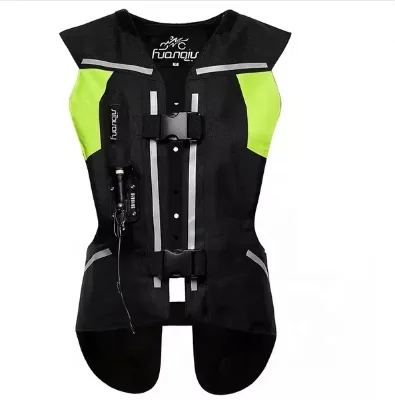
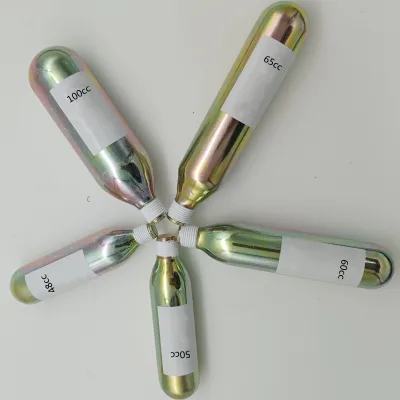
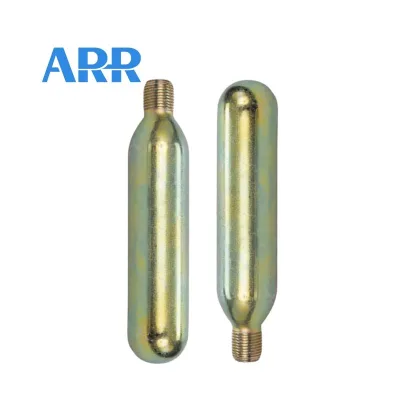
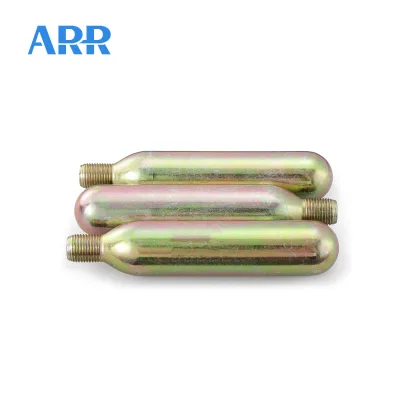

Heavy Duty Airbag Nylon Jacket Crash Protection Long Distance Travel Low MOQ
$85.00 - $125.00
MOQ: 300 PCS


Urban Airbag Jacket Rapid Deployment Wind Rain Resistant Slim Fit Bulk Orders
$85.00 - $125.00
MOQ: 300 PCS


Comprehensive Sourcing Guide
Sourcing Strategy for Rapid Activation CO2 Airbag Jackets
The procurement of rapid activation airbag jackets represents a specialized segment within the safety equipment market, where the integration of high-pressure gas systems with protective apparel demands rigorous technical scrutiny. Buyers targeting this core keyword must navigate a complex landscape of material specifications, pressure ratings, and supply chain logistics. The available market data indicates a diverse range of products, from single-item sales to bulk industrial orders, with origins primarily concentrated in specific manufacturing hubs in China. Understanding the distinction between the jacket components and the gas cartridge systems is critical, as these are often sourced as separate but interdependent units. This guide provides a structured approach to evaluating suppliers, verifying technical claims, and ensuring that the final procurement meets the necessary safety and performance standards for adult users in all seasons.
Technical Specifications and System Integration
The fundamental architecture of a rapid activation airbag jacket relies on the seamless interaction between the vest structure and the carbon dioxide (CO2) cylinder. The supply data reveals a clear bifurcation in product attributes. The jacket component is characterized by a sleeveless design, constructed from an 80% chemical fiber blend, and offered in unisex sizing ranging from Small to Double Extra Large. The material is explicitly noted for its breathable properties, a crucial feature for garments intended for use in all seasons. The color options observed in the market are limited to Black and Green, which are standard for high-visibility or tactical applications.
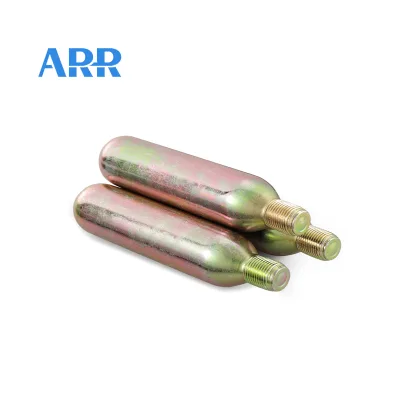
Conversely, the activation mechanism depends heavily on the specifications of the CO2 cartridge. The data presents multiple configurations, with gas weights ranging from 12g up to 50g, and specific models highlighted at 38g and 45g. The physical dimensions of these cylinders vary significantly; some specifications list an outside diameter of 30mm with a length of 140mm, while others indicate different outer diameters such as 140mm or 111mm, suggesting variations in cylinder height versus diameter ratios. The working pressure for these systems is a critical safety parameter, with observed values ranging from 5.5 MPa to 6 MPa, and maximum pressure resistance ratings reaching up to 50 MPa (7200 psi).
Buyers must verify the thread compatibility between the jacket's inflator and the cylinder. The market data indicates a mix of threaded and non-threaded options, with specific thread standards including 1/2-20UNF and 5/8-18UNF. The water capacity of the cylinders, a measure of their volume, is listed with minimums of 50cc and 60cc. Furthermore, the material of the cylinder itself is described as "environmental protection of steel" with varying wall thicknesses, such as 1.2mm, 5.7mm, and 5.8mm. The single package size for the cartridges also varies, with some listings showing compact dimensions like 0.83x0.18x0.18 cm, while others indicate larger packaging for bulk units.
| Component | Key Attribute | Observed Range/Value | Verification Requirement |
|---|---|---|---|
| Jacket Material | Composition | 80% Chemical fiber blend | Verify fiber type and breathability claims |
| Jacket Size | Sizing | S, M, L, XL, XXL | Confirm fit for target demographic (Adults) |
| Gas Weight | Capacity | 12g to 50g (Common: 38g, 45g) | Match gas weight to inflation speed requirements |
| Cylinder Pressure | Working Pressure | 5.5 MPa to 6 MPa | Ensure compatibility with inflator mechanism |
| Cylinder Thread | Connection | 1/2-20UNF, 5/8-18UNF, Non-Threaded | Verify physical fit with jacket inflator port |
| Cylinder Material | Construction | Steel (Environmental protection) | Check wall thickness for pressure safety |
Compliance and Certification Verification
In the realm of safety-critical equipment, compliance is not merely a formality but a prerequisite for liability management and user safety. While the supplied data does not explicitly confirm the certification status of every listed product, it references industry standards such as EN 17092-6 and EN 1621-2 in the background context. These standards are widely recognized for protective clothing and motorcycle safety gear, respectively. However, buyers must treat these references as indicators of potential compliance rather than guaranteed attributes for every item found in the search results.
The presence of a "Needle detection" attribute marked as "Yes" in the product data suggests a commitment to metal detection standards, which is a common requirement for safety apparel to prevent foreign object contamination. Additionally, the "CE" certification is mentioned in the background, implying that some suppliers may adhere to European conformity standards. However, without explicit documentation provided in the listing, buyers cannot assume that a specific product is CE certified. The procurement strategy must involve a direct request for test reports and certification documents from the supplier.
Buyers should specifically verify if the airbag system has undergone impact testing and inflation speed validation. The "High" pressure attribute and the specific working pressure values (5.5 MPa to 6 MPa) must be cross-referenced with the manufacturer's safety data sheets. The "Needle detection" feature is particularly relevant for manufacturing quality control, ensuring that no metal fragments remain in the garment that could interfere with the airbag deployment or cause injury. It is essential to confirm that the supplier can provide evidence of these checks, rather than relying solely on the attribute label in the product description.
Cost Drivers and Pricing Dynamics
The pricing structure for CO2 airbag jackets is influenced by a complex interplay of material costs, manufacturing complexity, and order volume. The observed price range in the market is extensive, spanning from $0.26 to $600 USD. This wide disparity indicates that the keyword search results likely include individual components, such as replacement cartridges, alongside complete jacket systems. The lower end of the spectrum likely corresponds to single gas cartridges or small accessories, while the higher end represents the full protective vest with integrated inflator systems.
The Minimum Order Quantity (MOQ) is another significant cost driver, ranging from 1 to 2000 units. Suppliers offering an MOQ of 1 are typically catering to sample orders or small-scale testing, which often carries a higher unit cost. Conversely, suppliers with an MOQ of 2000 are likely targeting large-scale industrial or commercial contracts, where economies of scale reduce the per-unit price. The "Supply Ability" of 8000 pieces per day suggests that high-volume suppliers have the capacity to meet large demands without significant lead time delays, provided the order size aligns with their production capabilities.
Material costs, particularly for the steel cylinders and the chemical fiber blend of the jacket, play a substantial role in the final price. The "Environmental protection of steel" specification implies a specific grade or treatment that may command a premium. Additionally, the complexity of the inflator mechanism, which must reliably trigger at high pressures (up to 50 MPa resistance), adds to the manufacturing cost. Buyers should be wary of prices that seem abnormally low, as they may indicate substandard materials or a lack of necessary safety testing. The "Single item" selling unit suggests that some suppliers allow for the purchase of individual components, which can be useful for budgeting but may result in higher logistics costs per unit compared to bulk purchasing.
Typical Applications and Use Cases
The primary application for these rapid activation airbag jackets is in high-risk environments where sudden impacts or collisions are a significant threat. The "Use" attribute explicitly identifies the product as an "Airbag vest Jacket," which is commonly utilized in motorsports, motorcycle riding, and industrial safety sectors. The "All Seasons" attribute indicates that the design is intended for year-round use, requiring the breathable chemical fiber blend to manage thermal regulation in varying weather conditions.
The unisex gender specification and the range of sizes (S to XXL) suggest that these jackets are designed for a broad adult demographic, making them suitable for fleet management in logistics, construction, or racing teams. The "Breathable" feature is particularly important for applications involving prolonged physical activity, such as motorcycle touring or industrial work, where heat buildup can be a hazard. The sleeveless design may be a specific requirement for layering over other protective gear or for use in warmer climates, though it may also be a stylistic choice for certain racing disciplines.
The high-pressure gas system (5.5 MPa to 6 MPa) is engineered for rapid deployment, which is critical in scenarios where milliseconds can determine the outcome of an accident. The "Needle detection" feature ensures that the jacket is free from metal contaminants that could compromise the integrity of the airbag system or the wearer's safety. The "Water Capacity Minimum" of 50cc to 60cc ensures that the cylinder contains sufficient gas to fully inflate the airbag, providing the necessary protection in the event of a crash.
Supplier Evaluation and Location Analysis
When evaluating suppliers for CO2 airbag jackets, the geographic origin of the product is a key factor. The data indicates that the majority of products originate from Zhejiang and Shandong, China. These regions are known for their manufacturing capabilities in textiles and metal products, respectively. Zhejiang is a hub for textile and garment manufacturing, which aligns with the "80% Chemical fiber blend" jacket components. Shandong, on the other hand, is a significant center for steel and metal processing, which is relevant to the "Environmental protection of steel" cylinders.
Buyers should verify the specific location of the manufacturing facility to ensure it aligns with the claimed attributes. For instance, a supplier claiming to produce both the jacket and the cylinder should ideally have facilities or partnerships in both Zhejiang and Shandong, or a comprehensive supply chain that integrates these components. The "7 days sample order lead time" is a positive indicator of supplier responsiveness, allowing buyers to test the product before committing to a large order. However, buyers must also consider the lead time for bulk production, which may vary based on the MOQ and the supplier's current production load.
The "Supply Ability" of 8000 pieces per day is a strong metric for evaluating a supplier's capacity to handle large orders. However, buyers should request references or case studies to validate this claim. Additionally, the "Single gross weight" of the products, ranging from 0.168 kg for cartridges to 65.000 kg for bulk shipments, provides insight into the logistics requirements. Heavy bulk shipments may incur higher shipping costs and require specialized handling, which should be factored into the total cost of ownership.
Quality Control and Long-Term Procurement
Quality control is paramount in the procurement of airbag systems, given the life-safety nature of the product. The "Needle detection" attribute serves as a basic quality control measure, but buyers should demand more comprehensive testing protocols. This includes pressure testing of the cylinders to ensure they can withstand the maximum pressure resistance of 50 MPa without failure. The "Working Pressure" of 5.5 MPa to 6 MPa must be consistently maintained across all units, and any deviation could indicate a manufacturing defect.
Long-term procurement considerations involve the availability of replacement parts and the durability of the system. The "Gas weight" and "Cylinder pressure" specifications must be consistent to ensure reliable performance over time. Buyers should also consider the shelf life of the CO2 cartridges and the storage requirements for the jackets. The "Environmental protection of steel" material suggests a focus on corrosion resistance, which is crucial for the longevity of the cylinder.
Furthermore, the "Single package size" and "Single gross weight" data highlight the importance of packaging efficiency. Compact packaging, such as the 0.83x0.18x0.18 cm dimensions for some cartridges, reduces shipping costs and storage space. However, for bulk orders, the "Single gross weight" of 65.000 kg indicates that palletization and secure packaging are essential to prevent damage during transit. Buyers should establish a quality assurance protocol that includes regular sampling and testing of incoming shipments to ensure that the products continue to meet the specified standards over time.
In conclusion, sourcing rapid activation CO2 airbag jackets requires a meticulous approach that balances technical specifications, compliance verification, and supplier evaluation. By focusing on the observed data points and adhering to rigorous quality control standards, buyers can secure reliable safety equipment that meets the demands of high-risk environments. The diverse range of products available, from single items to bulk orders, offers flexibility, but it also necessitates careful due diligence to ensure that the selected products provide the necessary protection and performance.
FAQs
What materials are used for the jacket and cylinder?
The jacket is made from an 80% chemical fiber blend, while the cylinder is constructed from environmental protection steel. These materials ensure breathability for all seasons and high pressure resistance up to 50 MPa for safety.
Which thread types are compatible with the airbag system?
Compatible threads include 1/2-20UNF, 5/8-18UNF, or non-threaded options depending on the specific model. Buyers must verify the inflator port matches the cylinder thread before purchasing to ensure proper gas delivery.
Can I order a sample before placing a bulk order?
Yes, suppliers support sample orders with a lead time of 7 days. This allows buyers to verify product quality and specifications before committing to larger quantities that may have higher minimum order requirements.
What is the working pressure range for these CO2 cartridges?
The working pressure ranges from 5.5 MPa to 6 MPa, with maximum resistance up to 50 MPa. This ensures rapid inflation while maintaining structural integrity during high-impact events for adult users.
Where are these products primarily manufactured?
Products originate from Zhejiang and Shandong provinces in China. Zhejiang handles textile components like the jacket, while Shandong specializes in steel cylinder production, ensuring a complete supply chain for the system.
How much gas weight is required for full inflation?
Gas weights vary from 12g to 50g, with common models at 38g and 45g. The minimum water capacity is 50cc to 60cc, ensuring sufficient gas volume to fully deploy the airbag vest in emergencies.