Source CO2 Welding MIG Wire Feeder for Steel Fabrication, Automotive Repair, and Construction
Explore 30 listings for the CO2 Welding MIG Wire Feeder suitable for steel fabrication, automotive repair, and construction. Buyers can compare specifications like output current, wire feeding speed, and duty cycle across models from Shandong, China.
Key considerations
Products List
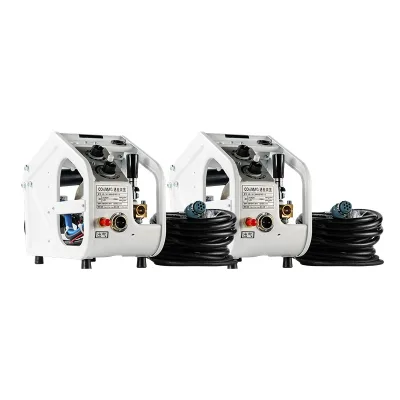


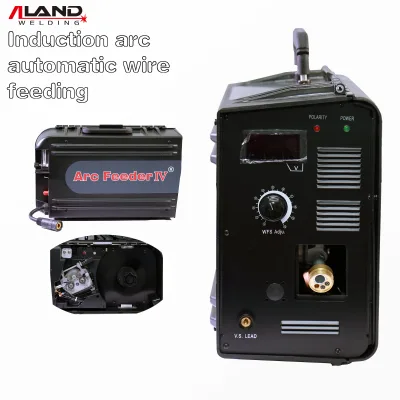
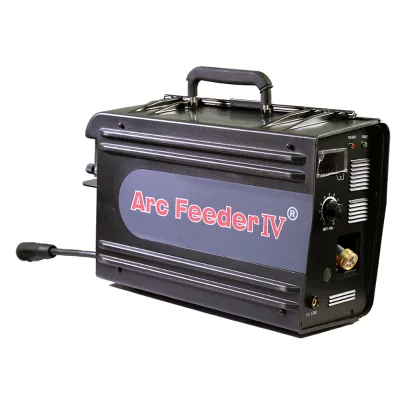
MIG Wire Feeder Welding Feeding Machine Arc Feeder Voltage-sensing Wire Feeder
$750.00 - $805.00
MOQ: 1 sets
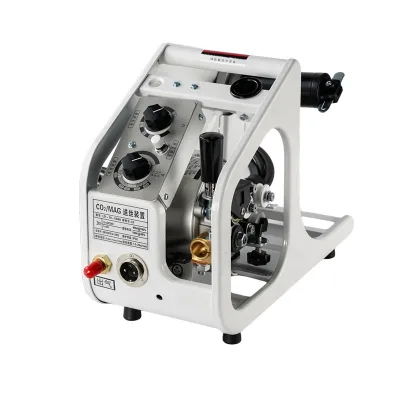
Automatic Wire Feeder Wire Feeder for Welding Machine Welding Wire Feeder
$880.23 - $970.66
MOQ: 1 sets
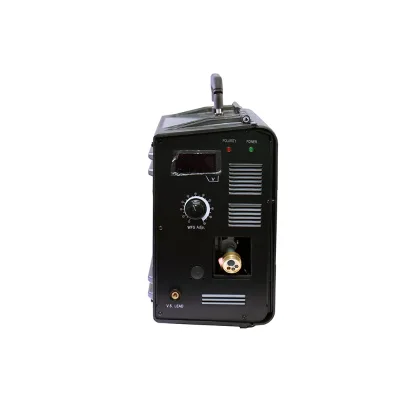
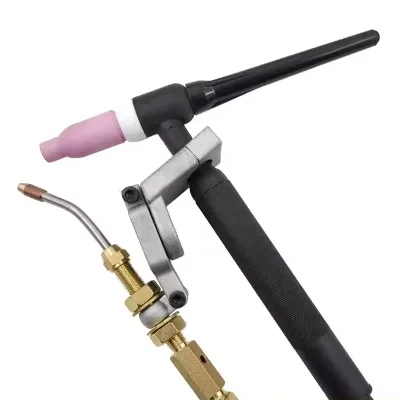
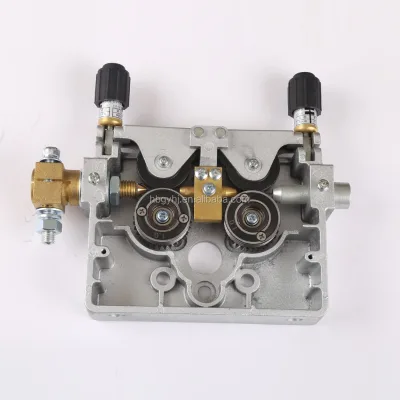
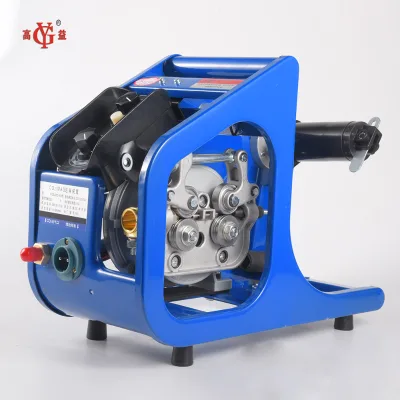
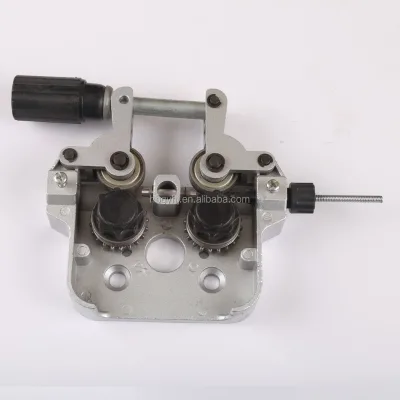
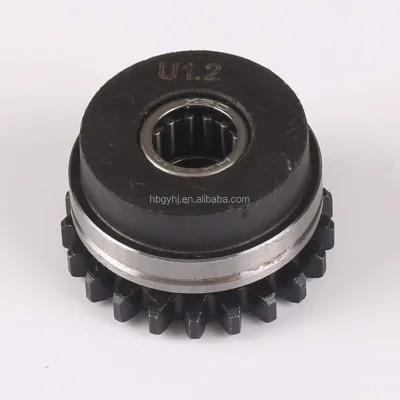
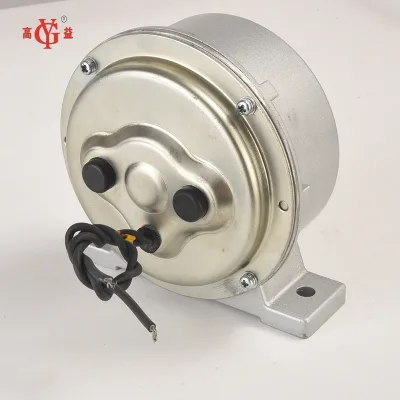
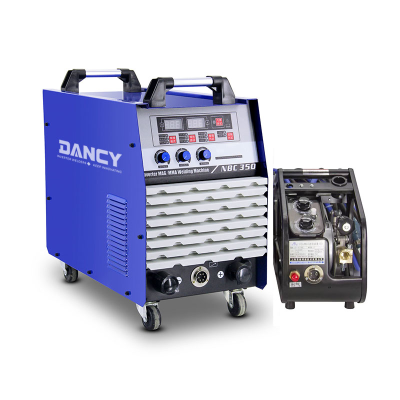
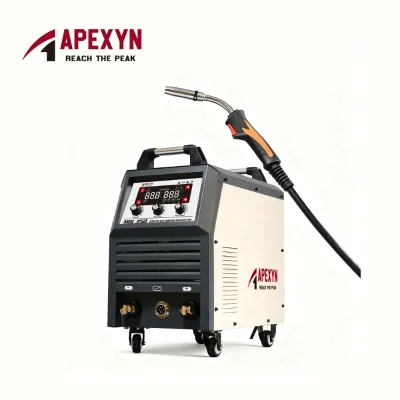
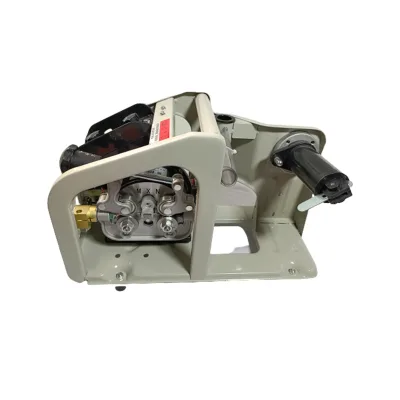
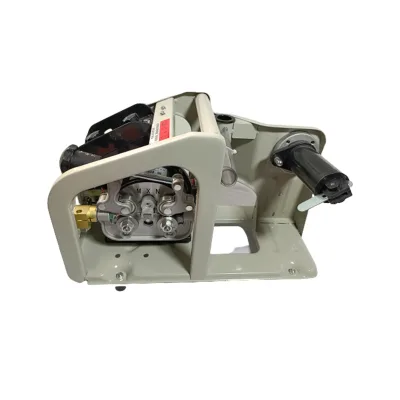
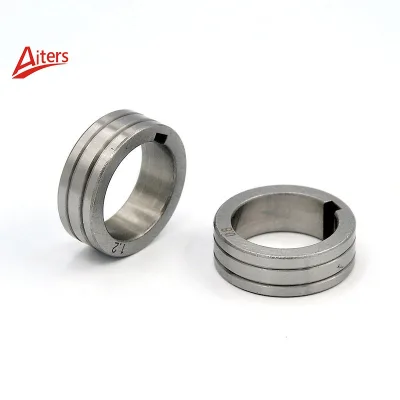


401d Multifunction Automatic Wire Feeder for MIG / TIG Welding Equipment
$28.00 - $32.00
MOQ: 500 Pieces


404A Aluminium 24 V 95W 100W Wire Feeder in MIG Welders / Welding Machine
$48.00 - $55.00
MOQ: 1 Pieces
Comprehensive Sourcing Guide
Strategic Sourcing Guide for CO2 Welding MIG Wire Feeders
Understanding Core Technical Specifications and Performance Parameters
When sourcing a CO2 Welding MIG Wire Feeder, the primary objective is to identify equipment that aligns with specific operational demands while ensuring compatibility with existing power infrastructure. The technical landscape for these units is defined by a convergence of electrical ratings, mechanical feeding capabilities, and material processing limits. Based on observed market data, a typical high-capacity unit in this category, such as the MIG-350 or NBC-350 model series, operates with a rated output current ranging from 50 to 350 Amperes. This range is critical for determining the feeder's suitability for heavy-duty fabrication versus light maintenance tasks. The rated output voltage for these systems typically spans between 16.5 and 31.5 Volts, with some configurations listing a specific rated output of 220V or a zero-load voltage of 68V, depending on the internal circuit design and the specific welding process variant being employed.
Power input requirements are equally vital for procurement planning. Most industrial-grade feeders in this segment are designed for a rated input voltage of AC 380V with a tolerance of +/-10%, ensuring stability in three-phase industrial environments. The power factor for these units is generally observed at 0.93 COS, indicating efficient energy utilization. Buyers must also verify the duty cycle, which dictates the operational intensity; a standard duty cycle of 60% at rated output current is common, meaning the unit can operate at full capacity for 6 minutes out of every 10-minute period. The physical dimensions of the unit, often around 505mm in length, 285mm in width, and 460mm in height, must be accommodated within the workshop layout. Furthermore, the single gross weight of these units can reach 50.0 kg, necessitating appropriate handling equipment during installation.
Compliance, Protection Grades, and Material Compatibility
Ensuring that a MIG wire feeder meets safety and environmental standards is a non-negotiable aspect of B2B procurement. The protection grade is a key indicator of the unit's durability against dust and water ingress. In the observed product data, a protection grade of IP21S is noted, which signifies protection against solid objects larger than 12.5mm and vertical dripping water. This level of ingress protection is suitable for controlled indoor workshop environments but may require additional housing or modifications for harsh outdoor conditions. Buyers should verify if the specific unit they are considering meets the IP ratings required for their specific site conditions, as higher grades (such as IP54 or IP65) are often necessary for more demanding industrial settings.
Material compatibility is another critical compliance and performance factor. The welding process specified for these units is MIG (GMAW), which is highly effective for carbon steel and other ferrous metals. The product attributes indicate suitability for processing carbon steel and general steel materials. The wire feeding mechanism must be versatile enough to handle various wire types, including solid core, flux-cored, and aluminum welding wires. The compatible welding wire diameters typically range from 0.8mm to 2.0mm, covering a broad spectrum of thicknesses and application requirements. When evaluating a supplier, procurement teams must confirm that the feeder's drive rolls and liner systems are adjustable to accommodate these different wire types without causing deformation or feeding jams, which can compromise weld quality.
Cost Drivers and Pricing Structure Analysis
The pricing structure for MIG wire feeders is influenced by a complex array of factors, including power capacity, brand positioning, and customization options. The observed listed price range in the market spans from approximately $1.02 to $26,800 USD. This vast disparity indicates that the market includes both entry-level components and fully integrated, high-end industrial systems. The lower end of the spectrum may represent basic wire feeding mechanisms or older model units, while the upper end likely encompasses complete welding power sources with advanced digital controls, high-duty cycles, and extensive customization capabilities.
Several specific cost drivers impact the final purchase price. First, the power capacity is a primary determinant; units with a rated output current of 350A and a maximum load power capacity of 13.2KVA command a higher price point than lower-amperage models. Second, the inclusion of OEM and ODM support services adds value and cost, as these services allow for branding and functional modifications tailored to the buyer's specific needs. Third, the warranty period significantly influences pricing; while some units are listed with a 1-year warranty, others offer extended coverage up to 3 years, reflecting the manufacturer's confidence in their build quality and component longevity. Finally, the complexity of the wire feeding speed range, which can vary from 1 m/min to 24 m/min, affects the cost of the drive motor and control electronics. Buyers should analyze the total cost of ownership rather than just the initial purchase price, considering energy efficiency, maintenance requirements, and the potential for customization.
Typical Applications and Operational Versatility
MIG wire feeders are versatile tools designed for a wide array of industrial applications, primarily centered around the welding of steel and carbon steel components. The core usage is identified as general welding, but the specific capabilities of these units allow for specialized tasks. The ability to handle wire diameters from 0.8mm to 2.0mm makes these feeders suitable for everything from thin-sheet metal fabrication to heavy structural steel construction. The welding current range of 20-350A provides the flexibility to adjust the heat input for different material thicknesses, ensuring optimal penetration and bead appearance.
The wire melting type, often identified as Short Circuit Transfer in the product specifications, is particularly advantageous for welding thin materials and out-of-position welds. This transfer mode minimizes heat input, reducing the risk of warping or burn-through on thinner gauge steels. Additionally, the multifunctional nature of these units allows them to be integrated into automated or semi-automated production lines. The electromagnetic valve voltage, typically DC24V or AC36V, and the wire feeding voltage of DC18.3V or DC24V, suggest compatibility with various control systems and power supplies. Buyers should consider the specific welding process requirements of their production line; for instance, if the operation involves high-speed production, the wire feeding speed range of 1.5 to 24 meters per minute becomes a critical performance metric. The unit's suitability for aluminum welding wires also expands its application scope to include non-ferrous metal fabrication, provided the correct liner and drive roll configurations are utilized.
Supplier Evaluation and Customization Capabilities
Evaluating suppliers for MIG wire feeders requires a rigorous assessment of their technical capabilities, manufacturing standards, and after-sales support. The origin of the product, often cited as Shandong, China, provides context regarding the manufacturing ecosystem, which is known for producing a wide variety of industrial machinery. However, the location alone does not guarantee quality; buyers must verify the supplier's track record in delivering consistent products that meet the specified technical parameters. A key differentiator among suppliers is the level of customization support offered. Many manufacturers provide OEM (Original Equipment Manufacturer) and ODM (Original Design Manufacturer) services, allowing buyers to brand the equipment and modify technical specifications to fit unique operational needs.
When assessing a potential supplier, procurement teams should inquire about the availability of specific features such as the single package size (e.g., 60.00x50.00x30.00 cm) and the packing standard (carton). These details impact logistics costs and storage requirements. Furthermore, the condition of the product, typically listed as "New," should be verified to ensure that no refurbished or used units are being sold without disclosure. The model number, such as MIG-350 or NBC-350, serves as a unique identifier, but buyers must ensure that the specific model corresponds to the exact specifications required, as variations can exist even within the same model series. The ability to customize the product, including changes to the warranty period or specific voltage inputs, is a strong indicator of a supplier's flexibility and customer-centric approach.
Quality Control and Long-Term Procurement Considerations
Quality control is paramount when sourcing industrial equipment like MIG wire feeders. Buyers should implement a robust verification process that includes checking the product's condition, warranty terms, and adherence to stated specifications. The warranty period, which can range from 1 to 3 years, is a direct reflection of the manufacturer's quality assurance standards. A longer warranty period often correlates with higher build quality and better component selection. Additionally, the duty cycle of 60% must be verified through testing or certification to ensure the unit can sustain the required operational intensity without overheating or failure.
Long-term procurement considerations extend beyond the initial purchase to include maintenance, spare parts availability, and lifecycle management. The single gross weight of 50.0 kg and the specific dimensions of the unit influence the ease of maintenance and the need for specialized lifting equipment. Buyers should also consider the standard of the product, which may be defined by specific dimensions or industry norms (e.g., 460200280mm). Ensuring that the supplier can provide a steady supply of spare parts, such as drive rolls, liners, and contact tips, is essential for minimizing downtime. The condition of the product, whether new or refurbished, should be clearly documented to avoid future disputes. Finally, the buying process should account for the lead time and the Minimum Order Quantity (MOQ), which can range from 1 to 500 units, allowing for flexibility in scaling procurement based on project needs. By focusing on these long-term factors, buyers can secure a reliable supply chain that supports sustained operational efficiency.
FAQs
What is the rated output current range for this feeder?
The rated output current ranges from 50 to 350 Amperes. This capacity supports heavy-duty fabrication tasks while maintaining stability for lighter maintenance operations in industrial settings.
Can the unit operate on standard three-phase power?
Yes, the unit operates on AC 380V input voltage with a tolerance of plus or minus 10 percent. This ensures compatibility with standard three-phase industrial power infrastructure.
Which wire diameters are compatible with this system?
The system accepts welding wire diameters from 0.8 to 2.0 millimeters. This range covers solid core, flux core, and aluminum wires for various material thicknesses.
How long is the warranty period for this equipment?
Warranty coverage is available for either one year or three years depending on the specific supplier agreement. Extended warranties often indicate higher build quality and component longevity.
What is the duty cycle for continuous operation?
The duty cycle is 60 percent at the rated output current. This allows the unit to operate at full capacity for six minutes within every ten-minute period.
Can suppliers provide OEM and ODM customization support?
Yes, customized support including OEM and ODM services is available for this product. Buyers can request branding and functional modifications to fit unique operational needs.
What is the protection grade against dust and water?
The protection grade is IP21S, offering protection against solid objects larger than 12.5mm and vertical dripping water. This is suitable for controlled indoor workshop environments.