Source Cocamidopropyl Betaine Degreasing Agent for Cosmetics, Detergents, Textiles
Compare 30 listings of Cocamidopropyl Betaine Degreasing Agent suitable for cosmetic raw materials, detergent production, and textile processing. Buyers can evaluate specifications like purity, pH, and packaging options from verified Chinese manufacturers.
Key considerations
Products List

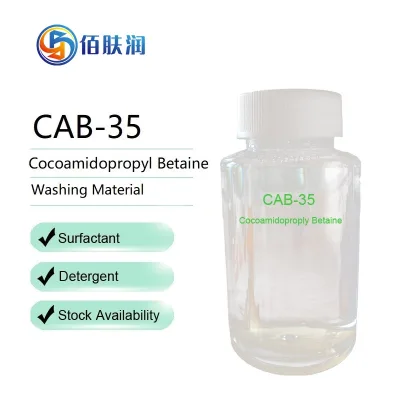


Foaming Agent Cocamidopropyl Betaine 35% Capb 35 86438-79-1 for Detergent
$699.00 - $749.00
MOQ: 10 Tons
Comprehensive Sourcing Guide
Strategic Sourcing Guide for Cocamidopropyl Betaine Degreasing Agents
The global demand for sustainable and effective cleaning agents has elevated the profile of amphoteric surfactants, particularly Cocamidopropyl Betaine (CAPB), often marketed under the trade name CAB-35. For procurement professionals in the chemical engineering, textile, and daily use sectors, sourcing a reliable supply of this material requires a nuanced understanding of its dual functionality as a foam booster and a degreasing agent. The product serves as a critical raw material in cosmetic formulations, hair care products, and industrial detergents, where its ability to reduce irritation while maintaining cleaning efficacy is paramount. This guide outlines the essential technical, compliance, and operational factors buyers must evaluate when sourcing this specific chemical commodity from international markets.
Technical Specifications and Chemical Identity
Understanding the precise chemical identity and physical properties of Cocamidopropyl Betaine is the first step in any procurement process. The substance is chemically defined by the molecular formula C19H38N2O3 and carries the CAS number 61789-40-0. It is classified as an amphoteric ionic surfactant, which allows it to function effectively across a wide range of pH levels, though it is often characterized by its neutral to slightly alkaline surface disposal properties. Buyers should verify that the material meets the specific purity requirements for their application, as the market commonly lists purity ranges between 28% and 35%.
The physical appearance of the product is a critical identifier. While some listings describe the liquid as colorless, others note a yellowish or light yellow hue. The standard specification often cites a "colorless to light yellow transparent liquid" form. For industrial applications, the solid content is a vital metric; specifications frequently indicate a minimum solid content of 35%. Additionally, the pH value typically falls within the 6-8 range, ensuring compatibility with various formulations. The presence of impurities must be strictly controlled, with standards often capping free amine content at 0.50% maximum and sodium chloride at 7.0% maximum. These numerical thresholds are not merely suggestions but are critical quality gates that determine the suitability of the raw material for high-end cosmetic or industrial degreasing applications.
Compliance, Certification, and Regulatory Framework
When sourcing chemical raw materials, regulatory compliance is non-negotiable. The product must adhere to established safety and environmental standards. A key identifier for regulatory tracking is the EINECS number 263-058-8, which confirms the substance's inclusion in the European Inventory of Existing Commercial Chemical Substances. This number is essential for customs clearance and regulatory reporting in international trade. Furthermore, the product's environmental protection status is a significant selling point, with many suppliers highlighting that the material is biodegradable and environmentally friendly, aligning with modern green chemistry initiatives.
Buyers must also verify the shelf life and storage requirements to ensure product integrity upon arrival. The standard shelf life for this chemical is typically two years, provided it is stored in a dry and cool place, kept away from direct sunshine. The molecular weight of the substance is approximately 342.52, a figure that can be useful for stoichiometric calculations in formulation development. While specific certifications like ISO or GMP are not explicitly listed in the general product data, the presence of a "Custom Logo" option suggests that many suppliers are capable of private labeling, which often implies adherence to specific client quality standards. However, buyers should explicitly request current certification documents rather than assuming compliance based on product descriptions.
Cost Drivers and Pricing Dynamics
The pricing of Cocamidopropyl Betaine is influenced by several volatile factors, primarily the cost of raw materials and global supply chain logistics. The primary raw material source is coconut oil, meaning fluctuations in agricultural yields and commodity prices for coconut derivatives will directly impact the final cost of the surfactant. The observed market price range is broad, spanning from $0.20 to $2,000 per unit, a variance that reflects differences in concentration, purity, packaging, and order volume.
The Minimum Order Quantity (MOQ) is another significant cost driver. The market data indicates an MOQ range from 1 unit up to 16,000 units. For small-scale research or pilot testing, buyers may find suppliers offering samples or single-item units, which carry a higher per-unit cost. Conversely, industrial buyers sourcing in bulk can leverage economies of scale, though they must manage the associated inventory costs. The packaging format also plays a role in the total landed cost; options include 200 kg drums or 1000 kg IBC tanks. The choice between these packaging types affects shipping efficiency and handling costs, with IBC tanks generally offering better value for large-volume shipments.
Typical Applications and Usage Scenarios
Cocamidopropyl Betaine is a versatile ingredient with a wide array of applications across multiple industries. In the daily use chemical sector, it is a staple in personal care products, serving as a mild surfactant in shampoos, body washes, and facial cleansers. Its ability to foam well and reduce the irritation potential of other surfactants makes it indispensable in hair care formulations. In the textile and printing and dyeing industries, the chemical acts as a leveling agent and a wetting agent, improving the uniformity of dye application and the overall quality of the finished fabric.
For industrial applications, the degreasing capability of the product is particularly valuable. It is used in metal surface disposal agents and general industrial cleaning formulations where a balance of cleaning power and material compatibility is required. The product's classification as an inorganic reagent in some contexts highlights its utility in heavy-duty cleaning scenarios. Whether used as a cosmetic raw material, a detergent raw material, or an industrial cleaning agent, the specific grade and purity must match the application requirements. For instance, a formulation for sensitive skin products may require a higher purity grade with lower free amine content compared to a general industrial degreaser.
Supplier Evaluation and Quality Control
Selecting the right supplier requires a rigorous evaluation process that goes beyond price comparisons. Buyers should prioritize suppliers who provide comprehensive technical data sheets (TDS) and certificates of analysis (CoA) for every batch. The consistency of the product is paramount; variations in color from colorless to yellow or differences in solid content can disrupt production processes. A reliable supplier will maintain strict quality control protocols to ensure that the free amine content remains below the 0.50% maximum and that the pH stays within the 6-8 range.
When evaluating potential partners, consider the following comparison of key supplier attributes:
| Attribute | Ideal Supplier Profile | Risk Indicator |
|---|---|---|
| Origin | Guangzhou, China (Verified) | Unverified or vague location |
| Packaging | 200kg Drum or 1000kg IBC Tank | Inconsistent or non-standard packaging |
| Model Number | Specific (e.g., BFR-CAB-35, CAPB) | Generic or missing model identifiers |
| Sample Availability | Available for testing | Not available or high cost |
| Shelf Life | Clearly stated (e.g., 2 years) | Unclear or expired stock |
| Purity | 35% (Min) or 28-32% range | Vague purity claims |
Buyers should also verify the supplier's ability to provide samples before committing to large orders. The availability of samples allows for in-house testing to confirm that the product meets the specific technical requirements of the buyer's formulation. Additionally, the supplier's responsiveness to inquiries regarding the EINECS number and CAS number is a good indicator of their regulatory knowledge and professionalism.
Long-Term Procurement Considerations
Sourcing Cocamidopropyl Betaine is not a one-time transaction but a long-term partnership that requires strategic planning. The lead time and production capacity of the supplier are critical factors that can impact the buyer's supply chain resilience. While specific lead times are not universally standardized, buyers should establish clear expectations regarding delivery schedules, especially for large orders involving 1000 kg IBC tanks. The stability of the supply chain is further influenced by the supplier's ability to source consistent raw materials, specifically coconut oil.
Long-term contracts should include clauses for quality assurance and batch-to-batch consistency. Given the sensitivity of the product to storage conditions, buyers must ensure that the supplier's logistics partners are equipped to handle the material correctly, maintaining the required dry and cool conditions during transit. Furthermore, the potential for custom branding, indicated by the "Custom Logo" attribute, should be explored if the buyer intends to market the final product under their own brand. This capability can add value to the supply chain by streamlining the branding process.
In conclusion, sourcing Cocamidopropyl Betaine as a degreasing agent requires a meticulous approach that balances technical specifications, regulatory compliance, and cost efficiency. By focusing on verified chemical identities, strict quality control measures, and reliable supplier partnerships, buyers can secure a high-quality raw material that meets the demanding standards of the cosmetic, textile, and industrial sectors. The broad range of applications and the environmental benefits of the product make it a strategic asset for any chemical procurement strategy, provided that the buyer remains vigilant in their evaluation of supplier capabilities and product consistency.
FAQs
What is the chemical identity of Cocamidopropyl Betaine Degreasing Agent?
The chemical identity is defined by the molecular formula C19H38N2O3 and CAS number 61789-40-0. It is classified as an amphoteric ionic surfactant with an EINECS number of 263-058-8 for regulatory tracking.
How is the purity and solid content specified for this product?
Purity typically ranges from 28% to 35%, with a minimum solid content of 35% often required. Specifications also cap free amine at 0.50% maximum and sodium chloride at 7.0% maximum to ensure quality.
Which packaging formats are available for bulk orders?
Standard packaging includes 200 kg drums or 1000 kg IBC tanks. Buyers can select between barrel or drum options depending on their shipping and storage requirements for the liquid surfactant.
Can buyers request samples before placing large orders?
Yes, samples are available for testing to verify product consistency and quality. This allows buyers to confirm specifications like pH and color before committing to bulk procurement from Guangzhou, China.
What is the shelf life and storage requirement for this chemical?
The standard shelf life is two years when stored correctly. Products must be kept in a dry and cool place away from direct sunshine to maintain integrity and prevent degradation.
How does the pH level affect its application in formulations?
The pH typically falls within the 6-8 range, making it compatible with various formulations. This neutral to slightly alkaline property ensures it functions effectively as a mild surfactant in personal care and industrial cleaners.
What are the primary raw materials used in production?
The primary raw material source is coconut oil, which influences the final cost and availability. Fluctuations in coconut oil prices directly impact the pricing dynamics of the surfactant in the global market.