Source Coconut Coir Liner for Agriculture, Gardening, and Erosion Control
Compare 30 listings for Coconut Coir Liner options including mats, pots, and filters. Buyers can review specifications like thickness, material, and customization to find suitable solutions for agriculture and erosion control.
Key considerations
Products List


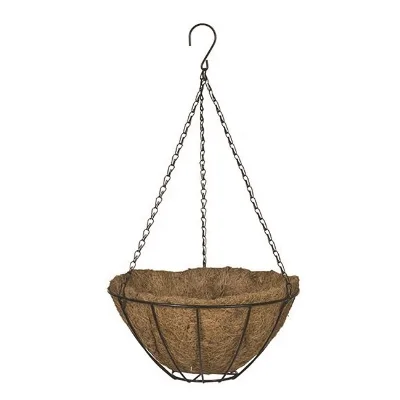


Coco Coir Coconut Fiber Mat for Landscaping and Soil Conservation
$0.25 - $1.45
MOQ: 1000 Square Meters


Tr Eco-Friendly Coconut Fiber Blankets Coco Coir Mat for Soil Coconut Fiber Mat Moisture Retention
$0.25 - $1.45
MOQ: 1000 Square Meters


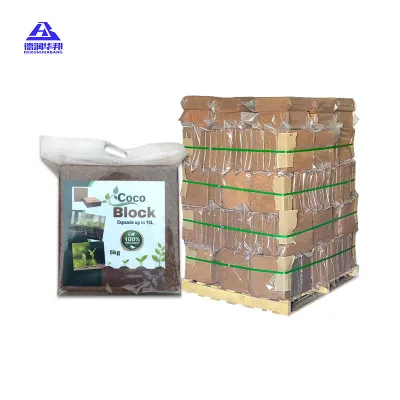

Coconut Coir Pith Dryer, Coconut Palm Fiber, Coconut Shell Dryer Manufacturer
$22000.00 - $45000.00
MOQ: 1 Sets

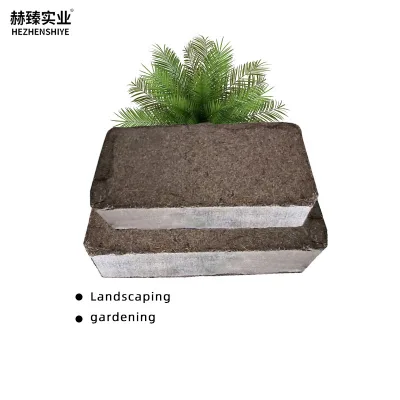
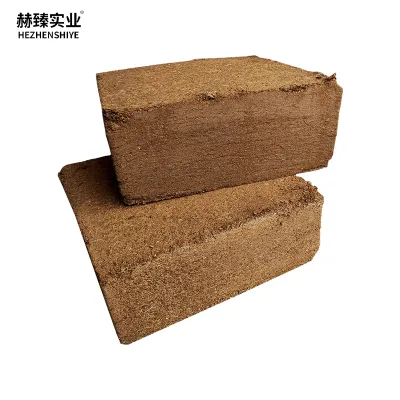


Comprehensive Sourcing Guide
Strategic Sourcing Guide for Coconut Coir Liners and Related Agricultural Materials
Navigating the global market for coconut coir liners requires a disciplined approach that distinguishes between raw agricultural materials, processed filtration products, and finished horticultural goods. The term "Coconut Coir Liner" often intersects with broader product categories including coconut fiber mats, panel filters, and biodegradable pots. Buyers must carefully parse product listings to ensure they are sourcing the specific physical form required for their application, whether it is soil erosion control, water filtration, or plant cultivation. The following guide outlines the critical technical, compliance, and logistical factors necessary for a successful procurement strategy, based on verified market observations and industry standards.
Technical Specifications and Material Variability
The foundation of any successful procurement begins with a precise definition of technical specifications. In the context of coconut-based products, the material is consistently identified as "Coconut Fiber" or "Coconut Coir." However, the physical manifestation of this material varies significantly depending on the intended use. For agricultural applications, the product is often described as a "Coconut Mat" with a "Medium Weight" thickness, designed to provide structural integrity while remaining breathable. This breathability is a critical attribute for root health and soil aeration.
When evaluating potential suppliers, buyers must verify the specific model numbers and dimensional standards associated with the liner. Market data indicates a diverse range of product models, such as Gt-26488, ZY-CF-07, and KM-CF-50, each potentially representing different weaving densities or fiber lengths. For filtration applications, the specifications shift toward geometric precision, with standards like 50050050mm or φ 500*50mm appearing in product descriptions. It is essential to confirm whether the liner is a "Panel Filter" with a "Pre Filter" grade or a solid agricultural mat.
The shape and design are equally variable. While some products are offered in a "Traditional" style with a "Natural Colour," others allow for "Customized" shapes and "Customized Logo Printing." This customization capability is a key differentiator for branding or specific site requirements. Buyers should note that some listings specify "without Clapboard," indicating a specific structural configuration that may affect installation methods. The finishing process is another technical variable; products may be listed as "Not Coated," which preserves the natural properties of the fiber but may limit resistance to certain environmental factors. Understanding these distinctions prevents the procurement of a product that is technically suitable for filtration but unsuitable for soil stabilization, or vice versa.
Compliance, Certification, and Quality Standards
Compliance verification is a non-negotiable step in sourcing coconut products, particularly when the end-use involves food-grade applications, organic farming, or regulated industrial filtration. The supply chain for coconut products often involves multiple processing stages, from harvesting to drying and packaging. Consequently, the certifications held by the supplier must align with the specific regulatory requirements of the buyer's region.
Verified market data highlights several critical management system certifications that reputable suppliers should possess. These include GMP (Good Manufacturing Practice), HACCP (Hazard Analysis and Critical Control Points), and HALAL certification. These certifications are particularly relevant for products derived from coconut water or those intended for use in food-adjacent agricultural systems. For instance, listings for coconut water products explicitly mention GMP, HACCP, and HALAL as part of their quality assurance. While these certifications are listed for specific product lines, they indicate a supplier's capability to maintain high hygiene and safety standards, which is a proxy for the quality of their fiber processing.
Additionally, the "prod_quality" attribute often references GHPs (Good Hygiene Practices) alongside HACCP and HALAL. Buyers should request current certificates of analysis and validity for these systems. It is important to distinguish between product-specific certifications and general organizational standards. While ISO 9001:2015 is a recognized standard for quality management, it should not be assumed as a universal fact for every listed product without explicit verification from the supplier. The "prod_standard" field in product listings often states "Customized," which implies that the supplier may not adhere to a single rigid international standard but rather tailors their production to specific client requirements. In such cases, the buyer must define the required standard in the purchase order and request evidence of compliance.
Cost Drivers and Pricing Structures
Understanding the cost structure of coconut coir liners is essential for budgeting and negotiation. The observed price range in the market is exceptionally broad, spanning from $0.01 to $1,000,000. This variance is not indicative of a single product type but rather reflects the spectrum from raw fiber bales to fully engineered, custom-branded filtration panels or large-scale agricultural mats. The primary cost drivers include the raw material source, the complexity of the manufacturing process, and the level of customization.
Raw material sourcing plays a significant role. Products originating from Thailand, specifically from the Bangkok region in Minburi, may carry different cost implications compared to those from China. The "Nam-Hom coconut water" and "Young Coconut Water" specifications suggest a premium raw material source, which could influence the price of coir products derived from the same supply chain. Furthermore, the processing method, such as "Spray dried and freeze-dried process," adds significant value and cost compared to simple air-drying.
Customization is another major cost factor. Products offering "Customized Logo Printing" or "Customized" shapes and designs will inherently cost more than standard "Natural Colour" items. The Minimum Order Quantity (MOQ) also directly impacts the unit price. The observed MOQ range is vast, from 1 to 10,000 units. Specific listings show MOQs of 200, 100, or 500 pieces, with units varying by product type. Buyers must calculate the total landed cost, including the MOQ requirement, to determine the true cost per unit. Payment terms, such as T/T, L/C, and Western Union, also influence the financial risk and cash flow requirements of the transaction.
Typical Applications and Use Cases
The versatility of coconut coir allows it to serve in multiple distinct applications, and buyers must align their procurement with the specific use case. The primary application identified in the market data is "Agriculture." In this sector, coconut coir liners are used for soil erosion control, moisture retention, and as a biodegradable medium for plant growth. The "Coconut Mat" and "Coco coir pots" are specifically designed for these purposes, offering a sustainable alternative to plastic liners.
Another significant application is in filtration systems. The product attributes list "Panel Filter" and "Pre Filter" grades, indicating use in air or water purification systems. In these contexts, the "Medium Weight" thickness and specific dimensions (e.g., 50050050mm) are critical for ensuring the correct flow rate and particle capture efficiency. The "Natural Colour" and "White" appearance of the product may also be relevant for aesthetic or visibility requirements in filtration housings.
It is crucial to avoid conflating these applications. A product listed as a "Coconut Mat" for agriculture may not meet the structural requirements for a "Panel Filter." Similarly, a product with a "Shelf Life" of 1 year is likely intended for perishable or time-sensitive applications, such as those involving coconut water derivatives, whereas a raw fiber mat may have a much longer functional lifespan. Buyers should clearly define the end-use environment, including exposure to moisture, UV light, and mechanical stress, to select the appropriate product variant.
Supplier Evaluation and Origin Verification
Evaluating suppliers requires a rigorous check of their origin and operational capabilities. The market data indicates that products originate from China and Thailand. Chinese suppliers are noted for models like Gt-26488 and ZY-CF-07, while Thai suppliers are associated with brands like CORNEX and TF, and specific locations like Minburi, Bangkok. The origin country can influence the quality of the raw fiber, as the climate and soil conditions in these regions affect the fiber's length and strength.
When evaluating a supplier, buyers should verify their brand identity and product quality claims. Brands such as "CORNEX," "TF," and "Sunbelt" appear in the data, suggesting established market presence. However, the presence of a brand name does not guarantee quality; it must be backed by the previously mentioned certifications (GMP, HACCP, HALAL). Buyers should also assess the supplier's ability to handle customization. The "Customization: Available" attribute is a positive indicator, but it requires clear communication regarding the scope of customization, such as logo printing or shape modification.
Logistical capabilities are another key evaluation point. Lead times vary, with delivery deadlines of 14 or 20 days observed in the data. This variability suggests that production capacity and inventory levels differ among suppliers. Buyers should confirm the "delivery_deadline" for their specific order to ensure it aligns with their project timeline. Additionally, the "prod_packing" method, such as "PE Bag," should be verified to ensure the product arrives in a condition suitable for immediate use or storage.
Quality Control and Long-Term Procurement Considerations
Implementing a robust quality control (QC) protocol is essential to mitigate the risks associated with sourcing agricultural and industrial materials. Given the variability in product attributes, such as "Appearance" ranging from "White powder" to "Natural Colour," visual inspection upon receipt is necessary. Buyers should establish acceptance criteria based on the agreed-upon specifications, including fiber density, thickness, and color consistency.
For long-term procurement, buyers should consider the shelf life and storage requirements of the product. A "Shelf Life" of 1 year is noted for certain coconut water-based products, which implies that raw fiber products may also have degradation timelines related to moisture and biological activity. Proper storage conditions, such as dry and ventilated environments, are critical to maintaining the integrity of the coir.
Sustainability is another long-term consideration. Coconut coir is a renewable resource, and sourcing from suppliers who adhere to GHPs and HACCP standards ensures that the production process is environmentally responsible. Buyers should also evaluate the supplier's capacity for repeat orders and their ability to maintain consistent quality over time. The "Customized" nature of many products means that maintaining a consistent supplier relationship is vital to ensuring that subsequent orders match the initial specifications.
In conclusion, sourcing coconut coir liners requires a meticulous approach that balances technical specifications, compliance requirements, and logistical realities. By focusing on verified attributes such as material composition, certification status, and origin, buyers can navigate the complex market to find suppliers that deliver high-quality, reliable products tailored to their specific agricultural or industrial needs. The broad range of available options, from standard mats to custom filtration panels, offers significant flexibility, provided that the procurement process is grounded in rigorous due diligence and clear communication.
FAQs
What material is used for coconut coir liners?
Coconut coir liners are made from coconut fiber, a natural and eco-friendly material. This medium-weight fiber offers breathability suitable for agricultural applications, ensuring proper soil aeration and moisture retention for plant growth.
Can I customize the logo on these coconut coir mats?
Yes, customization is available for coconut coir liners, including customized logo printing. Buyers can request specific designs or branding on the natural color mats, which are often produced in traditional styles with customized shapes.
Which certifications do coconut coir suppliers typically hold?
Reputable suppliers often hold GMP, HACCP, and HALAL certifications for their coconut-based products. These quality standards ensure hygiene and safety, particularly for products derived from coconut water or those used in regulated agricultural systems.
How long is the delivery time for coconut coir orders?
Delivery deadlines for coconut coir liners typically range from 14 to 20 days depending on the supplier. Buyers should verify the specific lead time and payment terms, such as T/T or L/C, before placing an order.
What is the minimum order quantity for coconut coir mats?
Minimum order quantities vary, with observed values ranging from 100 to 500 pieces for specific models. Some suppliers list an MOQ of 200 units, while others may require 500 pieces for customized or branded products.
Where are coconut coir liners typically manufactured?
Coconut coir products are primarily manufactured in China and Thailand, with specific origins in Bangkok and Minburi. These regions provide the raw materials, such as young coconut water, used to produce the fiber mats and filters.