Source COB LED PAR Light for Stage, Dance, and Club Events
Compare 30 verified COB LED PAR Light options from Guangzhou suppliers. Buyers can evaluate power ratings, IP ratings, and customization features for stage, dance, and club applications.
Key considerations
Products List


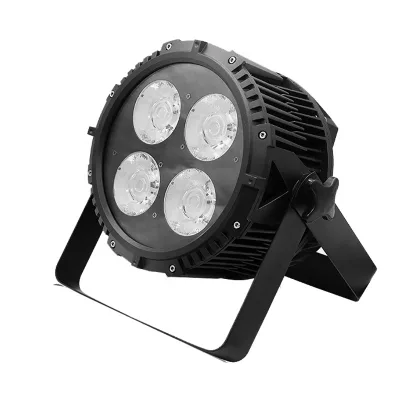


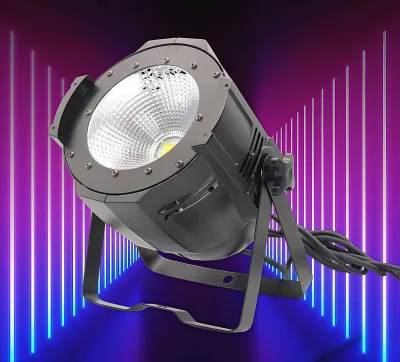

Comprehensive Sourcing Guide
Strategic Sourcing Guide for COB LED PAR Light Procurement
The global demand for high-efficiency, compact lighting solutions has elevated the COB (Chip on Board) LED PAR light to a critical asset for event production, stage design, and architectural illumination. For procurement professionals, navigating the supply chain for these units requires a disciplined approach that balances technical performance with compliance verification. The following guide synthesizes observed market data and technical specifications to provide a robust framework for sourcing decisions. This analysis focuses on the specific attributes of COB LED PAR lights, ensuring that buyers can distinguish between high-quality units and those with inflated claims.
Technical Specifications and Performance Metrics
When evaluating COB LED PAR lights, the primary differentiator lies in the integration of the light source and the optical system. The core technology involves mounting multiple LED chips directly onto a substrate, creating a single, high-intensity light source. This design significantly reduces the need for secondary optics, resulting in a more compact form factor and improved thermal management. Based on current market observations, the power consumption for these units typically ranges from 100W to 200W, with the 200W variant being a standard for high-output applications.
The physical dimensions of the unit are a critical constraint for logistics and rigging. Observed specifications indicate a standard footprint of approximately 340mm x 290mm x 245mm for larger models, which fits within standard flight cases. The shell material is predominantly Aluminium Alloy, chosen for its high thermal conductivity and durability. This material choice is essential for maintaining the lifespan of the LED chips, as excessive heat is the primary factor in LED degradation.
Beam angle and color temperature are equally vital for application matching. The observed data highlights a beam angle of 25 degrees for specific models, which is ideal for spotlighting and creating defined pools of light. Regarding color, the market offers units in both White and Warm White configurations, with specific color temperatures noted around 3500K for warm white options. The Color Rendering Index (Ra) is a crucial metric for color fidelity; a value of Ra 80 is observed in current listings, which is sufficient for general stage and venue applications, though higher Ra values may be required for broadcast or high-end architectural work.
Compliance and Certification Verification
In the B2B lighting sector, certification is not merely a formality but a prerequisite for market access and liability protection. Buyers must rigorously verify that suppliers possess valid documentation for the regions where the equipment will be deployed. The most frequently observed certifications for COB LED PAR lights include CE and RoHS, which indicate compliance with European safety and environmental standards.
For markets in North America, FCC certification is often required to ensure electromagnetic compatibility. Additionally, specific regional standards such as PSE (Japan) and CCC (China) may be necessary depending on the destination. The supply chain data confirms that reputable manufacturers often hold a combination of these certifications, including EMC (Electromagnetic Compatibility). It is imperative for procurement teams to request current, valid certificates rather than relying on generic claims. The presence of multiple certifications, such as FCC, PSE, EMC, CCC, CE, and RoHS, suggests a manufacturer with a robust quality assurance system, but each certificate must be validated against the specific batch of goods being purchased.
Cost Drivers and Pricing Dynamics
The pricing structure for COB LED PAR lights is influenced by several tangible factors. The observed market price range is broad, spanning from $0.50 to $280.00 USD. This variance is not indicative of a single product tier but rather reflects differences in power output, build quality, and brand positioning. A unit priced at the lower end of this spectrum may be a 100W model with basic features, while the higher end likely represents a 200W unit with advanced control capabilities and premium materials.
The Minimum Order Quantity (MOQ) is another significant cost driver. The observed MOQ range extends from 1 unit to 5,000 units. Buyers purchasing single units or small batches will face a higher per-unit cost compared to those placing bulk orders. The production volume directly impacts the unit price, as economies of scale reduce the manufacturing overhead per item. Furthermore, the packaging method, whether standard cartons or specialized flight cases, adds to the overall cost. Flight cases are essential for touring applications to protect the equipment during transit, but they increase the shipping weight and volume, thereby affecting logistics costs.
Typical Applications and Operational Modes
COB LED PAR lights are versatile tools designed for a wide array of environments. The primary applications identified include stage performances, dance effect lighting, DJ disco parties, bars, clubs, and theme parks. The high intensity and compact size of the COB technology make it particularly suitable for dynamic environments where rapid color changes and precise beam control are required.
The operational flexibility of these units is enhanced by their support for various control modes. Standard operation modes include Master-Slave synchronization, DMX512 protocol for professional lighting control, sound activation for autonomous operation, and auto-run modes. This versatility allows a single unit to be deployed in a fixed installation or a touring rig. The dimming capability is another key feature, with observed specifications indicating a 0-100% dimming range, allowing for subtle atmospheric adjustments. The input voltage is typically AC 85-265V, ensuring compatibility with global power grids without the need for external transformers.
Supplier Evaluation and Origin Analysis
When selecting a supplier, the geographic origin of the product is a relevant data point. The majority of COB LED PAR lights in the current market originate from Guangzhou, China, a hub known for its extensive lighting manufacturing ecosystem. This concentration of suppliers offers buyers a wide selection but also necessitates careful vetting to ensure quality consistency.
Supplier evaluation should focus on the consistency of their product attributes. For instance, the brand name "CORAL" appears in the market data, indicating that established brands are present alongside generic manufacturers. Buyers should verify the brand's track record and the specific model numbers associated with their orders, such as GBR-TC200, AMD9120-200W, or CRL-200PW. The presence of specific model numbers allows for precise tracking of technical specifications and warranty terms.
Furthermore, the supplier's ability to provide lighting solutions services, including project installation support, adds value beyond the hardware itself. This service capability can be crucial for complex installations where technical expertise is required to integrate the lighting system with existing infrastructure.
Quality Control and Long-Term Reliability
Ensuring the long-term reliability of COB LED PAR lights requires a focus on several key quality metrics. The lifespan of the LED chips is a primary concern, with observed data indicating a typical lifespan of 6,000 hours. This figure represents the time until the light output drops to a specific percentage of its initial value, rather than total failure. Buyers should verify if the manufacturer offers a warranty period, with 1-year warranties being a common standard in the current market.
Thermal management is another critical aspect of quality control. The working temperature range for these units is typically specified as -20°C to 40°C. Operating outside this range can significantly reduce the lifespan of the unit. The IP Rating is also a vital specification for durability. While some units are rated IP33, which offers protection against water spray and solid objects larger than 2.5mm, others may have different ratings. Buyers must ensure the IP rating matches the environmental conditions of the intended application, particularly for outdoor or wet stage environments.
Comparative Analysis of Key Models
To assist in decision-making, the following table compares key attributes observed across different model numbers and configurations. This comparison highlights the variations in power, channels, and certifications that buyers should consider.
| Attribute | Model GBR-TC200 | Model AMD9120-200W | Model AMD9120-100W | Model CRL-200PW |
|---|---|---|---|---|
| Power Consumption | 200W | 200W | 100W | 200W |
| Light Source | 200W LED | LED | LED | 200W LED |
| Channels | 2CH | 6CH | N/A | N/A |
| Beam Angle | N/A | 25 Degree | N/A | N/A |
| Certifications | CE, RoHS | N/A | N/A | FCC, PSE, EMC, CCC, CE, RoHS |
| Color Temp | Warm White | N/A | N/A | 3500K (Warm White) |
| IP Rating | PAR Light | N/A | N/A | IP33 |
| Weight | N/A | 7.5 KG | N/A | 7.5 kg |
| Origin | Guangzhou | Guangzhou City | N/A | China |
Note: Data points marked "N/A" indicate that the specific attribute was not explicitly listed for that model in the provided context. Buyers should request this data directly from the supplier.
Procurement Considerations and Final Recommendations
The procurement of COB LED PAR lights requires a balance between immediate performance needs and long-term operational stability. Buyers must prioritize units with verified certifications and clear technical specifications. The variation in channel counts, such as 2CH versus 6CH, indicates different levels of control complexity, which should align with the buyer's control system infrastructure.
Furthermore, the packaging type, whether standard cartons or flight cases, must be selected based on the transportation method. For international shipping or touring, flight cases are highly recommended to prevent damage. The warranty period and the supplier's support for project installation are also critical factors that can mitigate risks associated with equipment failure.
In conclusion, successful sourcing of COB LED PAR lights depends on a meticulous review of technical data, certification validity, and supplier capabilities. By adhering to the standards and verification processes outlined in this guide, procurement professionals can secure high-quality lighting solutions that meet the demanding requirements of modern stage and event production. The focus should remain on objective data and verified attributes, avoiding assumptions about performance or compliance that are not explicitly supported by the product documentation.
FAQs
What certifications do cob led par lights typically have?
These lights commonly carry CE and RoHS certifications. Some models also include FCC, PSE, EMC, and CCC to meet regional safety and environmental standards for global deployment.
How much power do cob led par lights consume?
Power consumption typically ranges from 100W to 200W. The 200W variant is standard for high-output applications, while 100W units suit lower intensity needs.
Can cob led par lights operate in various environments?
Yes, they function within a temperature range of -20 to 40 degrees Celsius. Some units feature an IP33 rating for protection against water spray and solid objects.
Which control modes support COB LED PAR Light operation?
These lights support Master-Slave, DMX512, sound active, and auto modes. This flexibility allows synchronization for professional stage setups or autonomous operation for parties.
What is the typical lifespan of a COB LED PAR Light?
The observed lifespan is approximately 6,000 hours. Buyers should verify warranty terms, as a 1-year warranty is a common standard for these units.
How are cob led par lights packaged for shipping?
They are packed in cartons or specialized flight cases. Flight cases are recommended for touring to ensure protection during transit, though they increase shipping weight.
Where are cob led par lights typically manufactured?
Most units originate from Guangzhou, China. This region is a known hub for lighting manufacturing, offering a wide selection of models and customization options.