Source Coconut Coir Peeling Machine for Food Processing
Source the Coconut Coir Peeling Machine from 30 verified listings. Compare models like JW-YZ1 and HT-YN500L for capacities ranging from 600 to 1400 pieces per hour. Evaluate stainless steel construction, voltage options, and packaging details to find the right equipment for your production line.
Key considerations
Products List


High Performance Coconut Cutting Machine/ Coconut Water Extracting Machine
$136100.00 - $156500.00
MOQ: 1 Sets


Automatic Peeler / Green Coconut Peeler Machine / Green Coconut Peeling Machine
$1189.00 - $1689.00
MOQ: 1 set


Hot Sale Coconut Peeling Machine Coconut Skin Remover Coconut Dehuller Machine
$3380.00 - $3580.00
MOQ: 1 Set


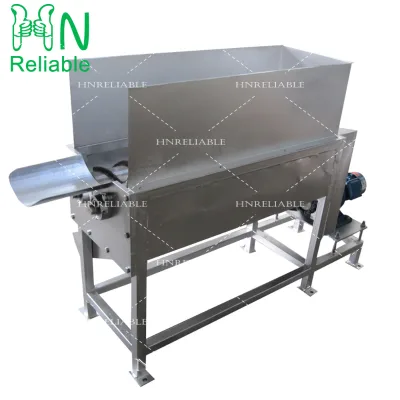
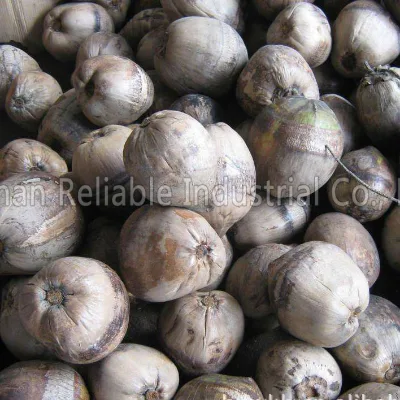
Industrial Coconut Fiber Striping Machine for Coconut Coir Fiber Peeling
$3630.40 - $4601.91
MOQ: 1 sets
Comprehensive Sourcing Guide
Coconut Coir Peeling Machine Sourcing Guide
Sourcing a Coconut Coir Peeling Machine requires careful evaluation of mechanical design, material durability, and operational efficiency to ensure consistent performance in industrial processing environments. Buyers must prioritize machines constructed from high-grade stainless steel, specifically 304 grade, to resist corrosion and maintain hygiene standards during continuous operation. The observed market offers a diverse range of models, from the JW-YZ1 to the HT-YN500L, each tailored to specific throughput requirements and coconut varieties. Understanding these distinctions is critical for aligning equipment capabilities with production volume targets and raw material characteristics.
Procurement decisions should be guided by verified technical parameters such as voltage, power consumption, and physical dimensions, which directly impact installation logistics and energy costs. The available inventory indicates a strong emphasis on customization, with many suppliers offering tailored solutions for different coconut diameters and heights. Buyers should focus on machines that explicitly state their suitability for either green or old coconuts, as the peeling mechanism varies significantly between these types. This alignment ensures that the selected equipment minimizes waste and maximizes the yield of high-quality coir fibers.
Product Scope and Observed Listing Signals
The current market landscape for coconut processing equipment reveals a wide spectrum of capabilities, with observed prices ranging from $1,089 to $156,500 USD. This variance reflects differences in automation levels, build quality, and specialized features such as high-efficiency peeling mechanisms. Most listings indicate a minimum order quantity of one set, suggesting that suppliers are flexible in accommodating both pilot projects and large-scale industrial deployments. Buyers should interpret this price range as an indicator of the diverse technological tiers available, from basic manual-assist units to fully automated high-speed systems.
Observed specifications highlight key performance indicators such as processing speed, with some machines achieving 1,200 to 1,400 pieces per hour, while others operate at slower rates for precision handling. The physical footprint of these machines varies considerably, with standard dimensions ranging from compact units like 300420885mm to larger industrial frames measuring up to 170010501200mm. These dimensions are crucial for factory layout planning, as they determine the required floor space and workflow integration. Buyers must carefully assess these spatial requirements alongside the machine's weight, which can range from 50kg to over 780kg, to ensure proper foundation support and handling logistics.
Technical Specifications to Verify
Voltage and power configuration are primary technical considerations, with observed units operating on either 220V or 380V systems, often requiring 50Hz three-phase power. Buyers must verify the electrical infrastructure at their facility to avoid costly retrofitting or operational disruptions. Additionally, the working pressure for pneumatic or hydraulic components typically ranges from 0.5 to 0.7MPa, which necessitates compatible air supply systems. Confirming these utility requirements early in the sourcing process ensures seamless integration and prevents downtime due to power incompatibility or insufficient pressure support.
Material composition and mechanical durability are equally critical, with most reputable machines constructed from food-grade stainless steel to meet hygiene standards. The coconut diameter compatibility is a vital specification, with many units designed to handle diameters between 100mm and 240mm, and heights up to 240mm. Buyers should verify the motor rotation speed, which is often around 1400r/min, to assess the balance between processing speed and mechanical stress. Ensuring that the machine's capacity, whether measured in pieces per hour or kilograms per hour, aligns with production goals is essential for achieving optimal return on investment.
Compliance and Safety Documentation
Safety certifications such as CE marking are frequently observed in the market, indicating adherence to European safety, health, and environmental protection standards. Buyers should request valid certification documents to verify that the machine meets the regulatory requirements of their target market. While ISO 9001, ISO 14001, and ISO 45001 are mentioned in background contexts, buyers must confirm the actual certification status of the specific supplier rather than assuming compliance based on general industry trends. Proper documentation ensures legal operability and reduces liability risks associated with workplace accidents or environmental non-compliance.
Packaging standards are another critical aspect of compliance and logistics, with many suppliers using fumigation-free wooden cases or standard wooden boxes to protect the equipment during transit. These packaging methods help prevent damage and ensure that the machine arrives in optimal condition, ready for installation. Buyers should verify that the packaging complies with international shipping regulations, particularly regarding wood treatment and fumigation requirements, to avoid customs delays or additional fees. Clear labeling and secure packaging are essential for maintaining the integrity of the stainless steel components and sensitive electrical systems.
Cost Drivers and Commercial Terms
The total cost of ownership is influenced by several factors, including the machine's weight, packing dimensions, and the complexity of its mechanical design. Heavier units, such as those weighing 475kg or 780kg, may incur higher shipping and handling costs, requiring specialized logistics solutions. Buyers should also consider the energy efficiency of the machine, as electric types with optimized motors can reduce long-term operational expenses. Understanding these cost drivers allows for more accurate budgeting and helps in comparing the true value of different models beyond the initial purchase price.
Commercial terms often include customization options, which can add value but may also extend lead times or increase costs. Buyers should clarify the scope of any customizations, such as adjustments for specific coconut varieties or integration with existing production lines. The minimum order quantity of one set provides flexibility, but buyers should negotiate for volume discounts if planning to procure multiple units. Clear communication regarding payment terms, warranty coverage, and after-sales support is essential to mitigate financial risks and ensure a smooth procurement process.
Supplier Qualification and Quality Control
Supplier qualification involves verifying the manufacturer's location, with many units originating from China, particularly Henan province. Buyers should assess the supplier's production capabilities, quality control processes, and track record in the coconut processing machinery sector. Requesting detailed product specifications and technical drawings helps in evaluating the machine's design and construction quality. Buyers should also inquire about the supplier's ability to provide customized solutions, as this indicates flexibility and technical expertise in meeting specific operational needs.
Quality control measures should include pre-shipment inspections to verify that the machine meets all agreed-upon specifications, including material grade, dimensions, and performance metrics. Buyers should request test reports or video demonstrations of the machine in operation to confirm its efficiency and reliability. Establishing a clear communication channel with the supplier for technical support and troubleshooting is crucial for long-term success. Ensuring that the supplier provides comprehensive documentation, including user manuals and maintenance guides, facilitates easier operation and reduces the risk of mechanical failures.
Long-Term Procurement Checks
Long-term procurement success depends on the availability of spare parts and the supplier's commitment to after-sales service. Buyers should verify the lead times for critical components, such as blades or motors, to minimize downtime in case of wear or failure. Establishing a maintenance schedule and training operational staff on proper machine handling can extend the equipment's lifespan and improve performance. Regular inspections and preventive maintenance are essential to identify potential issues before they result in costly repairs or production interruptions.
Building a strong relationship with the supplier can facilitate access to upgrades and new technologies as the market evolves. Buyers should stay informed about industry trends and advancements in coconut processing machinery to ensure their equipment remains competitive. Periodic reviews of the machine's performance against initial specifications help in assessing its ongoing value and identifying areas for improvement. By prioritizing long-term partnership and continuous improvement, buyers can maximize the return on their investment in coconut coir peeling machinery.
FAQs
What is the capacity of the coconut peeling machine?
The machine capacity ranges from 600 to 1400 pieces per hour depending on the specific model selected. Some units process 600 to 800 pieces hourly while others achieve 1200 to 1400 pieces per hour. This variation allows buyers to choose based on their production volume needs.
Can the machine handle different coconut sizes?
Yes, the equipment accommodates coconut diameters between 100 and 240 millimeters and heights from 120 to 240 millimeters. This flexibility ensures the machine can process various coconut types effectively without requiring manual adjustments for different fruit dimensions during operation.
What material is used to construct the machine?
The machine is constructed from stainless steel or food grade stainless steel to ensure durability and hygiene. This material choice prevents corrosion and meets food safety standards, making the equipment suitable for processing coconuts in commercial food production environments.
Is customization available for this coconut processing equipment?
Customization is available for buyers with specific production requirements or unique operational needs. The supplier offers tailored solutions to adapt the machine specifications, ensuring the equipment fits seamlessly into existing production lines or meets specific processing goals.
What is the minimum order quantity for this machine?
The minimum order quantity is one set for all listed models of the coconut peeling machine. This low entry threshold allows small businesses and large factories to purchase the equipment without needing to meet high volume purchase requirements before starting operations.
How is the machine packaged for shipping?
The machine is packaged in a fumigation-free wooden box or wooden case to ensure safe transport. This robust packaging protects the equipment from damage during transit and complies with international shipping standards for heavy industrial machinery exported from China.