Source Coffee Machine for Commercial, Home, and Portable Uses
Explore 30 listings for Coffee Machine options ranging from full-automatic espresso makers to portable USB-powered units. Buyers can compare specifications like power source, capacity, and certifications across commercial and home use models.
Key considerations
Products List


Coffee Machine Hot Sell Kitchen Appliance Espresso Machine Coffee Maker
$21.00 - $25.00
MOQ: 500 Pieces

Coffee Espresso Machine Hot Sell Home Appliance Espresso Machine Coffee Grinder
$21.00 - $25.00
MOQ: 500 Pieces
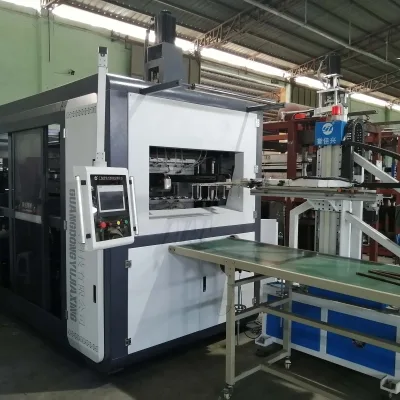


High Performance Coffee Machine Espresso / Professional Coffee Machine
$1059.00 - $1809.00
MOQ: 1 Sets

Comprehensive Sourcing Guide
Strategic Sourcing Guide for Commercial and Residential Coffee Machines
The global market for coffee machines presents a complex landscape for B2B procurement professionals, ranging from high-volume industrial espresso systems to compact, portable brewing units. Sourcing decisions in this sector require a granular understanding of technical specifications, regulatory compliance, and operational requirements. Buyers must navigate a wide spectrum of product attributes, including power sources, working principles, and housing materials, to ensure the selected equipment aligns with specific business models. This guide provides a structured approach to evaluating Coffee Machine suppliers, focusing on verified product data and essential procurement criteria.
Technical Specifications and Operational Principles
When evaluating coffee machines, the primary distinction lies in the working principle and the intended power source. The market offers diverse technologies, from steam-based systems to those relying on pump pressure. For commercial environments requiring high throughput, machines utilizing pump pressure are often preferred for their ability to generate consistent extraction forces. Conversely, steam-based mechanisms may be found in specific configurations where thermal energy drives the brewing process.
The power source is another critical differentiator. While traditional commercial units typically operate on standard electric grids with voltages such as 220V and power ratings around 4.2kw, emerging portable options may utilize USB power sources. This shift allows for greater flexibility in locations with limited infrastructure. Buyers must verify the voltage compatibility and power consumption of any unit to prevent electrical overloads or insufficient performance.
Housing materials play a significant role in durability and hygiene. Stainless steel is a prevalent choice for commercial units due to its resistance to corrosion and ease of cleaning. The structural integrity of the machine is often reinforced by the internal wiring and contact types. For instance, some units feature all-copper and silver contacts to ensure high conductivity and longevity, covered by PC material for safety. The physical dimensions of the machine, such as standard sizes of 770x510x540mm or 870x430x600mm, must be assessed against the available floor space in the intended facility. Capacity is equally important; units may range from small 2L reservoirs suitable for home use to larger 11L systems designed for continuous commercial service.
Compliance, Certification, and Safety Standards
Regulatory compliance is non-negotiable in the procurement of electrical appliances. Buyers must verify that suppliers possess valid certifications for the target markets. Common certifications observed in the industry include CE, which indicates conformity with health, safety, and environmental protection standards for products sold within the European Economic Area. Additionally, CCC certification is often required for products entering the Chinese market, while ISO standards may be applicable for broader quality management systems.
Safety features are integral to the design of modern coffee machines. The presence of a disconnector, control switches, and multi-control switches ensures that operators can safely manage the power flow. For units with capacitive principles or reflection-type detection methods, the wiring configuration, such as null line and live line arrangements, must be strictly adhered to. The type of switch, whether it is a rocker switch or a single-pole on-off switch, affects user interaction and safety protocols.
When sourcing from manufacturers, particularly those originating from regions like China or Wenzhou, buyers should request documentation proving that the product meets the specific electrical standards of the destination country. This includes verifying the amperage ratings, such as 10A for sockets or 16A for switches, to ensure the machine does not exceed the capacity of the building's electrical infrastructure. The absence of these certifications can lead to legal liabilities and operational shutdowns.
Cost Drivers and Pricing Variables
The price range for coffee machines is exceptionally broad, spanning from $0.50 to over $30,000 USD. This variance is driven by several factors, including the complexity of the machinery, the materials used, and the level of automation. A basic portable unit with a USB power source and a simple grinder function will naturally command a lower price point compared to a full-automatic, commercial-grade espresso maker with a stainless steel housing and advanced timing devices.
Production costs are influenced by the customization options available. Suppliers offering full customization for branding or specific functional requirements may charge a premium. The MOQ (Minimum Order Quantity) also significantly impacts the unit cost. While some suppliers accept small orders with an MOQ of 1, larger commercial deployments often require MOQs up to 1000 units to achieve economies of scale. Buyers should analyze the total cost of ownership, which includes not only the purchase price but also maintenance, energy consumption, and the potential cost of spare parts.
Packaging is another cost driver. Units may be shipped in cartons, with specific packing configurations such as 1 piece per bag or 120 pieces per master carton. Efficient packaging reduces shipping costs and minimizes the risk of damage during transit. Buyers should negotiate packaging standards that balance protection with cost-efficiency, especially for international shipments where freight costs are substantial.
Typical Applications and Usage Scenarios
The application of coffee machines varies widely based on the intended environment. Commercial usage is the most common sector, requiring machines that can handle high volumes and continuous operation. These units are often designed with a robust structure, featuring power-built-in types and multiple control switches to manage the workflow in busy cafes or hotels. The Italian style of espresso making is a popular design choice in commercial settings, emphasizing the traditional brewing method.
In contrast, home use machines prioritize compactness and ease of operation. These units may feature multifunctional capabilities, such as built-in coffee grinders, and are often designed for portability. The capacity for home units is typically smaller, ranging from 5 to 10 cups, whereas commercial units may have capacities of 11 liters or more. The working principle for home units might differ, focusing on convenience and speed rather than the high-pressure extraction required for commercial espresso.
Some specialized applications, such as lighting or general home appliances, may integrate Coffee Machine components or share similar electrical standards. However, the primary distinction remains between high-volume commercial service and individual or small-group consumption. Buyers must clearly define their usage scenario to select a machine with the appropriate power source, voltage, and capacity.
Supplier Evaluation and Verification
Evaluating suppliers requires a rigorous due diligence process. Buyers should verify the supplier's origin, as many coffee machines are manufactured in China, with specific hubs like Wenzhou known for electrical component production. The model numbers, such as 0100100398 or 911-#2041, serve as unique identifiers that can be used to trace the product's specifications and history.
Suppliers should be assessed on their ability to provide detailed product documentation, including technical drawings, certification copies, and material safety data sheets. The availability of customization services is a key indicator of a supplier's flexibility and capability to meet specific client needs. Furthermore, the supplier's track record in handling small orders versus large bulk orders should be examined to ensure they can scale with the buyer's requirements.
Quality control measures should be a central part of the supplier evaluation. Buyers should inquire about the testing procedures for electrical safety, material durability, and performance consistency. The use of high-quality materials, such as stainless steel for housing and copper for contacts, should be verified through third-party inspection reports if necessary.
Quality Control and Long-Term Procurement
Implementing a robust quality control strategy is essential for mitigating risks in Coffee Machine procurement. This involves regular inspections of the production line, testing of finished goods, and verification of packaging integrity. The timing device and voltage stability should be tested to ensure the machine operates reliably over extended periods.
Long-term procurement considerations include the availability of spare parts and the supplier's support for maintenance. Machines with complex internal structures, such as those with multi-control switches or capacitive detection, may require specialized technicians for repairs. Buyers should establish a relationship with the supplier to ensure a steady supply of replacement parts and technical support.
The lead time for production and delivery is another critical factor. While some suppliers may offer immediate shipment for small orders, larger customizations or bulk orders may require extended lead times. Buyers should plan their inventory management accordingly to avoid stockouts. Additionally, the environmental impact of the product, including energy efficiency and recyclability of materials, should be considered as part of a sustainable procurement strategy.
Comparative Analysis of Key Product Attributes
To facilitate decision-making, buyers can utilize the following comparison of key attributes observed in the market. This table highlights the diversity in specifications and helps in selecting the right product for specific needs.
| Attribute | Commercial High-Volume | Home/Portable Use | Industrial/Custom |
|---|---|---|---|
| Working Principle | Pump Pressure, Steam | Steam, USB Power | Customizable |
| Power Source | Electric (220V, 4.2kw) | USB, Electric | Electric |
| Housing Material | Stainless Steel | PC Material, Stainless | Custom |
| Capacity | 11L, 2L | 5-10 Cups | Variable |
| Certification | CE, CCC, ISO | CE | CE, ISO |
| Automation | Full-Automatic | Manual, Portable | Full-Automatic |
| MOQ Range | 1000 | 1 | 1-1000 |
| Style | Italian, Commercial | Portable, Multifunctional | Custom |
This comparative view underscores the importance of aligning product specifications with the buyer's operational requirements. Whether the need is for a high-capacity commercial unit or a compact portable device, the selection process must be guided by verified data and a clear understanding of the technical and regulatory landscape. By adhering to these guidelines, procurement professionals can secure reliable, high-quality coffee machines that meet the demands of their specific market segment.
FAQs
What working principles do these coffee machines use?
These machines utilize steam and pump pressure working principles. Commercial units often feature pump pressure for consistent extraction, while others rely on steam mechanisms for brewing processes in various settings.
Which certifications are available for these coffee makers?
Available certifications include CE and CCC for regulatory compliance. Some models also meet ISO standards, ensuring safety and quality for both European and Chinese markets when sourcing from verified manufacturers.
Can I find coffee machines with stainless steel housing?
Yes, many units feature stainless steel housing for durability and hygiene. This material is prevalent in commercial settings due to its resistance to corrosion and ease of cleaning during high-volume operations.
What is the minimum order quantity for these products?
The minimum order quantity ranges from 1 to 1000 units depending on the supplier. Small orders are accepted for testing, while larger commercial deployments often require higher volumes to achieve economies of scale.
How do I find coffee machines with USB power sources?
You can source portable units that operate on USB power sources. These compact models are designed for flexibility in locations with limited infrastructure and often include multifunctional features like built-in grinders.
Which specifications define the capacity of these machines?
Capacities vary from 2 liters to 11 liters depending on the model. Smaller units suit home use with 5-10 cup capacity, while larger systems are designed for continuous commercial service and high throughput.