Source Coffee Cup Sticker for Shopping, Gift, and Promotion
Find 30 Coffee Cup Sticker options from China suppliers. Compare features like waterproof vinyl, custom logo printing, and adhesive properties for shopping, gift, and promotional uses. These products offer versatile applications for branding and packaging needs across various industries; compare the available evidence and request quotations based on your requirements.
Key considerations
Products List


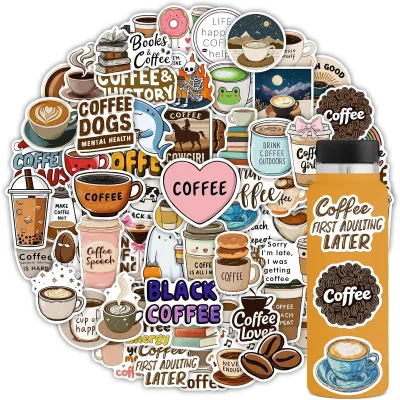


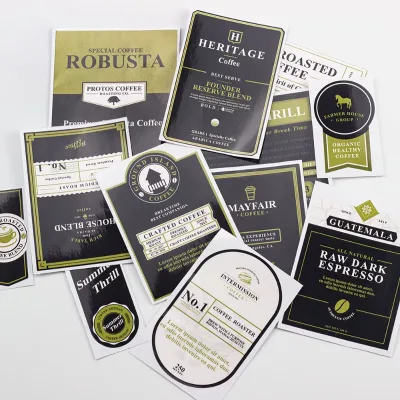


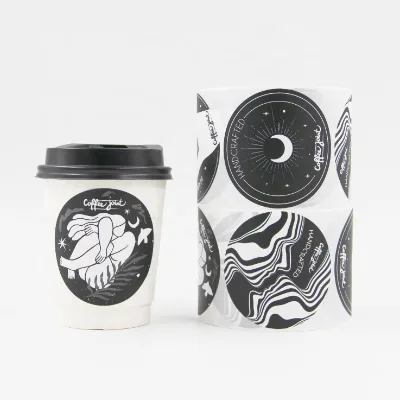




Comprehensive Sourcing Guide
Coffee Cup Sticker Sourcing Guide
Coffee cup stickers—typically adhesive labels applied to takeaway cups for branding, barcoding, or promotional messaging—are a recurring purchase for coffee chains, roasters, and packaging distributors. This guide helps buyers interpret product listings, verify technical details, and qualify suppliers before committing to volume orders. The listings observed in this category range from small custom vinyl decals to large-format coated paper stocks, so the first sourcing decision is confirming which product class you actually need: a finished die-cut sticker, or an unprinted substrate you will convert yourself. Listings show customization is available, logos can be printed, and shapes can be irregular, which shapes how you prepare artwork and tooling.
Treat every listed attribute as an observation about a single listing, not a guarantee across the category. Prices observed span from a cent-level unit cost to $1,300, and minimum order quantities range from a single piece to 10,000 units, reflecting everything from sample decals to bulk production runs. Your job as a buyer is to map those variables to your own order profile and demand evidence for any claim that matters to your application.
Product Scope and Observed Listing Signals
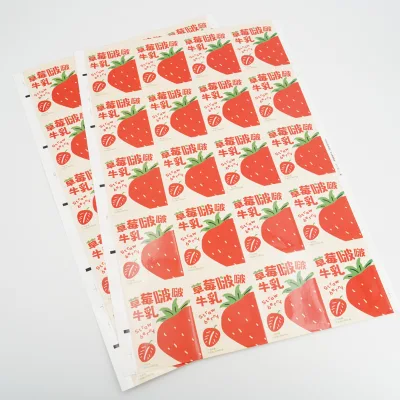
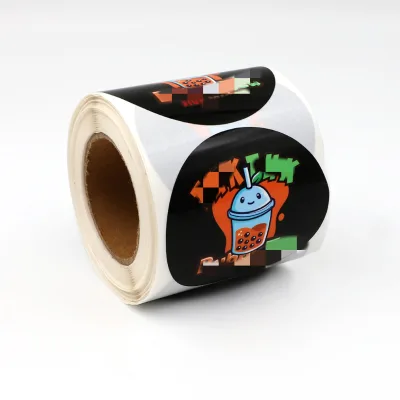
Within the observed listings, several product families coexist under adjacent keywords. Finished adhesive stickers appear with vinyl material, adhesive sticker type, barcode features, and "waterproof / easy peel off" characteristics, with red listed as a color option and irregular shapes supported. Separately, PE-coated paper products—single-side or double-side coated, made from virgin wood pulp, in weights such as 150g–400g and grammages of 170–350—serve cup-body and food-wrapping applications rather than sticker use. Recognizing this distinction prevents misordered materials. Models such as sun-006, sun-034, and 46-0463 appear in the data, but model numbers alone tell you little without specification sheets.
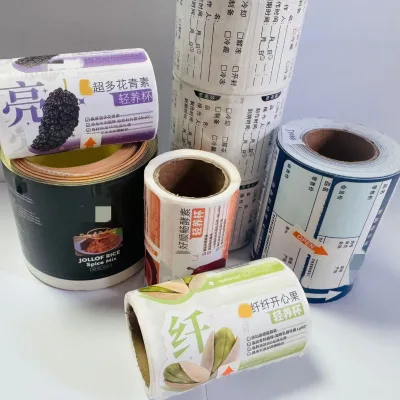
Listing signals worth acting on include packing formats (rolls or sheets, rolls/reams/bulks with pallets, pallet with roll), size standards (1x1m, 1.2x1.2m, or per request, and custom sizes), and delivery times of 7–20 days on at least one listing. Origin is listed as China, with Guangdong appearing as a place of origin. Printing options listed include offset, UV, digital, color, and laser, with customized printing accepted and custom logo support noted. Use these signals to shortlist, then request confirmations in writing.
Technical Specifications to Verify
Before sampling, build a specification sheet that captures the attributes observed in this category: material (vinyl for decals; PE-coated virgin wood pulp paper if your sticker doubles as a food-contact wrap), coating side (single or double), grammage and thickness (the 150g–400g and 170–350 gsm ranges and 1.4–1.6 thickness values appear in listings but must be confirmed per product), and dimensions (custom sizes are listed, including the 20X10X0.01 cm single-package size on one item). For stickers specifically, confirm adhesive type, peel behavior, and whether the waterproof claim applies to the face stock, the adhesive, or both.
Feature claims require the most scrutiny. Listings cite moisture proof, waterproof, and greaseproof characteristics—important for a sticker on a hot, condensation-prone cup. Ask how each feature is achieved (film lamination, coating, face-stock selection) and request sample cups tested under your real conditions: hot beverage, lid condensation, refrigerated display, and handling with wet hands. Also verify print method compatibility: the listed offset/UV/digital/color/laser options each behave differently on vinyl versus coated paper, affecting ink adhesion and smudge resistance.
Compliance and Safety Documentation
Because coffee cup stickers sit on foodservice packaging, food-contact safety is a primary verification item even when listings do not state certification status. Ask suppliers which food-safety regulations their materials and inks comply with in your destination market, and request supporting documentation such as migration test reports or declarations of compliance for the adhesive, face stock, and inks. None of the observed listings assert specific certifications, so you must obtain evidence rather than assume it. If stickers contact the rim or interior surfaces indirectly, clarify that in your compliance brief.
Beyond food contact, verify chemical and labeling requirements: barcode accuracy (a listed feature worth validating on printed samples), recyclability statements if you market sustainability, and any market-specific packaging labeling rules. Request material safety documentation for adhesives and solvent-based inks if used. Keep documentation on file per production lot, and require suppliers to notify you of material or ink changes, since a reformulated adhesive can silently void a compliance position you previously relied on.
Cost Drivers and Commercial Terms
Observed prices range dramatically—from a fraction of a cent per unit to $1,300—because the category mixes single vinyl decals with industrial paper stock. Your unit cost will be driven by material choice (vinyl versus coated paper), size, shape complexity (irregular die-cuts cost more than rectangles), number of print colors, finishing (lamination adds cost but improves durability), and order quantity. MOQs in the listings span 1 to 10,000 pieces, with one listing stating an MOQ of 300; expect customization to raise minimums relative to stock designs.
Negotiate commercial terms explicitly. Confirmed packing formats include rolls or sheets, pallets with rolls, and rolls/reams/bulks with pallets, and shipping is listed as by sea/train—so confirm Incoterms, pallet dimensions, and loadability to your warehouse. One listing shows 7–20 day delivery, but confirm actual lead times for your customized design, including plate-making. Payment terms, tooling charges, sample costs, and reprint policies for defective goods should all be documented in the purchase order, not left to chat-message agreements.
Supplier Qualification and Quality Control
Qualify suppliers through evidence, not listing polish. Request a specification sheet matching each claimed attribute—material, coating side, grammage, adhesive, size tolerance—and cross-check it against physical samples. Verify production capability for your chosen print method (offset, UV, digital, or laser are all listed in this category) and confirm the supplier handles custom logo printing and irregular die-cut shapes in-house or through a controlled subcontractor. Guangdong, China is a listed origin for at least one item; where a factory is located matters less than whether it controls the processes your quality depends on.
Set up incoming quality control before the first production order: check dimensional accuracy against your cup diameter, adhesive performance on chilled and hot cups, print registration, barcode scannability, and die-cut release ("easy peel off" is a listed feature that must work at serving speed). Define an acceptable quality limit, require retain samples per lot, and inspect rolls or sheets on arrival for transit damage consistent with the pallet-based packing formats listed. A short pre-shipment inspection clause is inexpensive insurance for customized orders.
Long-Term Procurement Checks
Once sourcing succeeds, protect consistency across reorders. Raw materials—vinyl films, adhesives, virgin wood pulp, and PE coating—vary between production batches, so require that any change in face stock, adhesive, coating weight, or ink system be communicated before shipment. Lock your artwork, die, and color standards with the supplier, and periodically re-verify the waterproof, greaseproof, and moisture-proof performance claims on fresh production, since coating formulations can drift. Keep model references such as 46-0463 or sun-034 tied to your own internal spec sheets, not the supplier's evolving listing.
Build resilience into the supply chain. Given listed lead times of 7–20 days plus sea or train transit, maintain safety stock sized to your promotional calendar and cup volume. Re-quote periodically: grammage ranges like 150g–400g give room to shift substrate cost as paper markets move. Reassess compliance documentation annually against your destination-market rules, audit the supplier's facility when order volumes justify it, and cultivate a second qualified source for your highest-volume sticker so a single production disruption cannot stall your beverage packaging line.
FAQs
How can coffee cup stickers be customized for my brand?
Customization is available, including custom logo printing and custom sizes. Stickers support printing methods such as offset, UV, digital, color, and laser, so branding can match your packaging design. Shapes can also be irregular rather than limited to standard forms. Provide your artwork, size, and quantity when requesting quotes, since pricing and lead times depend on the complexity and volume of your order.
What materials are coffee cup stickers made from?
Common options include vinyl for the sticker body and wood pulp paper with a PE coating for related food packaging applications. Vinyl stickers are moisture proof and waterproof, which matters for cold drinks and condensation on cups. Coating can be single side or double side depending on the product. Confirm the material combination with your supplier based on whether stickers face moisture, grease, or direct food contact situations.
Can coffee cup stickers withstand wet or greasy cup surfaces?
Many listed stickers feature waterproof, moisture proof, and greaseproof properties, making them suitable for beverage cups exposed to condensation or handling. Waterproof or easy peel off variants are also available. Performance depends on the specific material and adhesive chosen, so request samples and test adhesion on your actual cup surface before committing to a full production run.
What is the typical MOQ for custom coffee cup stickers?
MOQ varies widely across listings, from as low as 1 unit to 10,000 units, and one listed sticker product shows an MOQ of 300. Low MOQs usually apply to stock designs, while fully custom printed stickers often require higher volumes. Specify your quantity and design when contacting suppliers so they can quote accurately and confirm whether your order meets their production minimum.
How long does production and delivery take?
One listed sticker product states a delivery time of 7 to 20 days. Actual timelines depend on order quantity, customization level, and shipping method, since packing options include rolls, sheets, and palletized shipments transported by sea or train. Allow extra time for sample approval and custom logo printing. Confirm the schedule in writing before placing your order to avoid delays.
Which sizes and shapes are available for coffee cup stickers?
Sizes can be custom made to your specification, and shapes can be irregular rather than standard circles or rectangles. One listed product measures 20 by 10 by 0.01 cm as a single package, while paper products are supplied in roll or sheet form with standards such as 1x1 m or 1.2x1.2 m, or per your request. Share your cup diameter and desired placement for accurate sizing.
Where are these coffee cup stickers produced and how are they shipped?
Products are made in China, with one listing indicating Guangdong as the place of origin. Shipping is by sea or train, and packing can be rolls, sheets, reams, or bulk with pallets depending on the product type. Stickers are typically sold as single items with rolls or sheets packed in pallets. Discuss freight terms and packaging preferences with suppliers before confirming your order.
What printing and labeling features do coffee cup stickers support?
Stickers accept customized printing including offset, UV, digital, color, and laser methods, with custom logo printing available. Functional features include barcode capability, waterproof properties, and easy peel off adhesives, with red listed as an available color. This makes them suitable for branding, promotions, gifts, and shopping applications. Confirm artwork format and print method compatibility with your chosen supplier during the quotation stage.