Source Coin Pusher Arcade Game Machine for Arcades, Amusements, and Events
Explore 30 Coin Pusher Arcade Game Machine listings with varying capacities, player counts, and customization options. Buyers can compare models like Dynamic Cook and Golden Castle, noting certifications such as ISO and CE, along with warranty periods and dimensions to find the right unit for their venue.
Key considerations
Products List


Factory Low Price Wholesale Arcade Game Redemption Coin Pusher Machine for Sale
$480.00 - $550.00
MOQ: 1 Pieces


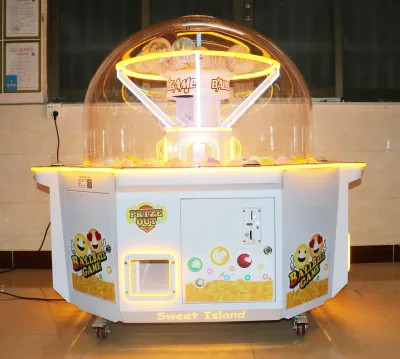
Heavy Duty Arcade Game Machine Amusement Machine Sale Machine for Amusement Park
$2478.40 - $2530.03
MOQ: 1 units

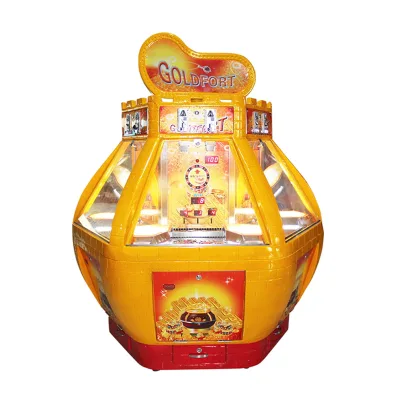


Commercial Coin Pusher Machine Arcade Entertainment Game with Shared Jackpot Mode
$5280.00 - $5700.00
MOQ: 1 Sets


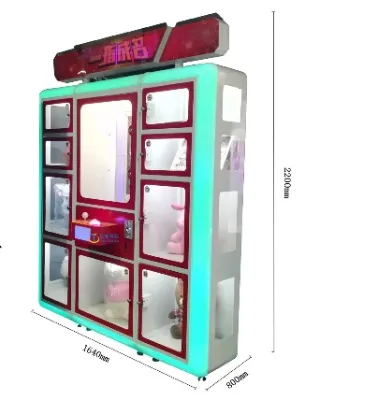
Comprehensive Sourcing Guide
Strategic Sourcing Guide for Coin Pusher Arcade Game Machines
Understanding the Core Product Category and Market Context
The Coin Pusher Arcade Game Machine represents a distinct segment within the broader amusement and entertainment equipment industry. Unlike high-intensity simulators or complex racing rigs, coin pushers are designed for high-volume, low-barrier engagement, typically found in arcades, family entertainment centers, and shopping mall entertainment zones. The fundamental mechanism involves a moving platform that pushes coins or tokens toward a drop-off point, creating a psychological loop of anticipation and reward. When sourcing these units, buyers must distinguish between standard coin pushers and hybrid variants that may incorporate lottery mechanics or digital displays, as the internal architecture and software requirements differ significantly.
Based on available market data, the product landscape includes specific models such as the CP-R006, which is explicitly categorized as a "Coin Pusher." This model is designed for a player count of three, suggesting a multi-lane or wide-format design intended to accommodate groups or competitive play. In contrast, other units in the same supply chain, such as the CP-K003, are classified as "Lottery Game Machines" with a capacity for six players, indicating a divergence in target demographics and game logic. Buyers must carefully verify the functional classification of any unit before procurement, as the distinction between a pure coin pusher and a lottery-style machine affects the regulatory compliance, software licensing, and operational staffing required for deployment.
Technical Specifications and Operational Dimensions
When evaluating the technical specifications of coin pusher machines, physical dimensions and material composition are critical for facility planning and logistics. The standard footprint for a typical coin pusher unit, such as the CP-R006, is approximately 2600mm in length, 2250mm in width, and 699mm in height. These dimensions are substantial and require careful consideration of floor load capacity and aisle spacing within the venue. The height of 699mm is generally optimized for standing play, ensuring visibility for the audience while maintaining a low center of gravity for stability.
Material selection plays a pivotal role in the durability and aesthetic appeal of the machine. The CP-R006 utilizes a construction that includes plastic suction and FRP (Fiber Reinforced Plastic) components, materials chosen for their resistance to wear and tear in high-traffic environments. In comparison, other units in the sector, such as the CP-GB012 Swing Machine, utilize different material profiles, highlighting that material specifications are model-specific. For coin pushers, the transparency of the coin tray and the robustness of the pusher mechanism are paramount. The "Golden Castle" variant, for instance, features a golden color scheme, demonstrating that aesthetic customization is a viable option for branding or thematic alignment with the venue.
Capacity is another technical metric that defines the operational efficiency of the machine. The observed data indicates that certain models possess a coin capacity of "several thousand coins," a figure that suggests a large internal reservoir designed to minimize downtime for refilling. This high capacity is essential for machines placed in high-volume locations where frequent maintenance would disrupt revenue generation. Buyers should verify the specific coin capacity of the model they intend to purchase, as this directly impacts the frequency of service visits and the overall operational workflow.
Compliance, Certification, and Safety Standards
Navigating the regulatory landscape is a non-negotiable aspect of sourcing arcade equipment. The global market for amusement devices requires adherence to specific safety and electrical standards to ensure the protection of players and the venue. For the coin pusher category, the presence of certifications such as ISO, CE, and CCC is a strong indicator of compliance with international and regional safety requirements. The CP-R006 model, for example, is listed with ISO, CE, and CCC certifications, signaling that it meets the necessary criteria for electrical safety, mechanical integrity, and market entry in China and Europe.
The CE marking is particularly critical for buyers targeting the European market, as it certifies that the product conforms to health, safety, and environmental protection standards. Similarly, the CCC (China Compulsory Certification) is mandatory for products sold within the People's Republic of China. Buyers must verify that the specific unit they are purchasing carries the relevant certification marks for their target market. Relying on a supplier's general claim of compliance without requesting the specific certification documents for the model number can lead to significant legal and operational risks.
In addition to certifications, the warranty terms provide a layer of protection for the buyer. The CP-R006 comes with a 15-month warranty, which is a standard duration for this type of equipment. This warranty period covers potential defects in materials and workmanship, offering the buyer a window of security against early failures. However, warranty terms can vary; the "Outrun" model, for instance, lists a 12-month warranty. Buyers should carefully review the warranty duration and scope for each specific model, as these terms may influence the total cost of ownership and the risk profile of the procurement.
Cost Drivers and Procurement Economics
The pricing structure for coin pusher machines is influenced by a variety of factors, including customization options, material quality, and technological integration. The observed price range for these units spans from $99 to $12,999, a wide spectrum that reflects the diversity of the product line. The lower end of the range likely corresponds to simpler, non-customized units with basic mechanical functions, while the higher end may include advanced models with digital displays, networking capabilities, or extensive customization.
Customization is a significant cost driver in this sector. The CP-R006 is listed as "Available" for customization, allowing buyers to tailor the machine's appearance, branding, or functional settings to their specific needs. This flexibility comes at a premium, as it requires additional engineering and production time. Conversely, the "Outrun" model is listed as "Non-Customized," suggesting a standard, off-the-shelf configuration that may be more cost-effective but less adaptable to unique branding requirements. Buyers must weigh the benefits of customization against the budget constraints of their project.
The Minimum Order Quantity (MOQ) is another economic factor that affects procurement strategy. The observed MOQ range for these products is between 1 and 10 units. This flexibility allows small arcade operators to purchase single units for testing or immediate deployment, while larger chains can leverage bulk ordering to negotiate better pricing. The ability to order a single unit reduces the initial financial risk for new market entrants, enabling them to validate the product's performance before committing to larger orders.
Supplier Evaluation and Quality Assurance
Selecting the right supplier is critical for ensuring the long-term success of the arcade operation. Suppliers should be evaluated based on their ability to provide transparent documentation, including certification copies, detailed technical specifications, and clear warranty terms. The origin of the product is also a key indicator of supply chain reliability. The CP-R006 is manufactured in Guangzhou, China, a hub known for its manufacturing capabilities in the amusement equipment sector. Buyers should verify the specific production location of their chosen model, as different factories may have varying quality control standards.
Quality control measures should be a priority during the procurement process. The packaging specifications for the CP-R006 include "Bubble Pack+Well Paper+Stretch Films+Wood," a robust packaging strategy designed to protect the machine during transit. This level of protection is essential for preventing damage to the delicate components, such as the coin tray and the pusher mechanism, which are prone to damage during shipping. Buyers should request evidence of packaging standards for any model they consider, ensuring that the machine will arrive in pristine condition.
Furthermore, the condition of the product is a vital consideration. The CP-R006 is listed as "New," which is the standard expectation for B2B procurement. Buyers should avoid second-hand or refurbished units unless they have a specific strategy for refurbishment and a clear understanding of the remaining lifespan of the components. The "New" condition ensures that all parts are within their expected operational life, reducing the risk of immediate maintenance issues.
Long-Term Procurement and Operational Considerations
Beyond the initial purchase, buyers must consider the long-term operational requirements of the coin pusher machine. The warranty period, such as the 15 months offered by the CP-R006, provides a baseline for support, but buyers should also inquire about the availability of spare parts and technical support after the warranty expires. The complexity of the machine's internal mechanisms means that specialized parts may be required for repairs, and the supply chain for these parts must be reliable.
Maintenance is another critical factor. The "Dynamic Cook" and "Golden Castle" models highlight the diversity in naming and design, but the underlying maintenance needs are likely similar across the category. Regular cleaning of the coin tray, inspection of the pusher mechanism, and software updates (if applicable) are necessary to keep the machine in optimal working condition. Buyers should develop a maintenance schedule that aligns with the high-traffic nature of the venue to prevent downtime.
Finally, the target demographic should guide the selection of the specific model. The CP-R006 is suitable for players aged over 3 years, making it a versatile choice for family entertainment centers. In contrast, the CP-K003 Lottery Game Machine targets a slightly older demographic of 15-50 years old. Understanding the age range of the intended audience helps in selecting the right machine to maximize engagement and revenue. By aligning the technical specifications, compliance status, and operational requirements with the specific needs of the venue, buyers can make informed decisions that ensure the success of their arcade investment.
FAQs
What certifications do coin pusher machines have?
Coin pusher machines typically carry ISO, CE, and CCC certifications to ensure safety and compliance. These marks indicate adherence to international electrical and mechanical standards, which are essential for market entry in regions like Europe and China.
How many players can a standard coin pusher support?
Standard models like the CP-R006 support three players simultaneously for group engagement. Other variants may accommodate up to six players, depending on the specific game logic and physical layout designed for the venue.
Can I customize the appearance of the machine?
Customization is available for many models, allowing buyers to tailor colors and branding. However, some specific units like the Outrun model are listed as non-customized, offering only standard factory configurations.
What is the warranty period for these arcade units?
The warranty period varies by model, with some units offering 15 months of coverage. Other models may provide a 12-month warranty, so buyers must verify the specific terms for the selected product before purchase.
How much coin capacity does the machine hold?
Certain models feature a coin capacity of several thousand coins to minimize refilling downtime. This high volume is designed for high-traffic locations where frequent maintenance would otherwise disrupt revenue generation.
What are the physical dimensions of the CP-R006 model?
The CP-R006 model measures 2600mm in length, 2250mm in width, and 699mm in height. These substantial dimensions require careful planning for floor load capacity and aisle spacing within the entertainment venue.
What is the minimum order quantity for purchasing?
The minimum order quantity ranges from 1 to 10 units, providing flexibility for different business sizes. Small operators can start with a single unit, while larger chains can leverage bulk ordering for better pricing.