Source Wireless Charging Phone Stand for Office, Home, and Travel
Compare 30 Wireless Charging Phone Stand options featuring 20W output, Type-C interfaces, and over-current protection. These electric devices support customization and fit various socket types for reliable portable or desktop use; compare the available evidence and request quotations based on your requirements.
Key considerations
Products List


Wireless Chargers Stand Station for Mobile Phone Outdoor Station Portable
$7.83 - $14.95
MOQ: 10 Pieces


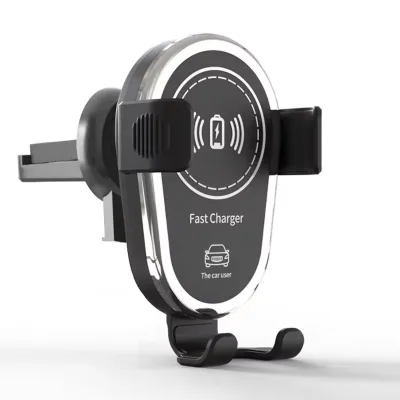


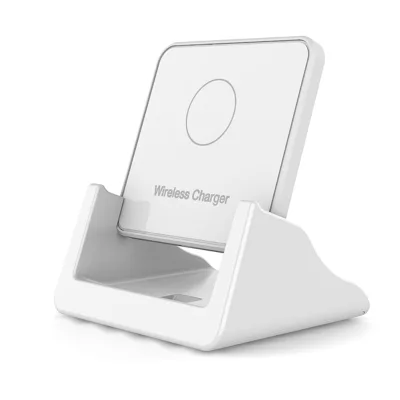





Comprehensive Sourcing Guide
Wireless Charging Phone Stand Sourcing Guide
Sourcing wireless charging phone stands requires a clear understanding of the diverse form factors and power profiles available in the current market. Buyers must distinguish between portable units designed for travel and desktop models intended for fixed office or home use. The observed product range includes options with and without displays, indicating that user interface preferences vary significantly across different end-user segments. Understanding these physical distinctions is the first step in defining accurate technical requirements for your procurement team.
Commercial terms also vary widely, with minimum order quantities ranging from single units to several hundred pieces. This flexibility allows small businesses to test market response while larger enterprises can secure bulk pricing advantages. However, the wide variance in specifications, such as cable lengths and input voltages, means that a one-size-fits-all approach is rarely effective. Procurement teams must align their commercial expectations with the specific technical capabilities of the suppliers they engage, ensuring that volume discounts do not come at the cost of product consistency or reliability.
Product Scope and Observed Listing Signals
The current market offers a variety of wireless charging stands, including portable, desktop, and car-fitment models. Observed listings indicate that many units are designed for universal compatibility, particularly with popular smartphone brands like iPhone. Some models feature specific socket types for regions such as the USA, Canada, and the European Union, highlighting the importance of regional electrical standards in product selection. Additionally, certain units are marketed with quick charging functions, which is a key selling point for consumers seeking faster power delivery.
Material composition and physical dimensions also play a crucial role in product differentiation. Listings show a mix of ABS plastic and aluminum alloy constructions, each offering distinct aesthetic and durability profiles. Weight ranges from lightweight portable units around 50 grams to heavier desktop models exceeding 200 grams. Buyers should note that some products include retail box packing, while others may come in simpler packaging, which impacts both shelf appeal and logistics costs. These physical attributes should be matched against your target customer’s preference for portability versus stability.
Technical Specifications to Verify
Power output is a critical specification that directly impacts charging speed and efficiency. Observed data indicates maximum output powers of 20W and 15W, suggesting that buyers must verify the actual delivered power for their specific device models. Input specifications also vary, with some units supporting a wide voltage range of 100-240V, while others are designed for specific vehicle electrical systems ranging from 12-36V. It is essential to confirm that the input voltage matches your target market’s infrastructure to prevent compatibility issues.
Interface types and cable lengths are other vital technical details to scrutinize. Most modern units utilize USB-C or Type-C interfaces, reflecting industry trends toward universal connectivity. Cable lengths observed range from under four feet to nearly six feet, which affects placement flexibility on desks or in vehicles. Additionally, some models are described as having no USB ports, focusing solely on wireless functionality, while others may offer additional charging capabilities. Buyers should verify these interface details to ensure the product integrates seamlessly with existing user workflows and device ecosystems.
Compliance and Safety Documentation
Safety features are paramount in wireless charging products to prevent overheating and electrical hazards. Many observed listings highlight the inclusion of over-current protection, a fundamental safety mechanism that safeguards both the charger and the connected device. Buyers should request detailed documentation on how these protection circuits are implemented and tested. Verifying that the internal components meet recognized safety standards is crucial for mitigating liability risks and ensuring consumer trust in the product’s reliability.
Certification status must be clearly established before finalizing any procurement agreement. While some background information mentions CE certification, buyers must independently verify the current validity and scope of all relevant certifications for their target markets. This includes checking for FCC compliance in North America and other regional regulatory requirements. Do not assume that a supplier’s general claims apply to every unit produced; instead, require batch-specific test reports or certificates of conformity to ensure consistent compliance across all ordered quantities.
Cost Drivers and Commercial Terms
Pricing in the wireless charging stand market is influenced by several factors, including material choice, power output, and customization options. Observed price ranges suggest that basic models are more affordable, while those with advanced features like displays or aluminum construction command higher prices. Customization services, such as private molding or branded packaging, often incur additional costs. Buyers should clarify whether quoted prices include tooling fees for custom designs or if these are separate one-time charges that affect the overall project budget.
Minimum order quantities (MOQs) significantly impact the total cost of ownership. Listings show MOQs ranging from very low volumes to several hundred pieces, allowing for flexible entry strategies. However, higher volumes often unlock better unit pricing, which must be balanced against inventory holding costs. Buyers should negotiate clear terms regarding price breaks and lead times. Understanding the relationship between order volume and unit cost helps in forecasting accurate margins and managing cash flow effectively throughout the supply chain.
Supplier Qualification and Quality Control
Supplier capability is best assessed through their production infrastructure and quality management systems. Many observed listings indicate origins in manufacturing hubs like Guangdong, China, where supply chain maturity is high. Buyers should verify the supplier’s ability to handle custom orders, as indicated by the availability of private molds and customization support. Assessing their production capacity and consistency is vital, especially when ordering larger volumes that require strict adherence to specifications and timelines.
Quality control processes must be rigorously defined to ensure product uniformity. Buyers should request detailed inspection criteria covering physical dimensions, weight tolerances, and functional performance. Given the variance in observed weights and dimensions, establishing clear acceptance criteria is essential. Additionally, verifying the supplier’s testing protocols for electrical safety and durability will help prevent post-delivery issues. Implementing a robust quality assurance plan, including pre-shipment inspections, is a critical step in mitigating the risks associated with international sourcing.
Long-Term Procurement Checks
Sustainability and lifecycle management are increasingly important considerations for modern procurement strategies. Buyers should inquire about the recyclability of materials, such as the ABS plastic and aluminum alloy used in various models. Understanding the end-of-life options for these products can help align procurement decisions with corporate sustainability goals. Additionally, verifying the availability of spare parts or replacement components can extend the useful life of the product and reduce waste, offering a competitive advantage in eco-conscious markets.
Continuous monitoring of supplier performance and market trends is essential for long-term success. Buyers should establish key performance indicators for delivery reliability, defect rates, and customer feedback. Regularly reviewing these metrics allows for proactive management of supply chain risks. Furthermore, staying informed about emerging technologies in wireless charging, such as faster charging speeds or new compatibility standards, ensures that your product offerings remain relevant. Building a strong, transparent relationship with your supplier facilitates better collaboration and innovation over time.
FAQs
What customization options are available for wireless charging phone stands?
Customization is available for these wireless charging phone stands, allowing buyers to request specific designs or branding. Some models support private molds, while others offer non-customized options. Buyers can choose between customized and non-customized variants depending on their specific procurement needs and volume requirements.
Which socket types are compatible with these wireless charging phone stands?
These wireless charging phone stands come with different socket types to match regional standards. You can find models designed specifically for USA and Canada as well as those compatible with E.U. standards. Selecting the correct socket type ensures safe and efficient power delivery for your target market.
How much power do these wireless charging phone stands output?
The maximum output power for these units reaches up to 20W, while some models provide 15W output. Input specifications vary, with some accepting 9V/2.22A or 100-240V/0.5A. This range supports fast charging capabilities for compatible devices like iPhones without overheating.
Can I find wireless charging phone stands with display features?
Yes, some wireless charging phone stands include display features, while others are sold without displays. The product range includes both types to suit different user preferences. Buyers should verify the specific model attributes to ensure the chosen unit meets their requirement for visual feedback or minimal design.
What materials are used to construct these wireless charging phone stands?
Manufacturers use durable materials such as ABS plastic and aluminum alloy for these wireless charging phone stands. The choice of material affects the weight and build quality, with some units weighing around 100g and others up to 230g. These materials ensure stability and heat resistance during operation.
Which cable lengths are available for wired charging accessories?
Charger cable lengths vary across the product range, with options shorter than 4 feet and others measuring between 4 to 5.9 feet. This variety allows buyers to select the most suitable length for their setup. Ensure the cable length matches your specific usage environment for optimal convenience.
What is the minimum order quantity for these wireless charging phone stands?
The minimum order quantity ranges from 1 to 500 units depending on the supplier and specific model. Some listings indicate an MOQ of 60 pieces, while others may start at a single unit. Buyers should check individual supplier terms to confirm the exact MOQ for their desired quantity.
Where are these wireless charging phone stands manufactured?
These wireless charging phone stands originate from China, specifically from regions like Guangdong. The products are packed in boxes or retail boxes within cartons. Knowing the place of origin helps buyers understand logistics, lead times, and potential shipping costs for international orders.