Source Cold Extraction Oil Press Machine for Soybean Sesame Corn
Find 30 Cold Extraction Oil Press Machine options for processing soybean, sesame, and corn. Compare specifications including capacity, voltage, and material to select the right screw oil expeller or hydraulic press for your edible oil production needs.
Key considerations
Products List


Oil Press Equipment Cold Press Oil Extraction Machine Screw Oil Press
$1000.00 - $8000.00
MOQ: 1 Pieces


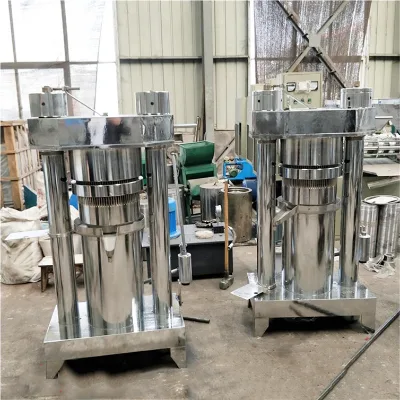


Cold Press Oil Extraction Machine Hydraulic Peanut Oil Pressing Machine
$1950.00 - $2100.00
MOQ: 1 Pieces

Factory Direct Sale Cold Oil Press Machine Coconut Oil Making Machine Oil Extraction
$1400.00 - $1600.00
MOQ: 1 Sets

Electric Oil Press Extraction Machine Commercial Oil Pressers Oil Pressing Equipment
$1400.00 - $1600.00
MOQ: 1 Sets

Oil Making Machine Hot Press Oil Extraction Machine Groundnuts Press Plant
$1980.00 - $2850.00
MOQ: 1 Pieces


Comprehensive Sourcing Guide
Strategic Sourcing Guide for Cold Extraction Oil Press Machines
Understanding the Technical Landscape of Oil Extraction Equipment
The procurement of cold extraction oil press machines requires a nuanced understanding of the diverse mechanical configurations available in the current market. Buyers must first distinguish between the primary structural designs that define the machine's operational footprint and efficiency. The supply data indicates a clear bifurcation in mechanical architecture, with options ranging from vertical to horizontal structures. Vertical configurations often optimize floor space, while horizontal designs may offer different throughput characteristics depending on the specific application.
A critical technical parameter is the power requirement and voltage compatibility. Industrial units frequently operate on 380V power supplies, which is standard for heavy-duty manufacturing equipment in many regions. The power consumption can vary significantly, with observed specifications including 1.5kw units suitable for smaller scale operations or specific seed types. Buyers must verify that their facility's electrical infrastructure aligns with these voltage and wattage requirements before finalizing a purchase.
The core functionality of these machines centers on the extraction of edible oils from various raw materials. The observed product attributes highlight versatility in raw material processing, with specific mentions of soybeans, corn, sesame, beans, wheat, and rice flour. This versatility suggests that the machinery is designed to handle a broad spectrum of oilseeds and grains. The application scope extends beyond simple oil extraction to include the processing of flour and starch, indicating that some units may serve dual purposes in food processing facilities. The capacity of these machines is another vital metric, with observed ranges including 75kg/H and 91kg/H, though buyers should treat these as specific observations rather than universal standards for all models.
Compliance, Certification, and Safety Standards
In the B2B procurement of industrial machinery, compliance with international and regional standards is non-negotiable. The supply context confirms that certain models carry ISO9001 and CE certifications. These designations are crucial for buyers operating in regulated markets, as they indicate adherence to quality management systems and safety directives, respectively. However, buyers must exercise due diligence to verify that the specific unit they are purchasing holds active and valid certification status, as these credentials are often tied to specific production batches or models rather than the entire product line.
Safety and operational standards are further reinforced by the materials used in construction. The prevalence of 304 Stainless Steel and SS304 in the product specifications is a significant indicator of quality. This material grade is selected for its resistance to corrosion and its suitability for food contact applications, ensuring that the extracted oil remains uncontaminated by metal leaching. When evaluating a supplier, procurement teams should request material test reports to confirm that the stainless steel grade matches the claimed specifications.
Additionally, the condition of the machinery is a primary compliance factor. The available data consistently lists products as "New," which implies that buyers should expect factory-fresh units rather than refurbished or second-hand equipment. This distinction is vital for warranty validity and long-term reliability. Buyers should also verify the "prod_standard" dimensions, which vary from compact units like 460x160x280mm to larger industrial configurations such as 1200x800x1160mm. Ensuring that the physical dimensions of the machine fit within the designated production floor space is a critical step in the compliance and planning phase.
Cost Drivers and Pricing Variables
The pricing structure for cold extraction oil press machines is highly variable, reflecting the wide range of capabilities, materials, and customization options available. The observed price range spans from 1 USD to 56,034 USD, a disparity that underscores the importance of defining precise requirements before engaging with suppliers. This vast range suggests that the lower end of the spectrum may correspond to basic, small-scale, or highly customized units, while the higher end likely represents fully automated, high-capacity industrial systems with advanced features.
Several key factors drive these cost variations. First, the level of customization plays a significant role. Attributes such as "Customization: Available" and "Color: Customer Required" indicate that buyers can tailor the machine to specific aesthetic or functional needs, which inevitably impacts the final price. Second, the complexity of the automation and precision features contributes to cost. Models described with features like "High Efficiency, Precision, Automation" will command a premium over manual or semi-automatic units.
The capacity of the machine is another primary cost driver. Units with higher throughput, such as those capable of processing 91kg/H versus 75kg/H, often require more robust motors, larger pressing barrels, and more durable components. The volume of the pressing barrel, observed at 13kg in some models, directly correlates with the machine's output potential. Furthermore, the inclusion of after-sales services, such as "Engineers Available to Service Machinery Overseas," adds value and cost to the overall package. Buyers should analyze the total cost of ownership, including installation, maintenance, and potential downtime, rather than focusing solely on the initial purchase price.
Typical Applications and Operational Versatility
The versatility of cold extraction oil press machines makes them suitable for a wide array of industrial and commercial applications. The core function is explicitly defined as "Make Edible Oil," but the scope of application extends to various processing stages. The machinery is designed to handle "Beans, All Kinds of Oil Seeds," "Soybean," "Corn," and "Sesame," indicating its utility in diverse agricultural processing environments. This flexibility allows a single facility to process multiple crop types without requiring entirely different machinery for each.
Beyond oil extraction, the application data suggests that these machines can also process "Flour, Rice flour, Starch, Beans, Wheat, All." This dual functionality is particularly valuable for facilities that produce both oil and meal byproducts, or those that require grain processing capabilities alongside oil extraction. The "Screw Oil Expeller" application type points to a specific mechanical method of extraction that is efficient for a broad range of seed hardness and oil content.
The operational context also includes the "Type" of machine, with options ranging from standard "Oil Press" units to "New-Type Hydraulic Oil Press" and "Hydraulic Oil Press." Hydraulic systems often provide better control over pressure, which is essential for cold extraction processes where temperature control is critical to preserving the nutritional quality of the oil. The "Usage" is specifically noted as "Used for Squeezing Oil," confirming the primary intent of the equipment. Buyers should align their production goals with the specific application capabilities of the machine, ensuring that the raw materials they intend to process are compatible with the machine's design parameters.
Supplier Evaluation and After-Sales Support
Selecting the right supplier is as critical as selecting the right machine. The supply data highlights several key attributes that should be part of the supplier evaluation matrix. One of the most significant differentiators is the after-sales service model. The availability of "Engineers Available to Service Machinery Overseas" is a strong indicator of a supplier's commitment to long-term support, particularly for international buyers. This service capability ensures that technical issues can be resolved quickly, minimizing production downtime.
Warranty terms are another essential evaluation criterion. The observed warranty periods include "12 Months" and "One Year." While these terms are standard, buyers should scrutinize the specific conditions of the warranty, including what components are covered and the response time for service requests. The presence of "on-Line After-Sale Service" suggests that suppliers may offer remote troubleshooting capabilities, which can be highly effective for resolving minor operational issues without the need for physical travel.
The origin of the machinery is also a factor in supplier evaluation. The data points to "He Nan" and "China" as the production origins. Buyers should verify the specific manufacturing location to understand the supply chain logistics and potential lead times. The "Delivery Date" is noted as "Two Weeks" for certain models, which serves as a benchmark for lead time expectations. However, buyers must confirm if this timeline applies to their specific order, as customization and shipping logistics can extend this period.
Quality Control and Long-Term Procurement Considerations
Quality control in the procurement of oil press machines involves rigorous verification of physical and functional attributes. The "Condition: New" status should be confirmed upon delivery, and the "prod_packing" method, described as "Wooden Case Packaging," should be inspected to ensure the machine arrives without transit damage. The robustness of the packaging is essential for protecting the precision components of the machine during international shipping.
Long-term procurement considerations must focus on the durability and maintainability of the equipment. The use of "304 Stainless Steel" and "SS304" materials suggests a focus on longevity and resistance to wear, but buyers should still implement a regular maintenance schedule. The "Feature" set, including "Energy Saving," indicates that these machines are designed for operational efficiency, which translates to lower utility costs over the machine's lifespan. Buyers should verify the actual energy consumption claims against their own operational data to ensure the projected savings are realized.
The "Model" numbers, such as "70, 80, 100, 125, 130, 160" and "GLAD-Oil press machine-2," serve as identifiers for specific configurations. Buyers should maintain a clear record of the model number and its associated specifications to facilitate future parts ordering and upgrades. The "Press Series" attributes, ranging from "First" to "Fifth," may indicate different generations or versions of the technology. Understanding the evolution of the product line can help buyers make informed decisions about whether to invest in the latest technology or a proven, older model.
Finally, the "Capacity" and "Volume of Pressing Barrel" are critical for scaling operations. As production needs grow, the ability to upgrade or add units becomes a key consideration. Buyers should assess whether the supplier offers a modular approach or if the machines can be easily integrated into a larger production line. The "Customized" nature of the products allows for future adaptability, but buyers must ensure that any customizations do not compromise the standardization of parts or the availability of service support. By carefully evaluating these factors, buyers can secure a reliable, high-performance oil press machine that meets their immediate and long-term production goals.
FAQs
What raw materials can this oil press machine process?
The machine processes soybeans, corn, sesame, beans, wheat, and rice flour. It is designed for versatile extraction of edible oils from various seeds and grains suitable for industrial food processing.
Which certifications do these hydraulic oil press machines hold?
Selected models carry ISO9001 and CE certifications for quality and safety compliance. Buyers must verify that specific units hold active certification status as credentials often tie to specific production batches.
How long is the delivery time for new oil press units?
The standard delivery date for certain models is two weeks. This timeline serves as a benchmark, though customization and shipping logistics may extend the actual arrival period for international orders.
Can buyers customize the color and specifications of the machine?
Yes, customization is available for color and specific product standards. Buyers can request customer-required colors and tailored dimensions to fit their production floor space and aesthetic preferences.
What warranty period is provided for the oil press equipment?
Warranty terms typically include 12 months or one year of coverage. Buyers should scrutinize specific conditions regarding covered components and response times for service requests to ensure long-term reliability.
What is the typical capacity range for these screw oil expellers?
Observed capacities include 75kg/H and 91kg/H depending on the specific model. These figures represent throughput metrics for different configurations, with larger pressing barrels often correlating to higher output potential.
How are the machines packaged for international shipping?
Units are shipped in wooden case packaging to ensure protection during transit. This robust packaging method is essential for safeguarding precision components and preventing damage to the new machinery during delivery.