Source Cold Rolled Nickel Alloy Plates for Boilers, Flanges, and Ship Hulls
Compare 30 listings for Cold Rolled Nickel Alloy Plates with thicknesses from 0.1mm to 100mm and lengths up to 2500mm. Buyers can review specifications for boiler plates, flange plates, and ship plates from verified Chinese manufacturers.
Key considerations
Products List


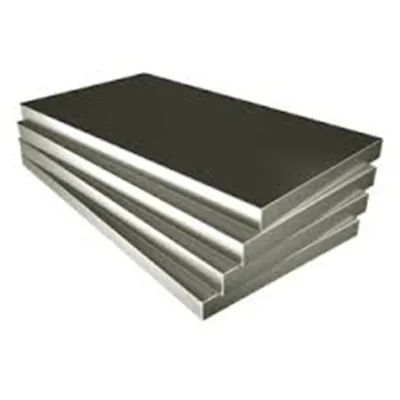


$600.00 - $800.00
MOQ: 1 Tons


Comprehensive Sourcing Guide
Strategic Sourcing Guide for Cold Rolled Nickel Alloy Plates
Navigating the global market for Cold Rolled Nickel Alloy Plates requires a disciplined approach that balances technical precision with rigorous supplier verification. Buyers seeking materials for high-performance applications must distinguish between general steel products and specialized nickel-based alloys, as the latter demand specific metallurgical properties and compliance protocols. This guide synthesizes observed market data and standard industry practices to provide a framework for evaluating Cold Rolled Nickel Alloy Plates, focusing on specifications, certifications, and procurement logistics without relying on unverified claims.
Technical Specifications and Material Variability
The foundation of any successful procurement begins with a clear definition of technical requirements. In the current market, nickel alloy plates are frequently categorized under specific model numbers that denote their chemical composition and mechanical properties. Observed product listings indicate a range of model identifiers such as NO8800, NO2200, NO4400, NO6600, and LCNI99. These designations correspond to distinct alloy families, each offering unique resistance to corrosion, oxidation, and high-temperature environments.
Dimensions are a critical variable in the specification of these plates. Market observations reveal that thickness can range from 0.1mm to 100mm, with some listings suggesting a broader span of 0.2mm to 100mm. Buyers must verify the exact thickness tolerance required for their application, as cold rolling processes are often utilized to achieve precise, thin-gauge dimensions that are difficult to attain through hot rolling. Width specifications typically extend up to 2500mm, while lengths are commonly available in standard increments of 1m, 2m, 3m, or custom lengths as required.
The surface finish and temper condition are equally vital. Cold rolled nickel plates often feature a bright surface finish, which is essential for applications requiring aesthetic appeal or specific surface interactions. The temper condition, described as soft, hard, or 1/2 hard, directly influences the material's ductility and strength. Procurement teams must explicitly state the required temper in their requests for quotation (RFQ), as this parameter dictates the material's formability and stress resistance. Additionally, the product origin is predominantly noted as China, with specific manufacturing hubs like Tianjin frequently mentioned, though buyers should always confirm the specific mill of origin for traceability.
Compliance Standards and Certification Protocols
In the industrial sector, adherence to international standards is non-negotiable for ensuring material reliability. The nickel alloy plates observed in the market conform to a wide array of global standards, including ASTM, JIS, EN, GB, DIN, ISO, and ANSI. These standards govern everything from chemical composition limits to mechanical testing procedures. For instance, ASTM standards are widely recognized for defining the properties of nickel and nickel alloys, while JIS and DIN standards are prevalent in Asian and European markets, respectively.
Certification plays a pivotal role in validating the quality of the supplied material. Reputable suppliers often provide documentation from recognized third-party inspection agencies such as SGS, BV, and TUV. These certifications verify that the product meets the specified standards and has undergone rigorous testing. Furthermore, environmental and safety compliance is increasingly important, with certifications like RoHS and CE often appearing in product listings. Buyers should request copies of these certificates prior to finalizing an order to ensure that the material is suitable for regulated industries such as medical, aviation, and electronics.
It is crucial to note that while some listings mention certifications like ISO and SGS, the specific scope of these certifications must be verified. A supplier may hold a general ISO certification for their management system, but this does not automatically guarantee that every batch of nickel plates meets specific ASTM or JIS chemical requirements. Therefore, the procurement process must include a request for mill test reports (MTRs) that correlate the specific batch of material with the relevant standards and test results.
Cost Drivers and Pricing Dynamics
Understanding the cost structure of Cold Rolled Nickel Alloy Plates is essential for budgeting and negotiation. The price of these materials is influenced by several factors, including the specific alloy composition, the thickness and dimensions of the plate, and the complexity of the cold rolling process. Market data indicates a significant variance in pricing, with observed ranges spanning from approximately $2.30 to over $6,950 per unit, depending on the specifications and order volume.
The minimum order quantity (MOQ) is another critical cost driver. Listings show MOQs ranging from 1 unit to 500 units. For buyers requiring small quantities for prototyping or specialized applications, the per-unit cost may be higher due to the setup costs associated with cold rolling. Conversely, larger orders can often leverage economies of scale to reduce the unit price. However, buyers must be cautious of extremely low prices, as they may indicate inferior quality or non-compliance with stated standards.
Packing and logistics also contribute to the total cost. Standard export seaworthy packages are common, but custom packaging requirements can add to the expense. The origin of the product, primarily China, affects shipping costs and lead times. Buyers should factor in freight charges, insurance, and potential tariffs when calculating the landed cost. Additionally, the availability of the specific alloy model can impact pricing; rare or high-demand alloys may command a premium due to supply constraints.
Typical Applications and Industry Suitability
Cold Rolled Nickel Alloy Plates are engineered for demanding environments where standard materials would fail. The versatility of these materials makes them suitable for a diverse range of industries. In the chemical processing sector, the corrosion resistance of nickel alloys is paramount for handling aggressive acids and alkalis. Similarly, in the medical field, the biocompatibility and purity of these plates are essential for surgical instruments and implantable devices.
The electronics and aviation industries also rely heavily on nickel alloys for their thermal stability and conductivity. Applications in air conditioning, refrigeration, and water heating systems utilize these plates for their ability to withstand thermal cycling and pressure. Specific alloy models like NO4400 and NO2200 are often selected for their exceptional resistance to stress corrosion cracking in marine and offshore environments.
When selecting a material for a specific application, buyers must match the alloy's properties to the operational demands. For instance, a plate with a purity of over 99.95% might be required for high-purity chemical applications, while a harder temper might be necessary for structural components in aviation. The shape of the product, typically a plate, must also align with the manufacturing processes of the end-user, whether it involves cutting, bending, or welding.
Supplier Evaluation and Selection Criteria
Selecting the right supplier is as important as selecting the right material. Buyers should prioritize suppliers who demonstrate transparency in their product specifications and certification status. A reliable supplier will provide detailed information regarding the product origin, such as Tianjin, China, and will be able to trace the material back to the original mill. This traceability is crucial for quality control and liability management.
The supplier's ability to offer customization is another key indicator of their capability. Listings indicate that customization is available for dimensions, thickness, and packaging. Buyers should assess the supplier's flexibility in meeting these custom requirements without compromising quality. Additionally, the supplier's experience with cold rolling processes should be verified, as this technique requires specialized equipment and expertise to achieve the desired surface finish and mechanical properties.
Communication and responsiveness are also vital. A supplier that is quick to provide technical data, answer queries about standards, and offer samples demonstrates a commitment to customer service. Buyers should avoid suppliers who are vague about their certifications or who refuse to provide mill test reports. The presence of multiple certifications, such as SGS, BV, and TUV, is a positive sign, but the validity and scope of these certifications must be confirmed.
Quality Control and Long-Term Procurement Strategy
Implementing a robust quality control (QC) strategy is essential for mitigating risks in the procurement of Cold Rolled Nickel Alloy Plates. Buyers should establish a clear QC protocol that includes pre-shipment inspections, verification of mill test reports, and post-delivery testing. The inspection should cover dimensional accuracy, surface finish, and chemical composition. For critical applications, third-party inspection services like SGS or TUV can be engaged to conduct independent verification of the material properties.
Long-term procurement considerations involve building a strategic relationship with suppliers who can consistently deliver high-quality materials. This includes negotiating favorable terms for repeat orders, establishing clear communication channels for technical support, and creating a contingency plan for supply chain disruptions. Buyers should also monitor market trends and pricing fluctuations to optimize their purchasing strategy.
The condition of the product, typically listed as "New," must be verified upon delivery to ensure that the material has not been compromised during storage or transit. Proper handling and storage are critical to maintaining the integrity of the cold rolled plates. Buyers should ensure that the packaging is robust enough to prevent damage during shipping and that the storage environment is controlled to prevent corrosion or contamination.
Conclusion
Sourcing Cold Rolled Nickel Alloy Plates requires a meticulous approach that integrates technical knowledge with rigorous supplier evaluation. By focusing on verified specifications, adhering to international standards, and implementing strict quality control measures, buyers can secure materials that meet the demanding requirements of their applications. The market offers a wide range of options, from specific alloy models to customizable dimensions, but success depends on the buyer's ability to navigate this complexity with precision and diligence. Through careful planning and strategic partnerships, organizations can ensure a reliable supply of high-performance nickel alloy plates for their critical projects.
FAQs
What standards apply to Cold Rolled Nickel Alloy Plates?
These plates conform to ASTM, JIS, EN, GB, DIN, ISO, and ANSI standards. Buyers must verify mill test reports to ensure the specific batch meets the required chemical and mechanical properties defined by these global specifications.
Can I customize the dimensions of these nickel alloy plates?
Customization is available for length, thickness, and packaging requirements. While standard lengths include 1m, 2m, and 3m, and thickness ranges from 0.1mm to 100mm, suppliers can adjust these specifications to meet unique project needs.
Which certifications should I expect for nickel alloy plates?
Reputable suppliers provide certifications from SGS, BV, TUV, ISO, RoHS, and CE. These documents verify that the material meets international quality and safety standards, which is critical for applications in medical, aviation, and chemical industries.
How does the MOQ affect the cost of nickel alloy plates?
Minimum order quantities range from 1 to 500 units, influencing the per-unit price. Smaller orders may incur higher costs due to setup, while larger volumes leverage economies of scale, though prices vary significantly based on alloy type and dimensions.
What is the typical surface finish for cold rolled nickel plates?
Cold rolled nickel plates typically feature a bright surface finish. This finish is essential for applications requiring specific aesthetic appeal or surface interactions, and the temper condition can be selected as soft, hard, or 1/2 hard.
Where are Cold Rolled Nickel Alloy Plates primarily manufactured?
The product origin is predominantly China, with specific manufacturing hubs like Tianjin frequently mentioned. Buyers should confirm the specific mill of origin for traceability, as this impacts logistics, lead times, and overall supply chain reliability.