Source GSM Home Security Alarm Kit for Villas, Offices, and Retail
Explore 30 GSM Home Security Alarm Kit options featuring wireless zones, app control, and multi-certifications. Compare specs from suppliers in Guangdong, China, to find systems with remote pairing, scheduled deployment, and high-decibel alarms for reliable protection; compare the available evidence and request quotations based on your requirements.
Key considerations
Products List
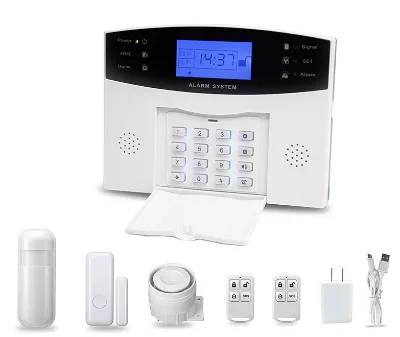


GSM Wireless Intrusion Home Security Alarm System with 100 Wireless Zones
$29.90 - $34.90
MOQ: 50 Sets


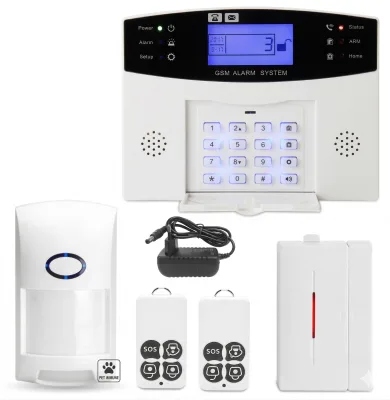
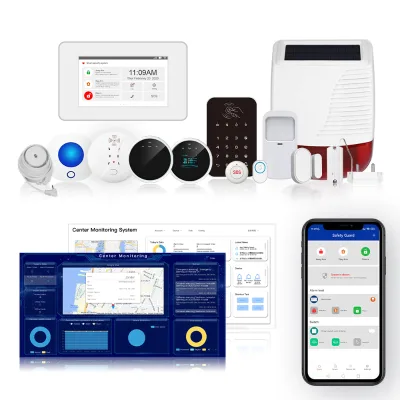


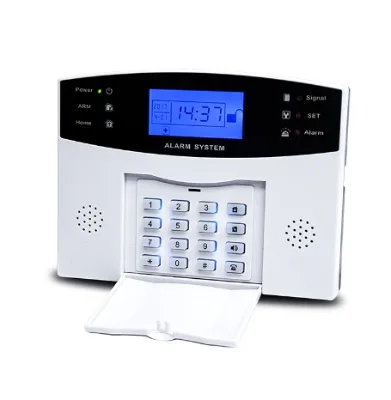
Comprehensive Sourcing Guide
GSM Home Security Alarm Kit Sourcing Guide
Procuring a GSM Home Security Alarm Kit requires careful evaluation of the core communication architecture, as these systems rely on cellular networks rather than traditional landlines to transmit alerts. The observed market data indicates a strong preference for models supporting dual transmission modes, combining wireless sensor connectivity with GSM signal processing to ensure reliability during power or internet outages. Buyers must prioritize units that explicitly list GSM network compatibility alongside specific alarm call and SMS notification capabilities, as these features form the backbone of the system's remote monitoring function.
When selecting a kit, the distinction between wired and wireless zones is critical for installation flexibility and scalability. Current listings reveal configurations offering up to 99 wireless zones, which allows for extensive coverage of large residential properties without the complexity of extensive cabling. However, procurement teams should verify the specific breakdown of these zones, as some units may include a limited number of hardwired inputs for legacy sensors while relying primarily on wireless technology for new installations. This hybrid approach often provides the most robust solution for retrofitting existing homes with modern security infrastructure.
Product Scope and Observed Listing Signals
The available product scope for GSM alarm kits spans from basic single-item units to comprehensive systems capable of managing multiple sensor types and user interfaces. Market observations show a wide variance in packaging and unit counts, with some suppliers offering single-item selling units while others provide bulk cartons containing ten or more pieces. This variation suggests that buyers can source either standalone replacement components or complete bulk solutions for large-scale residential projects, depending on their specific inventory requirements and project scale.
Listing signals indicate a diverse range of functional attributes, including specialized features like timed deployment and dismantling schedules, which allow for automated arming and disarming based on user routines. The presence of remote control pairing capabilities, often supporting up to five paired devices, highlights the importance of user convenience in modern security systems. Additionally, the availability of customization options suggests that suppliers are prepared to adapt standard models to meet specific regional or client requirements, making it essential for buyers to confirm the extent of these customization services before finalizing orders.
Technical Specifications to Verify
Technical verification must begin with the host unit's physical dimensions and weight, as these factors influence mounting options and shipping logistics. Observed specifications list host sizes around 1358036mm with a gross weight of 700g, which are standard for indoor wall-mounted units. Buyers should confirm that the physical footprint of the selected model aligns with their intended installation location, ensuring that the device fits within the designated space without obstructing other utilities or aesthetic elements of the property.
The communication and sensor specifications are equally critical for system performance and reliability. Prospective buyers must verify the receive frequency, typically 433.92MHz for wireless sensors, and the alarm volume, which ranges from 80dB to over 110dB depending on the model. It is also necessary to confirm the working principle of the sensors, such as electro-optical or electromagnetic types, to ensure they match the specific threat environment, whether for perimeter protection or indoor motion detection. Additionally, the system's ability to support RFID tags and mobile app integration for Android and iPhone users should be validated to ensure seamless user experience.
Compliance and Safety Documentation
Compliance documentation is a non-negotiable aspect of sourcing security equipment, as these devices must meet rigorous safety and electromagnetic standards to operate legally in various markets. The observed product listings frequently cite certifications such as CE, FCC, RoHS, and CCC, which indicate adherence to European, North American, and Chinese safety regulations. Buyers must request valid certification certificates for each specific model to ensure that the equipment has been tested and approved for the target market, avoiding potential legal liabilities or customs clearance issues.
Beyond basic safety certifications, the presence of additional standards like E-MARK and SGS suggests a higher level of quality assurance and product reliability. These certifications often cover specific aspects of the device's performance, such as electromagnetic compatibility and environmental safety. Procurement teams should verify that the supplier can provide up-to-date documentation for all listed certifications, as regulatory requirements can change, and outdated certificates may render the imported equipment non-compliant. Ensuring that the product meets the specific standard requirements of the destination country is essential for successful market entry.
Cost Drivers and Commercial Terms
Cost drivers for GSM alarm kits are influenced by the complexity of the system, the number of included zones, and the level of customization required. The observed price range of 1 to 85 USD reflects a broad spectrum of product tiers, from basic single-sensor units to comprehensive kits with advanced features like dual-technology sensors and mobile app integration. Buyers should analyze the cost per zone and the inclusion of essential accessories, such as remote controls and power adapters, to determine the true value of the package rather than focusing solely on the base unit price.
Commercial terms, including Minimum Order Quantity (MOQ) and shipping logistics, play a significant role in the total cost of ownership. The observed MOQ range of 1 to 3000 units indicates that suppliers cater to both small retailers and large distributors, offering flexibility in order sizes. Shipping terms typically include sea freight and express delivery, with lead times varying based on the order volume and customization level. Buyers must negotiate clear terms regarding packaging, such as neutral gift boxes or bulk cartons, to ensure that the products arrive in optimal condition and meet their specific branding or distribution needs.
Supplier Qualification and Quality Control
Supplier qualification should focus on the manufacturer's experience and their ability to provide consistent quality across large production runs. The observed data mentions suppliers with over 17 years of OEM/ODM service experience, which is a strong indicator of established manufacturing capabilities and supply chain stability. Buyers should verify the supplier's track record in producing similar security systems and request references from previous clients to assess their reliability and responsiveness to quality issues.
Quality control processes must be rigorously defined to ensure that every unit meets the specified technical and safety standards. Buyers should inquire about the supplier's internal testing protocols, including functional tests for alarm volume, signal transmission, and sensor sensitivity. It is also crucial to confirm the warranty terms, which typically range from 2 to 3 years, and understand the procedures for handling defective units or returns. Establishing a clear quality assurance framework with the supplier helps mitigate risks and ensures that the delivered products perform reliably in real-world security scenarios.
Long-Term Procurement Checks
Long-term procurement success depends on the supplier's ability to maintain product consistency and provide ongoing technical support. Buyers should establish a schedule for periodic quality audits and performance reviews to ensure that the supplied alarm kits continue to meet the required standards over time. This includes verifying that the firmware and software updates for mobile app integration remain compatible with the latest operating systems, preventing obsolescence and ensuring a seamless user experience for end customers.
Supply chain resilience is another critical factor for long-term partnerships, particularly given the global nature of the electronics market. Buyers should assess the supplier's capacity to handle fluctuations in demand and their ability to secure necessary components for production. Developing a contingency plan for potential supply disruptions, such as alternative sourcing options or safety stock levels, can help maintain business continuity. Regular communication and collaboration with the supplier will foster a stronger relationship and ensure that both parties can adapt to changing market conditions and customer needs effectively.
FAQs
How many wireless zones does this GSM Home Security Alarm Kit support?
This GSM Home Security Alarm Kit supports 99 wireless zones, and some configurations also add 8 wired zones. The zone count lets you assign sensors to distinct areas such as lobby, windows, balconies, and perimeter. Alarm programming can be set for distress, fire, and gas events. Zone assignments are configured through the host panel during setup.
What alarm call and SMS numbers can be preset on the panel?
The panel can preset 2 groups of SMS numbers and dial up to 6 groups of call numbers when an alarm triggers. This means alerts reach multiple contacts by phone call and text simultaneously. Numbers are stored in the SIM-enabled host, so an active GSM network connection is required for call and SMS notifications to work properly.
Can remote controls be paired with this wireless alarm system?
Yes, up to 5 remote controls can be paired with the system, and RFID support extends to 99 pieces on compatible models. Multiple remotes let family members or staff arm and disarm independently. Pairing is done at the host panel, and lost remotes can be removed from the paired list to maintain security.
What is the alarm volume of the siren within one meter?
Listed alarm volume is at least 110dB within one meter on the GSM kit, while some related home alarm models list at least 80dB. The louder output suits whole-home deterrence, and the lower output suits smaller indoor spaces. Check the specific model specification before ordering, since volume varies between panels in this category.
Can the alarm system be operated remotely through a mobile app?
Yes, Android and iPhone apps are supported on app-enabled models, and the WiFi type is 802.11b/G/N. The app allows arm, disarm, and status monitoring from a phone. A GSM connection handles calls and SMS alerts, while WiFi handles app connectivity, so both network features should be active for full remote control capability.
How is the GSM Home Security Alarm Kit packaged and shipped?
Packing options include a neutral gift box with gift size 260*210*62 mm and a host size of 135*80*36mm. Carton quantities include 10PCS/CTN and 22PCS/CTN depending on the model, with gross weight around 700g per unit. Shipping is available by sea or express, and customization is available for branding requirements.