Source Collagen Sheet Mask for moisturizing, lightening, and firming
Explore 30 Collagen Sheet Mask options featuring ingredients like hyaluronic acid and vitamin C. Buyers can compare features such as moisturizing, lightening, and anti-wrinkle benefits from manufacturers in China Guangzhou.
Key considerations
Products List

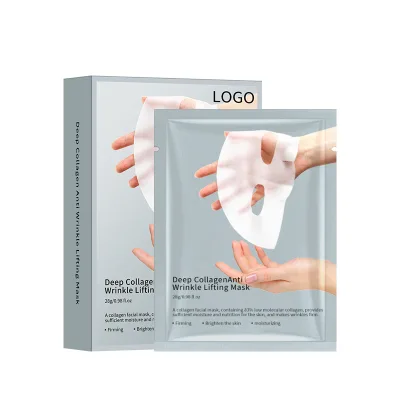
Collagen Repair Facial Mask, Post-Procedure Soothing Hydrating Sheet Mask
$0.75 - $0.95
MOQ: 5000 Pieces

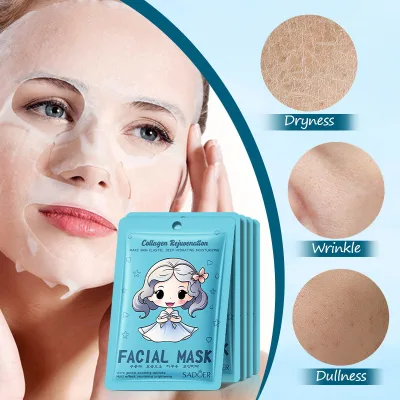
Collagen & Pearl Extract Facial Mask Nourishing Brightening Skin Care Mask
$0.65 - $0.85
MOQ: 5000 Pieces


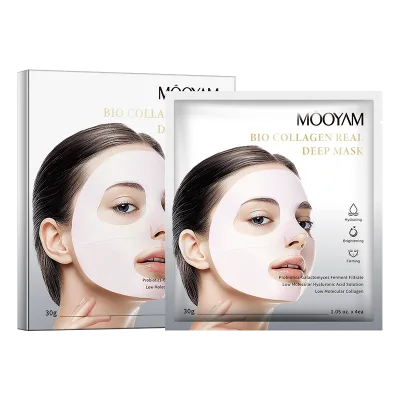
Skin Revitalizing Firming Anti-Wrinkle Facial Mask Anti-Aging Skincare Mask
$0.65 - $0.85
MOQ: 5000 Pieces







Comprehensive Sourcing Guide
Strategic Sourcing Guide for Collagen Sheet Masks
Understanding Product Specifications and Material Composition
When sourcing collagen sheet masks, buyers must first establish a clear understanding of the technical specifications that define the product's core functionality and physical attributes. The market offers a diverse range of variations, but the fundamental composition centers on the interaction between the mask substrate and the active serum. Based on available market data, the primary material types observed include non-woven fabrics and biological fiber substrates. These materials dictate the mask's ability to hold serum, conform to facial contours, and facilitate ingredient absorption. The non-woven variety is frequently cited as a standard option, offering a balance between cost and performance, while biological fiber masks often command attention for their enhanced texture and fit.
The active ingredient profile is equally critical. Collagen is the dominant feature across the majority of listings, often paired with Hyaluronic Acid and Vitamin C to create synergistic effects. Specific formulations observed include combinations of Collagen, Glycerin, and Hyaluronic Acid, which focus on deep hydration. Other variations introduce Pearl and Vitamin C to target lightening and brightening effects. More complex blends may incorporate Aloe Vera, Green Tea, and Shea Butter, suggesting a focus on soothing and nourishing properties for sensitive or dry skin types. The presence of these ingredients varies by SKU, meaning a buyer cannot assume a single product line contains all listed components.
Packaging and volume specifications also play a significant role in logistics and retail readiness. Products are typically packaged in cartons, with individual units ranging from travel sizes to standard volumes. While some specifications list a model size of 30 grams, others reference volume standards such as 30ml. The physical dimensions of the packaging can vary significantly, with some carton standards measuring approximately 44.5 x 44.5 x 16.5 cm, while others are more compact at 40 x 30 x 15 cm. These dimensions directly impact shipping costs and warehouse storage efficiency. Furthermore, the product form is consistently identified as a sheet mask, designed for facial application, though some data points mention applications for beard extension moisturizing, indicating a niche sub-segment within the broader category.
Compliance Framework and Certification Verification
Navigating the regulatory landscape is a paramount concern for B2B buyers importing cosmetic products. The certification landscape for collagen sheet masks is not uniform; different suppliers and product lines carry varying levels of compliance documentation. Buyers must verify the specific certifications held by their potential suppliers rather than assuming universal adherence to global standards. The observed certification data includes Good Manufacturing Practice (GMP), which indicates adherence to quality control standards during production. Additionally, Material Safety Data Sheets (MSDS) are frequently cited, providing essential safety information regarding the chemical composition and handling requirements of the ingredients.
Beyond GMP and MSDS, other regulatory markers appear in the market data, such as CE marking, which is relevant for products entering the European Economic Area, and FDA registration, which is a critical requirement for the United States market. Some listings also mention "Other" certifications, a vague descriptor that requires immediate clarification from the supplier to ensure no specific regional or industry-specific mandates are missing. The presence of certifications like CE and FDA suggests a higher level of regulatory scrutiny, but the absence of these in a specific listing does not necessarily imply non-compliance; it may simply reflect the target market of that specific SKU.
Buyers must treat certification claims as observations that require validation. The data indicates that a single product batch may hold GMP and MSDS, while another might carry CE and MSDS. This variability underscores the need for a rigorous due diligence process. Procurement teams should request copies of valid certificates for every batch ordered, ensuring that the certification scope covers the specific manufacturing facility and product line. Relying on a supplier's general reputation without verifying the specific documentation for the ordered goods introduces significant compliance risk. The verification process should extend to checking the expiration dates of these certifications and ensuring they align with the intended destination country's import regulations.
Cost Drivers and Pricing Dynamics
The pricing structure for collagen sheet masks is influenced by a complex interplay of material costs, customization levels, and order volume. The observed price range in the market spans from $0.04 to $10.00 USD per unit. This wide disparity is not merely a reflection of brand positioning but is driven by tangible factors such as the quality of the substrate, the complexity of the ingredient blend, and the packaging requirements. A mask priced at the lower end of the spectrum likely utilizes standard non-woven materials with a basic serum formulation, whereas the higher price points may correspond to biological fiber masks with premium ingredient profiles like Pearl or specialized extracts.
Order volume is a primary determinant of the final unit cost. The Minimum Order Quantity (MOQ) data reveals a range from 1 unit to 10,000 units. Suppliers often offer tiered pricing structures where the unit cost decreases significantly as the order volume increases. For instance, an MOQ of 10,000 pieces is explicitly linked to OEM and ODM services, suggesting that large-volume orders are necessary to access custom manufacturing capabilities and lower price points. Conversely, buyers seeking smaller quantities or sample runs will face higher per-unit costs.
Customization is another significant cost driver. The availability of private labeling, custom scents, and tailored ingredient formulations adds value but also increases the production cost. Services such as OEM (Original Equipment Manufacturer) and ODM (Original Design Manufacturer) allow brands to create unique products, but these services require higher MOQs and longer lead times. The logistics of shipping, indicated by options including air, express, sea, and road transport, also factor into the total landed cost. Buyers must calculate the total cost of ownership, including freight, duties, and storage, rather than focusing solely on the ex-works price. Understanding these dynamics allows buyers to negotiate more effectively and align their procurement strategy with their budgetary constraints.
Typical Applications and Target Market Segments
Collagen sheet masks serve a variety of applications, catering to different consumer needs and skin concerns. The primary application is facial skincare, with specific features targeting issues such as anti-wrinkle, firming, lightening, and moisturizing. The ingredient combinations directly correlate with these applications; for example, masks containing Vitamin C and Pearl are marketed for lightening and whitening effects, while those with Glycerin and Hyaluronic Acid focus on hydration and nourishing. Some formulations are designed for blemish clearing and pigmentation correction, addressing specific skin imperfections.
The target demographic is predominantly female, with products formulated for all skin types. However, the data also hints at niche applications, such as beard extension moisturizing, which expands the potential market beyond traditional facial care. This suggests that while the core product is a facial mask, the versatility of the formulation allows for adaptation to other grooming needs. The "All Skin Types" designation is a critical selling point, indicating that the products are generally safe for sensitive skin, though buyers should still verify specific ingredient tolerances for their target audience.
In terms of usage context, the products are designed for home use, offering consumers a spa-like experience in the comfort of their residences. The shelf life of these products is typically around three years, which is a standard duration for cosmetic items and allows for extended distribution channels without significant risk of spoilage. The ability to customize the scent further enhances the product's appeal, allowing brands to create a sensory experience that aligns with their brand identity. Understanding these application nuances helps buyers position their products effectively in the market, ensuring that the features and benefits of the collagen sheet masks align with consumer expectations.
Supplier Evaluation and Service Capabilities
Evaluating potential suppliers requires a holistic approach that goes beyond price and certification. The service capabilities of a supplier are a key differentiator in the B2B market. The availability of OEM and ODM services is a strong indicator of a supplier's flexibility and manufacturing maturity. Suppliers offering these services can assist with product development, packaging design, and branding, which is essential for companies looking to launch private label lines. The explicit mention of "Service: OEM ODM Private Label" in the product data highlights this capability as a standard offering in the sector.
Sample availability is another critical factor in supplier evaluation. The fact that samples are provided allows buyers to physically assess the product quality, texture, and serum absorption before committing to a large order. This step is crucial for validating the supplier's claims regarding ingredient quality and manufacturing standards. Additionally, the ability to customize the scent and packaging dimensions provides buyers with the flexibility to tailor the product to their specific market requirements.
Geographic location is also a consideration. The majority of the observed products originate from Guangzhou, China, a major hub for cosmetic manufacturing. This concentration of suppliers in a specific region can offer logistical advantages, such as streamlined shipping and established supply chains. However, buyers should also consider the potential risks associated with relying on a single geographic region, such as supply chain disruptions or regulatory changes. Evaluating a supplier's track record, production capacity, and ability to scale is essential for ensuring a reliable long-term partnership.
Quality Control and Long-Term Procurement Strategy
Implementing a robust quality control (QC) strategy is vital for maintaining product integrity and brand reputation. Given the variability in ingredients and materials, buyers should establish clear QC protocols that cover raw material inspection, in-process monitoring, and final product testing. The presence of certifications like GMP and MSDS provides a baseline for quality, but on-site audits and third-party testing may be necessary to verify compliance and consistency. Buyers should also verify the shelf life of the products, ensuring that the three-year standard is maintained throughout the supply chain.
Long-term procurement considerations involve building a resilient supply chain that can adapt to market changes. This includes diversifying suppliers to mitigate risk, negotiating favorable terms for volume discounts, and maintaining open communication channels with suppliers to stay informed about regulatory updates. The ability to customize products, such as adjusting the scent or ingredient profile, allows buyers to respond quickly to shifting consumer trends. Furthermore, understanding the lead times associated with different order volumes and shipping methods is crucial for inventory management.
The data indicates that while many products are available with immediate stock, custom orders may require longer lead times. Buyers should plan their procurement cycles accordingly to avoid stockouts. Additionally, the variability in packaging standards, such as the different carton dimensions, requires careful coordination with logistics partners to optimize shipping efficiency. By focusing on these strategic elements, buyers can ensure a sustainable and profitable sourcing relationship for collagen sheet masks.
Comparative Analysis of Product Attributes
To facilitate decision-making, the following table summarizes the key attributes observed in the market data, highlighting the variations in certifications, ingredients, and specifications.
| Attribute Category | Observed Variations | Key Considerations for Buyers |
|---|---|---|
| Certifications | GMP, MSDS, CE, FDA, Other | Verify specific certificates for target markets; do not assume universal compliance. |
| Main Ingredients | Collagen, Hyaluronic Acid, Vitamin C, Pearl, Aloe Vera, Green Tea, Shea Butter | Match ingredient profiles to specific skin concerns (e.g., lightening vs. moisturizing). |
| Material Type | Non-woven, Biological Fiber | Assess texture and serum retention capabilities; biological fiber often implies premium positioning. |
| Packaging | Carton, Air/Express/Sea/Road options | Verify carton dimensions (e.g., 44.5x44.5x16.5 cm vs. 40x30x15 cm) for logistics planning. |
| MOQ Range | 1 to 10,000 PCS | Higher MOQs (e.g., 10,000) often required for OEM/ODM services and lower unit costs. |
| Shelf Life | 3 Years | Standard duration; verify storage conditions to maintain integrity. |
| Customization | Scent, Private Label, OEM/ODM | Essential for brand differentiation; confirm lead times for custom orders. |
This comparative analysis underscores the importance of detailed due diligence. Buyers must align their specific requirements with the available product attributes to ensure a successful procurement outcome. By systematically evaluating these factors, buyers can navigate the complexities of the Collagen Sheet Mask market with confidence and precision.
FAQs
What certifications do Collagen Sheet Mask suppliers typically hold?
Suppliers typically hold GMP and MSDS certifications for quality and safety. Some listings also include CE, FDA, or other regional certifications. Buyers must verify specific certificates for each batch to ensure compliance with their target market regulations.
Which main ingredients are commonly found in these collagen masks?
Common ingredients include Collagen, Hyaluronic Acid, and Vitamin C. Formulations often add Glycerin, Pearl, Aloe Vera, or Green Tea for specific benefits. The exact blend varies by SKU, so buyers should check individual product specifications for precise ingredient lists.
How does the MOQ affect pricing for collagen sheet masks?
MOQs range from 1 to 10,000 units, directly influencing unit costs. Higher volumes like 10,000 pieces often enable OEM services and lower prices. Buyers seeking samples or small runs will face higher per-unit costs compared to bulk orders.
Can buyers customize the scent and packaging for these masks?
Yes, customization for scent and packaging is available for many products. Suppliers offer OEM and ODM services to tailor private labels. This flexibility allows brands to align the product with their specific identity, though it may require meeting higher minimum order quantities.
What material types are used for the mask substrate?
The substrate is typically made from non-woven fabric or biological fiber. Non-woven materials offer a cost-effective balance, while biological fiber provides enhanced texture and fit. The choice of material impacts serum absorption and the overall user experience.
Where are these collagen sheet masks primarily manufactured?
Most products originate from Guangzhou, China, a major manufacturing hub. This location offers established supply chains and logistical advantages for international buyers. However, buyers should assess the specific factory capabilities and location for each supplier they consider.
What is the typical shelf life of these facial masks?
The shelf life is typically around three years for these cosmetic products. This duration allows for extended distribution channels without significant spoilage risks. Buyers should still verify the expiration dates on specific batches to ensure product freshness upon arrival.