Source Organic Gold Collagen Facial Mask for Skin Care
Find 30 Organic Gold Collagen Facial Mask options from verified Chinese manufacturers. Compare features like whitening, anti-wrinkle, and moisturizing benefits across OEM/ODM suppliers offering free samples and bulk pricing.
Key considerations
Products List


Gold Collagen Face Mask Private Label Beauty Organic Skin Care Sheet Mask Facial
$0.41 - $0.69
MOQ: 500 Pieces

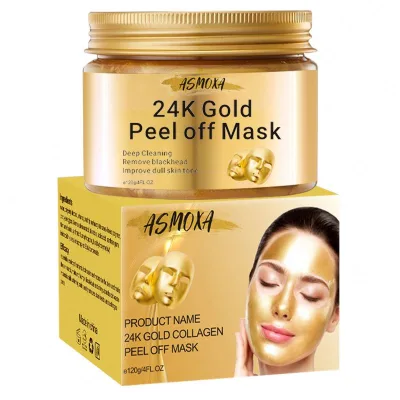
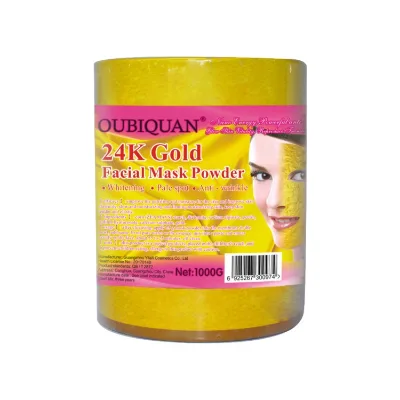


Custom Super Illuminating Glitter Whitening Collagen 24K Gold Facial Mask
$1.85 - $2.22
MOQ: 3000 Pieces


Comprehensive Sourcing Guide
Organic Gold Collagen Facial Mask Sourcing Guide
Sourcing organic gold collagen facial masks requires a nuanced understanding of the intersection between cosmetic efficacy, material science, and regulatory compliance. These products are typically positioned as premium skincare solutions, leveraging the perceived benefits of gold particles for radiance and collagen for structural support. Buyers must navigate a market where "organic" claims often intersect with synthetic or semi-synthetic ingredients, necessitating rigorous verification of ingredient sourcing and processing methods. The procurement strategy should focus on identifying suppliers who can provide transparent documentation of their raw material origins, particularly for biological components like collagen and aloe vera, which are frequently cited in high-end formulations.
The decision to source these masks involves balancing aesthetic appeal with functional performance. Market observations indicate a strong emphasis on multi-functional benefits, including anti-wrinkle, firming, and brightening effects. Procurement teams must evaluate whether the product’s claimed benefits are supported by verifiable ingredient concentrations and stable formulations. Furthermore, the packaging and presentation play a critical role in the product’s marketability, with many listings highlighting gold-colored aesthetics or specialized packaging formats. Understanding these visual and functional cues is essential for aligning supplier offerings with target consumer expectations in competitive beauty markets.
Product Scope and Observed Listing Signals
The current market landscape for facial masks reveals a diverse range of product configurations, with sheet masks being a predominant format. Observations indicate that products are often described using terms such as "biological fiber" or "non-woven" materials, which significantly impact skin feel and ingredient absorption. Buyers should note that while some listings emphasize natural ingredients like aloe vera and vitamin C, others highlight advanced formulations containing nano gold powder and serum proteins. This variation suggests that the term "organic" may be used loosely in marketing, and buyers must scrutinize the actual material composition to ensure it aligns with their brand’s integrity standards.
Listing signals also reveal significant variability in packaging and unit presentation. Products are commonly packaged in individual bags, boxes, or cartons, with specific configurations such as "1PCS/Bag" or "10PCS/Box" being prevalent. The presence of gold-colored variants and specific model numbers like "G-FM01" or "Ditong 003" indicates a high degree of customization and private labeling opportunities. Buyers should pay close attention to these details, as they often correlate with the supplier’s ability to offer OEM/ODM services. The availability of free samples, though sometimes with freight paid by the buyer, provides a critical opportunity to assess product quality before committing to larger orders.
Technical Specifications to Verify
When evaluating technical specifications, the primary focus should be on the core ingredients and their stated functions. Commonly listed ingredients include collagen, vitamin C, hyaluronic acid, and aloe vera, each contributing to specific benefits such as moisturizing, whitening, and anti-aging. Buyers must verify the concentration and source of these ingredients, particularly collagen, which can be derived from various biological sources. The inclusion of nano gold powder in some formulations suggests a focus on premium positioning, but buyers should request data on particle size and stability to ensure consistent performance and safety.
Packaging and shelf life are also critical technical parameters that influence supply chain logistics and product viability. Listings often specify a shelf life of three years, which is standard for many cosmetic products, but buyers should confirm the storage conditions required to maintain this longevity. The physical dimensions and weight of the masks, such as a size of 250g or "one size fits all," should be cross-referenced with the intended retail packaging to optimize shipping costs. Additionally, the model numbers and standard specifications provided by suppliers should be treated as baseline references, with buyers requesting detailed technical data sheets for any custom or specialized variants.
Compliance and Safety Documentation
Regulatory compliance is a non-negotiable aspect of sourcing facial masks, particularly when dealing with ingredients that may be subject to strict scrutiny. Certifications such as FDA, GMP, MSDS, and CE are frequently cited by suppliers, indicating adherence to various international standards. However, buyers must verify the validity and scope of these certifications, ensuring they cover the specific manufacturing facilities and product lines being sourced. The presence of ISO standards, such as ISO 22716:2008 for cosmetic good manufacturing practices, provides an additional layer of assurance, though buyers should confirm that these standards are actively implemented and audited.
Safety documentation, including Material Safety Data Sheets (MSDS), is essential for understanding the chemical composition and handling requirements of the products. Buyers should request MSDS for each variant to identify any potential allergens or irritants, particularly in formulations containing active ingredients like vitamin C or collagen. The origin of the products, often listed as China or specific provinces like Henan and Guangzhou, should be considered in the context of local regulatory environments. Buyers must ensure that their target markets’ import regulations are met, including any specific labeling or ingredient disclosure requirements.
Cost Drivers and Commercial Terms
The cost structure for organic gold collagen facial masks is influenced by several factors, including material quality, customization level, and order volume. Observed price ranges vary significantly, reflecting differences in ingredient sourcing and packaging complexity. Buyers should anticipate that products with higher concentrations of premium ingredients, such as nano gold or specific collagen types, will command higher prices. Additionally, the availability of OEM/ODM services and design support can add to the overall cost, but these services are often essential for brands seeking to differentiate their products in the market.
Minimum Order Quantities (MOQs) present another critical commercial consideration, with observed ranges spanning from small batches of 50 pieces to large-scale orders of 30,000 pieces or more. These variations allow buyers to align their procurement strategy with their inventory management capabilities and market demand forecasts. Buyers should negotiate MOQs based on their specific needs, considering the trade-offs between unit price and inventory holding costs. The availability of free samples, while beneficial for quality assessment, should be factored into the initial procurement budget, as freight costs may apply.
Supplier Qualification and Quality Control
Supplier qualification requires a thorough assessment of manufacturing capabilities and quality control processes. Buyers should prioritize suppliers who demonstrate a commitment to consistency and transparency, evidenced by their willingness to provide detailed product information and certifications. The ability to offer customization, including design services and private labeling, is a strong indicator of a supplier’s flexibility and market responsiveness. Buyers should also evaluate the supplier’s production capacity and lead times, ensuring they can meet demand fluctuations without compromising quality.
Quality control measures should be integrated into the procurement process, starting with rigorous sample testing and extending to ongoing production audits. Buyers should establish clear quality benchmarks for key attributes such as ingredient concentration, packaging integrity, and product performance. Regular communication with suppliers regarding quality issues and feedback is essential for maintaining high standards. Additionally, buyers should consider implementing third-party inspections for larger orders to verify that the products meet the agreed-upon specifications and regulatory requirements.
Long-Term Procurement Checks
Long-term procurement success depends on continuous monitoring of supplier performance and market trends. Buyers should establish key performance indicators (KPIs) to track metrics such as on-time delivery, product quality, and responsiveness to issues. Regular reviews of supplier certifications and compliance status are necessary to ensure ongoing adherence to regulatory standards. Buyers should also stay informed about changes in ingredient regulations and consumer preferences, adjusting their sourcing strategies accordingly to maintain product relevance and competitiveness.
Building a resilient supply chain involves diversifying suppliers and maintaining strong relationships with key partners. Buyers should avoid over-reliance on a single source, particularly for critical ingredients or specialized manufacturing processes. Regular engagement with suppliers to discuss future product developments and innovation opportunities can help identify new trends and technologies. By maintaining a proactive approach to supplier management and market analysis, buyers can ensure a steady supply of high-quality organic gold collagen facial masks that meet their brand’s standards and customer expectations.
FAQs
What certifications do the organic gold collagen facial masks have?
The masks hold FDA, GMP, MSDS, and CE certifications. These documents verify safety and manufacturing standards for international trade. Buyers can request specific certification copies to ensure compliance with local regulations before placing large orders.
Can I get free samples of the gold collagen facial mask?
Free samples are available for most product models. However, the buyer is typically responsible for paying the freight charges unless otherwise specified. This allows you to test the product quality and packaging before committing to a bulk purchase.
What is the minimum order quantity for custom designs?
The minimum order quantity varies by supplier and customization level. Some listings require 6000 pieces, while others accept 50 pieces for standard items. OEM orders often have higher thresholds, such as 30000 pieces, to cover setup costs.
How long is the shelf life of the collagen facial mask?
The product has a shelf life of three years from the date of manufacture. This duration ensures the active ingredients like Vitamin C and Collagen remain effective. Proper storage conditions are required to maintain this stability throughout the product's lifecycle.
Which materials are used to make the facial mask sheets?
The masks are made from biological fiber and non-woven materials. These substrates hold the serum containing collagen, hyaluronic acid, and nano gold powder effectively. The material choice ensures good adhesion to the skin for optimal hydration and whitening results.
What customization services are offered for the facial mask?
OEM and ODM services are available for branding and design. Suppliers offer design services to create unique packaging or formulations tailored to your brand. This flexibility allows businesses to launch private label products with specific features like gold powder or specific vitamin blends.
Where are the organic gold collagen facial masks manufactured?
The products originate from China, specifically from regions like Henan and Guangzhou. These locations are known for their cosmetic manufacturing capabilities. Buyers should verify the specific factory location to assess logistics costs and supply chain reliability for their region.