Source Whitening Nourishing Jelly Facial Mask for home, salon, and spa
Explore 30 listings for Whitening Nourishing Jelly Facial Mask with features like moisturizing, firming, and blemish clearing. Buyers can compare ingredients such as collagen and hyaluronic acid, certifications including FDA and GMP, and customization options from suppliers in China.
Key considerations
Products List

Private Label Brightening Whitening Hydrating Facial Jelly Mask Sleeping Mask
$2.10 - $2.35
MOQ: 1000 Pieces


Vegan Oil Control Jelly Sleeping Mask Moisturizing Overnight Facial Mask
$1.80 - $2.20
MOQ: 1000 Pieces


Wholesale Nourishing Hydrating Natural Extracts Berry Glow Face Jelly SPA Mask
$2.10 - $2.35
MOQ: 1000 Pieces

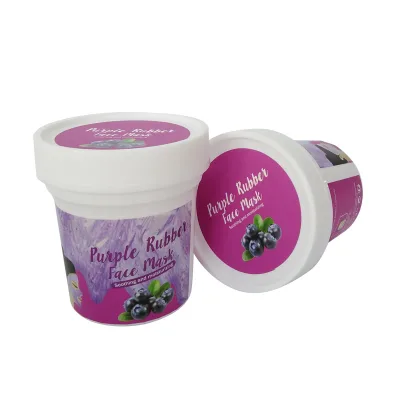


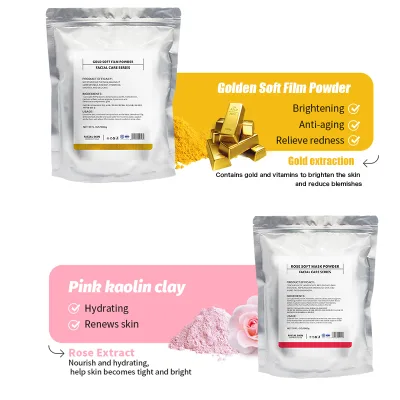


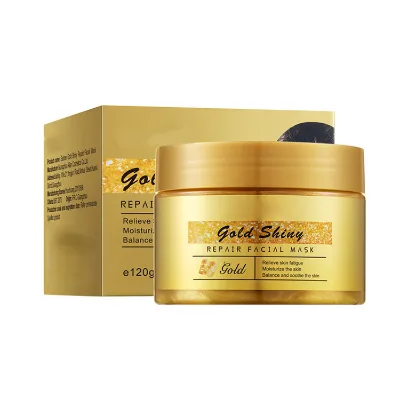
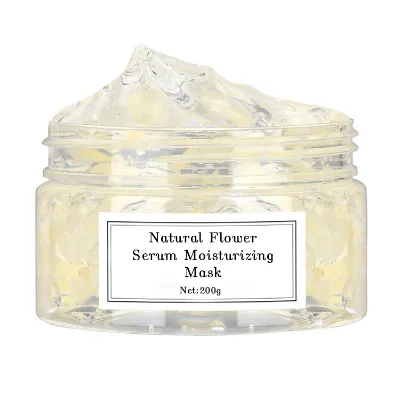


Beauty Cosmetics Clay Face Whitening Mask Whitening Natural Vegan Mud Mask
$1.85 - $2.85
MOQ: 100 Pieces

Custom Beauty Hydrate Revitalizing Jelly Night Face Moisturizer Skin Mask
$1.23 - $1.82
MOQ: 3000 Pieces



Comprehensive Sourcing Guide
Strategic Sourcing Guide for Whitening Nourishing Jelly Facial Masks
Understanding Product Formulations and Core Attributes
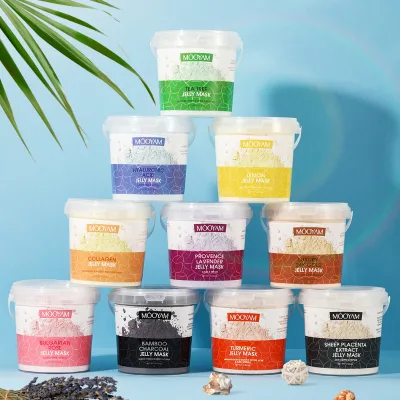
The search for a Whitening Nourishing Jelly Facial Mask requires a precise understanding of the product's physical state and chemical composition. In the current B2B market, the term "jelly" refers to a specific semi-solid gel texture, distinct from traditional sheet masks or powder-based formulations. Based on available product data, the primary material base for these items is often identified as "Jelly Glue," which provides the necessary viscosity to adhere to the skin while delivering active ingredients. The form is consistently observed as a mud or gel-like substance, designed to be applied as a sleeping mask or a wash-off treatment.
The efficacy of these masks relies heavily on their main ingredient profiles. High-confidence data indicates that successful formulations in this category typically combine Collagen, Hyaluronic Acid, and Vitamin C. These components work synergistically: Collagen provides structural support and firming properties, Hyaluronic Acid delivers intense hydration, and Vitamin C acts as a potent agent for lightening and whitening. Some variations also incorporate Green Tea, Jojoba Oil, Pearl, Aloe Vera, and Shea Butter to enhance nourishing capabilities. The presence of these specific ingredients is a critical differentiator, as they directly address the "whitening" and "nourishing" keywords in the buyer's search.
When evaluating potential suppliers, buyers must verify that the product's "Main Ingredient" list matches their specific formulation requirements. The market offers diverse blends, ranging from simple Collagen-centric formulas to complex mixes containing Dead Sea Salt or Spirulina. The "Feature" attributes associated with these products are extensive, including Anti-Wrinkle, Blemish Clearing, Firming, Lightening, Moisturizer, Nourishing, Pore Cleaner, and Pigmentation Correctors. A supplier claiming to offer a "whitening nourishing jelly mask" must demonstrate that their specific model number supports this full spectrum of benefits through their ingredient composition.
Technical Specifications and Packaging Standards
Technical specifications for jelly facial masks vary significantly in terms of model numbers, packaging dimensions, and physical weight. The data shows a wide range of product models, such as "026," "Sleeping mask-An," "LD2023120707," "EC," "032," and "HBW064." These alphanumeric codes are essential for inventory management and must be clearly communicated in procurement orders to avoid confusion between different formulations or batch sizes.
Packaging is a critical logistical consideration. The standard packing method observed is "Carton" or "in Cartons," which suggests bulk shipping in cardboard containers rather than individual retail boxes for the initial B2B transaction. However, specific single-package dimensions are recorded, such as 10x5x5 cm, with a single gross weight of 0.100 kg. This indicates that while the bulk shipment is in cartons, the individual units within are compact and lightweight. Buyers should also note that some specifications list "385241cm" as a standard, which likely refers to the dimensions of the master shipping carton rather than the product itself.
Capacity and size types also play a role in procurement. Some listings specify a capacity of 1000g per piece, which is substantial for a facial mask and suggests a large-volume application or a specific bulk format. Conversely, other entries note "sample size" as the size type, indicating that suppliers may offer smaller units for testing before committing to large orders. The "prod_packing" attribute confirms that the final product is prepared for distribution in cartons, but the exact quantity per carton should be verified with the supplier.
| Specification Attribute | Observed Data Points | Procurement Verification Requirement |
|---|---|---|
| Product Form | Mud, Jelly, Mask, Powdered Mask | Confirm physical state matches "Jelly" requirement. |
| Material Base | Jelly Glue | Verify adhesive properties and texture. |
| Packaging | Carton, in Cartons | Confirm master carton dimensions and unit count. |
| Single Package Size | 10x5x5 cm | Calculate shipping volume and storage needs. |
| Single Gross Weight | 0.100 kg | Determine freight costs and handling requirements. |
| Capacity | 1000g/pc | Verify if this is a bulk unit or a specific variant. |
| Model Numbers | 026, LD2023120707, HBW064, etc. | Match specific model to ingredient profile. |
Compliance, Certification, and Regulatory Standards
Navigating the regulatory landscape is paramount when sourcing cosmetic products for international markets. The provided data highlights several certifications that are frequently associated with jelly facial masks. High-confidence facts list FDA, MSDS, GMP, CE, and ISO9001-2000 GMP as common certifications. The presence of an MSDS (Material Safety Data Sheet) is particularly important for shipping, as it details the chemical composition and safety handling instructions for the "Jelly Glue" and active ingredients.
The "Certification" field often lists multiple standards simultaneously, such as "FDA, MSDS" or "CE, FDA, MSDS." This suggests that suppliers may hold certifications from different jurisdictions. For buyers targeting the North American market, FDA compliance is a key indicator of safety standards. For European markets, CE marking is relevant. Additionally, GMP (Good Manufacturing Practice) is a recurring standard, ensuring that the manufacturing process adheres to strict quality control measures.
It is crucial to distinguish between high-confidence facts and low-confidence background information. While ISO 22716:2008 and ISO 14001:2015 are mentioned in background contexts, they should not be assumed as guaranteed attributes of every listed product unless explicitly confirmed by the supplier. Similarly, RoHS is listed as a low-confidence standard and should be treated with caution. Buyers must request valid, up-to-date certification documents for the specific model they intend to purchase. The "prod_standard" is sometimes listed as "others" or specific dimensions, which implies that buyers need to verify the actual regulatory standard applicable to their target market rather than relying on generic labels.
Cost Drivers and Pricing Dynamics
The pricing landscape for whitening nourishing jelly facial masks is characterized by a wide observed range, with listed prices in USD spanning from 0.05 to 25.00. This significant variance indicates that price is heavily influenced by factors such as ingredient quality, packaging complexity, brand positioning, and order volume. The "Selling Units" are often listed as "Single item," which suggests that the price range may reflect both sample costs and bulk unit prices, depending on the context of the listing.
Minimum Order Quantity (MOQ) is another critical cost driver. The observed MOQ range is 1 to 5000 units. A low MOQ of 1 allows buyers to test the product with minimal financial risk, which is ideal for initial market research. However, achieving the lower end of the price range (e.g., $0.05) likely requires ordering at the higher end of the MOQ spectrum (e.g., 5000 units). Conversely, ordering a single unit or a small batch will likely incur a price closer to the upper limit of the range.
Customization is a major factor in pricing. The "Customization" attribute is marked as "Available," and "Service" includes OEM (Original Equipment Manufacturer) and ODM (Original Design Manufacturer) options. Customizing the formula, packaging design, or branding will inevitably increase the unit cost compared to buying standard off-the-shelf products. Buyers should anticipate that a bespoke formulation using premium ingredients like Pearl or specific organic extracts will command a higher price point than a standard Collagen and Hyaluronic Acid blend.
Supplier Evaluation and Service Capabilities
Evaluating suppliers for jelly facial masks requires a focus on their service capabilities and production flexibility. The "Service" attribute explicitly mentions OEM and ODM, indicating that suppliers are equipped to handle private labeling and custom formulation requests. This is essential for buyers looking to build their own brand rather than reselling generic products. The "Brand Name" field lists "Herbicos" in some instances, but buyers should not assume this is the only brand available; rather, it serves as an example of the types of brands that may be sourced.
The "Place of Origin" is consistently listed as China, with specific mentions of Guangdong. This region is a major hub for cosmetic manufacturing, offering a mature supply chain for ingredients like Collagen and Hyaluronic Acid. However, buyers must verify the specific factory location to ensure it aligns with their logistical preferences and compliance requirements. The "Application" is noted as "For Home Use," which defines the intended market segment and helps in selecting suppliers who specialize in consumer-grade cosmetics rather than professional salon products.
When assessing supplier reliability, buyers should look for evidence of the "Main Ingredient" consistency. Suppliers claiming to offer "Whitening" and "Nourishing" effects must provide a clear breakdown of their ingredient lists. The data shows variations in ingredients, such as the inclusion of "Organic" claims or specific compounds like "Malic acid and NMF." A reputable supplier will be transparent about these variations and able to provide samples that match the claimed ingredient profile.
Quality Control and Performance Verification
Quality control in the production of jelly facial masks involves rigorous testing of texture, stability, and ingredient efficacy. The "Feature" list includes claims such as "Anti-Wrinkle," "Blemish Clearing," and "Pore Cleaner." While these are observed attributes, buyers must verify that the specific product they purchase has undergone testing to support these claims. The "Effect" is listed as "Hydrating" and "Nourishing Moisturizing," which are fundamental expectations for this product category.
The "Form" of the product, whether "Mud," "Jelly," or "Mask," must remain stable throughout its shelf life. Buyers should request stability test results to ensure the jelly does not separate or change texture under different temperature conditions. The "Color" attribute, observed as "Purple" in some listings, indicates that colorants are used, and buyers should verify that these are safe for cosmetic use and consistent with their brand guidelines.
For products claiming to be "Organic," buyers must demand certification documentation to validate this claim. The "Ingredient" field lists "Organic" as a specific attribute, but without supporting documentation, this remains an unverified observation. Similarly, the "Skin Type" is listed as "All Skin Types," but buyers should ensure that the product has been tested on diverse skin types to support this broad claim. The "Gender" is specified as "Female," which may influence marketing strategies but does not necessarily limit the product's efficacy for other users.
Long-Term Procurement and Strategic Considerations
Sourcing whitening nourishing jelly facial masks is not a one-time transaction but a strategic partnership that requires long-term planning. The "Customization" availability suggests that buyers should plan for ongoing collaboration with suppliers to refine formulations based on market feedback. As consumer preferences shift, the ability to adjust the "Main Ingredient" profile—such as increasing the concentration of Vitamin C or adding new actives like Spirulina—will be crucial for maintaining product competitiveness.
Supply chain resilience is another key consideration. With the "prod_origin" fixed in China, buyers should assess the supplier's ability to manage lead times and capacity. The "Capacity" of 1000g/pc suggests that some suppliers have significant production capabilities, but buyers must confirm if this capacity can be scaled up during peak demand periods. The "Standard" of "others" or specific dimensions implies that buyers need to establish clear specifications for every order to avoid production errors.
Finally, buyers should consider the regulatory environment of their target markets. As certifications like FDA, GMP, and CE are critical, maintaining a relationship with suppliers who can consistently provide updated documentation is essential. The "Service" aspect of OEM/ODM means that the supplier acts as an extension of the buyer's brand, making their compliance and quality standards a direct reflection of the buyer's reputation. By focusing on these long-term factors, buyers can secure a reliable supply of high-quality jelly facial masks that meet both regulatory requirements and consumer expectations.
FAQs
What certifications do whitening nourishing jelly facial masks typically have?
These masks commonly hold FDA, MSDS, GMP, and CE certifications. Buyers should verify specific documents for the model number, as standards vary by batch and target market requirements.
Can I customize the formula for a Whitening Nourishing Jelly Facial Mask?
Yes, customization is available for OEM and ODM services. Suppliers can adjust ingredients like Collagen or Hyaluronic Acid to meet specific brand needs while maintaining the jelly form.
Which main ingredients are found in whitening nourishing jelly facial masks?
Common ingredients include Collagen, Hyaluronic Acid, and Vitamin C. Some variations also feature Green Tea, Jojoba Oil, Pearl, or Aloe Vera to enhance nourishing and lightening effects.
How is the Whitening Nourishing Jelly Facial Mask packaged for shipping?
Products are typically packed in cartons with single units measuring 10x5x5 cm. Bulk shipments use master cartons, and some listings specify a capacity of 1000g per piece.
What is the price range for whitening nourishing jelly facial masks?
Listed prices range from 0.05 to 25 USD depending on order volume. Lower prices usually require higher minimum order quantities, while samples cost more per unit.
Where are whitening nourishing jelly facial masks manufactured?
Most products originate from China, specifically Guangdong. Buyers should confirm the exact factory location to ensure alignment with logistics and regulatory compliance for their target region.
What is the minimum order quantity for whitening nourishing jelly facial masks?
Minimum order quantities range from 1 to 5000 units. A low MOQ allows for testing, while larger orders often secure better pricing and customized production slots.