Source Facial Masks for Home, Security, and Skincare Use
Source 30 Facial Masks for home care, security, and skincare applications. Compare options including safe-type dust masks and moisturizing jelly mask powders with customizable features and various material compositions; compare the available evidence and request quotations based on your requirements.
Key considerations
Products List


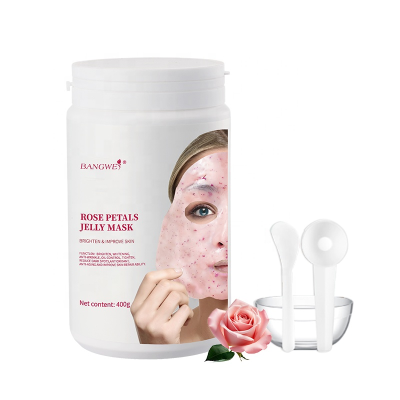
$2.97 - $4.72
MOQ: 100 pieces


Disposable Protective Face Mask
$0.02 - $0.07
MOQ: 2000 Pieces
Wenzhou Xiangying Reflective Materials Science Technology Co., Ltd.

Daily Use Disposable Face Mask
$0.02 - $0.07
MOQ: 2000 Pieces
Wenzhou Xiangying Reflective Materials Science Technology Co., Ltd.


Comprehensive Sourcing Guide
Facial Masks Sourcing Guide
Sourcing Facial Masks requires a nuanced understanding of the diverse product landscape, which ranges from simple dust masks to complex skincare formulations. Buyers must first distinguish between protective equipment and cosmetic treatments, as the regulatory and technical requirements for each are fundamentally different. The market offers a wide variety of options, including safe-type dust masks for industrial or security applications and DIY jelly mask powders for home skincare use. Understanding this distinction is the first critical step in defining procurement needs, as mixing these categories can lead to compliance failures and operational inefficiencies.
Procurement teams should also consider the specific attributes that define product suitability, such as material composition, ply count, and customization options. For instance, some listings indicate silk or cotton materials with three to four plies, while others highlight moisturizing and whitening ingredients like collagen and hyaluronic acid. These variations directly impact the target audience, whether it be adults requiring security-grade protection or consumers seeking aesthetic benefits. Clarifying these attributes early in the sourcing process ensures that the selected products align with both functional requirements and brand positioning, preventing costly mismatches in inventory and marketing efforts.
Product Scope and Observed Listing Signals
The observed market signals reveal a broad spectrum of facial mask products, with prices ranging from $0.01 to $26 USD and minimum order quantities (MOQs) spanning from 10 to 800,000 units. This wide variance suggests a market segmented by volume, complexity, and intended use. Lower-priced items with high MOQs often indicate bulk commodity goods, such as standard dust masks or basic protective gear, while higher-priced items with lower MOQs may represent specialized skincare products or customized solutions. Buyers should analyze these signals to determine whether they are seeking cost-effective bulk supplies or premium, differentiated products for niche markets.
Specific product attributes observed include various colors like blue and white, and packing methods such as polybags, carton boxes, and standard export cartons. Some products are labeled with specific models like MK-001 or FBMASK-002, indicating standardized manufacturing processes, while others offer custom sizes and logos. The presence of OEM/ODM acceptance and customized labels suggests that many suppliers are flexible and capable of producing white-label goods. Buyers should leverage these signals to identify suppliers who can meet their specific branding and packaging requirements, ensuring that the final product reflects their brand identity accurately.
Technical Specifications to Verify
Technical verification is crucial for ensuring that Facial Masks meet performance and safety standards. For protective masks, buyers should verify the mask type, shape, and ply count, as these factors influence filtration efficiency and comfort. Specifications such as 3-4 plies or specific dimensions like 13.4*18.4 cm should be confirmed against industry benchmarks to ensure adequate protection. Additionally, the material composition, whether silk, cotton, or other fabrics, should be assessed for durability and breathability. These technical details are essential for products intended for security or industrial use, where performance cannot be compromised.
For skincare masks, technical specifications focus on ingredient lists, packaging, and product weight. Buyers should verify the presence of key ingredients like collagen, vitamin C, and hyaluronic acid, as well as the product’s weight, which may be listed as 30 grams or 0.600 kg. Packaging details, such as 40pcs/ctn or single package sizes of 18.7X15X25.7 cm, are important for logistics and storage planning. It is also essential to confirm the product’s application, whether for face or foot use, and its suitability for various skin types, including combination, normal, dry, sensitive, and oily skin. These specifications ensure that the product meets consumer expectations and regulatory requirements for cosmetic products.
Compliance and Safety Documentation
Compliance and safety documentation are non-negotiable for facial mask procurement, particularly for products intended for human use. For protective masks, buyers should request evidence of adherence to relevant safety standards, such as ROHS, which indicates compliance with restrictions on hazardous substances. Although specific certification statuses are not always listed, buyers must verify that suppliers can provide necessary test reports and compliance certificates. This is especially important for masks used in security or industrial settings, where failure to meet safety standards can result in legal liabilities and reputational damage.
For skincare masks, compliance involves verifying ingredient safety and labeling accuracy. Buyers should ensure that suppliers provide detailed ingredient lists, including organic, vegan, and herbal components, and confirm that these ingredients are approved for cosmetic use in the target market. Documentation should also include information on the product’s origin, such as Guangdong, China, and Ningbo, to assess supply chain transparency. Additionally, buyers should verify that the product’s branding, including custom logos and gloss varnish finishes, complies with local advertising and labeling regulations. Proper documentation mitigates risks and ensures that products can be legally sold and distributed.
Cost Drivers and Commercial Terms
Cost drivers for Facial Masks include material quality, customization levels, and order volume. Products with higher customization, such as OEM/ODM services and customized logos, typically command higher prices due to the additional setup and production costs. Similarly, products with specialized ingredients or packaging, like jelly mask powders with multiple flavors, may have higher unit costs. Buyers should negotiate based on volume, as observed MOQs range from 10 to 800,000 units, allowing for significant cost savings on larger orders. Understanding these drivers helps buyers optimize their procurement strategy and achieve better value for money.
Commercial terms also play a significant role in the total cost of ownership. Buyers should clarify payment terms, lead times, and shipping costs, as these can vary widely among suppliers. Some listings mention factory prices, which may indicate direct sourcing from manufacturers, potentially reducing intermediary costs. However, buyers should also consider the total cost, including packaging, such as polybags or carton boxes, and any additional fees for customization. Transparent commercial terms ensure that buyers can accurately forecast expenses and avoid unexpected costs, leading to more stable and predictable procurement operations.
Supplier Qualification and Quality Control
Supplier qualification is a critical step in ensuring the reliability and consistency of facial mask supplies. Buyers should assess suppliers’ production capabilities, quality control processes, and track record in the industry. For products with specific models like MK-001 or FBMASK-002, buyers should verify that suppliers have standardized manufacturing processes and can maintain consistent quality across batches. Additionally, suppliers’ ability to handle customization, such as OEM/ODM services and customized labels, should be evaluated to ensure they can meet specific branding requirements. This due diligence helps mitigate risks associated with supply chain disruptions and quality inconsistencies.
Quality control measures should be integrated into the procurement process to ensure that products meet specified standards. Buyers should request samples for testing and evaluation, focusing on attributes like material durability, ingredient efficacy, and packaging integrity. For protective masks, testing should include filtration efficiency and comfort, while for skincare masks, testing should assess ingredient stability and skin compatibility. Establishing clear quality benchmarks and conducting regular audits can help maintain high standards and ensure that suppliers consistently deliver products that meet buyer expectations. This proactive approach to quality control enhances customer satisfaction and brand reputation.
Long-Term Procurement Checks
Long-term procurement checks involve continuous monitoring of supplier performance and market trends to ensure sustained value and compliance. Buyers should regularly review supplier metrics, such as on-time delivery rates, defect rates, and responsiveness to issues, to identify potential problems early. For Facial Masks, staying updated on regulatory changes and consumer preferences is essential, as these factors can impact product requirements and market demand. By maintaining a proactive stance, buyers can adapt to changes and ensure that their procurement strategy remains aligned with business goals and market conditions.
Additionally, buyers should foster strong relationships with suppliers to encourage collaboration and innovation. Regular communication and feedback loops can help identify opportunities for improvement, such as new materials, technologies, or customization options. For products with high customization potential, like DIY jelly mask powders, suppliers may offer new flavors or ingredients that can enhance product differentiation. By investing in supplier relationships and staying informed about industry developments, buyers can secure a competitive advantage and ensure long-term success in the facial mask market. This strategic approach supports sustainable growth and resilience in a dynamic marketplace.
FAQs
What materials are used for these Facial Masks?
The masks are constructed from silk and cotton materials. They feature a 3 to 4 ply design suitable for adult users. This combination ensures comfort while providing effective dust protection during daily activities or specific security applications.
Can I customize the logo on the masks?
Yes, customization is available for your brand needs. You can request a gloss varnish finish for your customized logo. The supplier accepts OEM and ODM requests to create a tailored label that matches your specific business requirements.
What is the minimum order quantity for these masks?
The minimum order quantity ranges from 10 to 800,000 units depending on the specific product model. Buyers can select from various packing options like polybags or carton boxes. This flexibility allows small and large buyers to place orders effectively.
Where are these Facial Masks manufactured?
These products originate from China, specifically from the Ningbo region. The manufacturing process ensures factory direct pricing for all buyers. This location supports efficient logistics and reliable supply chain management for international orders.
What certifications do the masks meet?
The products comply with ROHS standards for safety and quality. This certification ensures the materials used are free from harmful substances. Buyers can rely on these standards when sourcing masks for home use or general security applications.
How are the masks packaged for shipment?
Masks are packed in polybags with 50 pieces per bag or box. Larger orders utilize standard export cartons for protection. The single package size is approximately 18.7 by 15 by 25.7 cm with a gross weight of 0.6 kg.