Source Collapsible Polyester Cooler Bag for Picnic, Travel, Beach
Compare 30 listings of collapsible polyester cooler bags featuring waterproof and insulated designs. Buyers can evaluate capacities, materials, and customization options for food storage, wine transport, and outdoor activities; compare the available evidence and request quotations based on your requirements.
Key considerations
Products List
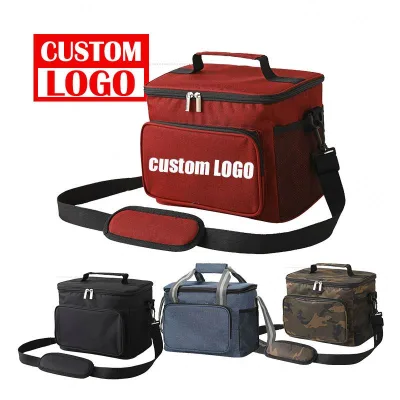
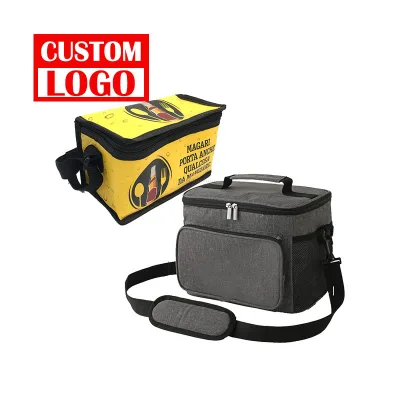


Custom Large Capacity Cooler Bag Made of Polyester for Outdoor Camping.
$3.00 - $4.00
MOQ: 1000 Pieces

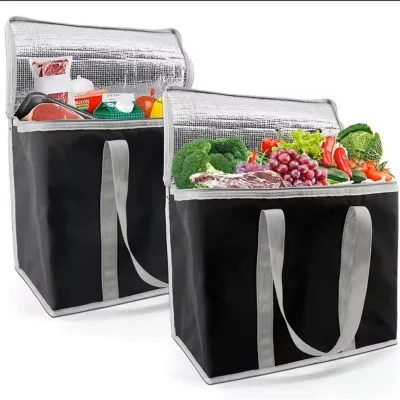
Factory Customized Waterproof Cooler Bag with Pocket Insulated Thermal Bag
$9.68 - $11.00
MOQ: 500 Pieces

Comprehensive Sourcing Guide
Collapsible Polyester Cooler Bag Sourcing Guide
Procuring collapsible polyester cooler bags requires a strategic balance between material durability, thermal performance, and logistical flexibility. These bags are designed for portable temperature control, leveraging lightweight fabrics to maintain cold retention for specific durations while remaining compact when not in use. Buyers must prioritize suppliers who demonstrate consistent quality in stitching and zipper mechanisms, as these are critical failure points in insulated gear. The market offers various configurations, from single-can carriers to larger multi-person units, each serving distinct commercial and consumer needs.
The sourcing process involves evaluating multiple product attributes, including capacity, closure types, and customization options. Observed listings indicate a wide range of capacities, from 15 to 30 liters, catering to different group sizes and usage scenarios. Buyers should verify the specific insulation materials and outer fabric compositions to ensure they meet their brand’s quality standards. Additionally, understanding the customization capabilities, such as logo printing and color variations, is essential for brands looking to create promotional items or private-label products that stand out in competitive markets.
Product Scope and Observed Listing Signals
The current market landscape for collapsible polyester cooler bags reveals a diverse array of product types, ranging from simple shoulder bags to more complex handled designs. Listings frequently highlight features such as water resistance, eco-friendliness, and leak-proof construction, which are critical for consumer satisfaction. Buyers should note that while many products claim to be waterproof, the actual performance can vary based on the specific fabric treatment and seam sealing processes used by the manufacturer. Understanding these nuances helps in selecting products that align with specific usage environments, such as beach outings or outdoor picnics.
Observed data indicates that products are often marketed with specific use cases in mind, including food storage, wine cooling, and general beverage preservation. The presence of features like large capacity and thermal insulation suggests a focus on practicality and convenience. Buyers should pay attention to the stated cold retention times, which typically range from four to six hours, as this metric is a key selling point for consumers. Additionally, the availability of customized patterns and logos allows brands to tailor products to their specific marketing strategies, enhancing brand visibility and customer engagement.
Technical Specifications to Verify
When evaluating technical specifications, buyers must focus on the material composition and structural integrity of the cooler bags. Polyester and Oxford fabrics are commonly used for their durability and resistance to wear, while cotton linings may be employed for interior comfort. It is crucial to verify the thickness and density of the insulation layer, as this directly impacts thermal performance. Buyers should request samples to assess the softness and hardness of the materials, ensuring they meet the desired tactile experience and functional requirements for their target market.
Closure mechanisms, such as zippers and hook-and-loop fasteners, play a significant role in the bag’s usability and longevity. Buyers should inspect the quality of these components to ensure they operate smoothly and remain secure during transport. Additionally, the bearing capacity of the bags, which can range from over ten kilograms to lighter loads, must be verified to prevent structural failures. Understanding the single package dimensions and gross weight is also essential for optimizing shipping costs and storage efficiency, particularly for bulk orders destined for international markets.
Compliance and Safety Documentation
Compliance with safety and environmental standards is paramount when sourcing cooler bags, especially those intended for food contact. Buyers should ensure that suppliers provide documentation confirming the materials are free from harmful substances and meet relevant food safety regulations. This includes verifying that the inner linings, such as cotton or other fabrics, are treated with non-toxic coatings that do not leach chemicals into stored items. Requesting test reports from accredited laboratories can provide assurance that the products meet these critical safety benchmarks.
Environmental considerations are increasingly important in the procurement process, with many buyers seeking eco-friendly and recyclable materials. Buyers should inquire about the sustainability credentials of the suppliers, including their use of recycled polyester or other sustainable practices. Documentation regarding the recyclability of the packaging materials, such as PP bags or OPP bags, should also be reviewed. Ensuring that the products align with environmental goals can enhance brand reputation and appeal to environmentally conscious consumers, providing a competitive advantage in the market.
Cost Drivers and Commercial Terms
Several factors influence the cost of collapsible polyester cooler bags, including material quality, customization complexity, and order volume. Buyers should analyze the price ranges observed in the market, which can vary significantly based on these variables. Higher-quality materials and intricate customization options, such as detailed logo printing or unique color combinations, typically command higher prices. Understanding these cost drivers helps buyers make informed decisions about budget allocation and product positioning within their target market segments.
Commercial terms, such as minimum order quantities (MOQ) and payment conditions, also play a crucial role in the sourcing strategy. Buyers should negotiate terms that align with their inventory management capabilities and cash flow requirements. Flexibility in MOQs can be particularly beneficial for smaller brands or those testing new product lines. Additionally, understanding the lead times and shipping options is essential for planning supply chain logistics and ensuring timely delivery to customers, thereby maintaining service levels and customer satisfaction.
Supplier Qualification and Quality Control
Supplier qualification is a critical step in ensuring the reliability and consistency of the sourced products. Buyers should conduct thorough due diligence on potential suppliers, assessing their production capabilities, quality control processes, and track record. This includes verifying their certifications, factory conditions, and ability to meet specific customization requirements. Engaging with suppliers who have a proven history of delivering high-quality products reduces the risk of defects and ensures a smoother procurement process.
Quality control measures should be implemented throughout the production process to maintain product standards. Buyers should establish clear quality criteria and conduct regular inspections, either in-house or through third-party agencies, to verify compliance. This includes checking for defects in stitching, zipper functionality, and material consistency. Implementing a robust quality control system helps identify and address issues early, minimizing the risk of receiving substandard products and protecting the brand’s reputation in the market.
Long-Term Procurement Checks
Long-term procurement success depends on continuous monitoring and evaluation of supplier performance and product quality. Buyers should establish key performance indicators (KPIs) to track metrics such as on-time delivery, defect rates, and customer feedback. Regular reviews of these metrics help identify areas for improvement and ensure that suppliers remain aligned with the buyer’s expectations. Building strong relationships with suppliers based on transparency and mutual benefit fosters collaboration and drives continuous improvement in product quality and service.
Adapting to market trends and consumer preferences is essential for maintaining a competitive edge. Buyers should stay informed about emerging materials, design innovations, and sustainability practices in the cooler bag industry. Regularly updating product specifications and sourcing strategies based on these insights ensures that the offerings remain relevant and appealing to customers. By proactively addressing changes in the market and consumer demands, buyers can sustain long-term growth and profitability in the dynamic landscape of portable cooling solutions.
FAQs
What materials are used for the Collapsible Polyester Cooler Bag?
The bags are constructed from Oxford and Polyester materials with cotton inside lining. This combination ensures durability while maintaining a soft texture for easy carrying. The design supports large capacity storage for food and drinks during outdoor activities.
How long can the insulated bag keep items cold?
The insulated bag maintains cold temperatures for approximately four to six hours. This thermal performance is achieved through specialized lining that preserves heat or cold effectively. It is suitable for picnics, beach trips, and daily lunch storage needs.
Can I customize the logo on the cooler bag?
Yes, customization is available for adding your own logo to the product. The pattern type is fully customized to meet specific branding requirements. This feature makes the bags ideal for promotional gifts and corporate events.
What is the weight capacity of the insulated bag?
The bearing capacity ranges from greater than ten kilograms down to three to ten kilograms depending on the model. Some variants support weights up to fifteen kilograms. This ensures the bag remains sturdy when carrying heavy food items or beverages.
Which closure types are available for the cooler bag?
The bags feature Zipper and Hook & Loop closure types for secure sealing. These mechanisms ensure the contents remain leak-proof and protected from external elements. The design also includes handles and shoulder straps for convenient transport.
What is the origin location of the cooler bag manufacturer?
The products originate from Hubei, China, where manufacturing facilities are located. This region is known for producing high-quality textile goods with competitive pricing. Buyers can expect consistent quality standards across all shipped units.
How much does the single package size measure?
The single package size measures 10 by 10 by 2 centimeters when folded. This compact dimension allows for easy storage and portability before use. The foldable design makes it convenient to carry in luggage or backpacks.