Source Collapsible Plastic Ball Pit and Slide Set for Malls, Schools, and Play Centers
Explore 30 listings of the Collapsible Plastic Ball Pit and Slide Set designed for shopping malls, schools, and business centers. Buyers can compare custom sizes, structural details, and warranty terms from verified Chinese manufacturers.
Key considerations
Products List
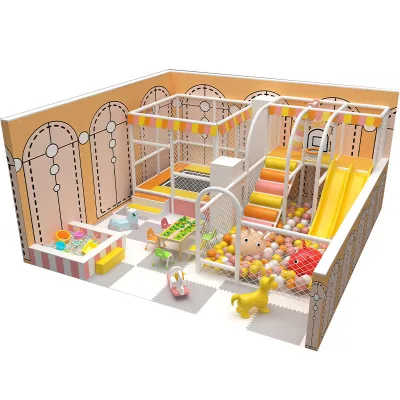


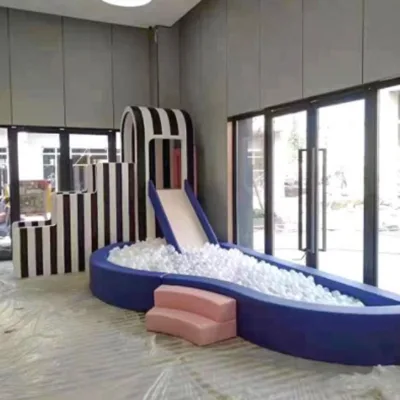
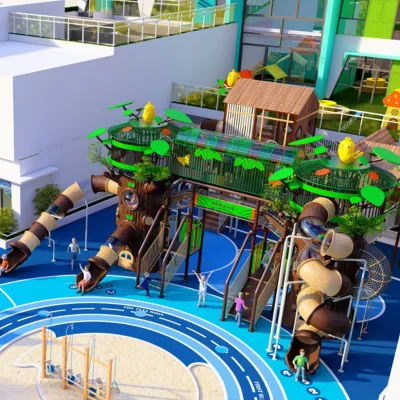
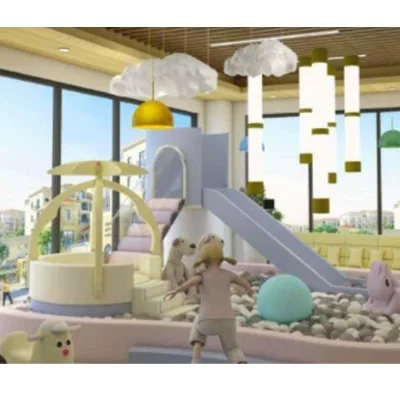
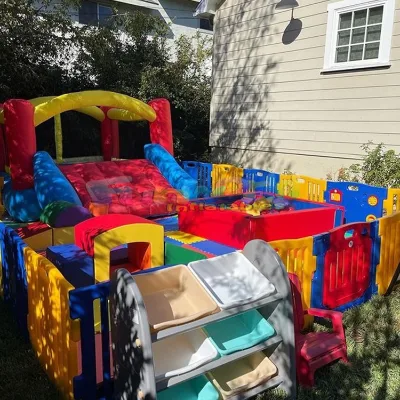
Wholesale Play Ball Pit with Slide Kids Indoor Playground Soft Play Set
$90.00 - $300.00
MOQ: 10 Square Meters




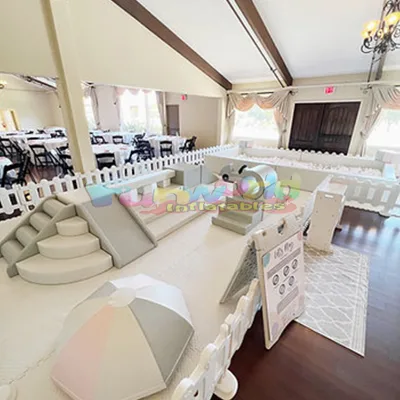
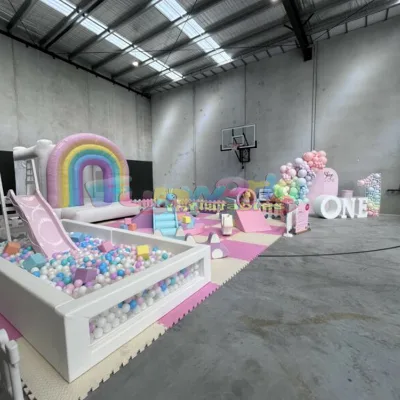
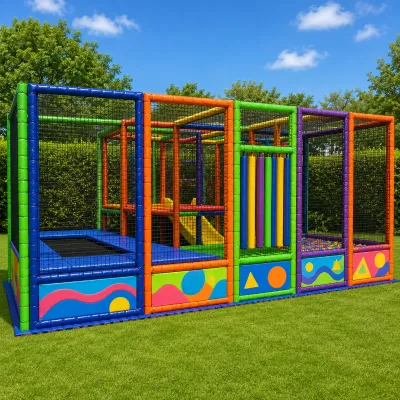
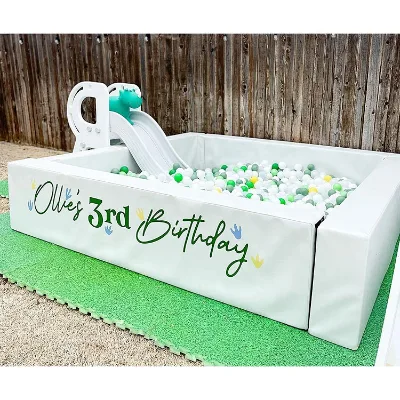
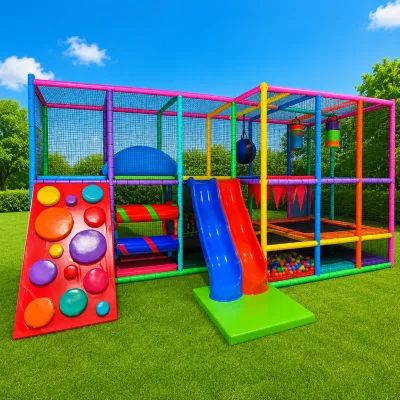
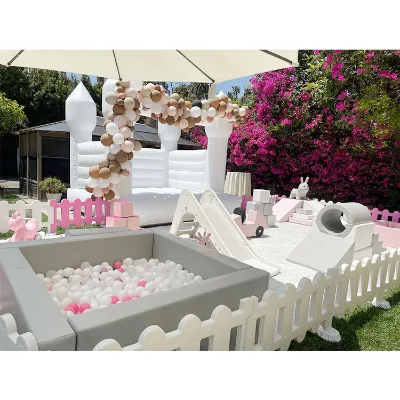


Comprehensive Sourcing Guide
Sourcing Guide for Collapsible Plastic Ball Pit and Slide Sets
The global market for indoor playground equipment has expanded significantly, driven by the demand for safe, engaging, and modular play environments in commercial and institutional settings. When sourcing a Collapsible Plastic Ball Pit and Slide Set, buyers must navigate a complex landscape of material specifications, structural integrity requirements, and compliance standards. This guide provides a disciplined approach to evaluating potential suppliers and products, ensuring that the final procurement decision aligns with safety protocols and operational needs. The focus remains on observable product attributes and verified industry standards rather than unverified marketing claims.
Technical Specifications and Material Composition
Understanding the technical architecture of a ball pit and slide set is the first step in the sourcing process. The core components of these systems typically involve a combination of structural steel, plastic surfacing, and soft play materials. Based on observed product data, the structural framework often utilizes galvanized steel pipes with specific dimensions such as 50100mm, 4060mm, and 30*50mm. These dimensions are critical for ensuring the stability of multi-floor structures, which can range from three floors to complex multi-level configurations. The choice of pipe specification directly influences the allowable passenger capacity, with some units designed to accommodate more than 30 individuals simultaneously.
The surface materials are equally vital for safety and durability. The primary construction materials frequently include a blend of sponge, wood, and PVC, or alternatively, high-density plastic and PE netting. For the ball pit component, the "collapsible" nature implies a design that may utilize flexible yet durable plastics, often produced via blow molding technology. This manufacturing process ensures uniform wall thickness and resistance to impact. The plastic components are often coated with a layer of PVC foam or covered with PE netting to prevent pinching and provide a soft touch. The color of these units is typically customizable, allowing operators to match the aesthetic of their specific venue, such as a shopping mall, school, or business center.
When evaluating the "collapsible" aspect, buyers should verify the specific mechanism used. While some systems rely on telescopic frames, others may use modular connections that allow for disassembly. The packaging for these items often involves cotton cloth and bubble film or plastic film to protect the surfaces during transit. It is essential to confirm that the single gross weight and volume data provided by the supplier match the logistical requirements of the destination, as some listings indicate specific volume metrics that must be accounted for in shipping calculations.
Compliance and Certification Verification
Safety compliance is non-negotiable in the playground equipment sector. Buyers must rigorously verify that the products meet international and local safety standards. Observed product listings frequently cite certifications such as ISO9001, CE, GS, and ISO TUV. These certifications indicate that the manufacturer has undergone quality management audits and that the product design adheres to specific safety protocols regarding structural loads and material toxicity.
The CE marking, in particular, is a crucial indicator for products intended for the European market, signifying conformity with health, safety, and environmental protection standards. Similarly, the GS mark (Geprüfte Sicherheit) represents a German safety certification that is highly regarded globally. When sourcing, procurement teams should request current, valid certificates from the supplier and cross-reference them with the issuing bodies. It is important to note that certifications are product-specific; a certificate for a slide may not automatically cover the ball pit component if they are sold as separate modules.
Furthermore, buyers should check for compliance with local building codes and fire safety regulations. The materials used, such as the PVC foam and PE netting, must be fire-retardant to prevent the spread of flames in crowded indoor environments. The allowable passenger capacity listed in the specifications, often exceeding 30 people, must be validated against the structural integrity of the steel pipe framework. Buyers should not rely solely on the supplier's stated capacity but should ensure that the design has been tested by a recognized third-party laboratory.
Cost Drivers and Pricing Structures
The pricing of collapsible plastic ball pit and slide sets is influenced by several key factors, including the complexity of the design, the quality of materials, and the level of customization. The observed price range for such equipment can vary significantly, from approximately $20.36 to $5,000, depending on the scale and features. Lower-priced units may be smaller, single-floor structures with basic plastic components, while higher-priced units often feature multi-floor designs, advanced interactive elements like projection ball smashing games, and custom branding.
The Minimum Order Quantity (MOQ) is another critical cost driver. Suppliers may set MOQs as low as one unit or as high as 20 square meters, depending on the customization level. Customization, such as specific colors, logos, or unique structural configurations, typically increases the unit cost and may extend the lead time. Buyers should also consider the "single item" selling unit structure, which implies that the price quoted is for a complete set rather than individual components.
Shipping and logistics costs can significantly impact the total landed cost. The packaging method, which often includes cotton cloth and bubble film, adds weight and volume to the shipment. Buyers should calculate the total shipping cost based on the single volume and gross weight provided by the supplier. Additionally, the "service life" of the equipment, often estimated at 8-10 years, should be factored into the cost-benefit analysis. A higher initial investment in a durable, high-quality system may result in lower long-term replacement costs compared to a cheaper, less durable alternative.
Typical Applications and Operational Context
Collapsible plastic ball pit and slide sets are versatile and suitable for a wide range of applications. The primary target venues include shopping malls, supermarkets, schools, business centers, and amusement parks. The "Occasion" attribute highlights the adaptability of these systems to different environments. In a shopping mall, the equipment serves as an entertainment anchor that draws foot traffic and keeps families engaged for extended periods. In schools and educational centers, these sets provide a safe space for physical activity and social interaction.
The "Entertainment Projects" associated with these sets often include ocean ball pools, slides, sand pools, and simulated towns. Some advanced configurations may incorporate projection ball smashing games, adding a digital interactive layer to the physical play experience. The "Structure" of the equipment, whether it is a three-floor or multi-floor design, determines the spatial requirements and the number of children that can be accommodated simultaneously.
Buyers must consider the "Age Range" when selecting a specific model. The observed data indicates an age range of 3 to 12 or 3 to 15 years. This range suggests that the equipment is designed for older children who have developed sufficient motor skills to navigate slides and climb structures safely. For younger children, additional safety measures or specific low-height modules may be required. The "Condition" of the equipment is typically listed as "New," but buyers should verify the warranty period, which is often one year, to ensure protection against manufacturing defects.
Supplier Evaluation and Production Capacity
Evaluating a supplier requires a deep dive into their production capabilities and track record. The "Place of Origin" for many of these products is Zhejiang, China, or Guangzhou, Guangdong, China. These regions are known for their manufacturing clusters in the playground equipment sector. Buyers should assess the supplier's annual production capacity, which can range from 300 sets per year to higher volumes depending on the factory size.
The "Productive Technology" used, such as blow molding, is a key indicator of the supplier's technical capability. Suppliers utilizing advanced molding techniques are more likely to produce consistent, high-quality plastic components. The "Customization" availability is another critical factor; suppliers that offer flexible customization options can better meet the unique needs of different clients. However, buyers should be cautious of suppliers who claim extensive customization without providing a clear process or timeline.
When evaluating suppliers, it is essential to verify their "Brand Name" and reputation. While some suppliers may use generic names, established brands often have a track record of reliability. Buyers should request references from previous clients and ask for case studies of similar projects. The "Warranty" period, typically one year, should be clearly defined in the contract, including what is covered and what is excluded. Additionally, the "Packing" method should be reviewed to ensure that the equipment arrives in pristine condition, ready for installation.
Quality Control and Long-Term Procurement Considerations
Quality control is paramount in the procurement of playground equipment. Buyers should implement a rigorous inspection process that includes pre-shipment inspections and post-installation checks. The "Certificate" and "Standard" attributes, such as ISO9001 and CE, should be verified against the actual product. Inspections should focus on the structural integrity of the steel pipes, the durability of the plastic components, and the safety of the netting and foam materials.
Long-term procurement considerations involve the "Service Life" of the equipment and the availability of spare parts. A service life of 8-10 years is a reasonable expectation for high-quality equipment, but this depends heavily on maintenance and usage patterns. Buyers should establish a maintenance schedule that includes regular inspections of the structural connections, the condition of the plastic surfaces, and the integrity of the netting.
The "Allowable Passenger" capacity should be monitored to ensure that the equipment is not overloaded. Overloading can lead to premature wear and potential safety hazards. Buyers should also consider the "Installation" requirements, which often involve professional CAD instructions. Professional installation is crucial to ensure that the equipment is assembled correctly and safely. The "Single volume" and "Single gross weight" data provided by the supplier should be used to plan the logistics and installation process effectively.
In conclusion, sourcing a Collapsible Plastic Ball Pit and Slide Set requires a comprehensive understanding of technical specifications, compliance standards, cost drivers, and supplier capabilities. By adhering to the guidelines outlined in this guide, buyers can make informed decisions that prioritize safety, durability, and value. The focus should remain on verified facts and observable attributes, ensuring that the final product meets the highest standards of quality and safety for the intended application.
FAQs
What is the minimum order quantity for this equipment?
The minimum order quantity is 20 square meters for customized units. Some listings allow single item purchases, but bulk orders typically require the area threshold to ensure cost-effective production and shipping.
Which certifications are required for safety compliance?
Products must hold ISO9001, CE, GS, and ISO TUV certifications. These marks verify that the steel pipes and plastic materials meet international safety standards for structural loads and material toxicity before installation.
How many floors can the structure support safely?
The structure typically features three floors or multi-floor configurations. The design uses galvanized steel pipes with specific dimensions to support an allowable passenger capacity exceeding 30 people simultaneously without compromising stability.
Can the color and size be customized for my venue?
Yes, both color and size are fully customizable to match your venue aesthetic. This flexibility allows operators to tailor the indoor playground equipment to specific shopping malls, schools, or business centers effectively.
What is the expected service life of the equipment?
The equipment has a service life of 8 to 10 years under normal usage. This durability relies on the quality of the sponge, wood, PVC, and galvanized steel components used in the construction process.
Where are the factories located for this product?
Factories are primarily located in Zhejiang and Guangzhou, Guangdong, China. These regions are established manufacturing hubs known for producing high-volume indoor playground equipment with professional installation instructions.
What materials are used for the ball pit and slide?
Materials include sponge, wood, PVC, high-density plastic, and galvanized steel pipes. The plastic components are often produced via blow molding and covered with PE netting or PVC foam for safety and softness.