Source Collapsible Parabolic Deep Softbox for Studio, Portrait, and Product
Explore 30 listings of Collapsible Parabolic Deep Softbox options from verified Chinese manufacturers. Buyers can compare specifications like diameter, rib count, and mounting types to find the ideal light modifier for professional photography needs.
Key considerations
Products List
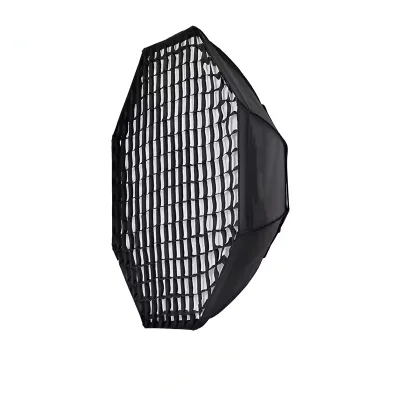
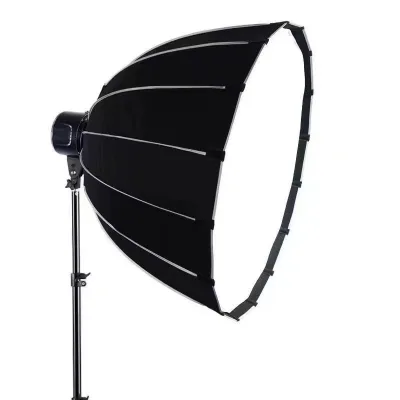
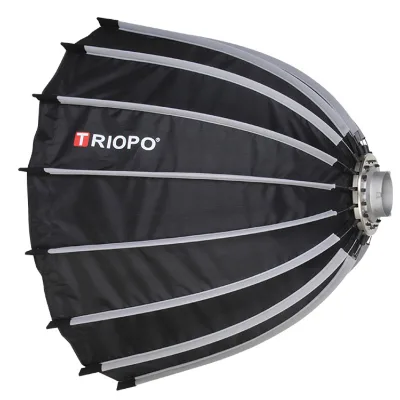
TRIOPO KP90 Quick Assemble Deep Parabolic Softbox for Professional Portrait Photography
$54.67 - $57.92
MOQ: 10 pieces


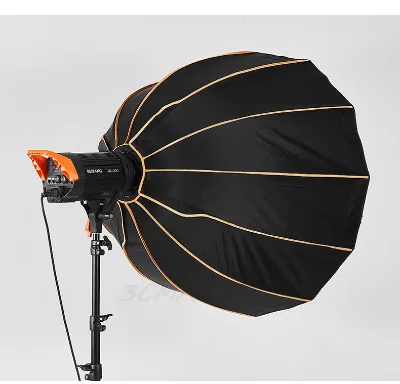
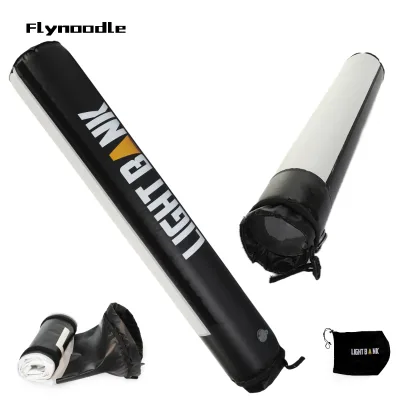
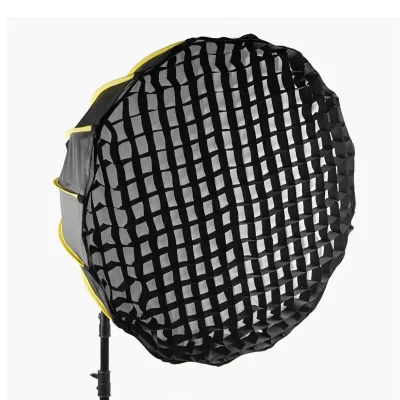
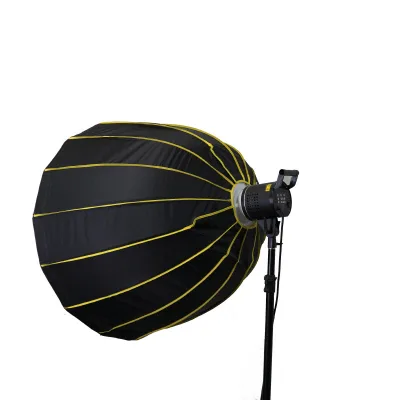
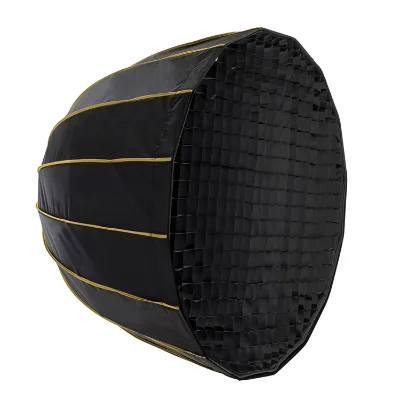
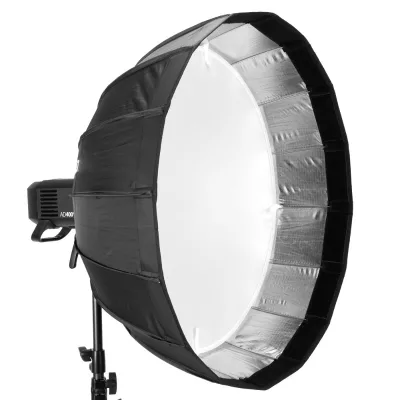
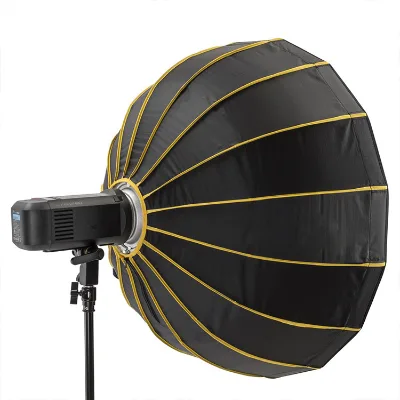
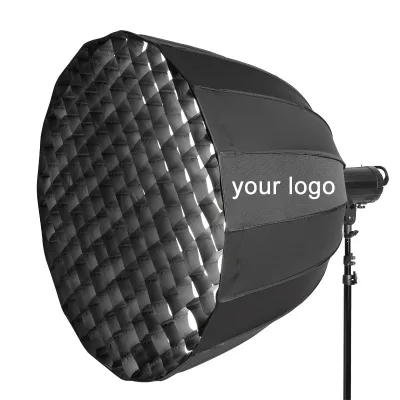

Light Collapsible Portable Soft Hyperbaric Chamber for Outdoor Sports Camp
$5000.00 - $13600.00
MOQ: 1 Pieces


$1.50 - $6.00
MOQ: 2000 Pieces
Comprehensive Sourcing Guide
Strategic Sourcing Guide for Collapsible Parabolic Deep Softboxes
Understanding the Product Category and Technical Architecture
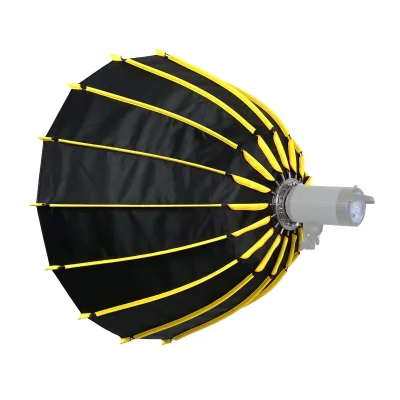
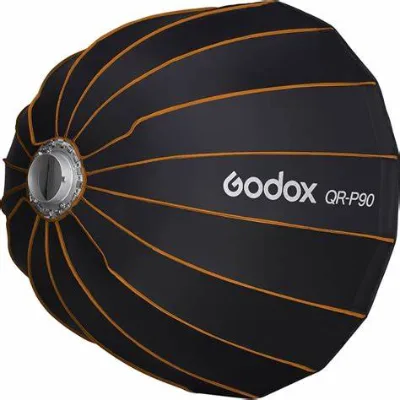
The Collapsible Parabolic Deep Softbox represents a specialized category within professional photography and videography lighting equipment. Unlike standard rectangular softboxes, this equipment utilizes a parabolic reflector geometry to create a highly directional yet soft light source. The core architecture relies on a rigid or semi-rigid frame, typically constructed from metal or aluminum alloys, which supports the structural integrity required for the deep, bowl-like shape. This geometry is essential for maximizing the surface area of the diffusion material relative to the light source, thereby producing a smoother gradient of light with softer shadows.
Based on observed product attributes, the construction materials frequently include a combination of metal ribs and reflective fabrics. The ribs, often numbering around 16 pieces, provide the necessary tension and shape retention for the parabolic curve. The diffusion material is critical; it is often described as reflective fabric or a specialized nylon blend designed to scatter light evenly. Some variations in the market utilize ABS plastic components for mounting interfaces or structural hubs, ensuring compatibility with various flash units. The depth of the softbox is a defining characteristic, with specific observed dimensions indicating a deep profile, such as a depth size of 62cm for a unit with an external diameter of 90cm. This deep configuration is distinct from shallow umbrellas or standard octaboxes, offering superior control over light spill and intensity.
Critical Technical Specifications and Dimensional Analysis
When evaluating potential suppliers, buyers must scrutinize specific dimensional data to ensure the equipment meets the intended application requirements. The diameter of the softbox is a primary specification, with common observed sizes including an external diameter of 90cm and an internal diameter of 85cm. The difference between these measurements accounts for the frame thickness and the structural ribs. The depth, often cited as 62cm in specific models, is a crucial metric for determining the "parabolic" nature of the light. A deeper softbox generally yields a softer, more wrap-around light quality, which is highly desirable for portrait photography and high-end product shoots.
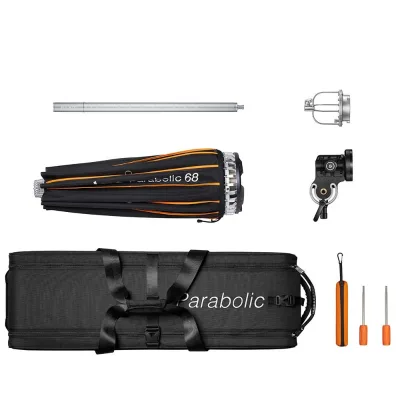
The mounting system is another vital technical specification. Compatibility with standard mounting interfaces, such as the Bowens Mount, is a frequent requirement. This standard allows the softbox to be attached to a wide range of studio strobes and continuous lighting units. The "Quick-Install" feature is also a significant technical differentiator, with some models offering rapid setup versions in sizes like 70cm, 90cm, and 120cm. The structural support system typically involves 16 pieces of rod support, which must be robust enough to maintain the parabolic shape under tension without sagging. The weight of the unit is also a key consideration; observed weights range from lightweight portable versions around 316g to heavier studio-grade units weighing up to 4kg or 6kg depending on the inclusion of accessories like soft cloths and carrying cases.
Compliance, Certification, and Safety Standards
In the B2B procurement of lighting equipment, compliance with safety and quality standards is paramount, particularly given the electrical nature of the light sources these softboxes are designed to house. While specific certification labels were not universally present in the observed product data, buyers must verify that the materials used, such as the reflective fabric and metal ribs, meet fire safety and flammability standards relevant to the destination market. The production origin, frequently cited as Zhejiang or Guangdong in China, indicates a concentration of manufacturing hubs, but it does not automatically guarantee compliance with international standards.
Buyers should request documentation regarding the "prod_standard" or specific manufacturing standards. Observed data includes standard codes such as "7782020" and "782020," which likely refer to packaging or dimensional tolerances rather than safety certifications. However, the presence of a "100% brand new" condition statement and specific model numbers (e.g., KP90, FMLIGHTBANK) suggests a level of traceability. For electrical safety, the softbox itself is a passive accessory, but the interaction with the light source requires that the fabric materials do not degrade or melt under high-intensity heat. Buyers should verify that the reflective fabric is heat-resistant and that the metal components do not have sharp edges that could pose a hazard during assembly. It is essential to confirm that the supplier can provide test reports or compliance certificates for the materials used, especially if the equipment is intended for use in regulated environments or large-scale commercial productions.
Cost Drivers and Pricing Dynamics
The pricing of collapsible parabolic deep softboxes is influenced by several distinct factors, including material quality, brand positioning, and the complexity of the collapsible mechanism. The observed price range in the market is extensive, spanning from $0.15 to $13,600. This wide variance indicates a spectrum of products ranging from basic, single-item units to high-end, professional-grade systems with advanced features. The lower end of the price spectrum likely corresponds to simpler designs with basic metal ribs and standard fabric, while the higher end may include premium materials, specialized quick-install mechanisms, and comprehensive accessory kits.
The Minimum Order Quantity (MOQ) is another significant cost driver. Observed MOQs range from 1 unit to 5,000 units, with a specific high-confidence fact noting an MOQ of 10 pieces for certain models. This flexibility allows buyers to scale their procurement based on their immediate needs. For small retailers or individual photographers, an MOQ of 1 or 10 is critical. For large distributors, the ability to order in bulk up to 5,000 units can significantly reduce the unit cost. The weight of the product, ranging from 316g to 6kg, also impacts shipping costs, which is a hidden cost driver in the total landed cost. Buyers should calculate the shipping cost per unit, considering that heavier units with larger packaging dimensions (such as 21x21x150 cm) will incur higher freight charges. Additionally, the availability of customization options can influence the final price, as bespoke branding or specific dimensional requests often carry a premium.
Supplier Evaluation and Quality Control Protocols
Selecting the right supplier requires a rigorous evaluation process that goes beyond the initial product listing. The supply chain for these products is concentrated in specific regions of China, notably Zhejiang and Guangdong. Buyers should verify the specific factory location and assess the supplier's capacity to maintain consistent quality across large production runs. The presence of a specific brand name, such as TRIOPO, Miaotu, or Flynoodle, can indicate a level of brand identity and quality control, but buyers must be cautious of generic listings that may lack brand consistency.
Quality control should focus on the integrity of the collapsible mechanism. The 16-piece rib structure must be inspected for uniformity and tension. A common failure point in these products is the bending or breaking of ribs during the collapse or extension process. Buyers should request samples to test the durability of the metal ribs and the stitching of the fabric. The "Quick-Install Version" feature should be tested for ease of use and reliability. Furthermore, the packaging, described as a "Carboard Box" in some listings, must be robust enough to protect the softbox during transit, especially given the delicate nature of the ribs and the potential for fabric damage.
Buyers should also evaluate the supplier's responsiveness to customization requests. The availability of customization is a key indicator of a supplier's flexibility and manufacturing capability. Whether it involves custom branding, specific color options, or unique dimensional requirements, the supplier must demonstrate the ability to meet these needs without compromising the structural integrity of the product. The condition of the product, stated as "100% brand new," should be verified through photos of the actual stock and inspection reports.
Typical Applications and Market Positioning
Collapsible parabolic deep softboxes are primarily utilized in professional photography and videography studios where high-quality, controlled lighting is essential. The deep parabolic shape is particularly effective for portrait photography, as it creates a flattering, soft light that minimizes harsh shadows and highlights facial features. The large surface area relative to the subject distance allows for a gradual falloff of light, which is highly sought after in fashion and beauty photography.
In addition to portraits, these softboxes are used in product photography, where the uniform light distribution is necessary to eliminate reflections and showcase product details accurately. The compatibility with the Bowens Mount makes them versatile for use with a wide range of lighting equipment, from high-powered studio strobes to continuous LED panels. The "Air Tube" and "Led Photography Light" variations suggest that these softboxes are also adapted for use with modern, cooler-running LED light sources, which are increasingly popular in video production.
The market positioning of these products varies from entry-level to professional. The "Single item" selling unit suggests that individual photographers or small studios can purchase these products without needing to commit to large bulk orders. However, the existence of high MOQs and customization options indicates that these products are also targeted at large rental houses, production companies, and retail distributors who require consistent quality and branding. The "Light Reflector" classification further broadens their application, suggesting utility in scenarios where light needs to be redirected or modified beyond simple diffusion.
Long-Term Procurement Considerations and Supply Chain Resilience
For buyers planning long-term procurement, several factors must be considered to ensure supply chain resilience and product longevity. The lead time and production capacity of the supplier are critical, especially when dealing with high-volume orders. While specific lead times were not explicitly provided in the data, the range of MOQs suggests that suppliers can accommodate both small and large orders. Buyers should establish clear communication channels to monitor production schedules and ensure timely delivery.
The availability of spare parts, such as replacement ribs or fabric panels, is another long-term consideration. Given the mechanical nature of the collapsible design, wear and tear are inevitable. A supplier that offers after-sales support and spare parts availability will add significant value to the procurement relationship. The "Customization" feature also plays a role in long-term strategy, as it allows buyers to differentiate their product offerings and build brand loyalty.
Finally, buyers should consider the environmental impact and sustainability of the materials used. The use of metal and fabric components suggests a potential for recycling, but the specific composition of the materials should be verified. As global regulations on manufacturing and materials become stricter, ensuring that the supplier adheres to environmental standards will be crucial for maintaining market access. By focusing on these long-term factors, buyers can build a sustainable and reliable supply chain for collapsible parabolic deep softboxes.
Comparative Analysis of Product Attributes
To assist in the decision-making process, the following table summarizes the key attributes observed in the market for collapsible parabolic deep softboxes. This comparison highlights the variability in specifications and helps buyers identify the features most relevant to their specific needs.
| Attribute | Observed Range/Value | Significance for Buyer |
|---|---|---|
| Diameter | External: 90cm; Internal: 85cm | Determines light coverage area and subject distance. |
| Depth | 62cm | Critical for parabolic light quality and softness. |
| Material | Metal, Fabric, ABS, Nylon+Aluminum | Affects durability, weight, and heat resistance. |
| Ribs | 16 pcs | Structural integrity; more ribs often mean better shape retention. |
| Mount | Bowens Mount | Ensures compatibility with standard studio strobes. |
| Weight | 316g to 6.000 kg | Impacts portability and shipping costs. |
| MOQ | 1 to 5,000 (Common: 10) | Determines minimum investment and inventory risk. |
| Origin | Zhejiang, Guangdong, China | Indicates manufacturing hub and potential logistics routes. |
| Customization | Available | Allows for branding and specific product requirements. |
| Condition | 100% Brand New | Ensures product quality and absence of prior use. |
This table serves as a reference for buyers to compare different offerings and make informed decisions based on their specific operational requirements. By carefully analyzing these attributes, buyers can select the most suitable Collapsible Parabolic Deep Softbox for their professional needs.
FAQs
What materials are used for collapsible parabolic deep softboxes?
These softboxes typically use metal ribs and reflective fabric or nylon blends for construction. Some models also incorporate ABS plastic for mounting hubs to ensure compatibility with various flash units while maintaining structural integrity.
Which mounting standard is compatible with these softboxes?
Most units feature a Bowens Mount to ensure compatibility with a wide range of studio strobes and continuous lighting units. This standard allows the softbox to be attached securely to professional lighting equipment without requiring adapters.
How many ribs support the parabolic shape of the softbox?
The structure is commonly supported by 16 pieces of rod support to maintain the parabolic curve. This specific rib count provides the necessary tension and shape retention required for the deep, bowl-like geometry.
Can I find softboxes with a 90cm external diameter?
Yes, specific models are available with an external diameter of 90cm and an internal diameter of 85cm. These dimensions account for the frame thickness and structural ribs to create a deep profile for superior light control.
What is the typical weight range for these lighting accessories?
Observed weights range from lightweight portable versions around 316g to heavier studio-grade units weighing up to 6kg. The weight varies based on the inclusion of accessories like soft cloths and the robustness of the metal frame.
Are customization options available for these softboxes?
Customization is available for buyers seeking specific branding or unique dimensional requirements. Suppliers often allow bespoke requests provided the structural integrity of the collapsible mechanism and fabric materials is not compromised.
Where are these products typically manufactured?
Manufacturing hubs are concentrated in Zhejiang and Guangdong provinces in China. These regions host the production facilities that supply the metal ribs, reflective fabrics, and assembly services for these lighting accessories.