Source Commercial Gym Abdominal Exercise Machine for Home Gymnasium Community
Find and compare 30 commercial gym abdominal exercise machines from verified Chinese manufacturers. These units support strength training and body building for home, gymnasium, and community use with customizable options.
Key considerations
Products List


$358.00 - $398.00
MOQ: 5 Pieces


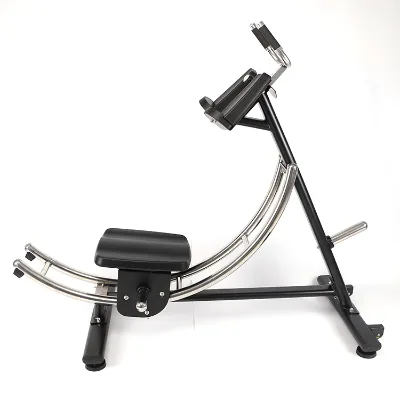
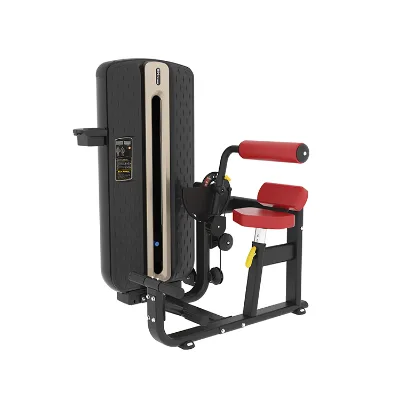


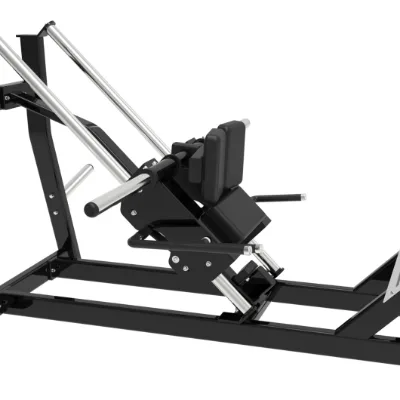


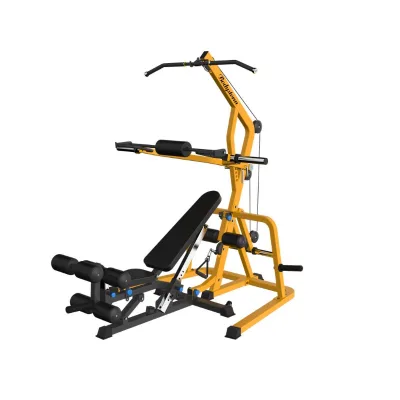
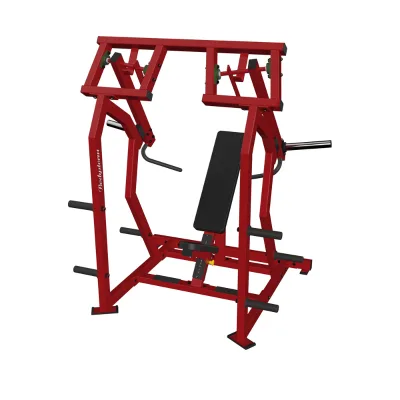
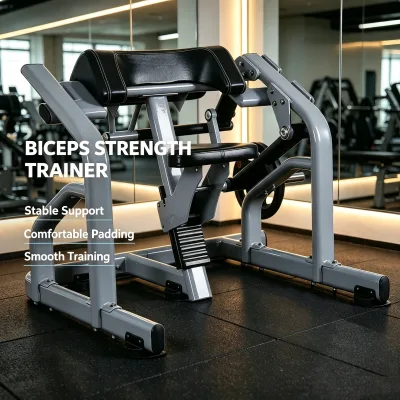
Comprehensive Sourcing Guide
Commercial Gym Abdominal Exercise Machine Sourcing Guide
Sourcing commercial-grade abdominal exercise equipment requires a disciplined approach to balancing structural integrity, user safety, and operational versatility. The market offers a diverse array of integrated trainers and specialized units, ranging from heavy-duty steel frames to compact, multi-functional stations. Buyers must navigate a landscape where product specifications vary significantly by model, with observed listings indicating a wide price spectrum from approximately $99.99 to $1,999.99 USD. This variance often reflects differences in material thickness, weight capacity, and the inclusion of additional functional modules such as chest or leg training attachments. Understanding these distinctions is critical for aligning procurement with specific facility needs, whether for high-traffic commercial gyms, community centers, or specialized training studios.
The procurement process is further complicated by the heterogeneity of supplier claims and product attributes. While many listings highlight features like customization, specific certifications, and global export experience, these attributes are not universal across all available models. For instance, while some units are explicitly marketed with CE and ISO certifications, others may only list CE compliance or lack detailed certification documentation in their primary descriptions. Similarly, power sources are predominantly manual, relying on user-generated resistance, which simplifies maintenance but demands rigorous attention to mechanical durability. Buyers must therefore treat observed attributes as specific to individual SKUs rather than industry-wide standards, verifying each claim against the actual product datasheet before committing to a purchase order.
Product Scope and Observed Listing Signals
The current market for abdominal exercise machines includes a variety of form factors, from integrated gym trainers that combine abdominal work with other muscle group exercises to standalone units designed for specific movements. Observed product models such as the TOP-1022 and HQ-6607 represent different approaches to this category, with the former being an integrated trainer and the latter potentially focusing on specific functional areas. The observed minimum order quantities (MOQ) range from 1 to 5 units, suggesting that suppliers are flexible with small-batch orders, which is advantageous for boutique gyms or testing phases. However, this flexibility should be weighed against potential unit price increases, as bulk purchasing often yields better commercial terms in the fitness equipment sector.
Material composition is a primary differentiator in this product scope, with steel being the dominant material observed in high-quality listings. The weight of these machines varies considerably, with some units weighing as little as 40kg while others, such as the HQ-6607, weigh up to 75kg, and larger integrated systems can exceed 283kg net weight. This weight disparity often correlates with stability and load-bearing capacity, which are crucial for commercial environments where equipment undergoes continuous, high-intensity use. Buyers should note that while some listings mention a maximum load of 0kg, this is likely a data entry error or placeholder, and actual load capacities must be verified through direct supplier communication or detailed technical sheets.
Technical Specifications to Verify
Dimensional accuracy and spatial requirements are paramount when integrating abdominal machines into a commercial floor plan. Observed standard dimensions for various models provide a baseline for planning, with units like the HQ-F1070 measuring 1500890975mm and the HQ-3007 measuring 1640610800mm. These dimensions indicate that footprint varies significantly based on the machine's complexity and the inclusion of additional exercise stations. Buyers must verify whether the listed dimensions refer to the unfolded operational state or the folded storage state, as some products are marketed with folding capabilities to save space. Confirming the exact footprint is essential for ensuring adequate clearance for user movement and safety, preventing overcrowding in busy gym environments.
Mechanical specifications, including machine weight and load limits, directly impact durability and user safety. While some listings provide specific machine weights, such as 65kg for the HQ-F1070 or 40kg for the HQ-6617, others may lack this data entirely. Buyers should prioritize machines with substantial frame weights, as heavier units tend to offer greater stability during intense abdominal exercises, reducing the risk of tipping or excessive vibration. Additionally, the power source is consistently listed as manual, meaning the equipment relies on user effort and gravity or resistance mechanisms rather than electric motors. This simplifies electrical safety requirements but places a higher demand on the mechanical integrity of moving parts, such as pulleys, cables, and pivot points, which must be inspected for wear and tear resistance.
Compliance and Safety Documentation
Certification status is a critical factor in determining the legal and safety compliance of imported fitness equipment. Many observed listings highlight CE certification, often accompanied by ISO standards, which indicates adherence to European health, safety, and environmental protection standards. For example, models like the TOP-1022 and HQ-6607 are associated with CE and ISO certifications, providing a baseline assurance of manufacturing quality. However, buyers must verify the specific scope of these certifications, as they may cover different aspects of the product, such as electrical safety, mechanical integrity, or material composition. Relying solely on the presence of a CE mark without verifying the accompanying test reports or certificate numbers can expose buyers to regulatory risks, particularly in markets with strict import controls.
RoHS compliance is another important consideration, particularly for equipment containing electronic components or specific materials. Some listings mention RoHS certification alongside CE, indicating that the product meets restrictions on hazardous substances. This is less relevant for purely manual steel structures but becomes critical if the machine includes digital displays, resistance motors, or specific coatings. Buyers should request copies of the actual certification documents rather than accepting marketing claims. Furthermore, while ISO9001 is mentioned in background knowledge as a quality management standard, its presence on a specific product listing should be confirmed, as it reflects the manufacturer's process control rather than the product's inherent safety. Ensuring that the supplier holds valid, up-to-date certifications is a non-negotiable step in mitigating liability and ensuring user safety.
Cost Drivers and Commercial Terms
Pricing in the commercial gym equipment sector is influenced by a complex interplay of material costs, manufacturing complexity, and commercial terms. The observed price range of $99.99 to $1,999.99 USD reflects this variability, with lower-priced items likely being simpler, lighter units or entry-level models, while higher-priced items represent robust, multi-functional integrated trainers. Buyers should analyze the cost per kilogram of steel or the cost per functional module to understand the value proposition of each quote. It is essential to distinguish between the base machine price and additional costs for customization, such as logo printing or color matching, which are frequently offered as available options but may incur extra fees.
Commercial terms, including delivery times and payment structures, significantly impact the total cost of ownership. Observed lead times, such as "within 25 days after receiving deposit," provide a benchmark for supply chain planning, but buyers must confirm whether this timeline includes manufacturing, quality control, and shipping. The port of loading, often cited as Tianjin for Chinese suppliers, affects transit times and freight costs, which can vary based on the buyer's location and the chosen shipping method. Additionally, the type of packaging, whether carton or wooden box, influences protection during transit and potential damage risks. Buyers should negotiate clear terms regarding who bears the risk of loss during shipping and ensure that the quoted price includes all necessary documentation for customs clearance, including commercial invoices and packing lists.
Supplier Qualification and Quality Control
Supplier qualification extends beyond product specifications to include the manufacturer's operational capabilities and export experience. Many observed listings highlight a global export market presence and factory-direct pricing, suggesting a direct relationship with the manufacturer rather than a trading company. This can offer advantages in terms of price transparency and technical support, but it requires verification of the supplier's actual production capacity and quality control processes. Buyers should inquire about the supplier's history with similar commercial clients and request references or case studies to validate their claims of "factory price" and "customized logo" capabilities. Understanding the supplier's origin, such as Shandong, China, can also provide context for their supply chain efficiency and material sourcing advantages.
Quality control measures must be rigorously defined before production begins. Buyers should specify acceptance criteria for materials, such as steel grade and thickness, and finish quality, including paint durability and weld integrity. Since customization is available, including logo placement and color, detailed technical drawings or mock-ups should be approved in writing before manufacturing starts. It is advisable to request pre-shipment inspection reports or to arrange for third-party inspections, particularly for large orders. Given the heavy nature of some units, verifying the structural integrity of welds and the smooth operation of moving parts is essential. Buyers should also confirm the supplier's after-sales support policy, including the availability of spare parts and technical assistance, to ensure long-term operational reliability.
Long-Term Procurement Checks
Long-term procurement success depends on establishing a sustainable supply chain that can adapt to changing market demands and maintenance requirements. Buyers should monitor the supplier's ability to provide consistent quality across multiple orders, as variations in manufacturing batches can lead to inconsistent user experiences in the gym. Regular communication regarding product updates, new models, or improvements in design can help keep the facility's equipment offering competitive. Additionally, tracking the performance of the initial batch of machines in terms of durability and user feedback can inform future purchasing decisions, allowing for data-driven adjustments to specifications or supplier selection.
Maintenance and lifecycle management are critical considerations for commercial equipment. Buyers should ensure that the supplier provides comprehensive maintenance manuals and training for facility staff, covering routine checks, lubrication, and part replacement. Given the high usage rates in commercial settings, having a reliable source for replacement parts, such as cables, pads, and bearings, is essential to minimize downtime. Buyers should also consider the end-of-life disposal or recycling options for the equipment, particularly regarding the steel components and any electronic parts. Establishing a long-term partnership with a supplier who prioritizes product longevity and support can reduce total cost of ownership and enhance the reputation of the fitness facility.
FAQs
What certifications do these commercial gym abdominal exercise machines have?
These machines carry CE and ISO certifications to ensure safety and quality compliance. Some models also include RoHS certification for environmental standards. Buyers should verify specific certification documents for each product model before finalizing orders.
Can I request a customized logo on the Commercial Gym Abdominal Exercise Machine?
Yes, customized logos are available for these commercial gym abdominal exercise machines. Buyers can provide their own branding for the product surface. This customization option allows for unique identification while maintaining the standard steel construction and functional design.
What is the typical delivery time for these commercial gym abdominal exercise machines?
The delivery time is within 25 days after receiving the deposit. This timeline applies to standard orders from the Shandong, China origin. Buyers should confirm specific lead times based on current production schedules and order volume requirements.
Which specifications are available for the Commercial Gym Abdominal Exercise Machine models?
Available specifications include dimensions like 940*1620*1640mm and 1500*890*975mm depending on the model. Models vary in weight from 40kg to 310kg gross weight. Buyers can select from integrated gym trainer designs tailored for strength training and body building.
How much is the minimum order quantity for these commercial gym abdominal exercise machines?
The minimum order quantity ranges from 1 to 5 units for these commercial gym abdominal exercise machines. This flexible MOQ allows buyers to start with smaller batches. Pricing varies significantly based on the specific model and customization options selected.
What material is used to construct these commercial gym abdominal exercise machines?
These commercial gym abdominal exercise machines are constructed primarily from steel. This material ensures durability and stability for heavy-duty use in home or gymnasium settings. The steel frame supports various exercise parts including arms, legs, and abdominal training.