Source Cosmetic Packing Essential Oil Bottle for Perfume and Cosmetics
Find 30 Cosmetic Packing Essential Oil Bottle options in glass and PE materials. Compare capacities from 5ml to 100ml, custom logos, and bulk pricing for perfume, essential oils, and cosmetic packaging needs; compare the available evidence and request quotations based on your requirements.
Key considerations
Products List


Glass Foundation Bottle, Skincare Bottle, Essential Oil Bottle, Dropper Bottle
$0.05 - $0.15
MOQ: 10000 Pieces


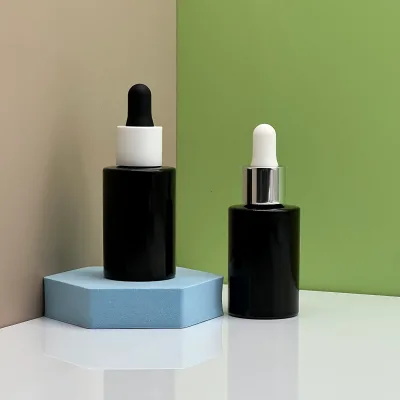


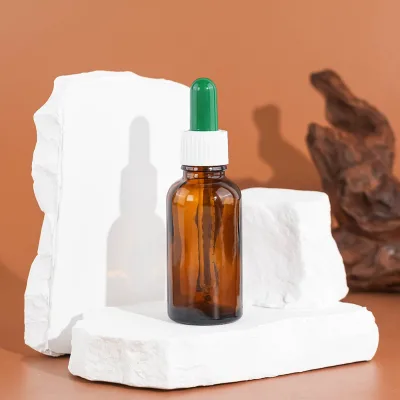


Custom Color 30ml Cosmetic Dropper Essential Oil Bottle for Personal Care
$0.05 - $0.12
MOQ: 10000 Pieces


Comprehensive Sourcing Guide
Cosmetic Packing Essential Oil Bottle Sourcing Guide
Procurement professionals must first distinguish between glass and plastic variants when sourcing cosmetic packaging for essential oils, as material choice dictates both product integrity and regulatory compliance. The observed market data indicates a clear split between glass bottles designed for premium essential oil presentation and polyethylene or PET plastic options suitable for broader cosmetic applications. Buyers should verify the specific material composition against their product's chemical compatibility requirements, noting that glass is frequently cited for essential oil usage while plastic variants often support general cosmetic packaging needs.
Commercial listings reveal a wide capacity range from 5ml to 500ml, requiring precise alignment with the buyer's final product volume to avoid packaging mismatches. The observed standard sizes include 10ml, 30ml, 50ml, and 100ml configurations, with some suppliers offering custom volume specifications up to 100ml or higher. Sourcing teams must confirm whether the supplier can accommodate specific volume requirements like 51-100ml or 100ml-500ml ranges, as this directly impacts the feasibility of the packaging design and the subsequent filling line operations.
Product Scope and Observed Listing Signals
Buyers should analyze the observed listing signals to understand the diversity of available sprayer mechanisms and bottle styles within the essential oil sector. The market data highlights the prevalence of push sprayers with liquid column shapes, alongside traditional glass bottles that may utilize external thread connections for cap attachment. These technical attributes suggest a market segment focused on both direct spray applications for cosmetics and dropper-style or screw-cap solutions for pure essential oils, necessitating a clear definition of the intended dispensing method before engaging suppliers.
The customization landscape for these products is extensive, with suppliers offering options for logo printing via silk printing, hot stamping, or label sticking, as well as customized cap colors and surface processes like chrome finishes. However, the observed data also notes that some listings specify "Normal Packing" or "Carton" packaging, while others mention specific delivery timelines such as seven days for stock items. Procurement teams must verify if the desired customization level aligns with the supplier's standard capabilities, as high-volume custom orders may require significantly longer lead times than stock availability suggests.
Technical Specifications to Verify
Technical verification must begin with the bottle model numbers and standard capacity ranges to ensure compatibility with existing filling machinery and logistics constraints. The observed product models, such as BR1007, BR1112, and G030, correspond to specific capacity standards ranging from 10ml to 100ml, with some listings explicitly defining 30ml or 50ml as standard units. Buyers should cross-reference these model numbers with their internal specifications to confirm that the physical dimensions and thread types match their equipment, preventing costly production delays or packaging failures during the filling process.
Material properties and manufacturing techniques are equally critical, with observed listings specifying blow molding for plastic components and glass or silica gel for bottle bodies. The presence of "Original Material" claims and specific surface processes like chrome plating requires rigorous validation to ensure the packaging meets durability and aesthetic standards. Procurement teams must confirm that the selected material, whether PE, PET, or glass, is suitable for the specific chemical nature of the essential oil or cosmetic product, as incompatible materials can lead to degradation, leakage, or contamination of the final product.
Compliance and Safety Documentation
Compliance verification is essential when sourcing packaging that will contain essential oils or cosmetics, particularly regarding the safety of materials in direct contact with the product. While some listings mention certifications like OHSAS, ISO, or SGS, buyers must treat these as observations rather than guaranteed standards for every listed product. It is imperative to request specific documentation proving that the materials used, such as glass or plastic, meet relevant food-grade or cosmetic-grade safety standards to ensure consumer protection and regulatory adherence in the target market.
Safety documentation should also address the integrity of the packaging during transport and storage, including the reliability of the external thread connections and cap sealing mechanisms. Buyers should verify that the supplier provides evidence of quality control processes that prevent defects like leaks or broken threads, which could compromise the product's shelf life. Additionally, any claims regarding the "Original Material" or specific surface finishes must be backed by test reports or material safety data sheets to confirm that the packaging does not leach harmful substances into the essential oil or cosmetic formulation.
Cost Drivers and Commercial Terms
Cost structures for cosmetic packing essential oil bottles are heavily influenced by material selection, customization complexity, and order volume, with observed MOQs ranging from 500 to 30,000 units. The wide variation in minimum order quantities suggests that smaller buyers may face higher per-unit costs or limited customization options, while larger orders can leverage economies of scale to reduce pricing. Procurement teams must carefully evaluate the trade-off between lower MOQs and higher unit prices against the benefits of bulk purchasing, ensuring that the total cost of ownership aligns with the project budget and inventory strategy.
Lead times and delivery terms are significant cost drivers, with some suppliers offering seven-day delivery for stock items while others require lead times based on order quantity. The observed data indicates that delivery dates can vary significantly depending on whether the order is for standard stock or requires custom manufacturing processes like chrome plating or specific logo printing. Buyers should negotiate clear delivery schedules and penalty clauses for delays, as production bottlenecks or material shortages can disrupt the supply chain and impact the launch timeline of the cosmetic or essential oil product.
Supplier Qualification and Quality Control
Supplier qualification requires a thorough assessment of manufacturing capabilities, specifically focusing on the ability to maintain consistent quality across different material types and customization requests. The observed listings mention various production techniques and surface processes, indicating that suppliers must have robust quality control systems to manage the complexities of glass blowing, plastic molding, and printing applications. Buyers should request samples to verify the physical quality of the bottles, including the precision of the threads, the clarity of the glass, and the durability of the printed logos before committing to large-scale orders.
Quality control protocols must extend beyond the initial sample approval to include ongoing monitoring of production batches to ensure consistency. Suppliers should demonstrate their ability to maintain the "Original Material" quality and adhere to the specified standards for capacity and dimensions across all units produced. Procurement teams should establish clear acceptance criteria for defects and implement a rigorous inspection process, potentially utilizing third-party inspection services, to mitigate the risk of receiving substandard packaging that could damage the brand's reputation or lead to product recalls.
Long-Term Procurement Checks
Long-term procurement success depends on establishing a reliable supply chain that can adapt to changing market demands and volume fluctuations without compromising quality or delivery schedules. Buyers should evaluate the supplier's capacity to scale production up or down based on seasonal demand or new product launches, ensuring that the partnership remains flexible and responsive. The observed data suggests that some suppliers have stock availability for quick turnaround, while others operate on a made-to-order basis, requiring a strategic approach to inventory management and supplier diversification.
Continuous performance monitoring is essential to maintain the integrity of the supply chain and ensure that the supplier continues to meet all technical and compliance requirements over time. Buyers should regularly review supplier performance metrics, including on-time delivery rates, defect rates, and responsiveness to quality issues, to identify any potential risks early. Establishing a long-term relationship with a qualified supplier can provide stability and cost advantages, but it requires ongoing communication and periodic audits to ensure that the supplier's capabilities remain aligned with the buyer's evolving needs and industry standards.
FAQs
What materials are used for cosmetic packing essential oil bottles?
The primary materials include glass and PE plastic. Glass options are available for essential oils, while PE bottles utilize blow moulding techniques. Some listings also mention Pet Plastic and combinations involving silica gel or aluminum for specific cosmetic packaging needs.
Can I customize the logo on these bottles?
Yes, customization is available for branding. Suppliers offer silk printing, hot stamping, and label sticking for logos. The color and cap type can also be customized according to your specific requirements to match your brand identity and product presentation needs.
What is the typical MOQ for these products?
The minimum order quantity varies by supplier and product type. Observed MOQs range from 500 to 30,000 pieces. Some specific items require an MOQ of 10,000 pieces or sets, so you should verify the exact requirement with the manufacturer before placing an order.
Which certifications do these manufacturers hold?
Manufacturers often hold OHSAS, ISO, and SGS certifications. These standards ensure quality and safety compliance for cosmetic and essential oil packaging. Always request valid certification documents to verify that the supplier meets international quality management and occupational health standards.
How long is the delivery time for orders?
Delivery times depend on stock availability and order quantity. Some suppliers offer a seven-day delivery date when stocks are full. For other orders, the delivery time is calculated according to the specific order quantity, so confirm the lead time with the vendor.
What capacities are available for these bottles?
Available capacities range from 5ml to 100ml and up to 500ml. Common sizes include 10ml, 20ml, 30ml, 50ml, and 100ml. Some PE plastic options are listed for 100ml, 200ml, 320ml, and 500ml, catering to various cosmetic and essential oil volume needs.