Source Commercial Motion Sensor Door Opener for Offices, Hotels, and Malls
Compare 30 Commercial Motion Sensor Door Opener options from verified manufacturers. These power-driven units feature brushless motors, obstacle detection, and customizable packaging for office, hotel, and hospital applications.
Key considerations
Products List
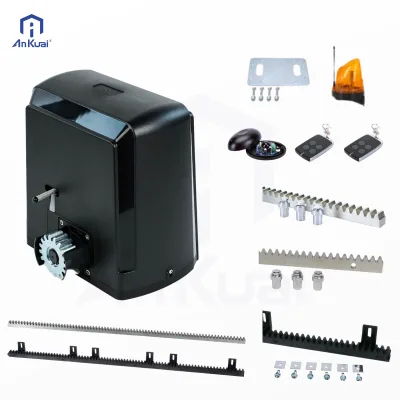


Automatic Side-Mounted Flat Door Opener Electric Door Closer Door Opener
$240.00 - $249.00
MOQ: 1 Sets


$200.00 - $210.00
MOQ: 2 Pieces


Comprehensive Sourcing Guide
Strategic Sourcing Guide for Commercial Motion Sensor Door Openers
Understanding the Technical Landscape of Automated Access Systems
When sourcing commercial motion sensor door openers, buyers must first distinguish between the various actuation mechanisms and power architectures available in the current market. The core functionality of these devices relies on the integration of sensing technology with electromechanical drive systems. In the observed product landscape, the driving type is predominantly electromechanical, utilizing either brushless DC motors or AC-powered systems depending on the specific model architecture. This distinction is critical because the motor type directly influences the longevity, noise profile, and maintenance requirements of the door system. For instance, brushless DC motors are often preferred for their efficiency and reduced wear, whereas AC systems may be selected for specific voltage compatibility needs.
The electrical input requirements vary significantly across different units, presenting a primary decision point for procurement teams. Some units operate on a direct DC 24V supply, which is common in low-voltage safety applications, while others are designed to accept a broad range of AC input voltages, typically spanning from 100V to 240V. This flexibility allows for deployment in diverse electrical environments without the immediate need for external transformers. Furthermore, the power supply specifications for sensor units themselves can range from 12V to 30V AC/DC, requiring careful matching with the building's existing infrastructure. The current consumption is another vital metric; observed data indicates maximum currents around 160mA at 12V AC for sensing modules, which helps in calculating the total load on the building's electrical distribution system.
The physical operation of the door is governed by the opening type and style. The market offers both power-driven opening types and sliding open styles, each suited for different architectural constraints. The sliding mechanism is particularly relevant for commercial spaces where space efficiency is paramount. The opening degree is another technical parameter that must be verified, with some units capable of a maximum opening of 110 degrees, ensuring adequate clearance for high-traffic areas. The speed of operation is equally important for user experience and safety; observed specifications suggest an open speed of approximately 45 degrees per second, with an adjustable opening time ranging from 0 to 20 seconds. This adjustability allows facility managers to fine-tune the door's behavior based on the specific flow of traffic and the needs of individuals with mobility challenges.
Compliance, Certification, and Safety Standards Verification
In the commercial sector, regulatory compliance is not merely a formality but a prerequisite for liability protection and operational safety. Buyers must rigorously verify that the motion sensor door openers meet international safety and environmental standards. The observed product data highlights the presence of CE and RoHS certifications, which are essential for market access in Europe and indicate compliance with health, safety, and environmental protection standards. Additionally, ISO certification is noted, suggesting adherence to quality management systems that ensure consistent manufacturing processes. However, buyers should not assume that every listed product possesses these certifications without explicit verification from the supplier.
Safety features are integral to the design of these systems, particularly regarding obstacle detection and electrical protection. The functional specifications often include overcurrent and overload protection, which safeguard the motor and control board from electrical faults. A critical safety mechanism is the obstacle reverse function, which ensures the door reverses direction immediately upon detecting an obstruction, preventing injury or damage. The protection class is another key metric; observed units may carry an IP21 rating, indicating protection against solid objects larger than 12.5mm and vertically dripping water. For commercial applications in high-moisture environments, buyers should verify if a higher IP rating is available or necessary.
The working temperature range is a crucial compliance factor for equipment deployed in unconditioned spaces or extreme climates. The data indicates a standard operating temperature range of -20°C to +50°C, with some variations extending to +55°C. This range ensures reliable performance in various geographic locations. Buyers must also consider the sensing mode, with active infrared reflection mode being a common technology. This mode relies on the reflection of infrared signals to detect motion, requiring precise calibration to avoid false triggers or missed detections. The response time, observed to be less than 0.3 seconds, is a vital performance metric that ensures the door reacts quickly to human presence, enhancing the overall user experience and security.
Cost Drivers and Pricing Dynamics in the Supply Chain
The pricing of commercial motion sensor door openers is influenced by a complex interplay of factors, including the complexity of the electromechanical system, the quality of materials used, and the level of customization required. The observed price range in the market spans from 9 to 300 USD, reflecting the vast diversity in product capabilities and build quality. Lower-priced units typically represent standard models with basic functionality, while higher-priced units often include advanced features such as Bluetooth debugging capabilities, soft start mechanisms, and dual door linkage systems. The inclusion of specialized sensors and high-efficiency brushless motors also contributes to a higher cost base.
Material composition is a significant driver of cost. The use of aluminum alloy for the structural components provides durability and a premium finish, which is often reflected in the price. The surface finishing process, described as "finished," adds value by ensuring resistance to corrosion and wear, which is essential for high-traffic commercial environments. Additionally, the packaging method, ranging from simple paper packing boxes to carton boxes with foam protection, impacts the logistics cost and the final price. Customized packaging options, while offering better protection and branding opportunities, will inevitably increase the unit cost.
Minimum Order Quantity (MOQ) is another critical factor affecting the total cost of procurement. The observed MOQ range spans from 1 to 100 units, offering flexibility for both small-scale renovations and large-scale commercial projects. Suppliers offering an MOQ of 1 are ideal for testing or small installations, whereas those requiring an MOQ of 100 are better suited for bulk purchasing to achieve economies of scale. The supply ability, characterized by large stock and fast delivery, can also influence pricing. Suppliers with robust inventory management may offer more competitive pricing due to reduced holding costs, while those with custom manufacturing lead times might charge a premium for expedited services.
Typical Applications and Deployment Scenarios
Commercial motion sensor door openers are designed to serve a wide array of applications, ranging from office buildings and hotels to hospitals and shopping malls. The versatility of these systems makes them suitable for environments where hygiene, accessibility, and security are paramount. In office settings, the automatic opening of doors enhances the professional image and facilitates smooth traffic flow. In hospitals, the touchless operation is critical for maintaining a sterile environment and reducing the spread of pathogens. The ability to integrate with security systems further enhances their utility in high-security areas.
The mounting height and sensing range are key considerations for different deployment scenarios. Some units are designed for mounting heights up to 3 meters, making them suitable for high-ceilinged atriums or large commercial entrances. The active infrared reflection mode allows for effective detection in various lighting conditions, ensuring reliable operation in both well-lit corridors and dimly lit storage areas. The dual door linkage function is particularly useful in wide entrances where two doors need to operate in synchronization, providing a seamless passage for users carrying large items or in wheelchairs.
Customization is a significant advantage for buyers with specific architectural requirements. The availability of customization allows for the adaptation of the door opener to fit unique door sizes, weights, and opening styles. This flexibility ensures that the system can be tailored to the specific needs of the facility, whether it involves adjusting the opening speed, modifying the sensing range, or integrating with existing building management systems. The service offerings, including OEM and ODM capabilities, further support the customization process, enabling buyers to create a branded solution that aligns with their corporate identity.
Supplier Evaluation and Manufacturing Capabilities
Selecting the right supplier is a critical step in the procurement process, as it directly impacts the quality, reliability, and support received throughout the product lifecycle. Buyers should prioritize suppliers who identify as original manufacturers with factory-direct sales models. This approach often ensures better pricing, direct communication, and greater control over the manufacturing process. The supply ability, characterized by large stock and fast delivery, is a strong indicator of a supplier's capacity to meet demand without significant delays.
Technical support is another essential criterion for supplier evaluation. The availability of technical support, including assistance with installation, configuration, and troubleshooting, is vital for ensuring the successful deployment of the door openers. Suppliers that offer comprehensive service packages, including OEM and ODM services, demonstrate a commitment to customer satisfaction and long-term partnership. The origin of the products, with manufacturing bases in locations such as Sichuan and Zhejiang in China, provides insight into the regional manufacturing capabilities and logistics networks.
Buyers should also assess the supplier's commitment to quality control and continuous improvement. The presence of certifications like CE, RoHS, and ISO suggests a dedication to maintaining high standards. However, buyers must verify these certifications on a per-shipment basis to ensure consistency. The ability to provide detailed product specifications, including model numbers like AK800DC, H9, HH115, CJ100, and YSD-110, indicates a transparent and organized supply chain. This transparency allows buyers to make informed decisions based on precise technical data rather than vague marketing claims.
Quality Control and Long-Term Procurement Considerations
Ensuring the long-term reliability of commercial motion sensor door openers requires a robust quality control strategy. Buyers should implement a rigorous inspection process that covers both the manufacturing stage and the final product delivery. This includes verifying the structural integrity of the aluminum alloy components, the precision of the electromechanical assembly, and the accuracy of the sensor calibration. The working temperature range and protection class should be tested under simulated environmental conditions to ensure the product can withstand the rigors of daily commercial use.
Maintenance and lifecycle management are also crucial considerations. The soft start and obstacle reverse functions contribute to the longevity of the system by reducing mechanical stress and preventing damage from collisions. Buyers should inquire about the availability of spare parts and the expected lifespan of critical components such as the brushless DC motor and the sensor module. The ability to adjust the opening time and speed allows for ongoing optimization of the system's performance, extending its useful life and adapting to changing usage patterns.
Long-term procurement considerations also involve the scalability of the solution. As commercial facilities expand or undergo renovations, the ability to source additional units that are compatible with existing systems is essential. The standardization of components and the availability of customization options facilitate this scalability. Furthermore, the supplier's ability to provide consistent quality across different batches ensures that the facility maintains a uniform appearance and performance level. By focusing on these long-term factors, buyers can secure a reliable and cost-effective solution that meets their operational needs for years to come.
Comparative Analysis of Key Product Specifications
To facilitate informed decision-making, the following table summarizes the key technical specifications observed across different product models. This comparison highlights the diversity in voltage requirements, dimensions, and functional capabilities, aiding buyers in selecting the most appropriate unit for their specific application.
| Specification | Model AK800DC | Model H9 | Model HH115 | Model CJ100 | Model YSD-110 |
|---|---|---|---|---|---|
| Driving Type | Electromechanical | - | - | - | - |
| Voltage | DC 24V | - | AC 100V-240V | - | 12-30V AC/DC |
| Motor Type | Brushless DC | - | - | - | - |
| Structure | Crank Arm | - | - | - | - |
| Open Style | Sliding | - | - | - | - |
| Output Voltage | - | - | 24V DC (±10%), 3A | - | - |
| Weight | - | - | 4.9kgs | - | - |
| Working Temp | - | - | -20℃~+50℃ | - | -20c~+55ºC |
| Response Time | - | - | - | - | <0.3s |
| Protection | Overcurrent, Overload | - | - | - | - |
| Certification | CE, RoHS, ISO | - | - | - | - |
| Origin | China | - | Sichuan China | - | Zhejiang China |
| Packing | Carton+Foam | Carton Box | Paper Packing Box | - | Customized |
This comparative overview underscores the importance of matching specific technical requirements with the capabilities of the available models. Buyers should carefully review these specifications against their project needs to ensure optimal performance and compatibility. By leveraging this data, procurement teams can navigate the complex landscape of commercial motion sensor door openers with confidence and precision.
FAQs
What certifications do commercial motion sensor door openers have?
These units typically carry CE, RoHS, and ISO certifications for safety and quality compliance. Buyers must verify these marks on specific shipments as not every listed product automatically satisfies all standards without explicit confirmation from the supplier.
Which motor types are used in these door opener systems?
The systems predominantly utilize brushless DC motors for efficiency and longevity. Some models operate on AC power inputs, so the specific motor type depends on the model architecture and voltage requirements of the installation site.
Can these openers be customized for specific door sizes?
Yes, customization is available to adapt the system to unique door sizes and weights. Suppliers offering OEM and ODM services can tailor the opening speed, sensing range, and mounting configurations to meet specific facility needs.
How fast do commercial motion sensor door openers operate?
The open speed is approximately 45 degrees per second with an adjustable opening time between 0 and 20 seconds. This adjustability allows facility managers to fine-tune the door behavior based on traffic flow and safety requirements.
What is the minimum order quantity for these devices?
The minimum order quantity ranges from 1 to 100 units depending on the supplier and product model. Small orders are suitable for testing or single installations, while bulk purchases may achieve better economies of scale.
Where are these commercial door openers manufactured?
Manufacturing origins include locations in Sichuan and Zhejiang, China. Buyers should verify the specific product origin for each order to understand logistics capabilities and regional manufacturing standards.