Source Commercial Non-Stick Waffle Maker for Cafes, Hotels, and Bakeries
Find 30 Commercial Non-Stick Waffle Maker options from verified suppliers. Compare models with electric power sources, varying voltages, and automatic or manual grades for cake, biscuit, and waffle cone production.
Key considerations
Products List


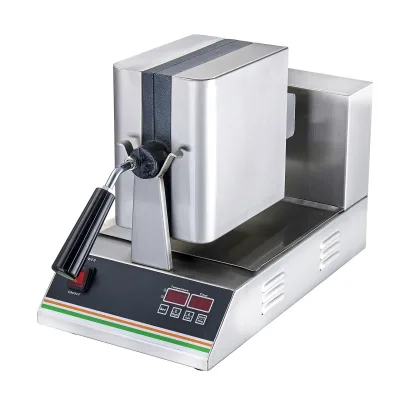


Mini Maker for Individual Waffles with Easy to Clean, Non-Stick Surfaces
$3.40 - $3.47
MOQ: 1000 Pieces


Household Nonstick Surface Easy-to-Clean Small-Sized Breakfast Waffle Maker
$3.90 - $4.26
MOQ: 500 Pieces


Comprehensive Sourcing Guide
Strategic Sourcing Guide for Commercial Non-Stick Waffle Makers
Understanding Technical Specifications and Operational Variability
When sourcing a commercial non-stick waffle maker, buyers must navigate a landscape of diverse technical configurations that directly impact production efficiency and product quality. The market offers units ranging from compact countertop models to large-scale industrial machinery, each defined by specific power requirements, voltage compatibility, and physical dimensions. A critical observation in the current supply base is the variation in power sources; while many units operate on standard electric inputs, the specific voltage requirements can differ significantly. For instance, some commercial models are engineered for 110V or 220V single-phase inputs, while heavy-duty industrial variants may require 380V three-phase power to sustain high-volume output.
The physical footprint of the equipment is another paramount specification. Buyers must align the machine's dimensions with their available floor space. Observed standard dimensions in the market include compact units measuring approximately 375mm in length, 585mm in width, and 265mm in height, suitable for smaller kitchens. In contrast, high-capacity industrial lines can reach dimensions of 1850mm by 1850mm by 1370mm, necessitating significant floor planning and potentially reinforced flooring. The net weight of these units also varies, ranging from lightweight portable models around 0.65kg to robust commercial machines weighing up to 12kg or more. This weight differential often correlates with the housing material; while some units utilize aluminum housing for portability, others employ stainless steel construction to withstand the rigors of continuous commercial use and ensure hygiene compliance.
Power consumption is a key operational cost driver. The wattage of these machines can range from 350W for basic household or light commercial applications to 1.4kW or 1.55kW for more intensive production tasks. Buyers should verify the specific power rating of any unit under consideration to ensure their facility's electrical infrastructure can support the load without requiring expensive upgrades. Furthermore, the presence of a timing device is a crucial differentiator. Some models come equipped with automated timing functions for precise product consistency, while others operate without a timing device, relying on operator judgment or external automation. The automatic grade of the machine, whether manual or fully automatic, further dictates the level of labor required and the potential for integration into a larger production line.
Compliance, Certification, and Material Standards
In the commercial food equipment sector, compliance with international safety and quality standards is non-negotiable. When evaluating potential suppliers, buyers must prioritize certifications that validate the safety and reliability of the equipment. The presence of CE certification is a widely recognized indicator that a product meets European health, safety, and environmental protection standards. This certification is particularly relevant for suppliers originating from China, where a significant portion of global manufacturing is concentrated. Buyers should verify that the CE certification is current and applies specifically to the model being purchased, as certifications can sometimes be generic to a manufacturer rather than specific to a product line.
Material selection is equally critical for ensuring food safety and equipment longevity. The housing and cooking surfaces of commercial waffle makers are typically constructed from stainless steel or aluminum. Stainless steel is often preferred for its durability, resistance to corrosion, and ease of cleaning, which are essential for maintaining hygiene in a commercial environment. The non-stick coating on the waffle plates is a vital feature that prevents product adhesion and facilitates easy release. Buyers should inquire about the specific type of non-stick coating used, as the quality of this coating directly affects the lifespan of the machine and the quality of the final waffle product.
Standardization of dimensions and specifications is another area where verification is necessary. While some products list standard dimensions such as 360mm by 400mm by 180mm or 390mm by 310mm by 230mm, others offer fully customized dimensions to fit specific operational needs. The "Customized" attribute is frequently observed in the market, allowing buyers to tailor the machine's size, capacity, and functionality to their unique requirements. However, customization introduces complexity in the verification process. Buyers must ensure that any custom specifications are clearly documented in the contract and that the supplier has the technical capability to meet these exact requirements without compromising structural integrity or safety.
Cost Drivers and Pricing Dynamics
The pricing of commercial non-stick waffle makers is influenced by a complex interplay of factors, including capacity, material quality, automation level, and customization. The observed price range in the market is extensive, spanning from approximately $3.40 for basic or entry-level units to $200,000 for highly specialized, large-scale industrial systems. This vast disparity underscores the importance of defining clear budget parameters and operational needs before engaging with suppliers. Low-cost units often target the household or light commercial market, featuring lower power ratings, simpler construction, and limited automation. In contrast, high-end commercial machines command premium prices due to their high throughput, advanced temperature control systems, and robust build quality.
Minimum Order Quantity (MOQ) is another significant cost driver. The market exhibits a wide range of MOQs, from as low as 1 unit for sample orders or small businesses to as high as 3000 units for large-scale procurement projects. Buyers with smaller volume requirements may face higher per-unit costs or limited customization options, whereas those placing large orders can often negotiate better pricing and more flexible terms. The MOQ also impacts the logistics and shipping costs, as larger orders may qualify for consolidated shipping rates, while smaller orders might incur higher freight charges per unit.
Customization is a primary factor that can significantly alter the final cost. While many suppliers offer standard models, the ability to customize the machine's dimensions, power source, voltage, and functional features often incurs additional charges. For example, a machine with a specific voltage requirement or a custom dimension to fit a unique kitchen layout will typically cost more than a standard off-the-shelf model. Buyers should request detailed cost breakdowns that separate the base price of the machine from the costs associated with customization, packaging, and certification. This transparency allows for more accurate budgeting and helps avoid unexpected expenses during the procurement process.
Typical Applications and Production Capacity
Commercial non-stick waffle makers serve a variety of applications, ranging from small cafes and bakeries to large-scale industrial food production facilities. The specific application dictates the required capacity and functionality of the machine. For instance, units designed for making waffles, biscuits, and cakes often feature interchangeable plates that allow for quick changes between different product types. The "Waffle Plate" is a standard interchangeable component, but some models may also support plates for making egg rolls or other confectionery items. The versatility of the machine is a key consideration for businesses that offer a diverse menu of baked goods.
Production capacity is a critical metric for commercial buyers. The market includes machines with capacities ranging from 200 to 1600 pieces per hour. Lower-capacity units are suitable for small businesses or those with intermittent demand, while high-capacity machines are essential for operations requiring continuous, high-volume production. The capacity of the machine is often linked to its power rating and the efficiency of its thermal processing system. Machines with advanced temperature control and timing functions can achieve higher throughput while maintaining consistent product quality.
The application of these machines also extends to specific product types. Some units are specifically marketed for making waffle cones, while others are designed for general waffle production. The "Useful" attribute often highlights the machine's capability to make biscuits, cakes, or other related products. Buyers should carefully review the intended use of the machine to ensure it aligns with their production goals. Additionally, the warranty period, typically ranging from one year for standard models, provides a baseline for expected reliability and support. However, the actual lifespan of the machine depends heavily on usage patterns, maintenance practices, and the quality of the non-stick coating.
Supplier Evaluation and Origin Verification
Evaluating suppliers for commercial non-stick waffle makers requires a thorough assessment of their location, manufacturing capabilities, and track record. The majority of the observed supply base originates from China, with specific manufacturing hubs identified in cities like Guangzhou. This geographic concentration can offer benefits in terms of supply chain efficiency and cost competitiveness, but it also necessitates careful due diligence to ensure quality and reliability. Buyers should verify the supplier's location and assess their logistical capabilities, including their ability to handle export packing and coordinate shipping to international destinations.
The "Export Packing" and "Carton Box" attributes are standard indicators of a supplier's attention to packaging and product protection. Proper packaging is essential to prevent damage during transit, especially for delicate components like non-stick plates and electronic controls. Some suppliers may offer "Wooden Case" packaging for larger or more fragile units, which provides an additional layer of protection. Buyers should confirm the packaging specifications in the contract to ensure that the equipment arrives in pristine condition.
Supplier evaluation should also include a review of their customization capabilities. The "Customized" attribute is prevalent in the market, indicating that many suppliers are willing to tailor their products to meet specific buyer requirements. However, buyers must ensure that the supplier has the technical expertise and production capacity to deliver on these customizations. Requesting samples or visiting the manufacturing facility can provide valuable insights into the supplier's quality control processes and production standards. Additionally, verifying the supplier's certification status, such as CE compliance, is essential to ensure that the products meet international safety and quality standards.
Quality Control and Long-Term Procurement Considerations
Implementing a robust quality control (QC) strategy is vital for ensuring the long-term success of a procurement project involving commercial non-stick waffle makers. Buyers should establish clear QC criteria that cover material quality, dimensional accuracy, electrical safety, and functional performance. Regular inspections during the manufacturing process can help identify and address potential issues before the final shipment. For custom orders, it is particularly important to verify that the final product matches the agreed-upon specifications, including dimensions, power ratings, and functional features.
Long-term procurement considerations extend beyond the initial purchase to include maintenance, spare parts availability, and after-sales support. The warranty period, typically one year for standard models, provides a baseline for manufacturer support, but buyers should also inquire about the availability of spare parts, such as non-stick plates and heating elements. The durability of the non-stick coating is a key factor in the machine's lifespan, and buyers should ask about the expected service life of the coating and the availability of replacement plates.
Furthermore, buyers should consider the scalability of their procurement strategy. As business needs evolve, the ability to upgrade or expand the production line may become necessary. Selecting suppliers who offer a range of compatible models and can provide seamless upgrades can help future-proof the investment. Finally, maintaining a strong relationship with the supplier is crucial for ongoing support and troubleshooting. Clear communication channels and a mutual understanding of expectations can help resolve any issues that arise during the operational life of the equipment. By prioritizing quality control and long-term planning, buyers can ensure a reliable and efficient procurement experience that supports their business growth.
FAQs
What certifications do commercial waffle makers have?
Many units carry CE certification to meet European safety standards. This is a key indicator of compliance for equipment originating from China, ensuring the product meets health and environmental protection requirements before export.
Can I find waffle makers with customized dimensions?
Yes, customization is available for many models to fit specific operational needs. Buyers can request tailored dimensions and functional features, though this may affect the final price and lead time compared to standard off-the-shelf units.
What power sources are used for these machines?
The machines primarily use electric power sources with varying voltage options. Common inputs include 110V, 220V, and 380V, allowing selection based on the facility's electrical infrastructure and the specific power requirements of the model.
Which materials are used for the housing?
Housing is typically constructed from stainless steel or aluminum for durability. Stainless steel offers corrosion resistance and hygiene for commercial use, while aluminum is often used in lighter, portable models for household or light commercial applications.
How is the packaging handled for export?
Products are shipped using export packing, carton boxes, or wooden cases depending on size. Proper packaging is essential to protect delicate components like non-stick plates and electronic controls during transit to international destinations.
What is the typical production capacity range?
Production capacity ranges from 200 to 1600 pieces per hour depending on the model. Lower capacity units suit small businesses, while high-capacity machines are designed for continuous, large-scale industrial food production facilities.