Source Commercial Mexican Tortilla Press for restaurants, hotels, and shops
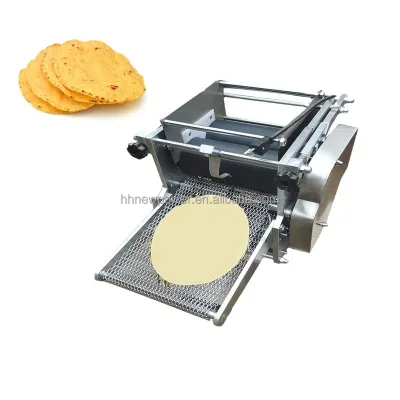
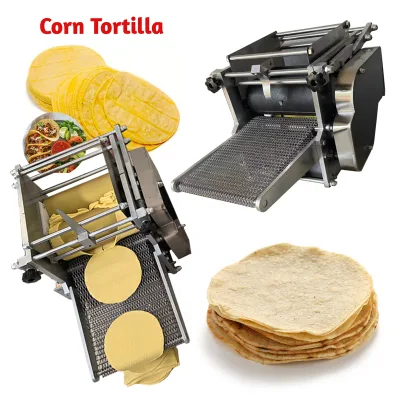
Find 30 Commercial Mexican Tortilla Press units with varying capacities and dimensions. Buyers can compare specifications like voltage, weight, and production speed to select the right machine for restaurant, hotel kitchen, or dumpling shop applications.
Key considerations
Products List
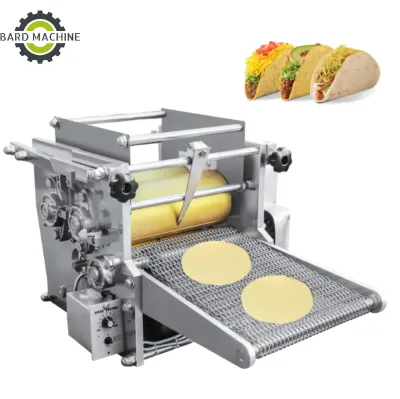
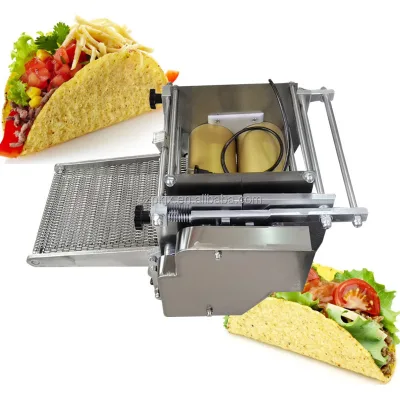
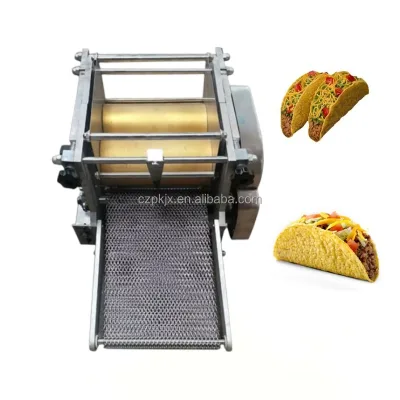


Hydraulic Tortilla Heat Press Machine Mexican Tortilla Forming Equipment
$12356.00 - $213256.00
MOQ: 1 Pieces


Automatic Tortilla Making Machine Commercial Corn Mexican Tortilla Machine
$680.00 - $750.00
MOQ: 1 Pieces

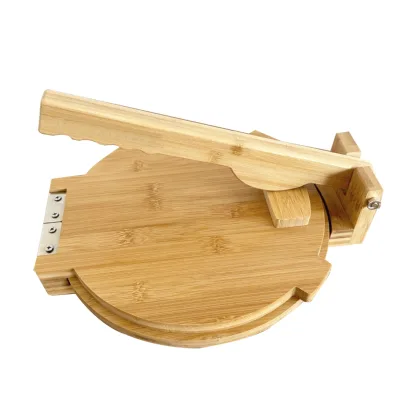
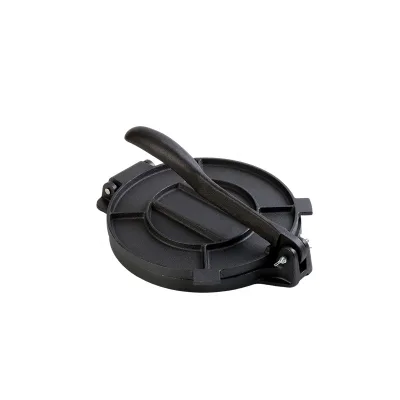
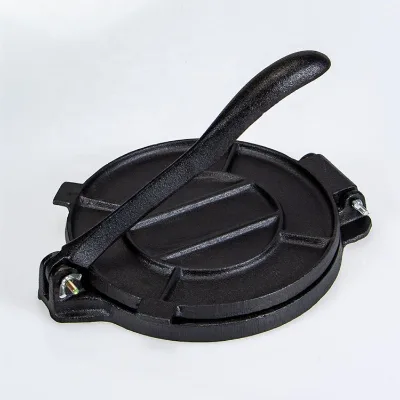


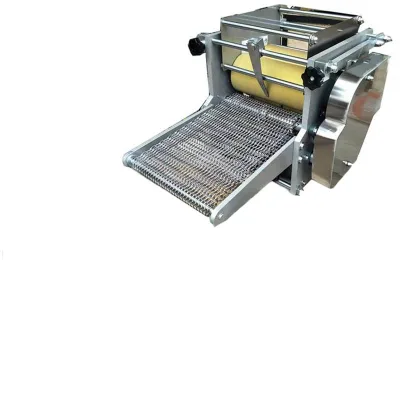
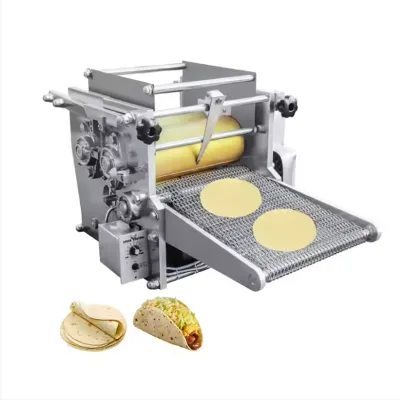


Automatic Mexican Tortilla Production Machine High Capacity Industrial Use
$7000.00 - $10000.00
MOQ: 1 Pieces



Comprehensive Sourcing Guide
Strategic Sourcing Guide for Commercial Mexican Tortilla Press Equipment
Understanding the Technical Landscape of Automated Pressing Solutions
When sourcing a Commercial Mexican Tortilla Press, buyers must navigate a market that ranges from semi-automatic manual units to fully automated production lines capable of high-volume output. The core keyword "Commercial Mexican Tortilla Press" encompasses a diverse array of machinery designed to streamline the production of tortillas, tacos, nachos, burritos, quesadillas, pizzas, and chapatis. The technical specifications for these machines vary significantly based on the intended automation level and production capacity.
A critical observation in the current market is the variation in power consumption and voltage requirements. Available units operate on standard industrial voltages, with specific models supporting 220V at 50Hz or 110V at 60Hz to accommodate different regional electrical standards. Power ratings typically range from 300W to 400W, indicating that these machines are designed for energy efficiency while maintaining consistent performance. The physical dimensions of the equipment also vary; for instance, some compact models measure approximately 450mm in length, 400mm in width, and 380mm in height, while larger industrial units may extend to 580mm by 560mm by 530mm.
The material composition is a non-negotiable factor for food safety and durability. The vast majority of commercial units are constructed from stainless steel, ensuring resistance to corrosion and ease of cleaning in high-humidity kitchen environments. The automatic grade of the machinery is another key differentiator. Buyers will encounter both "Semi-Automatic" and "Automatic" classifications. Automatic models often feature high productivity, with capacities ranging from 15 to 30 pieces per minute up to 1000-2000 pieces per hour, depending on the specific configuration. The molding capabilities are equally diverse, with adjustable thickness settings typically ranging from 1.5mm to 6mm and mold diameters available from 6cm up to 35cm, allowing for customization based on the specific tortilla or taco size required.
Compliance Verification and Certification Standards
In the B2B procurement of food processing equipment, compliance with international safety and quality standards is paramount. While specific certification data for every listed unit may not be immediately available in general product descriptions, buyers must rigorously verify the certification status of any supplier they consider. The presence of CE certification is a common benchmark in the European market, indicating conformity with health, safety, and environmental protection standards for products sold within the European Economic Area. However, the absence of a visible certification badge in a product listing does not confirm compliance; it merely indicates that the information is not explicitly provided in the initial data.
Buyers should request formal documentation from suppliers to confirm that the machinery meets the electrical safety standards of their target market. This includes verifying that the voltage ratings (220V/50Hz or 110V/60Hz) align with local grid requirements and that the electrical components are rated for continuous commercial operation. Furthermore, the core components of the machine, such as the machine frame and other structural elements, must be inspected to ensure they do not pose a contamination risk.
It is essential to note that machinery test reports are not universally available for all models. In cases where a test report is marked as "Not Available," the buyer must conduct their own due diligence or request third-party testing before finalizing a purchase. The video outgoing-inspection service offered by some suppliers serves as a valuable proxy for quality assurance, allowing buyers to visually verify the assembly and functionality of the machine before shipment. However, this should be treated as a preliminary check rather than a substitute for formal certification documents.
Cost Drivers and Pricing Dynamics
The pricing of commercial tortilla presses is influenced by a complex interplay of factors, including automation level, material quality, production capacity, and customization options. The observed price range in the market is extensive, spanning from approximately $4.70 to over $213,000. This wide disparity reflects the difference between basic manual or semi-automatic units and fully automated, high-capacity industrial systems.
Several specific cost drivers should be analyzed during the budgeting phase. First, the level of automation is a primary determinant. Fully automatic machines with features like automatic molding and uniform thickness control command a premium over semi-automatic models that require more operator intervention. Second, the production capacity directly impacts cost. Units capable of producing 1000 to 2000 pieces per hour are significantly more expensive than those producing 30 to 60 pieces per minute. Third, customization plays a major role. Suppliers offering OEM/ODM services, including custom molds and logo application, will incur additional costs that are passed on to the buyer.
The packaging method also affects the final landed cost. While some units come in standard carton packing, others may require a wooden case for protection during international shipping, particularly for heavier or larger machines. The single gross weight of the equipment, which can range from 50kg to 68kg, influences shipping logistics and freight charges. Buyers should also consider the warranty terms, with a standard one-year warranty being common. Extended warranty options or service contracts may add to the initial investment but provide long-term value by reducing downtime risks.
Typical Applications and Operational Versatility
Commercial tortilla presses are designed to serve a wide array of food service environments, each with unique throughput requirements. The primary applications include restaurants, hotel kitchens, and specialized food shops such as dumpling and wonton establishments. The versatility of these machines allows them to handle multiple product types beyond just standard tortillas. Specific applications include the production of tacos, nachos, burritos, quesadillas, pizzas, and chapatis.
The operational versatility is further enhanced by the adjustable features of the machinery. The ability to adjust the thickness of the product from 1.5mm to 6mm allows chefs to produce everything from thin, crispy tortillas to thick, soft wraps. The optional mold diameters, ranging from 6cm to 35cm, enable the production of various sizes, from small appetizer bites to large family-sized servings. This flexibility makes the equipment suitable for businesses that need to adapt their menu offerings quickly or serve diverse customer preferences.
In high-volume settings, such as large restaurant chains or food processing plants, the high productivity features become critical. Machines with capacities of 1000-2000 pieces per hour can significantly reduce labor costs and increase output consistency. In contrast, smaller establishments may find that a semi-automatic unit with a capacity of 30-60 pieces per minute is sufficient to meet their daily needs without the high capital expenditure associated with fully automated lines. The choice of machine should always align with the specific production volume and menu diversity of the target application.
Supplier Evaluation and Quality Assurance Protocols
Evaluating suppliers for commercial tortilla presses requires a multi-faceted approach that goes beyond simple price comparison. Buyers should prioritize suppliers who provide transparent information about their manufacturing processes and quality control measures. The location of the manufacturer is a relevant factor, with many suppliers originating from Hebei, China, a region known for its manufacturing capabilities. However, the origin alone does not guarantee quality; it is the specific production standards and quality control protocols that matter.
Key evaluation criteria include the availability of video outgoing-inspection services, which allow buyers to verify the machine's condition before it leaves the factory. Additionally, the condition of the product, typically listed as "New," should be confirmed through detailed product photography or video. Buyers should also inquire about the supplier's experience with OEM/ODM projects, as this indicates their ability to customize the machine to specific business needs.
Quality assurance should also extend to the core components of the machine. The machine frame and other structural elements must be robust enough to withstand continuous commercial use. Buyers should request detailed specifications regarding the materials used, ensuring that stainless steel is used for all food-contact surfaces. The warranty period, typically one year, is another indicator of the supplier's confidence in their product. A supplier offering a robust warranty and clear after-sales support is generally a safer investment than one with limited guarantees.
Long-Term Procurement and Maintenance Considerations
Sourcing a commercial tortilla press is not just a one-time transaction but the beginning of a long-term operational relationship. Buyers must consider the long-term implications of their procurement decision, including maintenance requirements, spare parts availability, and potential upgrades. The condition of the machine, whether new or refurbished, will impact its longevity and performance over time.
Maintenance is a critical aspect of long-term ownership. Buyers should ensure that the supplier provides clear maintenance manuals and training on how to properly care for the machine. The adjustable features, such as the mold diameter and thickness settings, should be easy to maintain and replace if necessary. The availability of spare parts, particularly for the core components like the machine frame and molding mechanisms, is essential to minimize downtime.
Furthermore, the potential for future upgrades should be considered. As a business grows, the need for higher production capacity or additional features may arise. Suppliers that offer modular designs or upgrade paths can provide significant value over the life of the equipment. The single package size and gross weight of the machine should also be factored into long-term logistics planning, as these dimensions will affect storage and transportation costs.
In conclusion, sourcing a Commercial Mexican Tortilla Press requires a careful balance of technical analysis, compliance verification, cost evaluation, and supplier assessment. By focusing on these key areas, buyers can make informed decisions that ensure the acquisition of high-quality, reliable equipment tailored to their specific operational needs. The wide range of available options, from semi-automatic to fully automated systems, provides ample opportunity to find a solution that fits both the budget and the production requirements of any food service business.
FAQs
What is the production capacity of automatic tortilla making machines?
Automatic models typically produce between 1000 and 2000 pieces per hour. Some semi-automatic units operate at lower rates of 15 to 60 pieces per minute depending on the specific configuration and mold size selected.
Can the machine thickness be adjusted for different tortilla sizes?
Yes, the thickness is adjustable from 1.5mm to 6mm. This feature allows the machine to produce various textures and types of tortillas, tacos, and other flatbreads suitable for different recipes.
Which voltage options are available for commercial tortilla presses?
Available units support 220V at 50Hz or 110V at 60Hz. This flexibility ensures compatibility with different regional electrical standards for restaurants and hotel kitchens worldwide.
What materials are used to construct the machine frame?
The machine frame and food-contact surfaces are constructed from stainless steel. This material ensures durability, corrosion resistance, and ease of cleaning in high-humidity commercial kitchen environments.
How does the mold diameter vary for different product sizes?
Standard molds range from 6cm to 17cm in diameter. Optional custom molds can be produced up to 35cm, allowing for the creation of small appetizers or large family-sized servings.
What is the warranty period for new automatic tortilla machines?
The standard warranty period is one year for new equipment. This coverage protects against manufacturing defects and ensures reliable operation during the initial phase of business deployment.
Can suppliers provide custom molds and logo application services?
Yes, OEM and ODM services are available for custom molds and logos. Buyers can request specific branding and product dimensions to align with their unique business requirements and menu offerings.