Source Compact Geely Coolray for fleets, dealers, and rentals
Explore 30 listings for the Compact Geely Coolray to compare specifications like 1.5L turbo engines, DCT transmissions, and pricing ranging from $5,238 to $21,000. Buyers can evaluate features including LED headlights, 18-inch wheels, and 5-seat configurations for various automotive needs.
Key considerations
Products List


Premium Compact Geely Coolray for Sporty and Affordable Experiences
$14000.00 - $21000.00
MOQ: 1 Pieces

Premium Compact Geely Coolray for Budget-Friendly Urban Adventures
$14000.00 - $21000.00
MOQ: 1 Pieces


Geely Coolray Vigorous Gasoline SUV for Global Independent Overseas Car Buyers
$18300.00 - $18600.00
MOQ: 1 Pieces





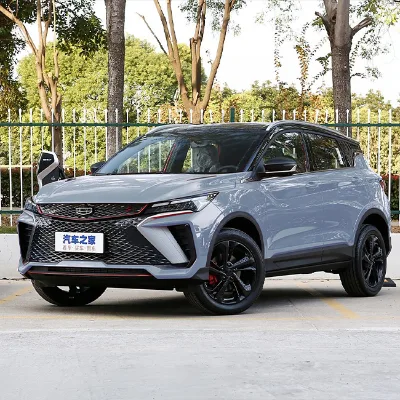
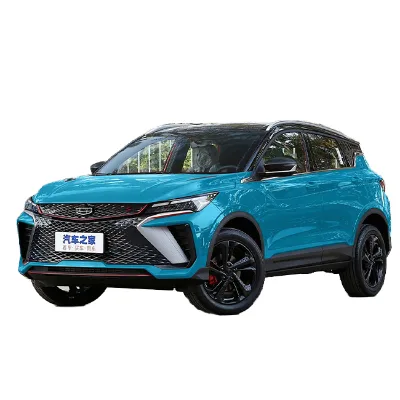

2023 New Cars Geely Coolray COOL 5 Seats Small SUV 2023 Geely Binyue COOL
$12297.70 - $12500.99
MOQ: 1

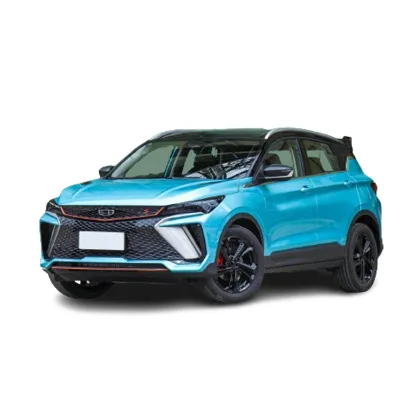
Wholesale Hot Sale Coolray Geely 2024 Wholesale Algeria Cheap SUV Car Cars for Sale
$9662.65 - $9967.79
MOQ: 1 sets

China Geely Coolray 1.5T SUV 7 Gear Automatic Petrol Gasoline Car Vehicle
$12297.70 - $12500.99
MOQ: 1

Official 2023 New Geely Coolray COOL 1.5TD DCT Binyue SX11 Geely Coolray for Sale
$7810.36 - $9454.65
MOQ: 1 sets

Geely Coolray Subcompact SUV - Sporty Design, Turbocharged Power, Smart Features
$10905.00 - $11117.00
MOQ: 1 Pieces




Comprehensive Sourcing Guide
Strategic Sourcing Guide for Compact Geely Coolray Units
Understanding the Product Architecture and Technical Profile
The Geely Coolray, often identified in market listings as the Binyue L or a variant of the Coolray Super, represents a significant entry in the compact SUV segment. For procurement professionals, the first step is to recognize the specific technical architecture that defines this vehicle. The product is built upon the BMA (B-segment Modular Architecture), a platform designed to offer flexibility in manufacturing while maintaining structural rigidity and safety standards. This modular approach allows for the integration of various powertrain options while keeping the core chassis consistent.
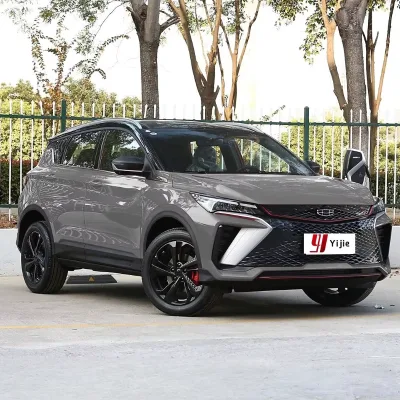
The vehicle is classified strictly as a compact small SUV, designed primarily for family use on standard road conditions. The exterior dimensions are a critical factor for logistics and parking considerations, with the body measuring 4330 mm in length, 1800 mm in width, and 1609 mm in height. The wheelbase is fixed at 2600 mm, which directly influences interior cabin space and ride stability. The design language features a fierce grille design and LED headlights, which are standard visual identifiers for this model. Buyers must verify that the specific unit they are sourcing matches these physical dimensions, as variations in trim levels can sometimes affect minor exterior measurements.
Powertrain Specifications and Performance Metrics
The powertrain configuration is a primary differentiator for the Geely Coolray in the B2B market. The core specification highlights a 1.5L Turbocharged engine, which delivers a maximum power output of 133 kW (181 PS) and a peak torque of 290 N·m. This performance profile is paired with a 7-Speed Wet Dual Clutch Transmission (DCT), ensuring smooth power delivery and improved fuel efficiency compared to traditional automatic transmissions. The drive type is consistently Front-Engine, Front-Wheel Drive (FWD), which is optimal for urban environments and moderate weather conditions.
However, procurement teams must be vigilant regarding the diversity of listed models. The market data indicates the existence of multiple configurations, including a 1.5L Naturally Aspirated (Na) version producing 93 kW with a 5-speed manual transmission (5MT), and another 1.5L Na variant with a CVT. There is also a specific "Low Fuel Consumption Version" listed. While the primary focus for high-performance procurement is the 1.5L Turbocharged DCT model, buyers must explicitly confirm the engine type, transmission, and power output in the purchase order to avoid receiving a lower-specification unit. The fuel type is gasoline, and the maximum mileage observed in the current inventory context is capped at 10,000 km, suggesting these are either new or very lightly used units.
Chassis, Suspension, and Braking Systems
The dynamic capabilities of the vehicle are defined by its suspension and braking architecture. The front suspension utilizes a Macpherson Strut Independent Suspension, which provides a balance of comfort and handling precision. The rear suspension is configured as a Torsion Beam Non-Independent Suspension, a common setup for compact SUVs that prioritizes space efficiency and cost-effectiveness without significantly compromising ride quality. The steering system is equipped with Electric Power Steering, offering varying levels of assistance depending on vehicle speed and driving mode.
Braking performance is another critical safety component. The system is described in the data with two distinct attributes: "Electromagnetic" and "Mechanical." This discrepancy requires immediate clarification during the supplier evaluation phase. In standard automotive engineering, the braking system typically refers to the actuation method (hydraulic/mechanical) and the disc type. The specific configuration for this model includes Ventilated Discs at the front and Solid Discs at the rear. This setup is standard for managing heat dissipation during heavy braking. Buyers should request detailed technical sheets that explicitly state the braking actuation method to ensure the "Electromagnetic" or "Mechanical" label aligns with the actual hardware specifications of the unit being sourced.
Compliance, Standards, and Regulatory Verification
When sourcing vehicles from China, particularly from origins such as Shanghai or general Chinese manufacturing hubs, compliance with international standards is paramount. The product data references a standard dimension of 433018001609, which aligns with the physical body measurements. However, for B2B import, the vehicle must meet the specific regulatory requirements of the destination country. This includes emissions standards, safety ratings, and homologation certificates.
Buyers must verify that the vehicle adheres to the relevant local safety and environmental regulations. The "4330" reference in the standard field likely pertains to a specific national or industry standard code, but it does not replace the need for official certification documents. Procurement teams should demand proof of compliance with the destination market's vehicle type approval. Additionally, the condition of the vehicle is listed as "New" or "Brand New," which implies that the vehicle has not undergone significant wear. However, buyers must confirm the "Condition" status through a pre-shipment inspection to ensure no cosmetic or mechanical defects exist that would violate the "New" designation.
Cost Drivers and Pricing Dynamics
The pricing landscape for the Geely Coolray shows a wide observed range, with values between 5,238 USD and 21,000 USD. This significant variance is not arbitrary; it is driven by several key factors. The primary driver is the powertrain configuration. The 1.5L Turbocharged DCT model, with its higher power output and advanced transmission, will command a price closer to the upper end of the spectrum. Conversely, the Naturally Aspirated versions with manual or CVT transmissions will likely fall toward the lower end.
Other cost drivers include the trim level and specific equipment packages. The "Battle Edition" trim, for instance, may include additional cosmetic or functional upgrades that increase the unit cost. The MOQ (Minimum Order Quantity) is observed to range from 1 to 10 units, offering flexibility for both small fleet operators and larger distributors. Buyers should be aware that unit prices often decrease as the order volume increases, but the specific discount structure is determined by the supplier. Furthermore, the "Freight Container" and "Shipping" packing methods mentioned in the data indicate that logistics costs are a separate line item. Buyers must calculate the total landed cost, including freight, insurance, and customs duties, rather than focusing solely on the ex-factory price.
Supplier Evaluation and Quality Assurance Protocols
Selecting the right supplier is critical for ensuring the integrity of the procurement process. The product origin is listed as China, with specific mentions of Shanghai. While these locations indicate manufacturing hubs, buyers should not assume that all suppliers from these regions offer identical quality. The evaluation process should focus on the supplier's ability to provide verifiable documentation, including the vehicle identification number (VIN), manufacturing date, and a complete history of the unit.
Quality control measures must be rigorous. Since the product is listed as "New," any deviation from this status must be investigated. Buyers should implement a pre-shipment inspection protocol that checks the exterior for paint defects, verifies the interior condition, and ensures all electronic systems function correctly. The "Service Life" is estimated at 1-3 years, which is a relatively short horizon for a new vehicle, suggesting that the data might refer to a specific warranty period or a specific usage context. Buyers should clarify this metric to understand the expected durability and maintenance requirements.
Long-Term Procurement and Operational Considerations
For organizations planning to integrate Geely Coolray units into their fleet, long-term considerations extend beyond the initial purchase. The "Service Life" of 1-3 years implies a need for a robust maintenance strategy. Buyers should assess the availability of spare parts and the technical support infrastructure in their region. The "Customization: Available" attribute offers an opportunity to tailor the vehicle to specific operational needs, such as adding fleet management systems or specific branding.
The tire specification of 215/55 R18 and the wheel size of 18 inches are standard for this class, but buyers should verify the availability of replacement tires in their market to avoid supply chain disruptions. The "Seats: 5" configuration is standard for family cars, but buyers with specific passenger requirements should confirm if 7-seat variants exist or if the 5-seat layout is the only option. Finally, the "Steering: Left" attribute confirms the vehicle is designed for left-hand traffic markets. Buyers targeting right-hand traffic regions must ensure that the supplier can provide a right-hand drive version or that the vehicle is compatible with local regulations after modification, though the latter is generally discouraged due to safety and warranty implications.
Comparative Analysis of Model Variants
To assist in decision-making, the following table summarizes the key differences between the observed model configurations. This comparison highlights the trade-offs between performance, transmission type, and likely pricing tiers.
| Feature | Model 1 (Base) | Model 2 (Mid) | Model 3 (Efficiency) | Target Model (Performance) |
|---|---|---|---|---|
| Engine Type | 1.5L Na | 1.5L Na | 1.5L Low Fuel Consumption | 1.5L Turbocharged |
| Power Output | 93 kW | 93 kW | Variable (Low Consumption) | 133 kW (181 PS) |
| Transmission | 5MT | CVT | Variable | 7-Speed Wet DCT |
| Drive Type | FWD | FWD | FWD | FWD |
| Primary Use | Budget/Entry | Balanced | Fuel Economy | Performance/Comfort |
| Likely Price Tier | Low | Mid | Mid | High |
This table underscores the importance of specifying the exact model variant in procurement contracts. The "Target Model" represents the high-performance variant with the turbocharged engine and DCT, which aligns with the "Geely Coolray Super" designation. Buyers seeking the "Coolray (Binyue L) 1.5td DCT Battle Edition" must ensure their contract explicitly references this specific trim to avoid receiving a lower-specification unit.
In conclusion, sourcing the Geely Coolray requires a meticulous approach to verifying technical specifications, understanding the pricing drivers, and ensuring compliance with local regulations. By focusing on the modular architecture, powertrain diversity, and rigorous quality control, buyers can secure a reliable fleet of compact SUVs that meet their operational needs. The flexibility of the BMA platform and the availability of customization options make this vehicle a viable candidate for various B2B applications, provided the procurement process is managed with precision and attention to detail.
FAQs
What is the engine type for the Geely Coolray?
The primary configuration features a 1.5L Turbocharged engine delivering 133 kW of power. Buyers must verify specific orders as Naturally Aspirated variants with 93 kW are also available in the market.
Which transmission options are available for this model?
The high-performance version uses a 7-Speed Wet Dual Clutch Transmission for smooth power delivery. Other listed models include a 5-speed manual and a CVT option for different driving preferences.
Can I customize the Geely Coolray for fleet use?
Customization is available for this vehicle to meet specific operational needs. Buyers should confirm exact requirements with suppliers to ensure the modifications align with the BMA modular architecture.
What is the minimum order quantity for these units?
The observed minimum order quantity ranges from 1 to 10 units depending on the supplier. This flexibility allows both small fleet operators and larger distributors to source the vehicle effectively.
Where are these vehicles manufactured and shipped from?
The product origin is listed as China with specific manufacturing hubs in Shanghai. Buyers should verify the shipping method, which includes freight container or general shipping options for logistics planning.
What are the standard body dimensions for this SUV?
The compact SUV measures 4330 mm in length, 1800 mm in width, and 1609 mm in height. These dimensions are consistent with the BMA platform design for urban environments and parking.