Source Luxury Hybrid Sedan for Fleet, Rental, and Private Use
Explore 30 listings of Luxury Hybrid Sedan options including electric and gasoline variants. Buyers can compare specifications like power, torque, and seating capacity across models from China to find the right vehicle for their needs; compare the available evidence and request quotations based on your requirements.
Key considerations
Products List
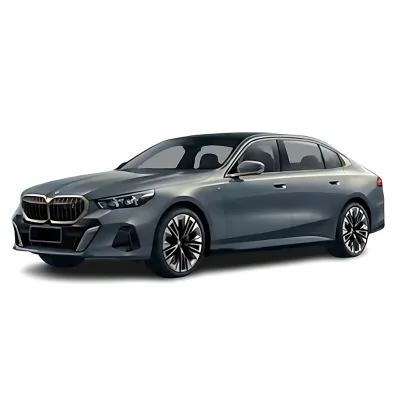

Luxury Electric Car Hybrid Vehicle High Speed Gray MID-Size SUV 5 Doors 7 Seats
$32000.00 - $45000.00
MOQ: 1 Pieces


Eco-Friendly High-Speed Hybrid Sedan: 233 Km/H Performance Vehicle
$61100.00 - $75000.00
MOQ: 1 Pieces


Gray Left-Hand Drive Hybrid Sedan - Eco-Friendly Electric & Gasoline Vehicle
$47000.00 - $54200.00
MOQ: 1 Pieces
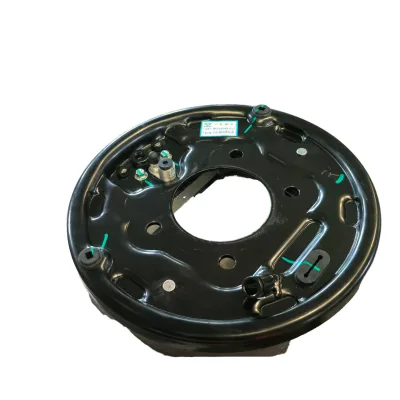


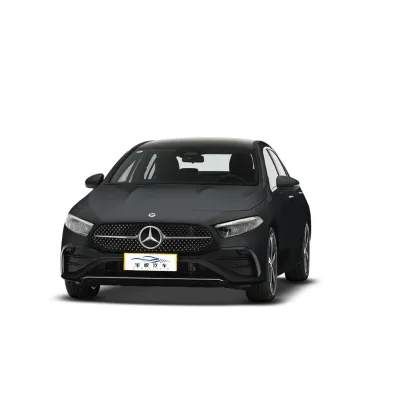


$36800.00 - $39980.00
MOQ: 1 Pieces


Value Hybrid Car Fashion Compact Family SUV Ready for Overseas Logistics
$15800.00 - $16800.00
MOQ: 1 A vehicle


Cost Effective Hybrid Car Stylish Spacious Family Sedan Ready for Export Shipment
$16500.00 - $22500.00
MOQ: 1 A vehicle

Streamlined Sedan Optimize Aerodynamic Performance for Urban Daily Commute
$18300.00 - $18600.00
MOQ: 1 Pieces

Premium Plug-in Hybrid Sedan with Advanced Driving Assistance System
$14500.00 - $18500.00
MOQ: 1 Pieces

Stylish Modern Family Hybrid Sedan Trustworthy Automobile From Chinese Factory
$16500.00 - $22500.00
MOQ: 1 A vehicle

Comprehensive Sourcing Guide
Luxury Hybrid Sedan Sourcing Guide
Sourcing a Luxury Hybrid Sedan requires balancing premium brand expectations with the technical complexities of electrified powertrains. Buyers must navigate a market where terminology often blurs the line between pure electric vehicles and plug-in hybrids. The core keyword suggests a focus on high-end sedans that combine internal combustion engines with electric motors to enhance efficiency and performance. This guide provides evidence-based procurement strategies for navigating this specialized segment, ensuring that technical specifications align with operational needs and regulatory requirements.
Procurement teams should prioritize vehicles that offer verified dual-fuel capabilities, as indicated by observed listings featuring both gasoline and electric power sources. The presence of specific model designations, such as those associated with major automotive brands, highlights the importance of verifying exact trim levels and package options. Buyers must distinguish between standard luxury features and advanced hybrid-specific components, such as battery management systems and regenerative braking technologies, to ensure the selected vehicle meets long-term sustainability and performance goals.
Product Scope and Observed Listing Signals
The observed product landscape reveals a diverse range of vehicle types, including SUVs and sedans, with varying powertrain configurations. Listings indicate the availability of models with electric fuel types, alongside those combining gasoline and electric sources. This diversity underscores the need for precise filtering during the sourcing process to isolate true hybrid sedans from pure electric or conventional internal combustion vehicles. Buyers should scrutinize product attributes such as body structure, noting that some listings describe five-door seven-seat SUVs, which fall outside the sedan scope.
Specific model identifiers, including references to Ford Edge, Ford Mondeo, and Mercedes-Benz E-Class variants, provide critical context for verification. These designations help buyers align their search with established market standards for luxury and mid-size segments. However, discrepancies in listed attributes, such as conflicting exterior colors or drive modes, necessitate careful cross-referencing with official manufacturer data. Procurement teams must treat observed listing signals as preliminary indicators rather than definitive specifications, requiring direct confirmation of the vehicle’s actual configuration and hybrid system integration.
Technical Specifications to Verify
Verifying technical specifications is paramount when sourcing luxury hybrid sedans, particularly regarding powertrain efficiency and structural integrity. Buyers should confirm the motor structure, with permanent magnet motors being a common and efficient choice for hybrid applications. The battery type, often identified as ternary lithium battery in relevant listings, plays a crucial role in energy density and longevity. Procurement teams must verify the battery’s capacity, thermal management systems, and warranty terms to ensure reliable performance under varying driving conditions and climate scenarios.
Additional technical parameters, such as maximum torque and power output, provide insight into the vehicle’s dynamic capabilities. Listings may cite figures like 405 Nm of torque or 202 kW of power, but these values must be contextualized within the specific hybrid system’s operation. Buyers should also examine the braking system, noting that electromagnetic or disc brake configurations impact both safety and regenerative braking efficiency. Wheelbase dimensions and tire specifications further influence ride comfort and handling, requiring alignment with the intended use case and passenger comfort expectations.
Compliance and Safety Documentation
Compliance with international safety and environmental standards is non-negotiable for luxury hybrid sedans. Buyers must ensure that vehicles meet relevant regulatory requirements for emissions, noise levels, and electrical safety. Documentation should include certificates of conformity, type approval certificates, and detailed technical files that demonstrate adherence to local and international standards. The presence of management certifications, such as ISO standards, indicates a supplier’s commitment to quality management systems, which is essential for maintaining consistent product quality and regulatory compliance.
Safety features, including anti-lock braking systems (ABS) and rear radar assistance, are critical components that must be verified through official documentation. Buyers should request test reports and safety assessment records to confirm the functionality of these systems. Additionally, the vehicle’s body structure and crashworthiness ratings should be reviewed to ensure passenger protection. Procurement teams must also consider the environmental impact of the battery disposal and recycling processes, ensuring that suppliers have established protocols for end-of-life vehicle management.
Cost Drivers and Commercial Terms
Understanding the cost drivers associated with luxury hybrid sedans is essential for effective budgeting and negotiation. Factors such as battery technology, brand prestige, and advanced driver-assistance systems significantly influence the final price. Buyers should analyze the total cost of ownership, including maintenance, energy consumption, and potential resale value, rather than focusing solely on the initial purchase price. The observed price range of 7 to 75,000 USD highlights the variability in market offerings, necessitating a clear definition of budget constraints and value expectations.
Commercial terms, including minimum order quantities (MOQ) and payment conditions, vary widely among suppliers. Listings indicate MOQs ranging from 1 to 100 units, allowing for flexibility in procurement strategies. Buyers should negotiate favorable terms regarding shipping, insurance, and after-sales support. The packing method, whether nude packing or roll-on-roll-off shipping, also impacts logistics costs and vehicle condition upon arrival. Clear communication of these terms ensures transparency and minimizes the risk of unexpected expenses during the procurement process.
Supplier Qualification and Quality Control
Supplier qualification is a critical step in mitigating procurement risks for luxury hybrid sedans. Buyers should conduct thorough due diligence on potential suppliers, assessing their manufacturing capabilities, quality control processes, and financial stability. Verification of supplier certifications, such as ISO standards, provides assurance of their adherence to international quality management practices. Procurement teams should also evaluate the supplier’s track record in delivering hybrid vehicles, including their ability to meet technical specifications and regulatory requirements consistently.
Quality control measures should be integrated into the procurement process to ensure product integrity. Buyers should request detailed inspection reports and conduct pre-shipment inspections to verify vehicle condition and functionality. Establishing clear communication channels with suppliers facilitates timely resolution of any issues that may arise during production or delivery. Additionally, buyers should consider the supplier’s after-sales support capabilities, including warranty terms and technical assistance, to ensure long-term satisfaction and operational reliability of the purchased vehicles.
Long-Term Procurement Checks
Long-term procurement checks are essential for maintaining the value and performance of luxury hybrid sedans over their lifecycle. Buyers should establish a monitoring system to track vehicle performance, maintenance costs, and customer feedback. Regular audits of supplier performance and product quality help identify potential issues early, allowing for proactive mitigation strategies. Procurement teams should also stay informed about advancements in hybrid technology and regulatory changes that may impact future procurement decisions.
Building a strategic relationship with suppliers fosters collaboration and innovation, leading to better product offerings and service levels. Buyers should engage in continuous dialogue with suppliers to discuss market trends, technological developments, and potential improvements. This approach ensures that procurement strategies remain aligned with evolving business needs and customer expectations. By prioritizing long-term partnerships and rigorous quality assurance, organizations can secure a competitive advantage in the Luxury Hybrid Sedan market, ensuring sustained value and operational excellence.
FAQs
What fuel types are available for luxury hybrid sedans?
Luxury hybrid sedans typically combine gasoline and electric power sources to optimize efficiency. Some models feature electric drive systems with permanent magnet motors and ternary lithium batteries. Buyers should verify specific fuel configurations as options vary by manufacturer and model year.
Which body styles are offered for luxury hybrid vehicles?
Luxury hybrid vehicles are available in sedan and SUV body styles to suit different needs. Sedans often feature four doors and five seats, while SUVs may offer five doors and seven seats. Buyers must check specific listings to confirm the exact body structure and seating capacity.
Can buyers customize luxury hybrid sedans with specific colors?
Yes, customization is available for luxury hybrid sedans including various exterior color options. Listings show availability in gray, white, blue, red, and silver finishes. Buyers should confirm specific color availability and customization limits with the supplier before placing an order.
What specifications define the Luxury Hybrid Sedan models?
Models feature specifications like a 2950mm wheelbase, 255/60 R19 tires, and maximum power up to 202kw. Displacement ranges from 2500 to 4000cc for hybrid variants. Buyers should review detailed product standards and dimensions to ensure the vehicle meets their specific requirements.
How does the braking system work in these vehicles?
These vehicles utilize advanced braking systems including electromagnetic and disc brake types for safety. Most models come equipped with ABS antilock braking systems as standard. Buyers should verify the specific brake type and system configuration for each listed vehicle model.
What is the maximum speed of luxury hybrid sedans?
Maximum speeds for these vehicles range from 175 to 193 km/h depending on the model. Higher performance variants may achieve greater speeds with advanced electric drive modes. Buyers should check the specific max speed rating for the exact model they intend to purchase.
Which certifications apply to these luxury hybrid vehicles?
Some vehicles carry ISO certifications for management systems regarding seats and steering components. Buyers should verify specific certification details as not all models may display the same standards. Confirming certification status is essential for compliance and quality assurance.
What is the typical weight of a Luxury Hybrid Sedan?
The weight of these vehicles varies, with some models weighing around 1603kg and others up to 2152kg. Heavier SUV variants generally weigh more than standard sedan configurations. Buyers should check the specific weight data for the model they are considering.